The widening Iran-United States/Israel war that’s roiled global travel is hitting Asia and Europe routes especially hard, sending fares soaring and leaving travellers facing record prices ahead of the Easter rush.
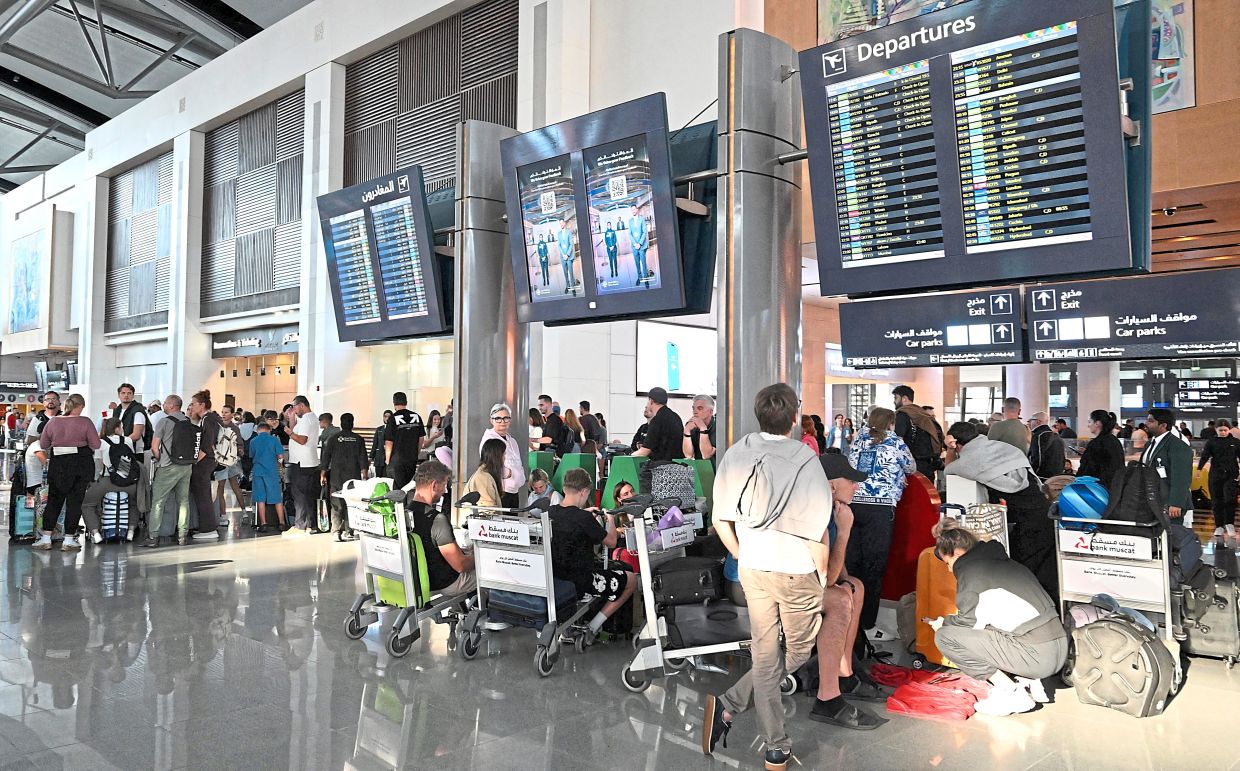
A cascade of more than 46,000 flight cancellations has been triggered across the region since the conflict began on Feb 28, according to data from Cirium. The crisis wiped out as much as 10% of global airline capacity earlier this month, in the biggest aviation shock since the Covid-19 pandemic.
The sudden capacity drop from Gulf airport closures has sent airfares soaring on some key routes. One economy class round-trip ticket from Sydney (Australia) to London (England) from April 3-10 has increased by more than 80% over the past two weeks, while a business class ticket for the same route was running about 40% higher, according to a Bloomberg analysis of Google Flights data as of March 12.
A Singapore to London round-trip economy ticket, meanwhile, cost nearly triple for the same period. Fares are best-available departures ranked by Google with one or no stops, excluding flights that transit through the suspended Gulf airports.
One Sydney to London business class round-trip flight on Cathay Pacific Airways is going for as much as US$28,000 (RM86,086). The flight departs March 31, returning April 10, and includes one segment in first class where business is sold out.
Cathay blamed particularly strong demand on certain days in April, and said high load factors have resulted in elevated fares in some cabin classes on peak days.
“Current fare volatility reflects a short-term supply-demand imbalance as passengers prioritise alternative routes following recent disruptions at major Middle East transit hubs,” the carrier said in a statement.
There was no letup overnight in West Asia, with strikes hitting energy infrastructure. US President Donald Trump said recently that a massive release of emergency oil reserves approved by the International Energy Agency would ease energy price pressures while the US seeks to “finish the job” in its campaign against Iran.
More than 2,440 people have died since the war began, with Iran and Lebanon accounting for most fatalities.
The conflict is weighing more heavily on travel than some other recent crises. Prices seen now “are unprecedented”, said Bryan Terry, managing director of Alton Aviation Consultancy in New York.
“The demand for flights is still there, but up to half of the capacity evaporated on some routes. We’ve seen spikes during other events – 9/11, the pandemic, Russian airspace closure, volcanoes – but none created the same level of demand and supply imbalance,” Terry said.
Grim sentiment
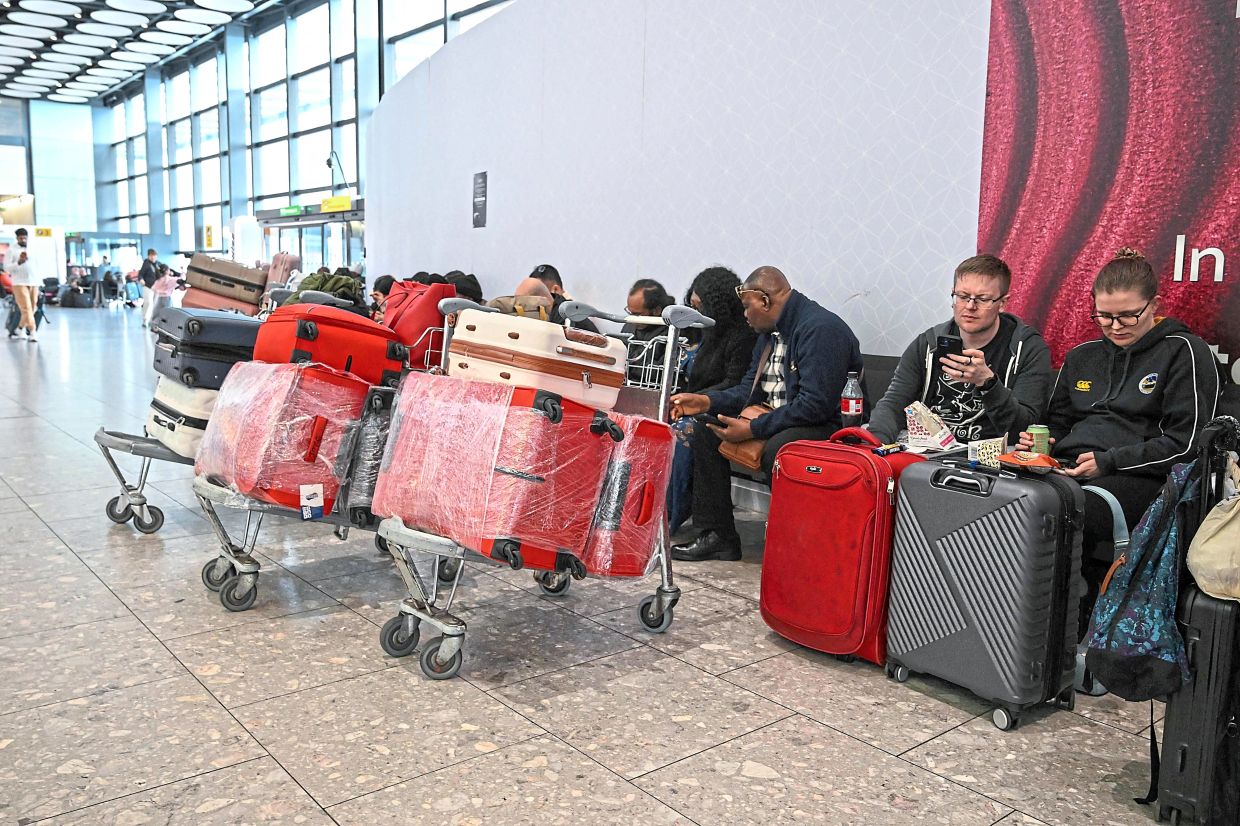
Kayra Gunawan, a 21-year-old Indonesian student in Britain, is foregoing her Emirates flight home to Jakarta (Indonesia) via Dubai (United Arab Emirates), unwilling to risk a last-minute scrub due to the conflict – or pay triple to reroute away from the war-torn region.
“I won’t be going back because I don’t want to worry my family too much,” said Gunawan, who plans to travel within Britain instead. “I’m also afraid of the bombs.”
It’s not just vacationers. Corporate travel is also taking a hit. Pamela Mar, an executive with the International Chamber of Commerce in Singapore, cancelled a Qatar Airways flight to Frankfurt (Germany) via Doha, where regular service remains suspended.
“It’s totally unpredictable and very complicated to plan travel right now,” Mar said. “You can’t rely on airlines to fly even if you can buy the ticket.”
Mar rebooked on Deutsche Lufthansa, paying 25% more to fly via Munich just to improve her chances of making a planned meeting in time. She’s now puzzled about the best way to get from Europe to other scheduled meetings in Nigeria and Tunisia, which typically transit through West Asian hubs.
The turmoil comes as global aviation and tourism were finally nearing pre-pandemic levels, with Gulf hubs such as Dubai, Doha and Abu Dhabi cementing their role as key links between Asia and Europe. At the same time, volatile oil prices are squeezing airlines – fuel can account for up to a third of operating costs – pushing Asia-Pacific carriers from Japan Airlines to AirAsia X to impose fuel surcharges.
Roughly a third of traffic connecting Asia and Europe goes through the Gulf region – about 40 million passengers a year – according to consultancy Roland Berger. With many of those flights now inoperable, prices are spiking on those that bypass the region, pricing some travellers out of the market.
“The sentiment in the industry and among travellers is very grim,” said Ajay Prakash, chief executive officer of Nomad Travels, which books trips for Indian travellers. “Fares are horrendously high. This is deterring all travel at the moment.”
Inquiries from clients, mostly mid-sized businesses, have plunged 50% in recent days, Prakash said. India is among the most impacted markets, with the Gulf accounting for about 40% of all international flights outbound from India, according to the International Air Transport Association.
The flight disruptions are prompting those still determined to travel to stay closer to home. Bookings from mainland China to West Asian are down 40% week-on-week, said Subramania Bhatt, head of travel analytics firm China Trading Desk. Instead, there’s been a pickup in demand for shorter flights to South-East Asia, with weekly bookings from China to Thailand up over 20% this month.
For others, the turbulence is simply too much. Akanksha Apoorva, a tech worker in Bengaluru, India was packed and excited for her first-ever trip to Oman, having booked a group tour departing March 1. But she cancelled at the last minute after fellow travellers sent photos of massive immigration lines as the regional conflict intensified and her family grew more anxious.
Apoorva isn’t planning any travel in coming months. – Bloomberg