Owning and operating a Michelin-starred restaurant is the ultimate dream for most chefs. It is also often the culmination of years of graft and hard work.
For British chef Andy Beynon, a decade of intense labour at some of London’s top restaurants paid off when he opened his first restaurant Behind in 2020 at the height of the Covid-19 pandemic.
In culinary circles, Beynon is something of a legend simply because he achieved the seemingly impossible. When Beynon first opened Behind, lockdowns were common. As a result, his restaurant was open for only 10 days before being forced to shutter for a lockdown. Then it opened for another 10 days before the same thing happened yet again.
And yet against the odds, with only 20 days under its belt, Behind was awarded a Michelin star!
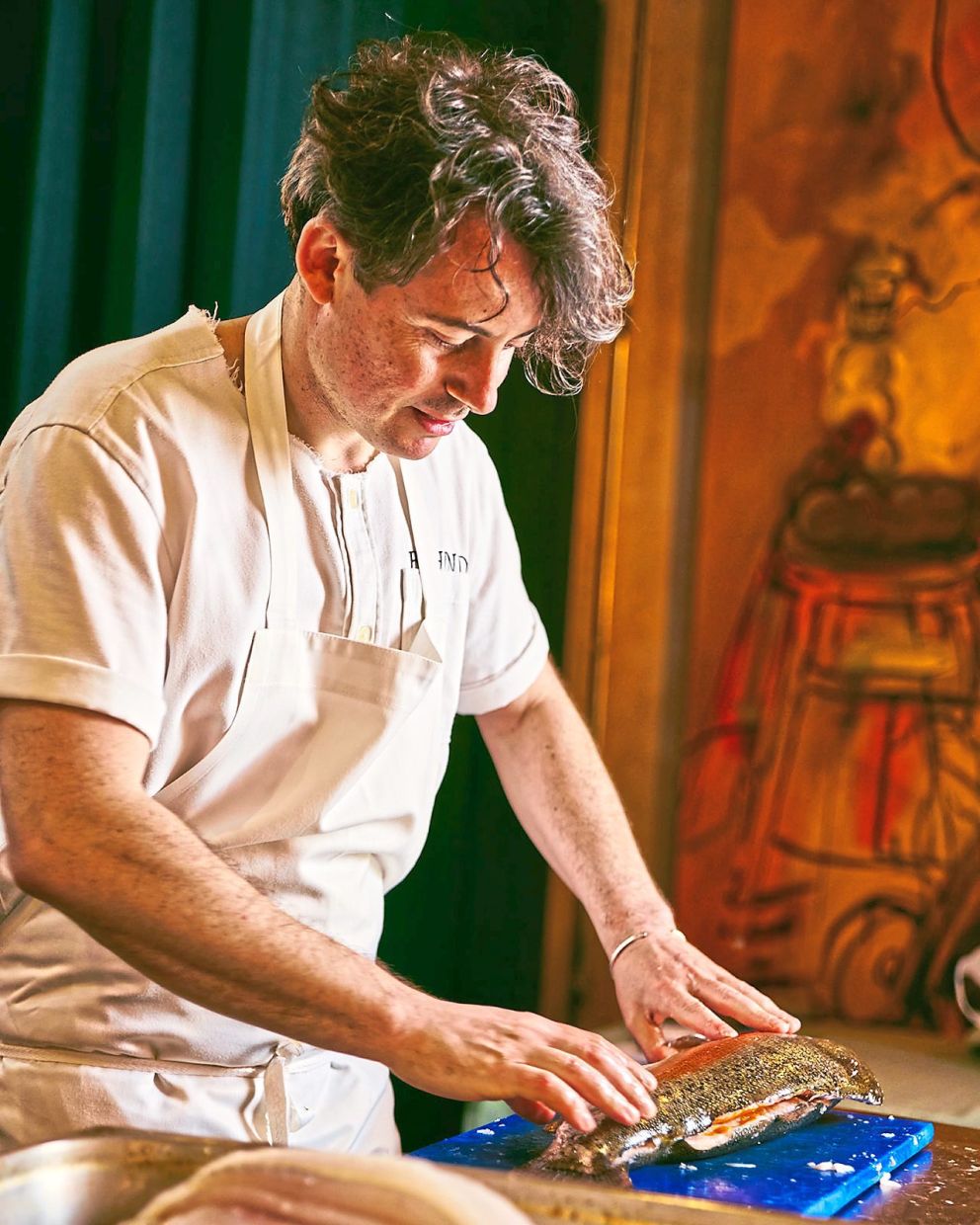
“I was fortunate enough for Michelin inspectors to come and review us. When it was announced that we won a Michelin star, it was a really special moment for me because obviously it’s something I strived to get.
“And it’s amazing because I own my whole business – I’ve got no backers. I was making all the decisions and I think they were the right decisions at the time, where I managed to win a Michelin star in 20 days – which was incredible.
“It’s super unusual because Michelin don’t just give out a star for the sake of it, so I feel really proud of what I’ve done,” says Beynon who was in KL recently for a collaboration dinner with Petaling Jaya restaurant Carbon.
Food and family
In many ways, Beynon’s advent into food was no accident. As a child, he leaned into his Italian roots, spending a lot of his formative years with his mother’s Italian family in Italy.
“They’re obsessed with food. They used to stop everything for like three or four hours in the middle of the day to make lunch. So yeah, I really got a love of food from my mother,” says Beynon.
While Beynon’s initial career objective was to become a hairdresser, he began redirecting his creative energy when he started working in the food industry at 16.
“I started working in the kitchen and I just got obsessed with food. And I’m very competitive as well, so I wanted to work in some of the best restaurants in London,” says Beynon, laughing.
And he did exactly that – learning the ropes at illustrious eateries like Claude Bosi’s two Michelin-starred Hibiscus (now shuttered) and Michael Wignall’s Michelin-starred The Latymer.
Beynon says those experiences were not for the faint of heart, as restaurant kitchens then were notoriously tough.
“Back in the day, those kitchens used to be really horrible, super aggressive and it was really hard to learn as well as be on top of your section,” he recalls.
Through these tough times, Beynon harboured a long-standing dream of opening his own restaurant. He was adamant about wanting to do it himself without any financial backers to answer to, which is why he quit the restaurant industry to work as a culinary instructor for a few months in order to give himself some to recuperate, reset and learn.
“From the time I was 16 till 29, I was working 18-hour days, five days a week in top Michelin-starred restaurants.
“I didn’t have much of a life but I did manage to have a child, which is amazing. And as all of this was happening, I always wanted to open my own restaurant and I knew exactly the concept I wanted to do and I was very confident with it.
“So I decided to take a teaching job for around eight months. It paid fairly well and I didn’t have to work long hours so that gave me time to look at how to run a business, how to get loans and how to secure a lease. So I really learned a lot on the side,” he says.
Seafood-focused eatery
When Beynon opened Behind in East London, he knew he was going to run a seafood-focused restaurant. In a way, this decision seems a little ironic because Beynon says he didn’t actually grow up eating much seafood, something he believes is common among most Britons.
“When you open a restaurant, you kind of need a real niche and a selling point. So I decided to focus more on seafood. Reason being, obviously I am obsessed with seafood, but when I created my menu, it was all seafood-based. And I think there’s a lot of technique with cooking seafood.
“I mean, I was brought up on fish fingers. I didn’t really eat any fresh fish until I started working in restaurants.
“And a lot of people in London do the same because fresh seafood is so expensive. It’s cheaper to buy fish fingers than it is to go to a fishmonger and buy fresh fish and do it yourself, which is why not many people in England are educated in cooking fish or even sourcing it. And that’s something I would love to change,” says Beynon.
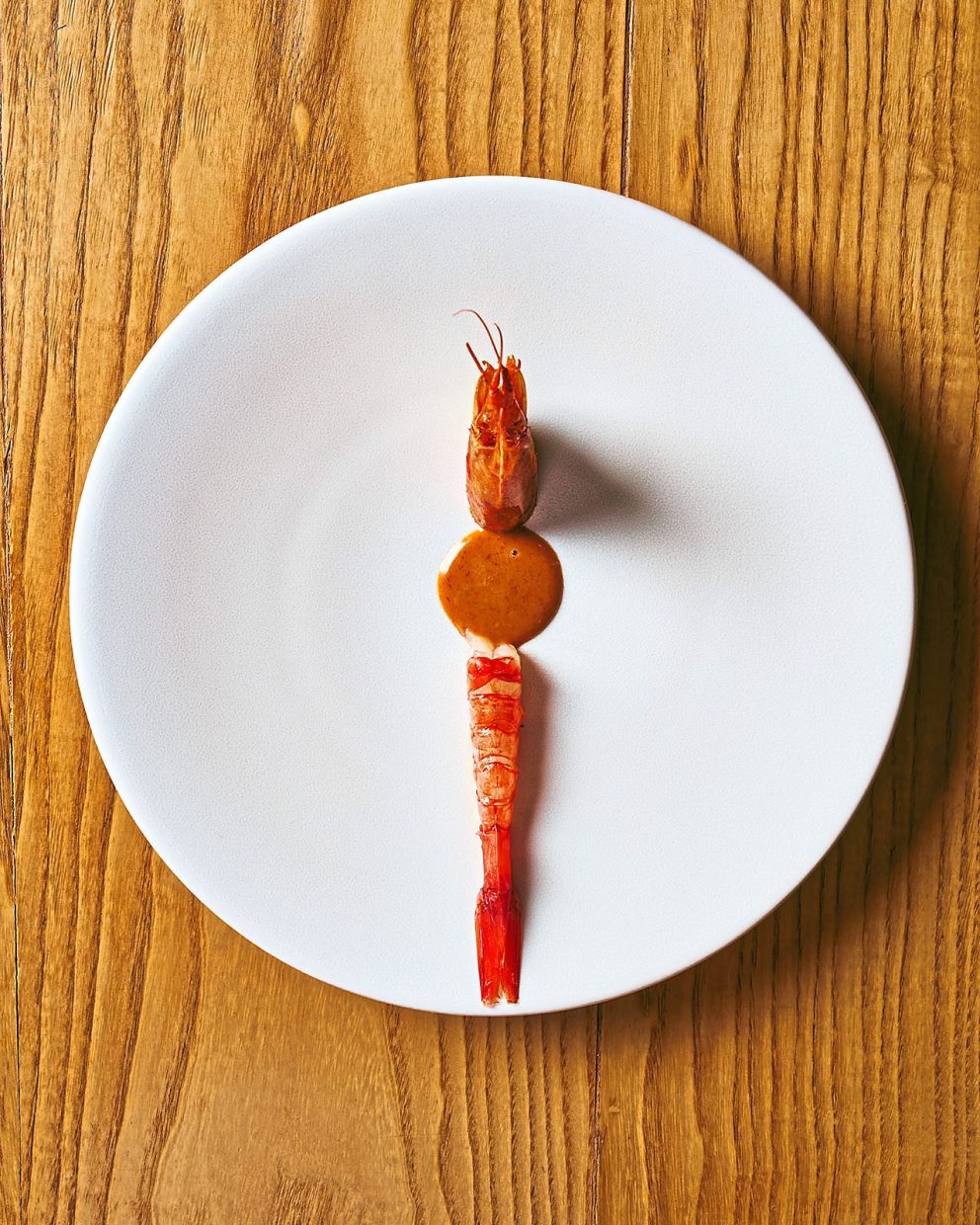
At Behind, Beynon works with a curated range of suppliers, fishmongers and fishermen and sources the best seafood from Britain and the region to create a 10-course tasting menu. He also believes in using every part of the fish and shellfish that he works with, so as to minimise wastage.
“Utilising every part of the fish is very important, like we use collagen from fish because it’s a natural gelatine and we also use natural seasonings like fish roe.
“But more importantly, I want to teach my chefs how to use every part of every fish that we get. I think it’s an incredible skill to keep in your back pocket that not many chefs know or like to use or even understand,” he says.
A greater part of the momentum and drive behind Behind is Beynon’s goal of reviving interest in traditional British seafood dishes like the 19th century breakfast dish of smoked kippers as well as Victorian working-class favourites like jellied eel.
“We’re trying to bring back classic British seafood dishes. So, smoked kippers – no one uses them or buys them now. So I was like ‘I’ll buy them, put them in a dish and showcase them.’
“And when people come in, they tell me how their grandad used to eat it or their mum and dad used to love it.
“So it’s really fun using underused, under-looked fish in a different way because I think as a chef, part of our job is making sure culture stays alive,” says Beynon.