Brazilian chef Tassia Magalhaes is the reigning best female chef in Latin America, picking up the accolade during the 2025 edition of Latin America’s 50 Best Restaurants award, which took place last December.
The award was launched in 2013 under the 50 Best brand from publisher William Reed.
At the same time, Magalhaes’s establishment Nelita – known for its Italian influences and all-women kitchen – found itself at No.12 on the list of top eateries in Latin America.
Her time at the pinnacle of cooking follows a period of evolution during which Magalhaes says she has embraced femininity and ignored the toxic traits so famously associated with high-level restaurants.
At her wine bar, Lita, in Sao Paulo’s Pinheiros neighbourhood in Brazil, she talks about food and cooking with a mix of delicacy and power.
The award was the icing on the cake. I wouldn’t say it was recognition for Tassia individually, but for women’s kitchens. When I opened Nelita in 2021 and decided to work with an all-women kitchen, it was very challenging.
In fact, it’s still very challenging because even though today we have a slightly larger number of women in kitchens, there are still very few women in leadership positions in professional kitchens.
We’ve now been running Nelita for five years (and) I think we started to reap the fruits that were planted at the beginning of the restaurant.
There is a lot of trust, and there is a lot of listening. It’s a more sensitive kitchen because women have this sensitivity to feel things, which I believe comes from the fact that women are maternal.
I also just have women in Lita and in my bakery Mag in (located in the Sao Paulo neighbourhood) Itaim Bibi.
In this organisational aspect, women work collectively; they help each other. With this collective nature, you arrive at strength.
The kitchen in Nelita is delicate and powerful. It has these two things together. It’s a feminine kitchen – you can tell – but it’s not a kitchen without flavour.
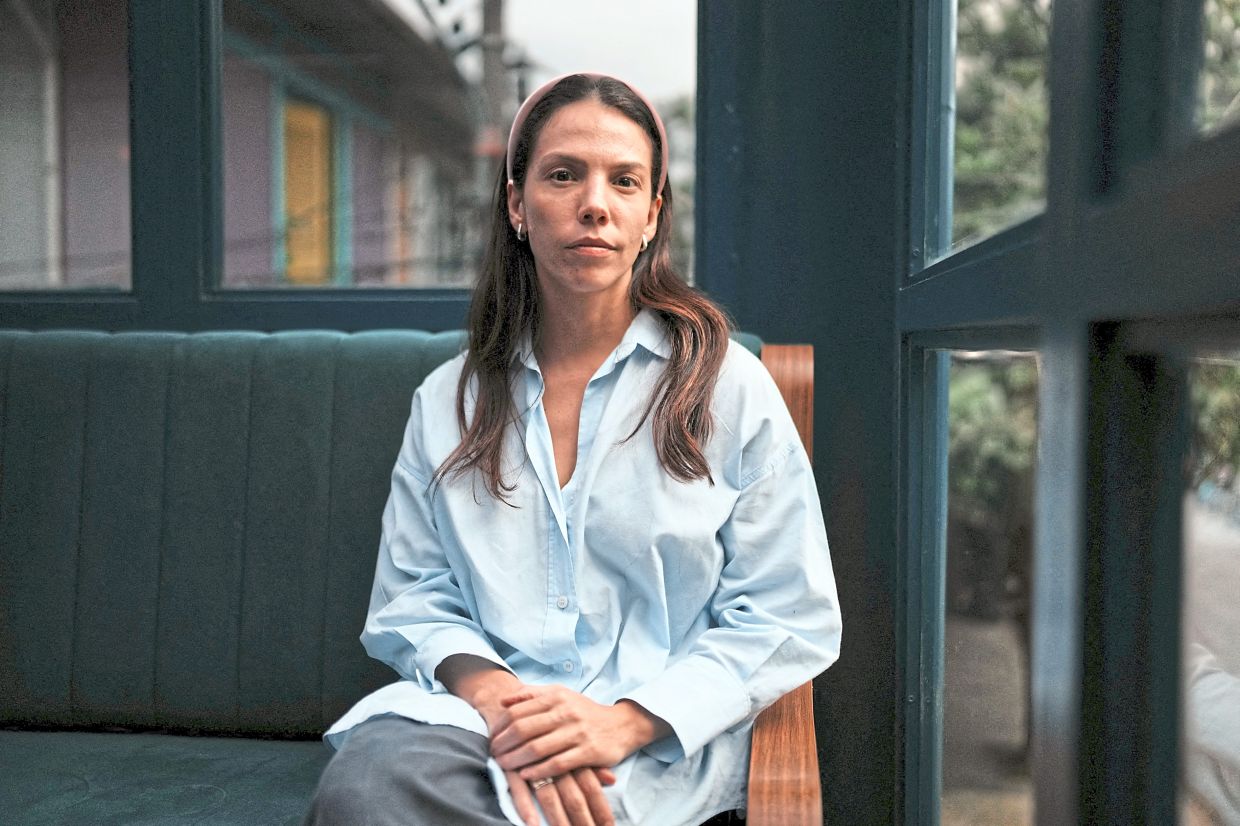
This year marks 18 years that I’ve worked in professional kitchens. Back then, I felt that I needed to equal myself to men in order to earn their respect.
I needed to be rougher. I couldn’t appear very feminine, so I avoided any kind of accessories or dressing like a girl.
I had a more masculine way of being in order to get that respect. I was more coarse, even more aggressive. I needed to behave that way in order to be heard in a kitchen that was like that.
When I started working on the Nelita project, I began to realise that things needed to be different. I understood that I didn’t need to lose my femininity to have a kitchen, to have a restaurant, and to be a chef in a kitchen where people could respect me and look at me.
So I can wear makeup, I can dress well, I can arrive at a gastronomy event wearing a dress where I feel beautiful and that doesn’t diminish Tassia as a cook.
I lived in Denmark in 2010, then again in 2015, and I went through the kitchen at Noma. I wouldn’t say this as an example specifically of Noma, because I think in the past this was generalised across all high-performance kitchens.
I believe all professions that demand high performance had this characteristic of being hard, rigid and aggressive.
But if we reflect, I believe the world has been changing.
People are aware that this doesn’t work, that it’s not healthy, and that this way of working needs to go extinct.
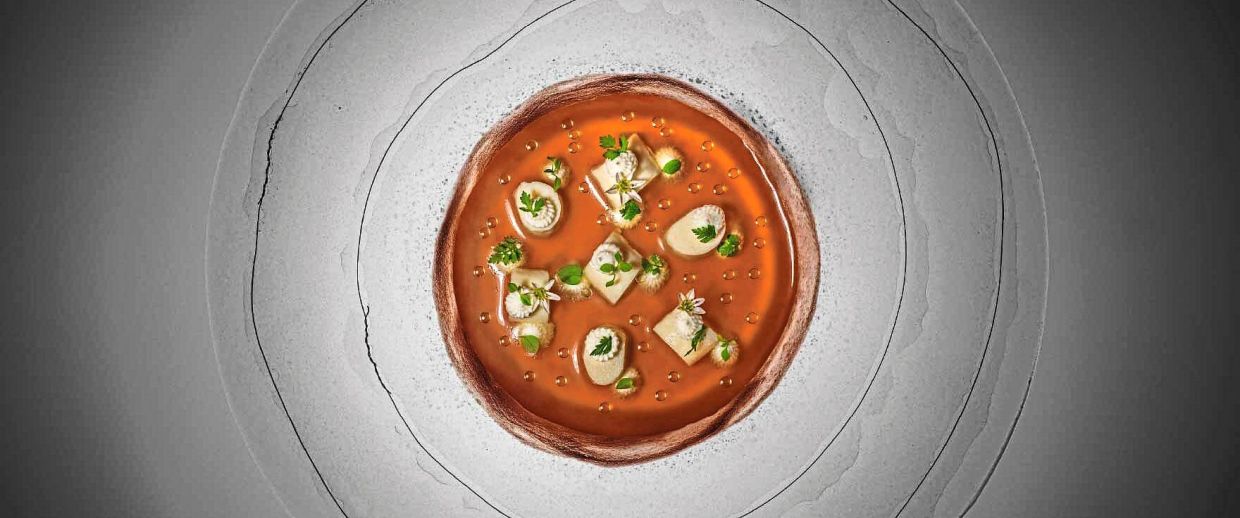
My family is entirely Portuguese, but my grandparents lived in Sao Paulo, which has a lot of influence from Italian immigration. My first internship was in an Italian restaurant, and it was love at first sight.
I realised that everything I ate in the countryside was influenced by Italian immigration.
Since my passion has always been tied to this Italian-immigration cuisine in Sao Paulo, I decided to open Nelita exactly with that, telling the story of the influence Italians have here on Paulistas and Brazilians.
So I bring a cuisine with Italian influence, but using local products from the Vale do Paraiba, which is the region I’m from.
Lita was born out of Nelita, so we say it’s Nelita’s sibling – even the name reflects that. It’s a wine bar, so the proposal is completely different. All the dishes are meant to be shared, so you can try almost the entire menu.
That’s a big difference between the two kitchens. Lita doesn’t stick to any label. We have dishes we love that are classic French, a lot of Brazilian influence, Italian dishes – there’s a bit of everything. We’re not tied down.
At Mag, without a doubt, the highlight is the pastries.
I think Brazil is very rich in women (chefs), and I believe we need to keep adding and increasing that number. We’ve had Helena Rizzo from Mani, Manu Buffara, Janaína Torres, Mara Salles, Roberta Sudbrack – all women who opened the paths before me. We also have (French chef) Dominique Crenn, who has always been a reference for me in gastronomy.
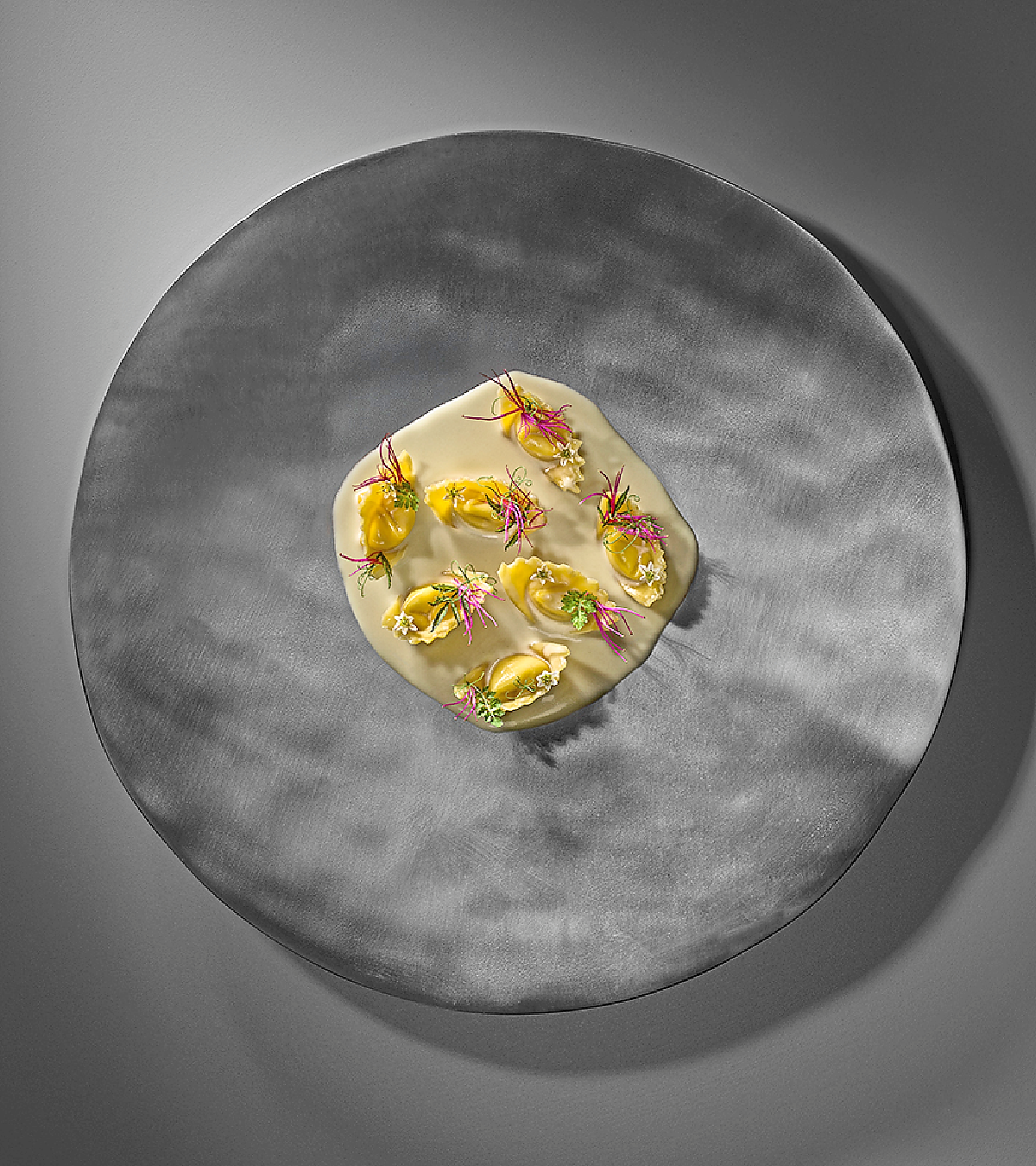
I believe a lot in leading by example. I think you inspire other women exactly by putting into practice everything you believe in.
The way I’ve been working at Nelita is by showing them that it’s possible to do high-end gastronomy with a high level of detail, without aggression, with good communication.
I believe strongly in rigour. I’m not an easygoing, laid-back chef. I believe strongly in organisation. If you have good planning, good organisation, good communication, you rarely need to get stressed or aggressive.
That’s what I talk about most in the kitchen, and I do it in a very transparent way, because the kitchen is 100% open – nothing is hidden. It’s like the curtains are open, the show has begun – there’s no way to hide anything.
The industry needs to understand that the world is changing and things are shifting. But I don’t believe we can lose rigour and organisation. There needs to be rigour – but with respect. – Culture Current/Reuters
This conversation has been edited for length and clarity.