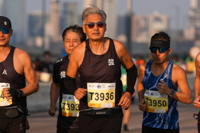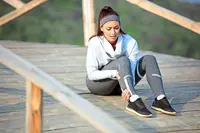
It's not always possible to stick to routine all the time.
We all experience the unexpected once in a while: we get injured or have health setbacks, our loved ones fall ill and require our assistance, work overwhelms, we get dragged down by everyday responsibilities, or we go on extended vacations to rejuvenate our weary bodies.
When any of the above happens, we simply do not feel like getting up and moving; our fitness routine gets disrupted.
And that’s all right as these hiccups show us that we are only human.
No one is going to cane us, except ourselves – that too, sometimes with a really thick rotan!
We punish ourselves unnecessarily for lagging behind.
It’s crucial to maintain a positive mindset and avoid falling into a cycle of guilt or self-criticism.
When you miss workouts, your body undergoes several changes.
Cardiovascular fitness is usually the first to decline, followed by muscle strength decrease and flexibility loss.
You might also experience changes in mood and energy levels, but these effects are often temporary.
Getting back on a fitness track might seem like a mammoth effort, but it can be done.
With some patience and the right mindset, we can all do it.
Progress may not be immediate, but you will get there.
Here are some tips on how to crawl your way back to physical fitness.
Those of you who are returning to exercise after a lengthy layoff will need extra energy to last the entire workout.
Prior to your session, eat something light, healthy and easy to digest, such as yoghurt, fruits (banana is recommended), an egg, a slice of toast with peanut butter, muesli bars or rice cakes.
Take them at least 60 to 90 minutes before you start.
It’ll help fuel your energy so you can last the entire workout.
Post exercise, eat a balanced meal and keep hydrated.
ALSO READ: Here's the proper way to fill your 'tank' for exercise
If you usually run 5km every other day, there is no need to aim for that immediately after resuming exercise.
Take things easy and start with a slow jog or brisk walk first.
Check how your body feels: are you breathless, are your joints hurting, do you feel lousy or are you refreshed?
Do another check the next day.
If you feel good, continue at this pace for a week or more, then pick up the speed or intensity.
It might take you a month or more to get back to your previous level of fitness, depending on what caused your hiatus.
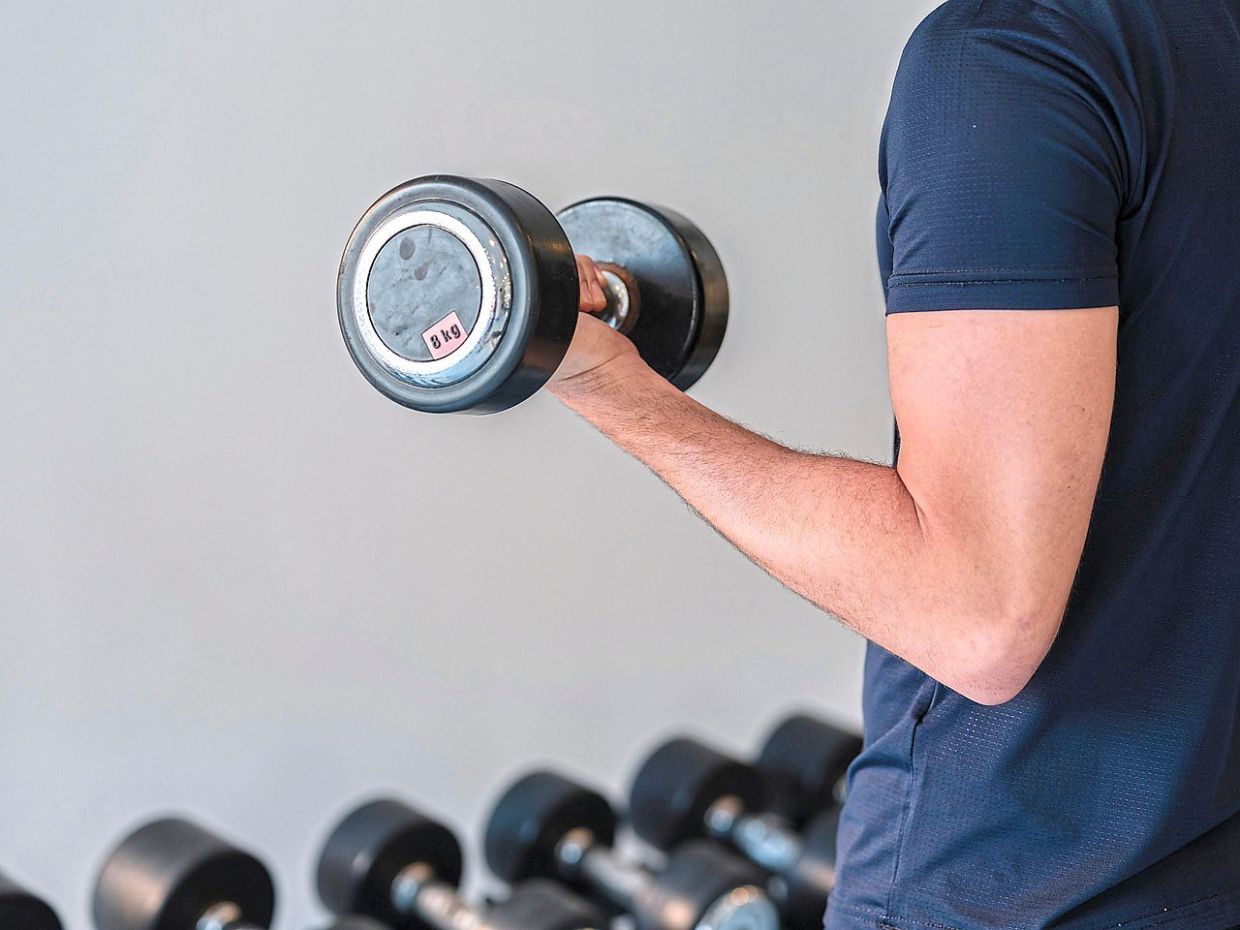
Men tend to lift heavier weights than women, but if you’ve paused your lifting sessions, don’t start with the same weight when you resume strength training.
As I’m still struggling with long Covid issues, I’m often unable to lift the amount of free weights I used to (it wasn’t that heavy to begin with!) or do as many repetitions of body weight exercises such as push-ups or crunches.
Doing so frequently makes me sick and I can’t even get up the next day.
On the days I feel reasonably well, I use light weights and do some squats or try a one-minute plank.
Again, the moment my heart starts to race, I scale back because I know what the after-effects of my condition are.
So, lighten your weights, take longer breaks between sets and reduce the number of repetitions performed.
And men, don’t beat yourselves up and get disheartened over the light weights used – it’s not a sign of defeat but a step towards getting stronger again.
Home gyms were the norm during the Covid-19 pandemic.
It still is in some households.
Should your health, mood or weather not allow you to head outdoors or to the gym, work out at home.
It’s cheaper and more convenient as you only need a small space and a non-slippery surface or yoga mat.
Look for online workout videos or apps that offer guided home workouts suited to your fitness level and goals.
Simple stretches can help loosen your tight muscles and alleviate your mood.
Or source for a 15-minute dance workout video and follow along – no one’s watching.
ALSO READ: Working out at home? Follow these tips for a safe workout
If you have sore muscles, rest the next day, have a massage or go for a stroll around the neighbourhood.
If you’ve been unwell, it may take a longer time to recover after an exercise session.
Listen to your body and it will serve you better.
ALSO READ: When working out, recovery is just as important as the exercise itself
There is no need to compare yourself with your pre-hiatus ability and the present.
If you’ve been unwell, it takes time to tune the body again, so just aim for what you can do and work your way up.
Any exercise is better than no exercise.
At the end of the session, pat your body parts (especially the ones that are hurting) and say thank you for having served you and for continuing to serve you well.
You’ll be amazed how the body responds to this simple step of gratitude.
It’s something I picked up from my days as a professional dancer – our body is a temple to be worshipped, but dancers put it through a tough, often torturous regime of training and rehearsals to make it move the way we want.
Professional athletes do the same – they hardly let their bodies rest completely before the next competition.
The body has to be tuned constantly so it can be in peak condition all the time.
So, expressing some gratitude by patting and appreciating the body part can go a long way.
Revathi Murugappan is a certified fitness trainer who tries to battle gravity and continues to dance to express herself artistically and nourish her soul. For more information, email starhealth@thestar.com.my. The information contained in this column is for general educational purposes only. Neither The Star nor the author gives any warranty on accuracy, completeness, functionality, usefulness or other assurances as to such information. The Star and the author disclaim all responsibility for any losses, damage to property or personal injury suffered directly or indirectly from reliance on such information.
Already a subscriber? Log in
Get 20% OFF The Star Digital Access
Cancel anytime. Ad-free. Unlimited access with perks.