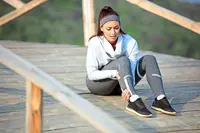
After a hard or intense workout, what do you do immediately afterwards?
Sit down, fall flat on the floor, walk around, pump yourself up for another workout, take an ice bath, down a protein shake or stretch?
And what about the next day?
When you’re super sore after a workout, it might be tempting to lie down and fiddle with your electronic gadgets to avoid any unnecessary muscle contractions.
However, research suggests that doing absolutely nothing might not necessarily be the best way to recover.
You need to engage in active recovery, i.e. perform a series of low-intensity workouts following a hard workout, but at your own pace.
The goal is to help the body return to homeostasis or equilibrium.
Rigorous workouts stress muscles and cause microscopic tears.
These tiny traumas stimulate the body to rebuild stronger, leaner muscle fibres, leading to gains in strength and size.
ALSO READ: Do sore muscles always equal muscle growth?
Active recovery supports this process by supplying essential nutrients and oxygen to these muscle fibres, facilitating quicker repair and growth.
According to a 2018 study published in the journal Frontiers in Physiology, active recovery can benefit people by:
- Reducing lactic acid build-up in the muscles
- Increasing blood flow to muscle tissue
- Removing metabolic waste from the muscles
- Reducing muscle tears and pain.
Simply put, once you’ve fully recovered from exercise, you should feel refreshed, no longer sore and physically ready to embark on the next workout.
Types of active recovery
Basically, there are three types of active recovery.
For example, if you’re lifting weights and you’ve just completed one set of bench presses, which involve lying on a bench and pressing either a barbell or a pair of dumbbells away from the chest, don’t just sit around the bench or take a selfie.
You can still move gently while you take a break.
The bench press is a compound exercise that works your chest and shoulders, as well as the triceps, so spend the next two to three minutes stretching these muscles out.
Or walk around the gym during this time to ensure your muscles stay warm before you begin your next set or exercise.
This also saves you some time from stretching post-workout, which men seldom do (but should!).
Research by the American Council on Exercise’s scientific advisory panel found that athletes recovered faster by continuing at less than half of their maximum effort between intervals, as this still exercises the muscles and keeps the blood flowing.
Find a low-intensity activity that keeps your heart rate below 60% of your maximum heart rate.
If you don’t have a tracker, use the talk test to gauge your intensity: you should be able to carry out a conversation comfortably without pausing for a breath.
However, you shouldn’t be able to sing Luciano Pavarotti’s Nessun Dorma!
Examples of activities include leisure jogging (for seasoned joggers, take smaller steps during this run), swimming, hiking on easy trails, cycling, walking, line dancing, yoga (not a power flow class), pilates, or using easy resistance bands and performing exercises while lying or seated.
The intention here is to reduce the heart rate while maintaining blood circulation.
It helps in preventing blood-pooling, a phenomenon that can cause dizziness or fainting after intense exercise.
If you just went on a 45-minute run, slow down your pace, then walk for the next 10-15 minutes.
Once your heart rate has reduced, you can begin active stretching for all the muscles you have just worked, especially the ones critical for mobility and those that easily spasm.
I highly recommend stretching the calves, hamstrings, quadriceps, lower back and neck every time post-workout.
Hold each stretch for at least 20 seconds.
As you are stretching, relax and take deep breaths.
Your life is busy and hectic enough as it is, so stretching is the time to relax and improve how your body feels.
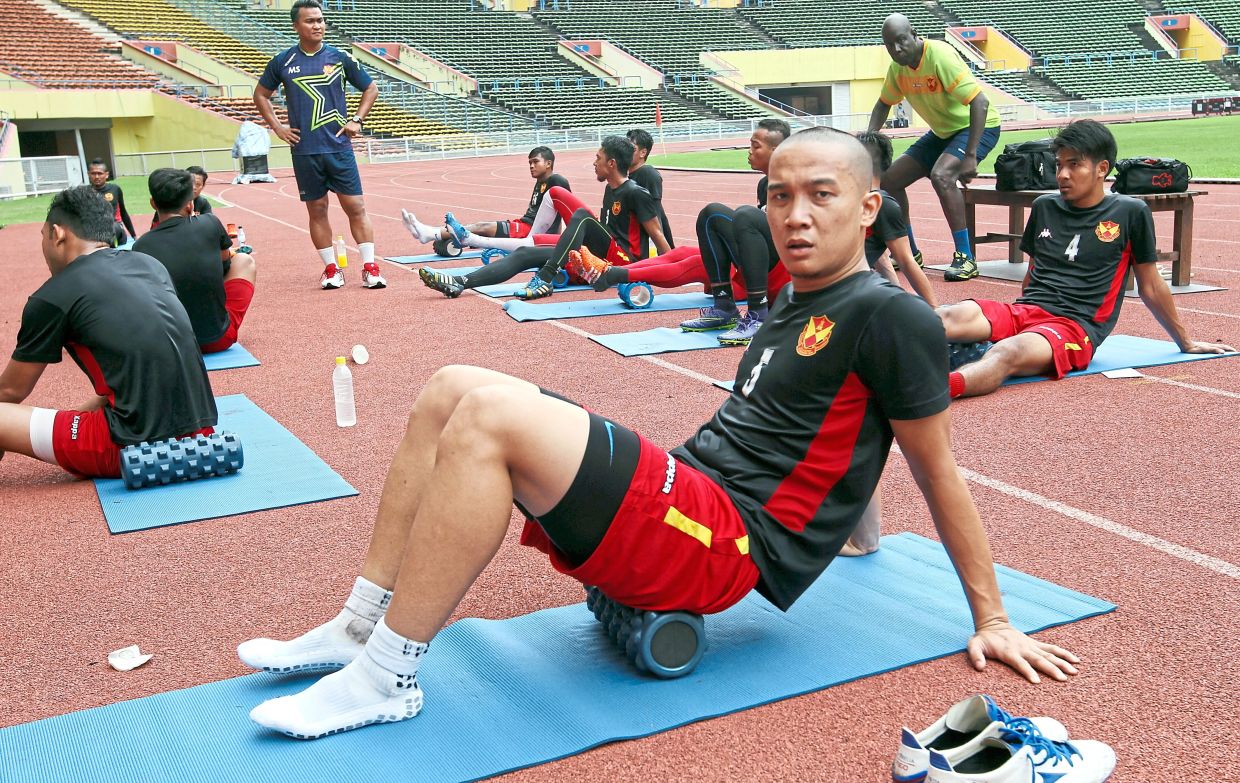
Another form of active recovery is self-massage using a foam roller or tennis ball to target tightness in specific muscles.
The foam roller can be used on the quadricep muscles in the thigh, but a tennis ball may be more effective for targeting the foot’s arch or the muscles between the shoulder blades.
Passive recovery
There is also something called passive recovery, where an individual sits or lies down for a few minutes immediately after a tough activity.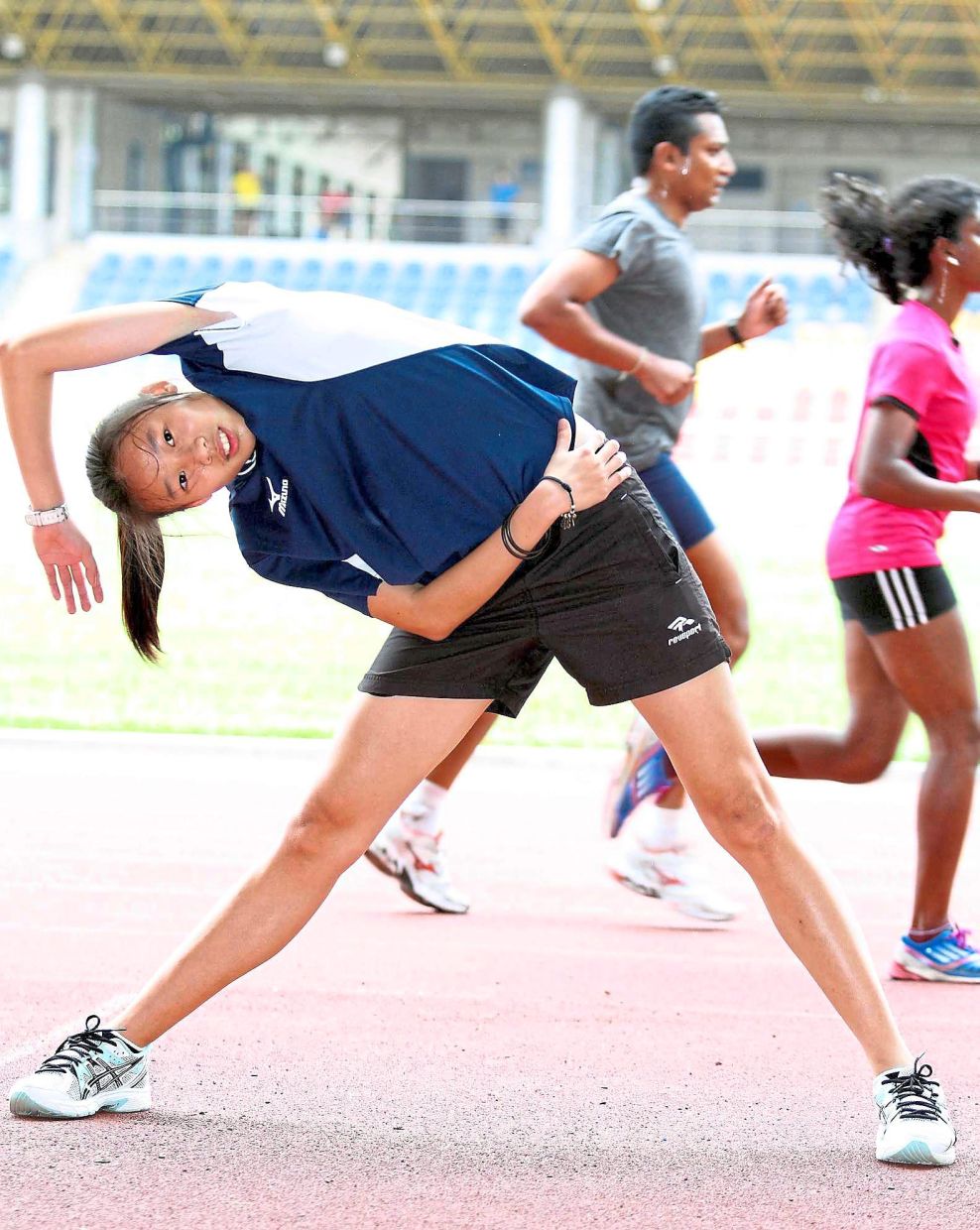
Or they do nothing strenuous and get a massage the next day.
Depending on the type of physical activity undertaken, different people may find passive recovery more suitable than active recovery.
More importantly, your body will give you the signal on which to do.
If you’re completely wiped out, passive recovery is best as you don’t want to put additional stress on the body.
If not, do some active recovery for better overall results.
Bear in mind that active recovery does have its drawbacks.
If you have an existing injury or partake in workouts involving short, repeated bursts of high intensity exercise, passive recovery might be a better option.
You don’t want to aggravate the injury, so scale back and rest completely.
It is important to stop exercising immediately if there is any pain, as continuing to exercise can lead to further injury and increase the time it takes to recover.
Besides, active recovery may also lead to overtraining if not performed correctly, hinder full recovery in cases of extreme physical exhaustion and potentially cultivate an unhealthy obsession with incessant movement, causing psychological distress.
Remember, it’s not about how much you can achieve during active recovery, but engaging in light exercises to recharge the body.
Revathi Murugappan is a certified fitness trainer who tries to battle gravity and continues to dance to express herself artistically and nourish her soul. For more information, email starhealth@thestar.com.my. The information contained in this column is for general educational purposes only. Neither The Star nor the author gives any warranty on accuracy, completeness, functionality, usefulness or other assurances as to such information. The Star and the author disclaim all responsibility for any losses, damage to property or personal injury suffered directly or indirectly from reliance on such information.
Already a subscriber? Log in
Get 20% OFF The Star Digital Access
Cancel anytime. Ad-free. Unlimited access with perks.