
The idiom “no pain, no gain” sometimes holds true in exercise and sporting activities.
You do need to push yourself to some degree of discomfort to achieve fitness goals, be it in strength, flexibility or endurance.
But many of us are probably making errors while working out without realising it.
This can be anything from not warming up to improper technique and holding the breath can potentially lead to a lack of results or cause injuries.
Check out some of these mistakes and see if you’re making them.
Skipping warm-ups
Children and teenagers seldom give much thought to warm-ups; they jump straight into the exercise happily and nothing happens to them.
We adults will suffer the effects later and might end up with muscle aches, a strain or sprain.
So, don’t skip your warm-up just to save a few precious minutes.
The whole idea of warming up is to increase your body temperature to get blood flowing to your muscles, making them more flexible and reducing the risk of injuries as you embark on a physical activity.
A warm body with lubricated joints enables you to perform better.
The length and structure of your warm-up depends on the type of workout you are engaging in, but standard components include light walking, slow jogging, or doing a few high knees and jumping jacks.
Poor alignment or posture
How many times have you seen someone lift weights while leaning back?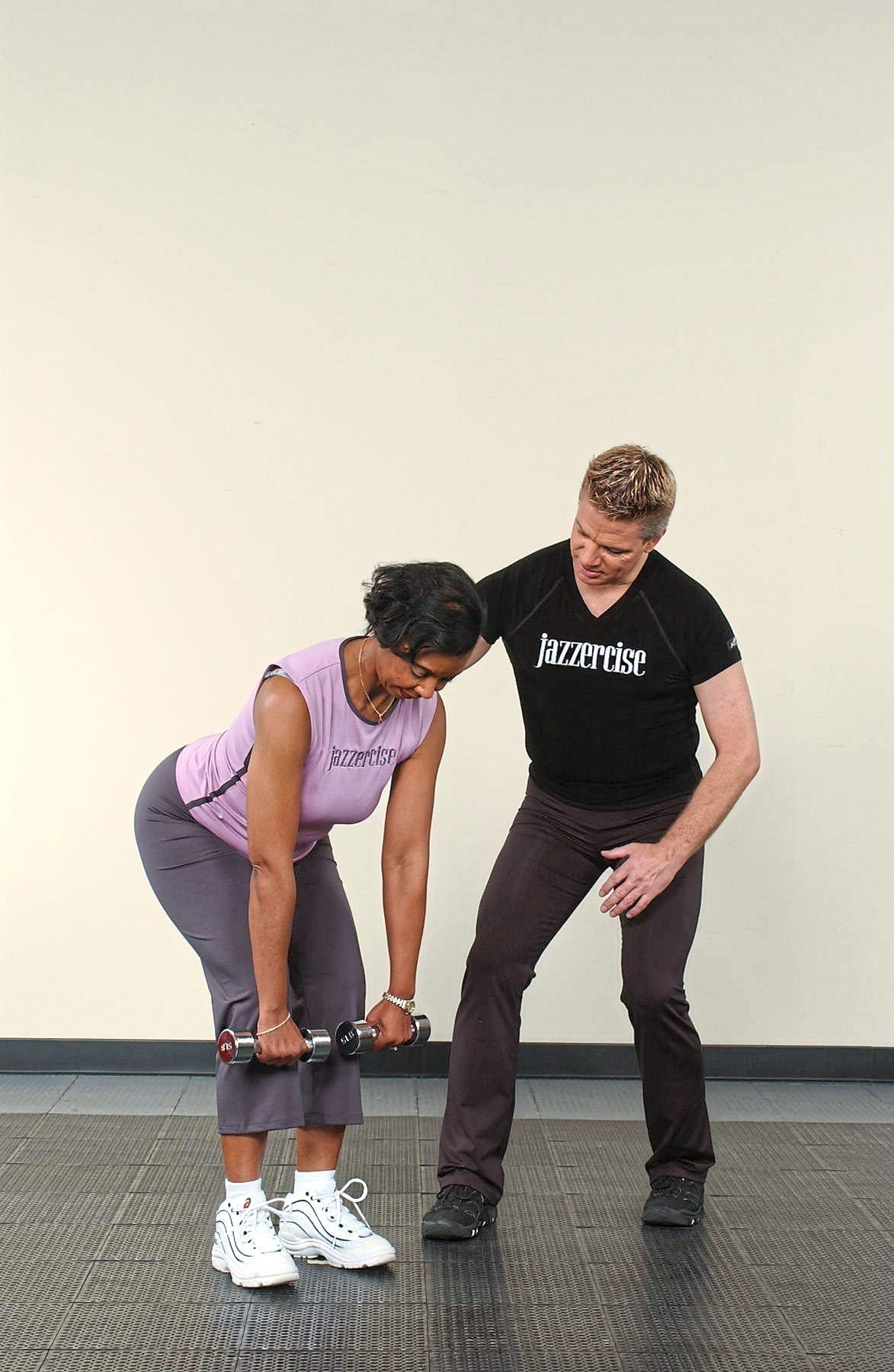
It’s a common sight in gym, especially when heavy weights are being utilised.
Improper form during workouts is a common mistake that can lead to injuries and hinder progress.
Use mirrors or ask the fitness professionals to correct your posture.
Hiring a personal trainer is recommended to receive guidance and corrections for complicated movements.
Many people underestimate the importance of small movements and body alignment, which can significantly impact the outcome of their workout sessions.
Basically, whatever your workout is:
- Ensure your abdominal muscles are always engaged
- Don’t lock your knees
- Keep your spine neutral
- Aim to move through the full range of motion of the targeted joint, but without exceeding your natural limit.
While strength-training, work with lighter weights and correct your form first before moving on to heavier weights.
Dehydration
Drink plenty or fluids throughout the day; don’t wait until you’re thirsty as that’s already a sign that you’re dehydrated.
So, hydrate before, during and after exercise to maintain energy levels.
Cool water is best, but take small sips, not big gulps.
Also monitor the colour of your urine – dark yellow could indicate dehydration.
Proper hydration not only aids in physical performance, but also supports overall well-being.
Electrolytes, like sodium and potassium, are lost through sweat and are important for maintaining fluid balance and muscle function, especially during prolonged or intense exercise.
More importantly, listen to your body and adjust the fluid intake based on your individual needs and the conditions of your workout.

Sticking to the same workout
We all have the tendency to do only what we like and leave out what we don’t like.
You would’ve seen these folks everywhere: the walkers who walk the same route, the lifters who work on the same body part, or the weekend hikers who climb the same trails.
For example, a lot of young male lifters want to build up their chest and arms, so they focus on this in almost all their workouts.
Unfortunately, such an unbalanced approach can lead to an unbalanced-looking physique that is neither functional nor aesthetically pleasing.
We need to work all muscle groups fairly evenly as targeting the same ones may overdevelop them or make it harder to recover after a workout.
Your body gets bored doing the same exercise over and over again; you’ve got to mix it up to prevent the body from hitting a training plateau.
Varying your workout is crucial for preventing muscle stagnation, reducing injury risk, and maintaining long-term engagement with your fitness routine.
By incorporating a variety of activities and/or cross-training, you challenge your body in new ways, leading to better results and eliminating boredom.
However, avoid the temptation of switching workouts every week, which can be equally unproductive.
Change programmes only when you find your progress slowing down – perhaps every three or four months.
Progressive overloading
Exercising means putting stress on the body, which adapts to gradual stress by getting fitter and stronger.
Unfortunately, in our quest to get fit and beautiful fast, some may choose to overwork or overload their muscles too quickly.
Simply put, you can’t run around the neighbourhood twice, then attempt a full marathon.
You need to progressively increase the distance so your body is ready for the ultimate run.
Progressive overloading involves gradually increasing the intensity or difficulty of workouts over time.
Ways to do this include adding weight, increasing repetitions, taking shorter breaks between sets, doing more sets, trying out a more difficult exercise, running or walking for a longer duration, or walking uphill.
Holding your breath
When the going gets tough, many people unconsciously hold their breath.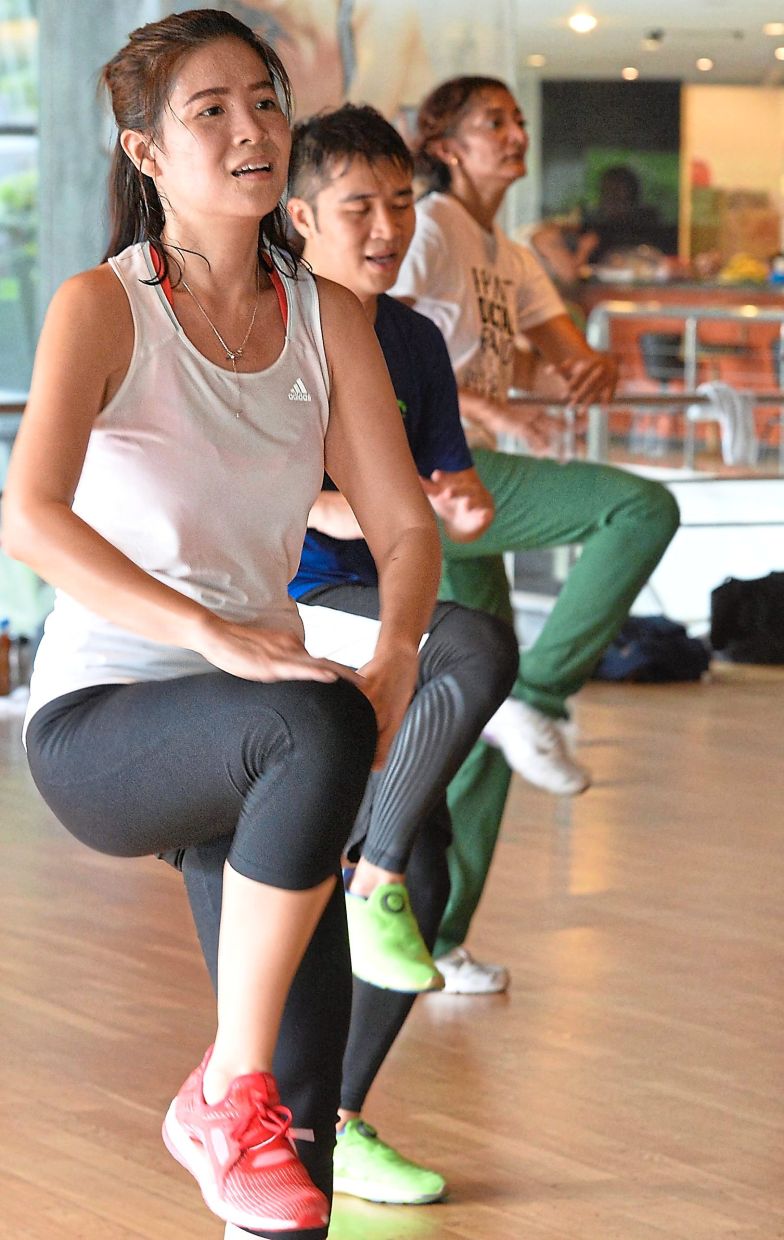
Never, never do this.
Holding your breath limits the amount of oxygen going into your body, so pay attention to how you’re breathing.
If you hold your breath for too long, you might get dizzy and eventually pass out.
For those lifting heavy weights, take a deep breath before you start a repetition, then gradually exhale as you go along – keep breathing.
Not resting enough
Don’t be overzealous and train daily when starting out a new programme.
Pretty soon, you’ll burn out.
Constant fatigue or soreness is a sign that your body needs a break.
So adjust your workout intensity based on these signals for long-term progress.
If you’re having an intense workout today, take a day off tomorrow or incorporate active recovery activities like yoga or gentle walks, or maybe have a massage.
Rest days can aid in muscle recovery without putting additional strain on the body.
Balancing intense workouts with adequate rest is vital for overall fitness progress and everyday life functionality.
Additionally, you must get a good night’s sleep so the body has time to rejuvenate and repair the muscles.
Now that you’re aware of these common fitness mistakes, see how you can correct or fine-tune them.
To progress, you need consistency and dedication, so keep pushing yourself, but listen to your body because it does not lie.
Small changes can lead to better results over time.
Revathi Murugappan is a certified fitness trainer who tries to battle gravity and continues to dance to express herself artistically and nourish her soul. For more information, email starhealth@thestar.com.my. The information contained in this column is for general educational purposes only. Neither The Star nor the author gives any warranty on accuracy, completeness, functionality, usefulness or other assurances as to such information. The Star and the author disclaim all responsibility for any losses, damage to property or personal injury suffered directly or indirectly from reliance on such information.
Already a subscriber? Log in
Get 20% OFF The Star Digital Access
Cancel anytime. Ad-free. Unlimited access with perks.