A number of employers have now adopted a hybrid system of working from home and the office.
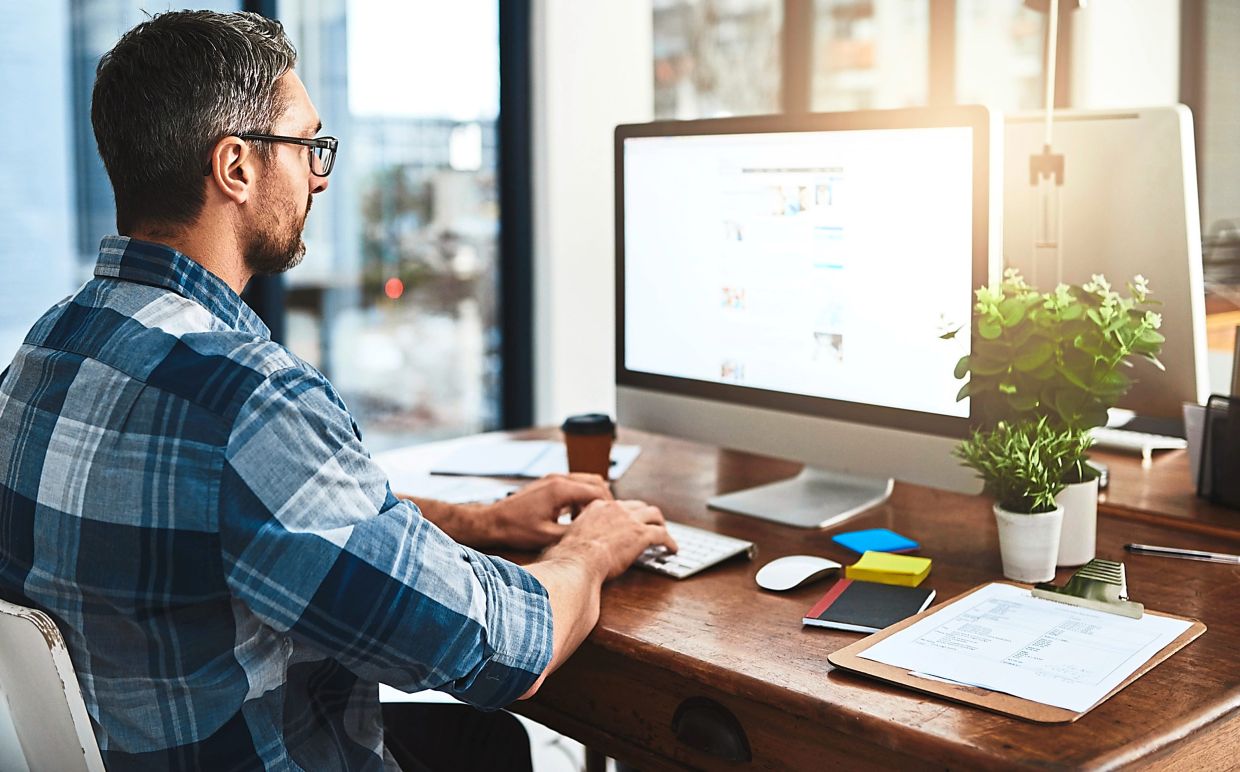
Whichever you’re currently practising, have you observed how long you spend sitting before getting up to move?
It’s easy to get carried away when you’re concentrating hard on work or just want to complete the task at hand.
The mere five-minutes-more becomes 10-minutes-more, 30-minutes-more, and eventually, the flight from Kuala Lumpur to Perth, Australia, would have landed and you’d still be feverishly typing away on the keyboard!
If you’re like me, three hours is the maximum I can sit in front of the computer (I know, it’s bad!), then my legs get restless, or my stomach starts to growl for food.
I’d have to walk around and stretch to feel better, or suffer the effects later.
These days though, due to post-Covid blues, I can’t sit beyond an hour as I get mentally exhausted and it affects my focus.
So I’m forced to take a break and do some breathing exercises or look out at the trees.
Researchers have long known that sitting at your desk hour after hour is an unhealthy habit.
Current guidelines recommend that adults sit less and move more, but these recommendations don’t provide any specific advice or strategies for how often and how long to move.
Generally, experts say we should take a 10-minute break after every hour of sitting, but hardly anyone follows this.
But just last month (January 2023), a study showed that taking a light five-minute walk after every 30 minutes of sitting is more effective and may help regulate blood pressure and blood sugar levels.
Published in Medicine & Science in Sports & Exercise, an official journal of the American College of Sports Medicine, the study also highlights that short exercise “snacks” during the working day may improve mood, fatigue and well-being.
Take a stroll
For this study by Columbia University researchers in the United States, 11 healthy, middle-aged adults visited a laboratory where they sat for eight-hour sessions – representing a standard workday – over the course of five separate days.
On one of those days, participants sat for the entire eight hours with only short breaks to use the bathroom.
On other days, they followed one of five exercise “snacks” as prescribed by the researchers:
- One minute of walking after every 30 minutes of sitting
- One minute of walking after 60 minutes of sitting
- Five minutes of walking after every 30 minutes of sitting, and
- Five minutes of walking after every 60 minutes of sitting.
They were allowed to work, read and use their mobile phones throughout the sessions.
The goal was to find the least amount of walking one could do to offset the harmful health effects of sitting.
In particular, researchers measured changes in blood sugar levels and blood pressure – two risk factors for heart disease.
The surprising (best) result: A five-minute light walk every 30 minutes was the only “snack” that reduced blood sugar levels substantially, compared with sitting all day.
This “snack” lowered the blood sugar spike after eating by almost 60%.
Blood pressure readings also went down by four to five points, compared with sitting all day.
“Muscles serve an important role in our health by helping to regulate blood sugar and cholesterol levels, but they need to be used and contracted to do this.
“So we think that regular short walks or ‘activity snacks’ help to activate the muscles to serve as better blood sugar and cholesterol regulators.
“The sitting posture creates bends and constrictions in the blood vessels of the legs.
“In other words, sitting puts a kink in your legs’ blood vessels.
“This ultimately changes blood flow and can lead to increases in blood pressure,” the study’s lead author Dr Keith Diaz told Medical News Today,
While all this spells good news for our health, it may not be feasible for us to take such frequent breaks at work, especially when we’re in a meeting or rushing to beat deadlines.
Besides, will our employer allow these light strolls?
Moving our bodies during the work day isn’t a waste of time, and could make us happier and more productive.
However, these walks alone are not enough for overall well-being as they are not deemed as proper “exercise”, where you have to get your heart rate up, work your muscles harder and get sweaty.
You still need to up the intensity of your physical activity and do regular workouts after work.
Revathi Murugappan is a certified fitness trainer who tries to battle gravity and continues to dance to express herself artistically and nourish her soul. For more information, email starhealth@thestar.com.my. The information contained in this column is for general educational purposes only. Neither The Star nor the author gives any warranty on accuracy, completeness, functionality, usefulness or other assurances as to such information. The Star and the author disclaim all responsibility for any losses, damage to property or personal injury suffered directly or indirectly from reliance on such information.
Already a subscriber? Log in
Get 20% OFF The Star Digital Access
Cancel anytime. Ad-free. Unlimited access with perks.