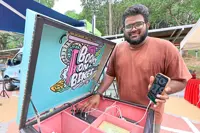
In an age where notifications compete relentlessly for our attention and screens dominate daily life, a new community- based festival is encouraging Malaysians to rediscover JOMO (“joy of missing out), a more intentional counterpoint to FOMO (“fear of missing out”).
The inaugural Kuala Lumpur Reading Festival (KLRF), taking place at GMBB creative mall on June 27 and 28, is a weekend celebration of books, reading and literary culture, bringing together readers, booksellers, publishers, writers, translators and literary communities in the Klang Valley and beyond.
Through the event’s theme “Joy of Missing Out: A Celebration of Reading for the Distracted Generation”, KLRF asks one simple question: What if missing out is not a loss, but a gift?
The festival – organised by BooKu, a bookstore and event space at GMBB – explores reading not merely as a hobby, but as a deliberate act of slowing down, focusing attention and reconnecting with ourselves and others.
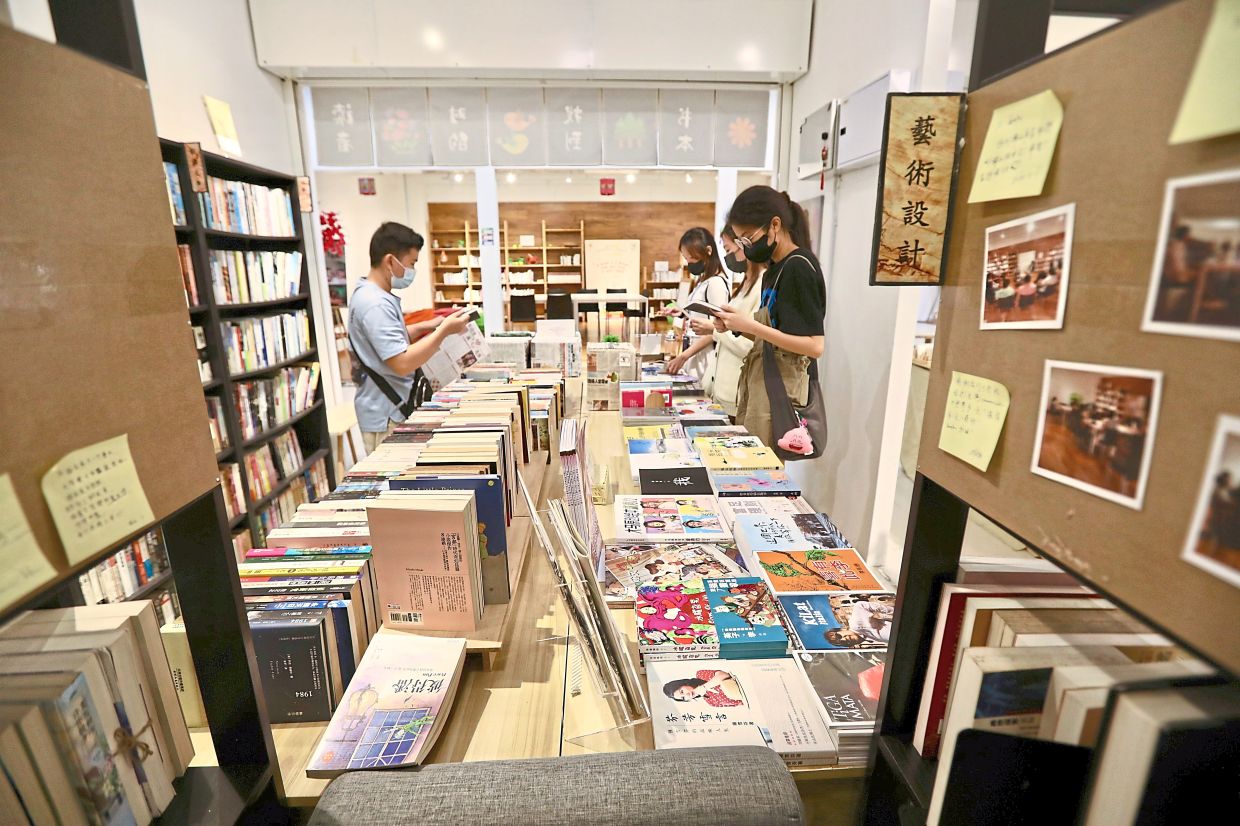
It will feature over 30 exhibitors representing Bahasa Malaysia, Chinese and English-language reading communities, alongside over 20 programmes, including author talks, literary conversations, book clubs, workshops, open mic sessions, movie nights and book scene dialogues.
Reflecting its diverse range of collaborators, the festival programme features a Books Market offering new and pre-loved titles; “The Chill Project”, the festival’s only ticketed event, where participants are encouraged to do anything but use their phones; Poetry On The Spot, where guest poets craft personalised poems on request; and a 24-Hour Bookstore experience presented by BooKu and Zontiga (a photography-based outfit).
GMBB’s multiple spaces – including The Grey Box and Poetry Corner, Zontiga, BooKu and the GMBB Reading Corner and The Chill Project – will be used across the festival programme.
Alongside book browsing and the chance to meet fellow readers, the festival also opens up space for storytelling. There are three-minute book-sharing open mic sessions on the titles that have left the deepest imprint, poetry showcases, readings and film screenings, for example.
There’s also the “Book Walk Before Sunrise”, a communal walk from darkness into daylight, where the only destination is presence itself.
Back to basics
KL has no shortage of major book festivals, from the KL Alternative Bookfest to the KL International Book Fair, both of which draw large crowds with considerable scale. Those may not be for readers seeking a more relaxed atmosphere.
A glance at the programme suggests that KLRF seeks to distinguish itself through its focus on reading as an experience rather than a transaction, and through its emergence from the grassroots energy of the reading community itself.
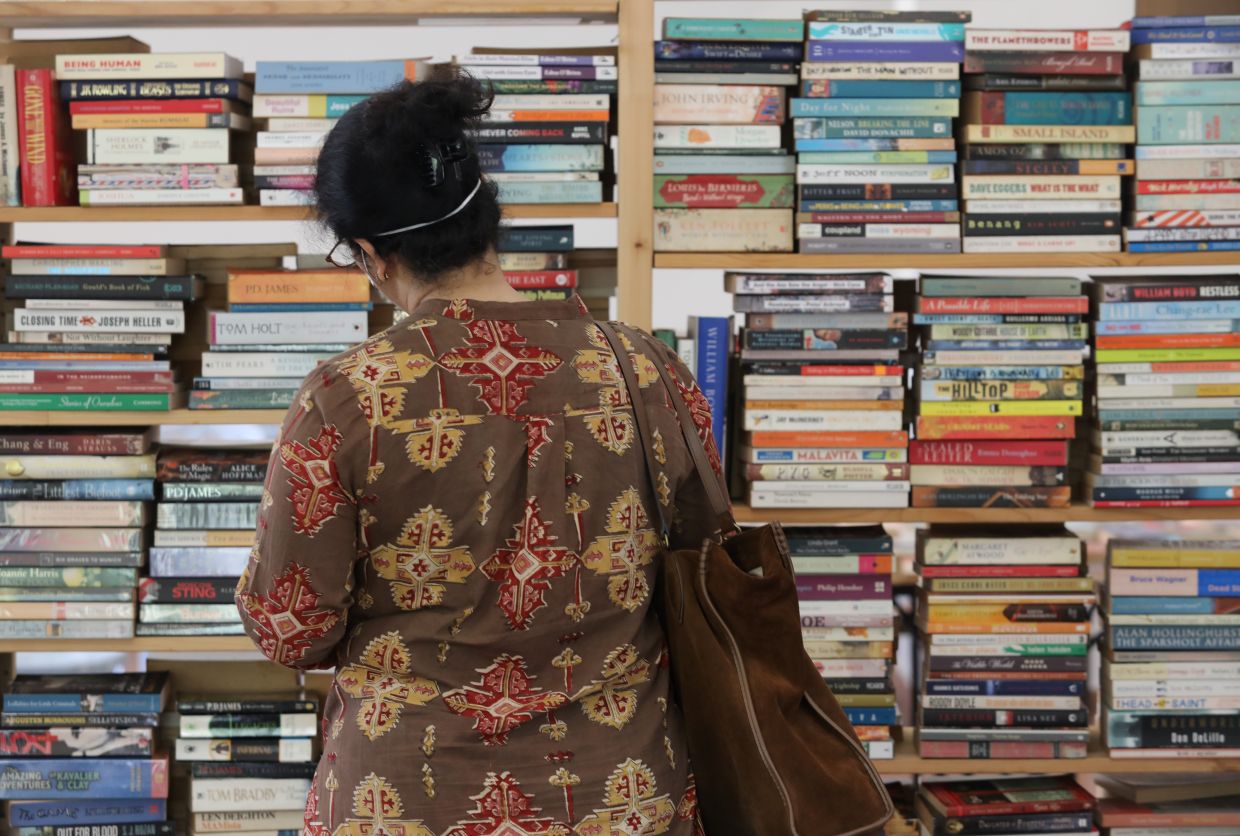
“KL does not lack readers, bookstores, publishers or literary communities. What is often missing is a shared space where these different worlds can come together,” says BooKu founder Ooi Seek Kang, one of the collaborators shaping KLRF’s direction.
The coming together of indie bookshops across languages marks an intriguing development, with names such as Sunda Shelves, Bundusan Books, Monsoon Books, WenXuan, Rumah Attap Library & Collective, BukuKu Press, Kawah Books, Hikayat Fandom, Buku Fixi and others contributing to a multilingual literary melting pot.
“Through KLRF, we hope to create an environment where people can step out of the rush of everyday life, set aside their phones, and return to the enduring joy of reading,” he adds.
Engaging dialogue is indeed a core part of KLRF, thanks to Petaling Jaya-based bookstore and publisher Gerakbudaya. As one of the festival’s co-organisers, it brings along its wide network of authors and publications.
“Becoming one of the organising parties of the KLRF is an extension of our goal of bringing books to the masses. This goal has never wavered, as evident from the reading public who would have attended our many events and seen us set up shop at many cultural, academic and literature-related activities outside,” says Andrew Chong, Gerakbudaya’s head of marketing and distribution.
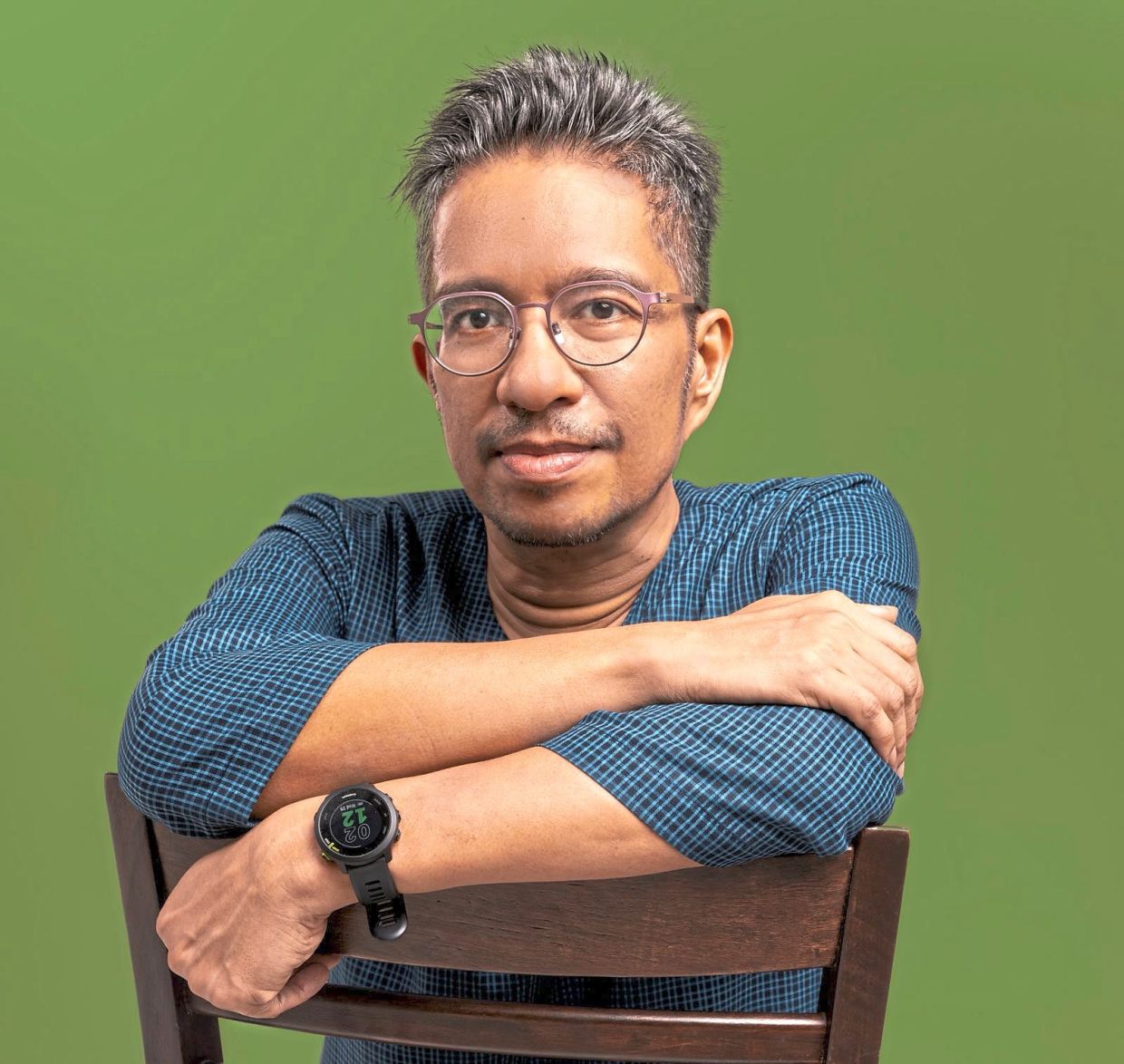
“The difference this time is that we are joining forces with other partners from different backgrounds ... with literature and publications in multiple languages, to attempt to bring in different actors in the Malaysia publishing scene into a more intimate setting. This is also to showcase the diversity within Malaysia’s publishing industry,” he adds.
Most of KLRF’s activities are free, with no pre-registration required for the majority of events.
“By keeping most of the programmes open to walk-ins, we’re inviting people to encounter books, ideas and literary conversations in a more spontaneous and welcoming way,” says Ooi.
“We also hope these events will help grow the first generation of festival readers – people who may arrive as strangers but leave feeling part of a growing reading community in KL,” he adds.
More than just books
Visitors can expect ample opportunities to explore Malaysia’s wider literary ecosystem, through discussions on independent publishing, multilingual bookselling and literary translation. The unifying thread is curiosity, and a shared openness to discovery.
Among the highlights is a screening of publisher, filmmaker and writer Amir Muhammad’s lo-fi documentary Terdedah: 7 Artists In Search Of A Cover, followed by a post-screening talk on June 27.
In the film, Amir invites seven visual artists – via Zoom – to imagine how they would design a cover for national literary laureate Shahnon Ahmad’s 1965 novel Terdedah.
“It’s my favourite Shahnon Ahmad book because it’s racy and funny. Terdedah is his second novel, but has not been reprinted in decades, unlike his first book Rentong (1965) and third book Ranjau Sepanjang Jalan (1966). So I wanted to share what I thought of it,” says Amir.
“At the same time, I wanted to explore the idea of discussing literature with people from other fields, in this case visual art, so that some unexpected observations could emerge. The Zoom format was chosen as I am too kiam siap (Hokkien for cheap) to pay for a camera crew,” he adds.
On June 27, the Please Be Patient With Me reading corner session sees Dr Hartini “Tini” Zainudin pay a tender, partly autobiographical tribute to her mother and the enduring bonds of family, reflecting on childhood, patience and love across generations.
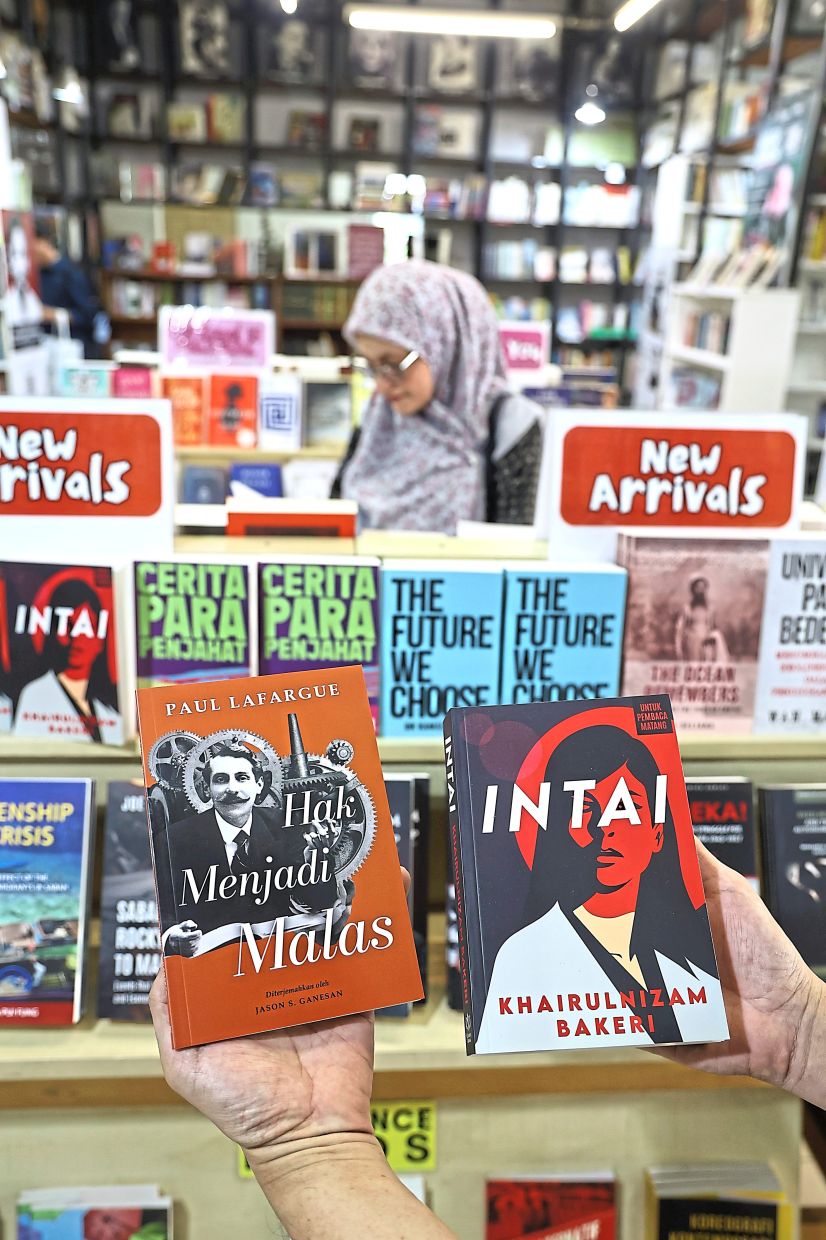
Writer and translator Jason Ganesan will host a book talk on Hak Menjadi Malas, the Bahasa Malaysia translation he did of French socialist Paul Lafargue’s The Right To Be Lazy. It takes place on June 28.
Hak Menjadi Malas was Gerakbudaya’s best-selling book at its booth during the 2026 KL International Book Fair recently.
Originally published as a pamphlet in 1883, the provocative classic challenges dominant ideas about work, productivity and modern labour culture.
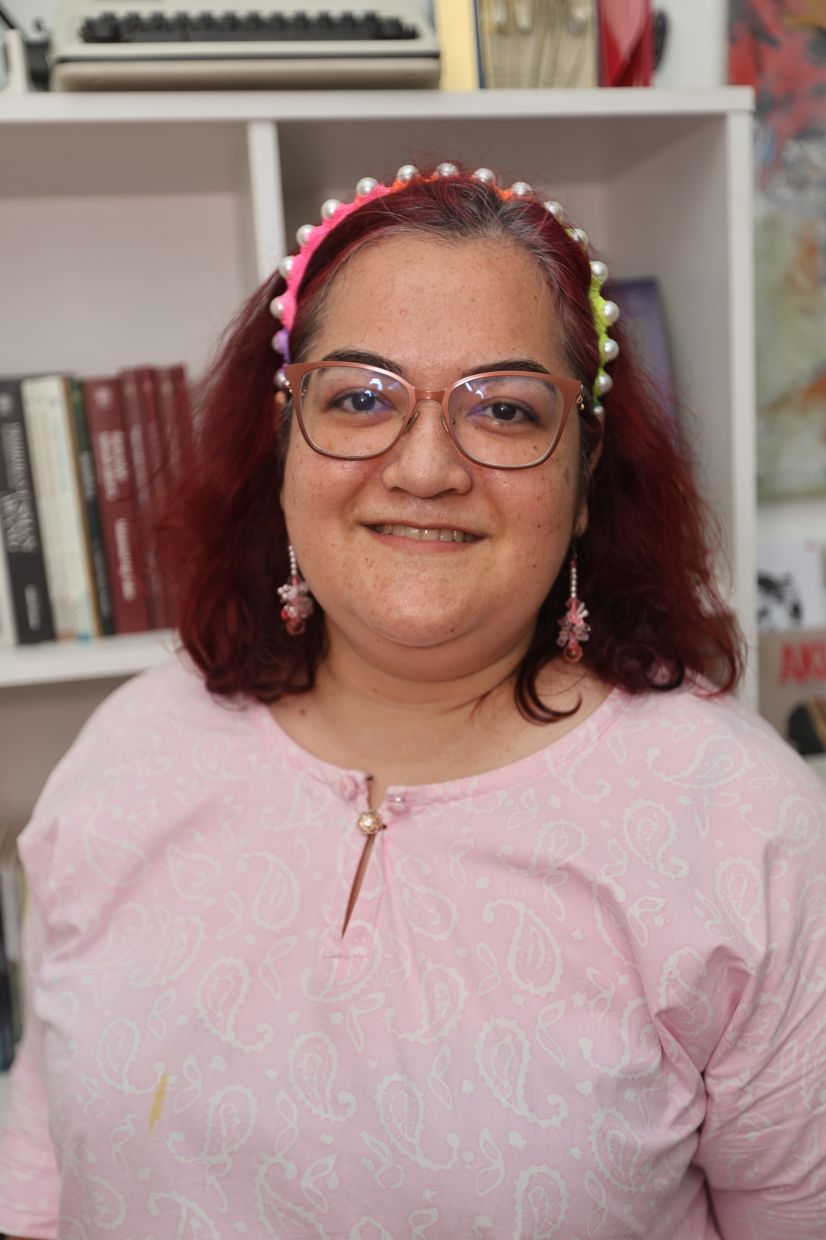
“Whether or not one agrees with what Lafargue says, or considers him ‘naive’ as some critics do, it nevertheless sets us on a path to interrogate our relationship with work and reflect on how we value rest in a work-driven world.
“It did for me, anyway, so I hope other readers will find it as thought-provoking as I did,” says Jason.
Those who have always dreamed of opening up their own bookstore will likely find the panel discussion “Dialogue Across The Languages: Malay, English and Chinese Indie Bookstores At This Time and Age” (on June 27) illuminating, featuring insights from independent bookstore owners Diana Loh (B612 Books & Space), Muhamad Azan Safar (Kawah Buku) and Fong Min Hun (Lit Books).
“At Lit Books, we’re very aware of the fact that the book ecosystem cannot be served by commercial transactions alone – we must also nurture the underlying act of reading,” says Fong.
“It is a subtle idea to communicate, and perhaps one that only readers fully appreciate. My hope is that this festival will challenge attendees to become readers, and significantly expand their horizons,” he concludes.
Instagram: @klreadingfestival.