FOR more than three decades, Taiwan’s renowned Formosa Indigenous Song and Dance Troupe (FISDT) has dedicated itself to preserving and revitalising the songs, dances and cultural traditions of the island’s Indigenous communities, carrying them from the ensemble’s Hualien County base to audiences far beyond.
Drawn from a rich tradition of community and cultural practice, these folk rhythms and communal dances continue to resonate with audiences worldwide.
Last weekend, they were presented at Penang’s George Town Festival, offering audiences a taste of Taiwan through the enduring traditions of its Indigenous music.
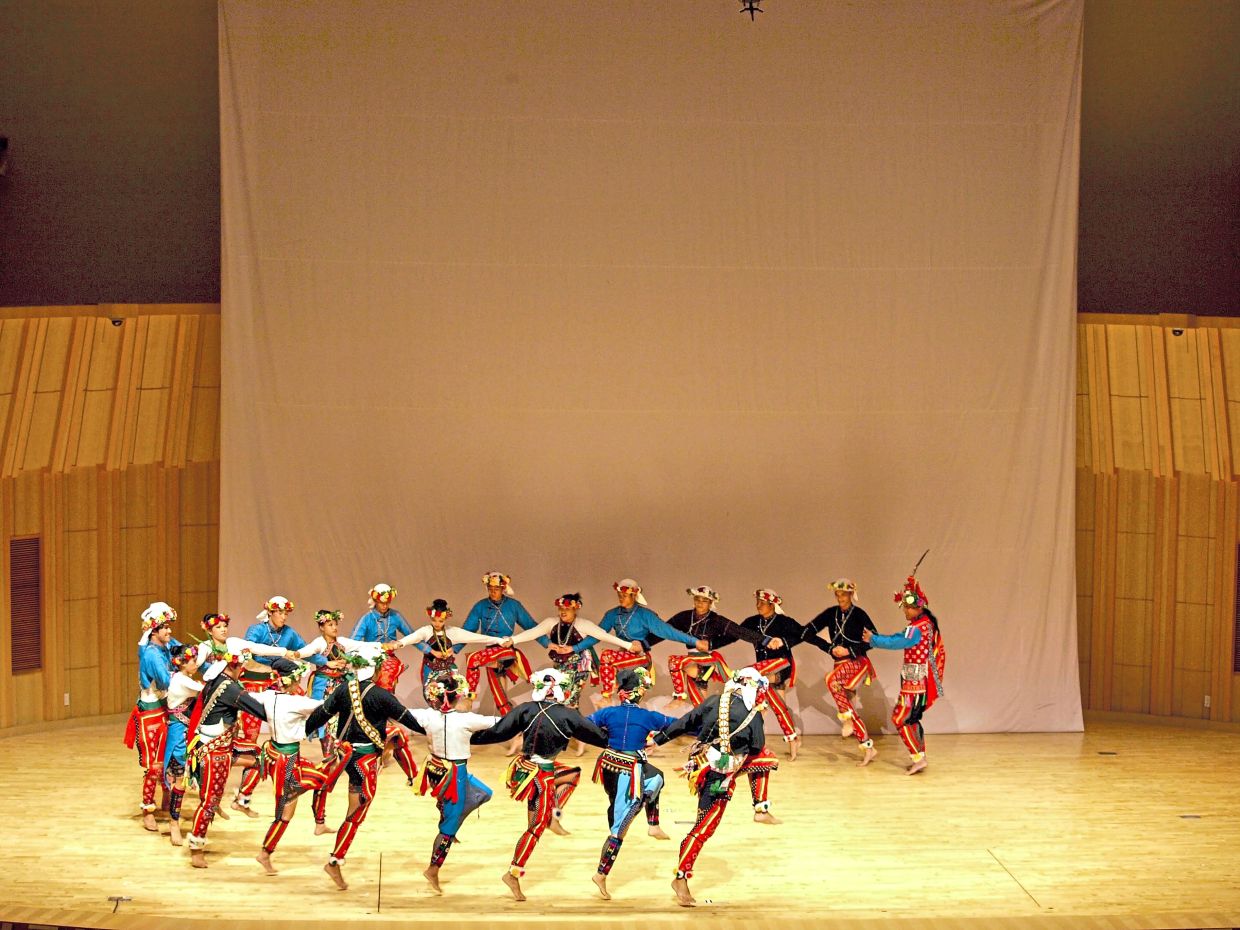
The award-winning FISDT next heads to the Klang Valley, where it will premiere When Spirits Meet at Kuala Lumpur Performing Arts Centre (KLPac), from Aug 14-16.
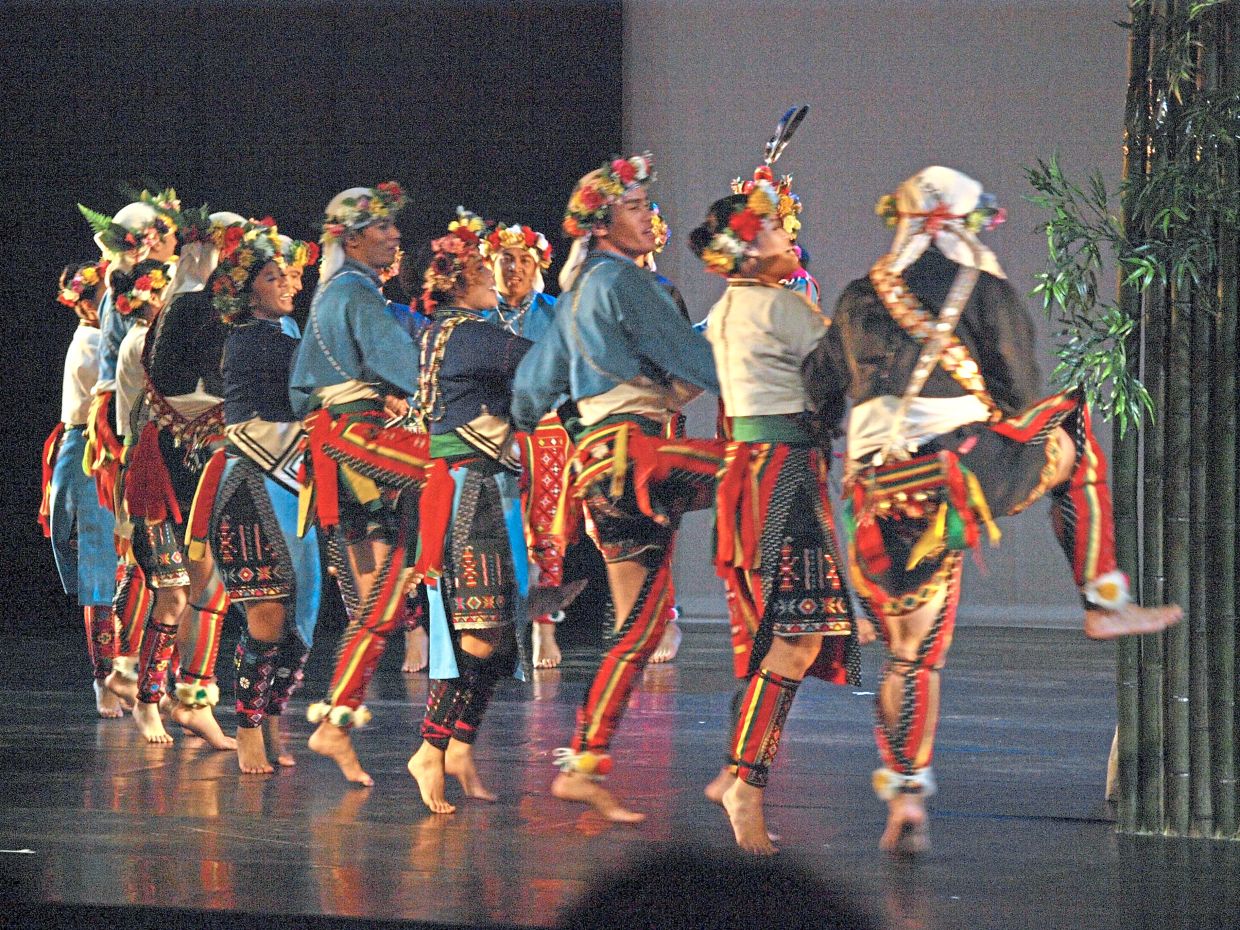
The performance highlights two of Taiwan’s 17 officially recognised Indigenous tribes – the Pinuyumayan of the Puyuma community and the Pangcah of the Kiwit community – exploring their New Year traditions through songs, dances and rituals passed down through generations.
At KLPac, the first half explores the traditions of the Pinuyumayan people, featuring ancient Emayaayam chants from the Mugamut, or Women’s Festival, alongside songs marking the men’s safe return from hunting and key stages of life.
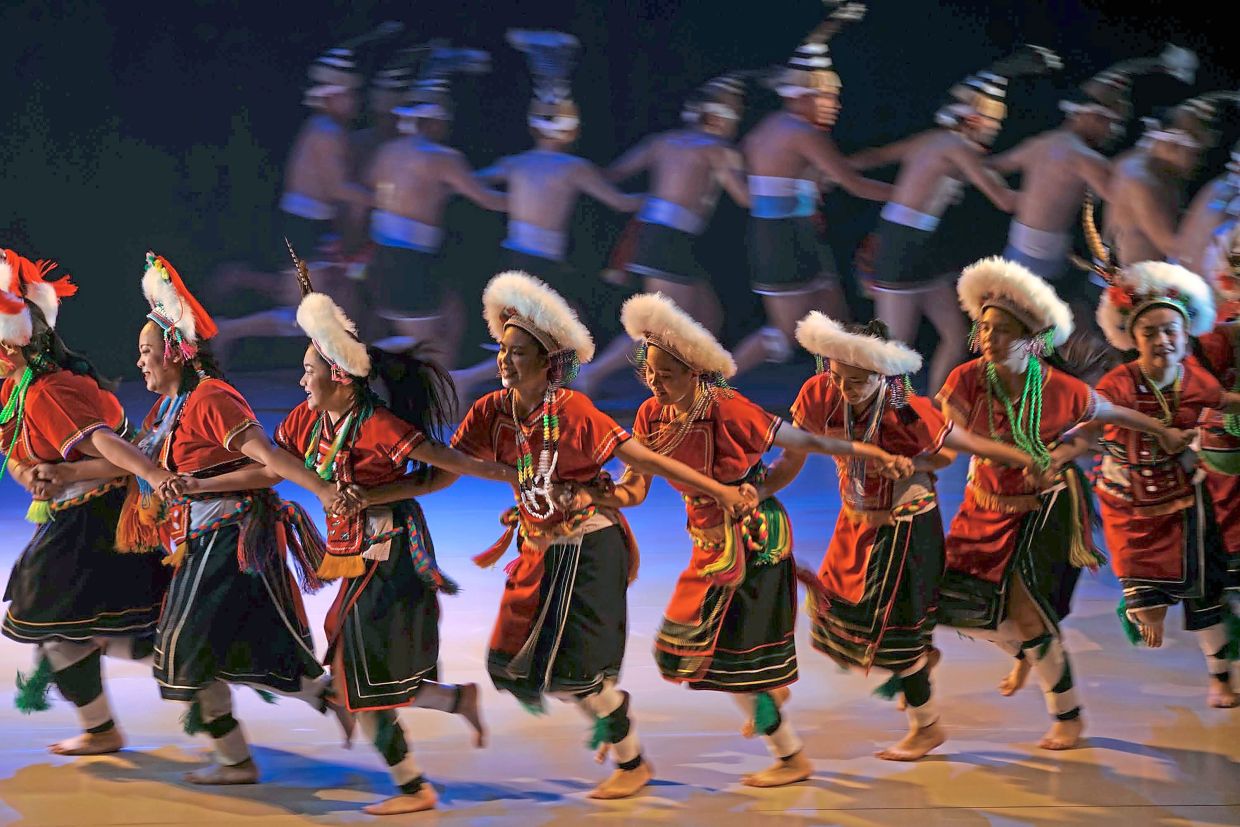
The second half turns to the Pangcah people, with chants tracing their origins and migration, and songs and dances from the Ilisin New Year Ceremony. The celebrations culminate on the final day, when women join the men in song and dance.
When Spirits Meet also marks the fifth collaboration between KLPac and the Taipei Economic and Cultural Office in Malaysia, with support from Taiwan’s Ministry of Culture.
Led by FISDT co-founder and artistic director Faidaw Fagod, 72, the ensemble brings together young Indigenous performers from diverse backgrounds, united by a commitment to preserving and revitalising their cultural heritage through guidance from anthropologists and tribal elders and immersion in community life.
Reclaiming their identity
Founded in 1991, the FISDT was formed during a significant period in Taiwan when social movements, local identity and Indigenous rights were gaining significant momentum.
“The establishment of the troupe marked an important milestone in the growing cultural consciousness of Taiwan’s Indigenous peoples, and their efforts to reclaim their own voice and identity,” says Faidaw in an interview ahead of the group’s shows in Malaysia.
At the time, public understanding of Taiwan’s Indigenous culture was largely shaped by tourist attractions such as the Formosan Aboriginal Culture Village, where performances were often simplified, commercialised or presented without their original cultural context.
“Meanwhile, many young Indigenous people who had left their communities to work in the cities were gradually losing their connection with their rituals, songs and dances,” he adds.
FISDT was founded to challenge the perception of Indigenous performance as mere entertainment, hospitality or festivity.
Instead, the troupe brings ceremonial songs and dances to the stage, offering audiences a deeper understanding of the social structures, cultural practices and relationship with nature that underpin these traditions.
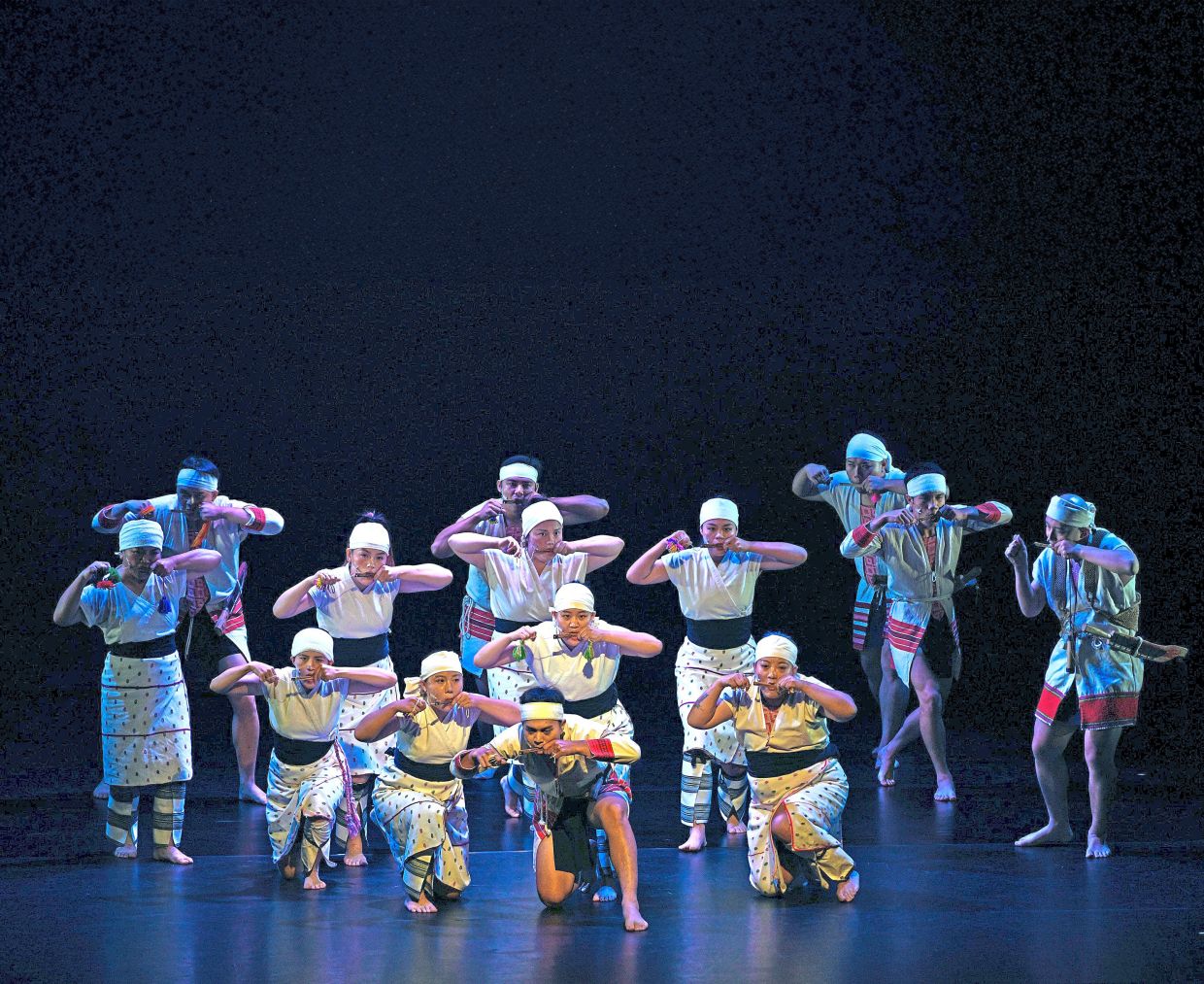
At the recent George Town Festival, FISDT focused on the rituals of the Truku and Amis peoples, while the upcoming KLPac show turns its attention to the songs, dances and traditions of the Pinuyumayan and Pangcah communities.
Over the years, FISDT has brought global audiences rare insight into Taiwan’s Indigenous traditions, underpinned by its rigorous fieldwork.
Each production, says Faidaw, is developed with the community’s consent, with the troupe working alongside tribal elders to document traditional songs, learn dances and record the details and meanings of each ritual.
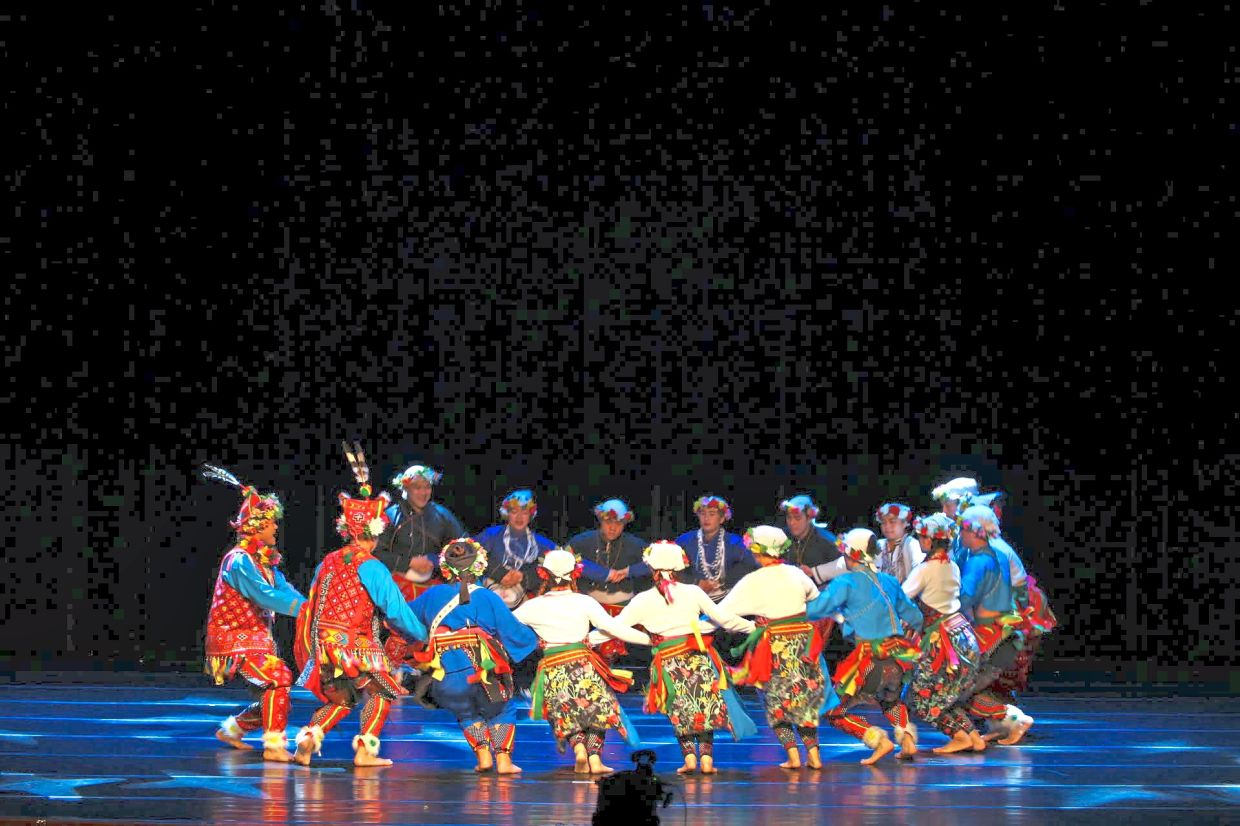
Since its founding, more than 1,000 participants have taken part in FISDT’s productions and projects.
As Indigenous arts and theatre evolve, Faidaw says the ensemble has adapted its operations to ensure a sustainable future.
FISDT currently has no full-time performers, instead working with a core group of about 12 part-time dancers, mostly in their 20s. Most are from the Pangcah (Amis) tribe, with others of mixed Truku and Tao heritage, as well as Pinuyumayan, Rukai and Atayal backgrounds.
Community ties
Throughout its long history, FISDT has witnessed the evolution of Taiwan’s Indigenous movement while changing alongside it.
“Today, young Indigenous people are growing up in a society where information is more accessible, opportunities for cultural engagement are more diverse, and awareness of Indigenous identity is much stronger than before,” says Faidaw, an Amis Indigenous artist, choreographer and cultural advocate from the Longchang tribe in Taitung, Taiwan.
To inspire young people to engage with their culture, FISDT continues to explore new approaches and perspectives that resonate with contemporary youth, particularly through a performing arts lens.
“Young generations today care deeply about issues such as environmental sustainability, gender equality and Indigenous identity in urban society. We are trying to guide them, as theatre is a powerful platform where they can connect traditional knowledge with contemporary issues, allowing Indigenous songs and dances to become not only a way of preserving history, but also a means of expressing their voices and perspectives,” he adds.
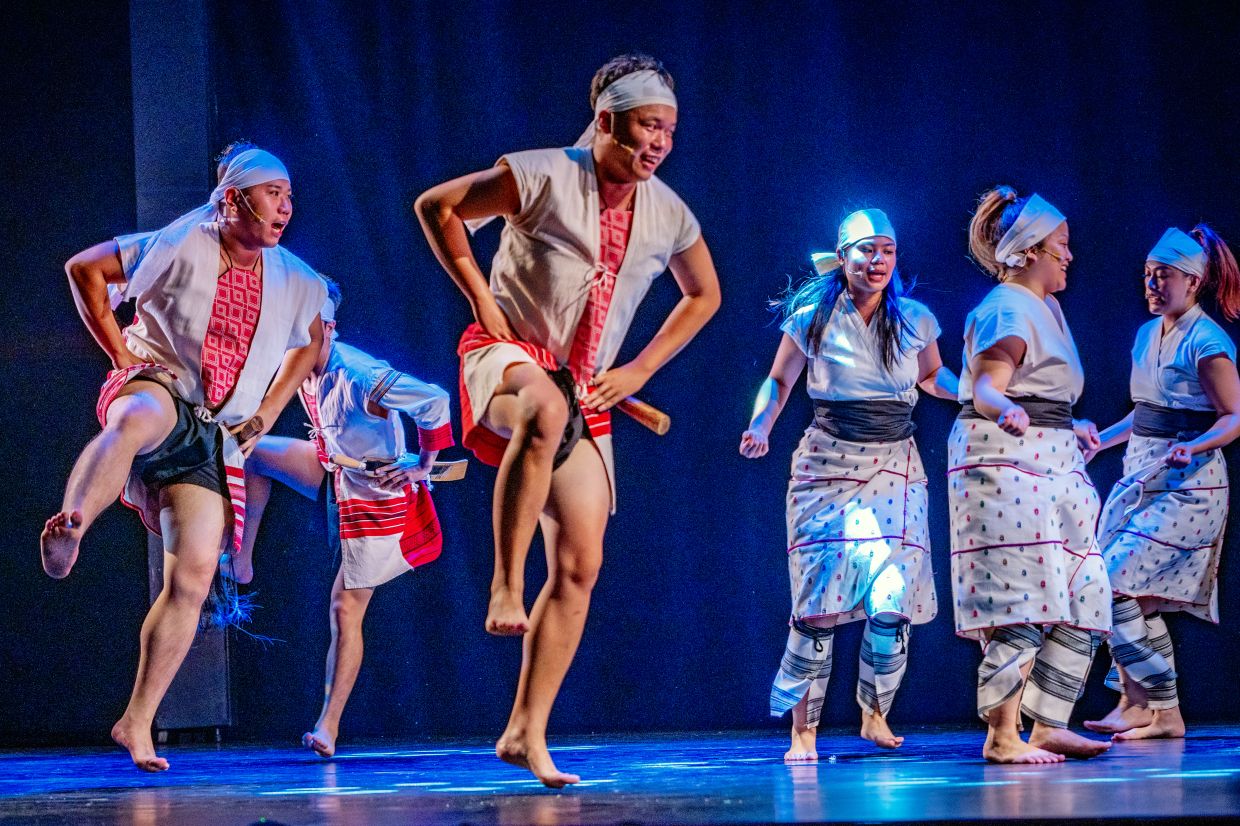
Faidaw acknowledges that while Indigenous culture is now more accessible through online videos and short-term workshops, much of the knowledge remains fragmented. He notes that FISDT’s base in Hualien County, home to the Truku and Amis peoples, keeps the troupe closely connected to surrounding communities and their living traditions.
“FISDT’s greatest strength lies in its tradition of doing field research and community engagement. We continue to bring young people into Indigenous communities, or simply accompany them back to their own communities, so they can experience their culture.
“The deep relationships they build with the land, tribal elders and community life cannot be replicated online or in a classroom,” says Faidaw.
FISDT member Isiu Sinko, 21, who is of Amis and Saisiyat heritage, says her time with the troupe has revealed new possibilities for artistic and physical expression.
“My Indigenous heritage is the most precious gift that my parents have given me. With every rehearsal, every step and every song, I feel a little closer to them. I believe that what I perform is not merely dance, but it embodies the resilience, cultural identity and Indigenous pride that they taught me,” she says.
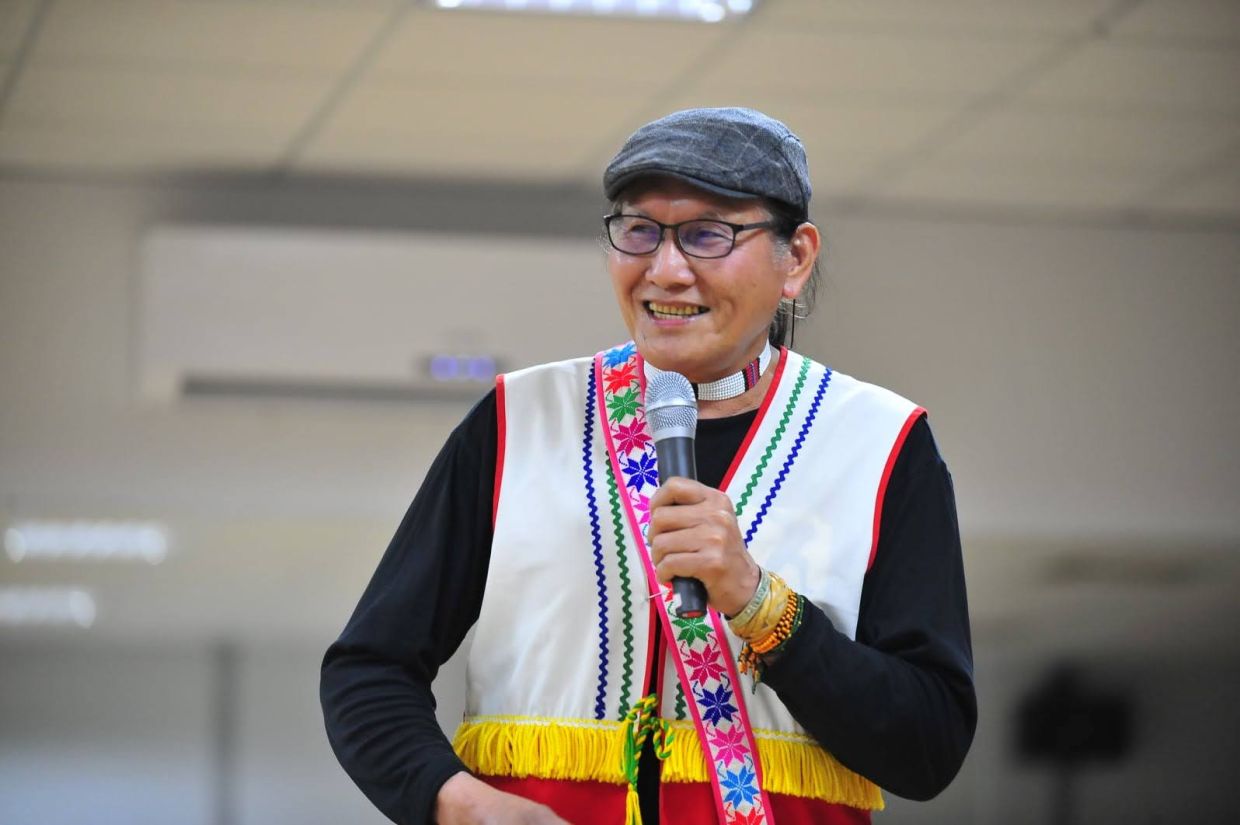
For Faidaw, seeing a new generation carry FISDT’s mission forward is reward enough. He says the troupe’s greatest achievement is having helped generations of Indigenous youth discover their cultural roots, strengthen their sense of identity and gain the confidence to keep their traditions alive.
“Many former members have gone on to become musicians, incorporating Indigenous languages and cultural stories into their work. Artists such as Suming Rupi, Ilid Kaolo and Panai Kusui have earned recognition in Taiwan’s music scene.
“Others have returned to their communities to lead local development initiatives, founded performing arts groups such as Langasan Theatre and TAI Body Theatre, or devoted themselves to education and nurturing the next generation.
“More than a dance troupe, FISDT has become a cultural home. That is what we are most proud of,” he concludes.
When Spirits Meet, performed by the Formosa Indigenous Song and Dance Troupe, runs at Pentas 1, KLPac, from Aug 14–16. More info: cloudjoi.com.