Before the instant message, there was the letter – and with it came the luxury of time. Writing one demanded deliberation: words had to be chosen carefully, sentences considered, and feelings committed to paper.
Once the envelope was sealed and posted, there was little left to do but wait. That period of uncertainty – the quiet stretch between sending and receiving – was itself part of the experience, imbued with anticipation, longing and possibility.
A Letter, a community-sourced exhibition at Papan Haus in Section 14, Petaling Jaya, running through Aug 15, offers visitors a chance to rediscover this more intimate form of communication.
A two-storey terrace house reimagined as a gallery and community space, Papan Haus provides an ideal setting for an exhibition centred on letters, with works displayed across several rooms of the venue.
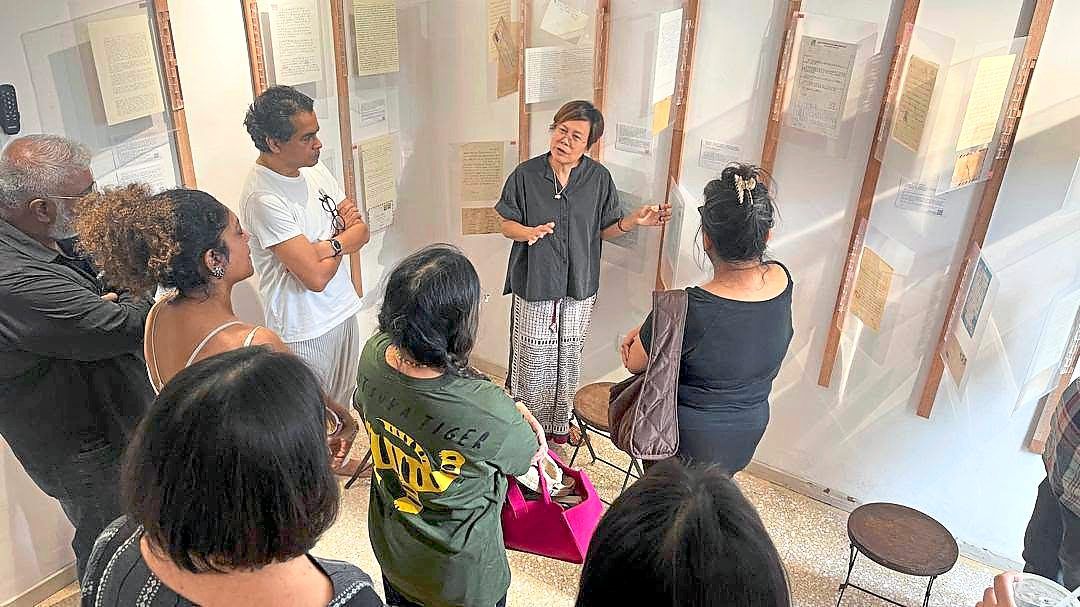
This time-capsule of a Malaysian exhibition brings together a collection of 100 personal letters, dating back to the 1960s.
Even if you have not experienced sending or receiving a letter, this exhibition shows you how distance did not stop people from sharing how they felt, bringing us closer to a generation that poured their hearts out on pen and paper.
Pam Lim, one of the project’s curators, notes that the exhibition took two years to complete, as the process of collecting the letters required considerable time, trust and patience.
“As handwritten letters became less common from around 2000 onwards, we at Papan Haus focused mainly on people in their 30s and above who had experienced letter writing as an important form of communication. Over time, the project grew beyond our original network, evolving into a collective archive of shared memories and human connections,” said Lim during a recent walkthrough of the exhibition.
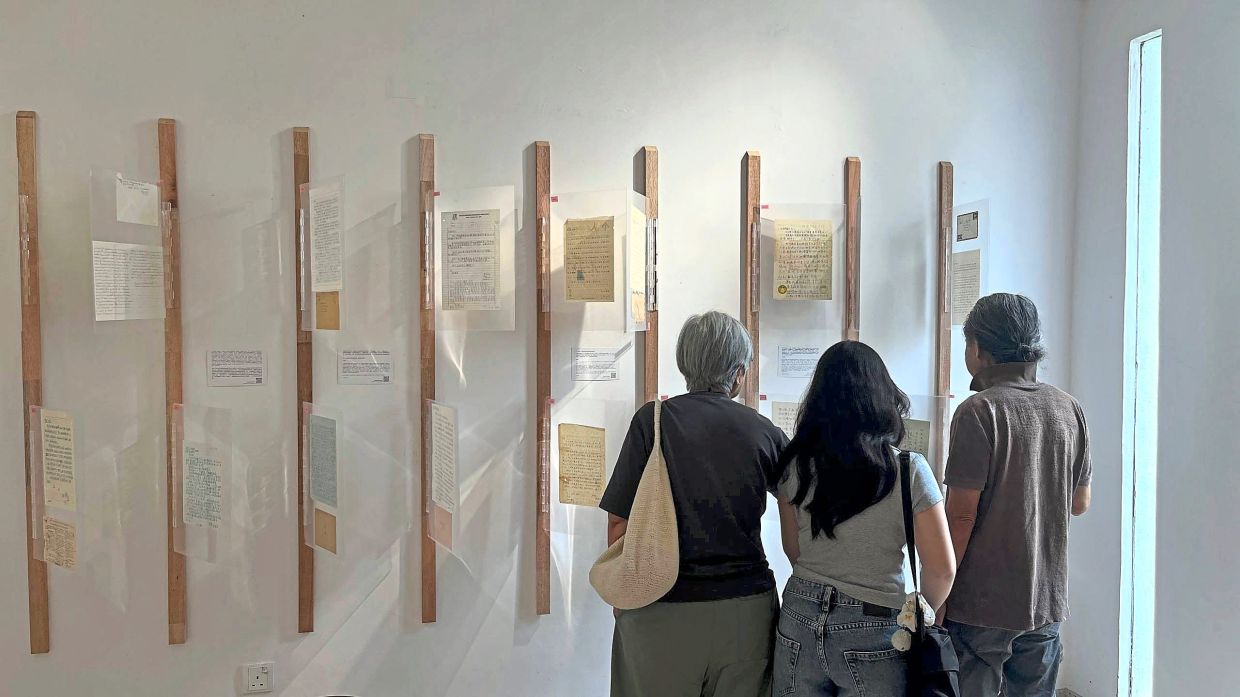
“We also explored different ways of displaying the letters, particularly those written on both sides, so visitors could appreciate them without losing any part of the content. We also incorporated personal objects and memorabilia contributed alongside some of the letters, creating installations that offer greater context and make the stories more immersive and personal,” she added.
Set within an actual house, the exhibition takes on a distinctly homespun character. The collection spans a diverse range of correspondence, including Qiaopi (overseas Chinese family remittance letters), teacher-student exchanges, private letters between friends, official correspondence and farewell letters.
Contributors come from varied backgrounds, including members of the public, artists, medical professionals and educators, with letters written in multiple languages.
Selected letters are accompanied by bilingual Chinese-English translations and audio versions, accessible via QR codes on site.
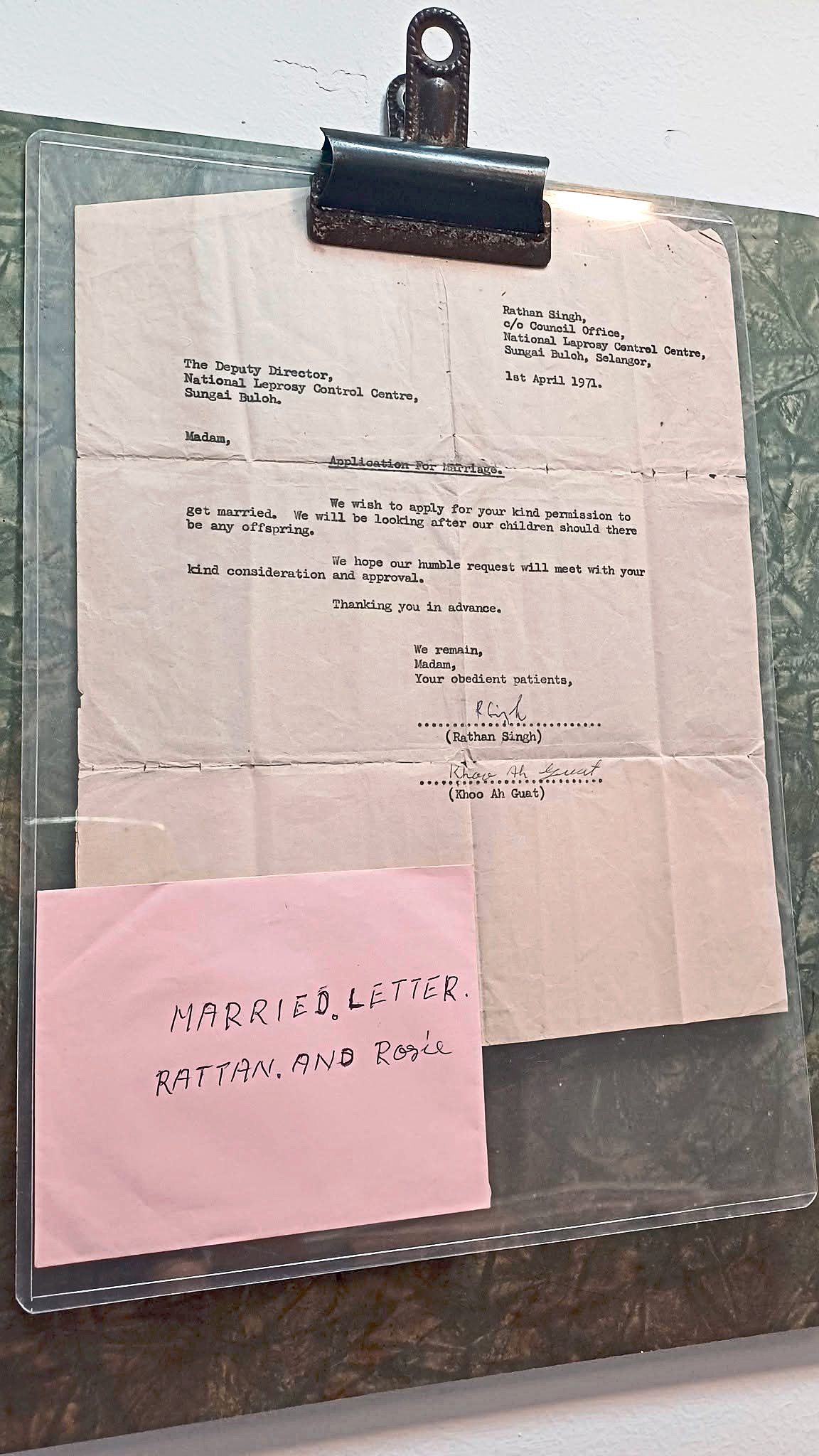
“One of the most meaningful responses we received came from a visitor who reflected on the significance of physical media in an increasingly digital age. They observed that handwritten letters carry a different emotional weight from the text messages we exchange today,” said Lim.
“In the past, when we wrote to our parents, children, friends or loved ones, we took the time to share the details of our daily lives, as well as our thoughts and feelings. Letters were often lengthy and deeply personal. They conveyed not only what we wanted to say, but also the time, care and thought we invested in the person receiving them,” she added.
Today, communication is considerably faster, with most messages tending to be brief, immediate and often practical. While this convenience has transformed the way we connect, it does not always carry the same warmth or emotional depth as a handwritten letter. Against this backdrop, the exhibition also coincides with a modest but notable revival of letter writing, as more people rediscover the value of putting thoughts to paper and taking the time to communicate by hand.
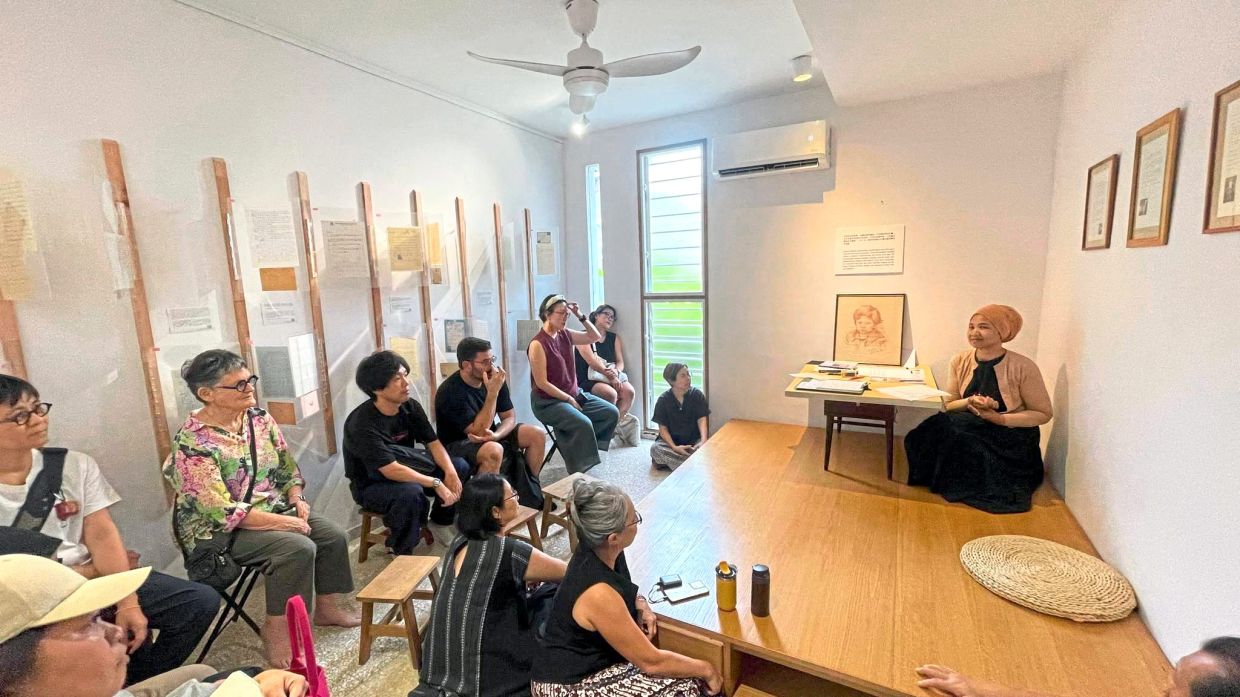
“Through this exhibition, we hope to remind people of the value of heartfelt communication. A handwritten letter gives us the space to express ourselves more sincerely, creating a sense of warmth and connection that digital messages can sometimes lack,” said Lim.
“There are also many shared memories associated with letter writing – the anticipation of composing a letter, waiting for a reply, choosing the right words and paper, and keeping letters as personal keepsakes. These seemingly small acts created a distinct form of connection, one that many people still remember fondly,” she added.
A programme of talks and workshops will run on consecutive Saturdays and Sundays, featuring artists, theatre practitioners, educators and community leaders exploring the personal significance of letters from diverse perspectives. Visitors can also write letters on site and make use of the exhibition’s letter-posting service.
A suggested donation of RM25 applies to visitors aged 15 and above, covering unlimited return visits throughout the exhibition and admission to all talks and workshops.
Open daily – weekdays from 1pm to 6pm and weekends from 11am to 8pm – the exhibition also offers guided tours led by its curators, providing visitors with further context and insight into the letters on display.
More info here.