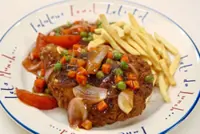
GO to any Western food stall at a local coffeeshop and chances are, you will find Hainanese chicken chop on the menu.
Despite its name, it neither originated from the Hainan province in China nor qualifies as Western cuisine in the strictest sense.
The dish was created by Hainanese settlers in Malaya during the British colonial period.
Arriving later than other Chinese communities, many Hainanese missed out on work in mining, agriculture and trade.
Instead, they found employment as cooks, domestic helpers and coffeeshop operators, often preparing meals for British colonial officers and expatriates.
To suit British tastes, dishes featuring meat, potatoes and gravy became staples.
Using available ingredients and familiar techniques, the Hainanese cooks adapted Western-style breaded cutlets and sauces, giving rise to dishes such as chicken chop and lamb chop.
Over time, these dishes became part of the local culinary landscape, especially in a kopitiam.
As far as I can remember, my mother prepared chicken chop only once when we were young.
Back then, chickens were sold whole and making chicken chop for a family meant buying several birds just to use the leg quarters.
It was hardly an economical choice for a household kitchen.
Today, the poultry market has changed considerably.
Chicken leg quarters are readily available, and most butchers are happy to debone them on request, making this once-special dish far more accessible to home cooks.
One enduring British influence in this dish is Worcestershire sauce.
Invented by pharmacists John Wheeley Lea and William Henry Perrins in Worcester, England, and commercialised in 1837, it was the first sauce to bear the Worcestershire name.
Lea and Perrins’ exact recipe remains a closely guarded secret, but it is known to include vinegar, salt, molasses, garlic, shallots and crucially, anchovies.
According to company lore, the first batch was deemed so unpleasant that it was abandoned in a basement for 18 months.
When it was eventually rediscovered and tasted, the long fermentation had transformed it into a mellow, savoury sauce.
It was bottled soon after and went on to become the world’s most recognisable Worcestershire sauce.
Paired with crispy breaded chicken, fries and a sweet-savoury tomato-based gravy, it remains a comforting reminder of how colonial history quietly shaped everyday Malaysian food.
Hainanese chicken chop
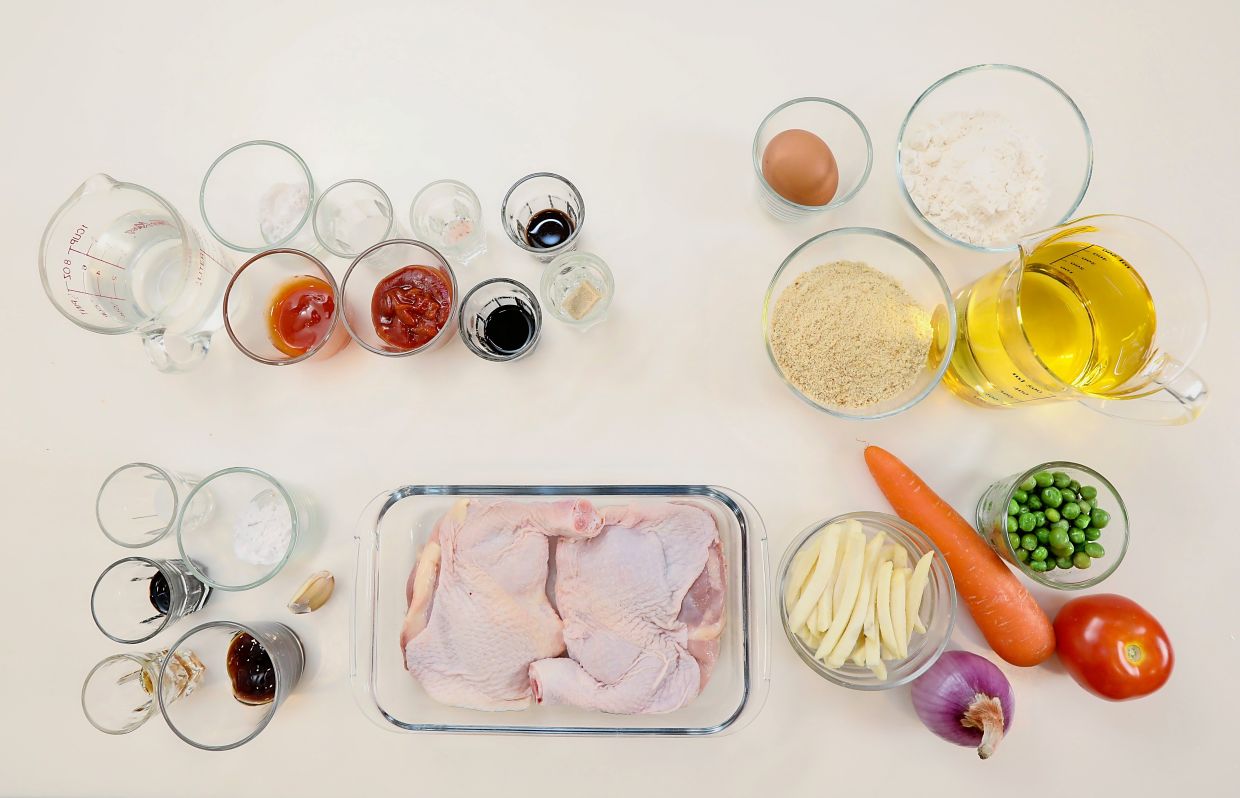
Marinade
2 chicken chops
1 clove garlic, finely minced
2 tsp cornflour
1 tsp soy sauce
1 tsp sesame oil
2 tsp oyster sauce
1 tsp granulated sugar
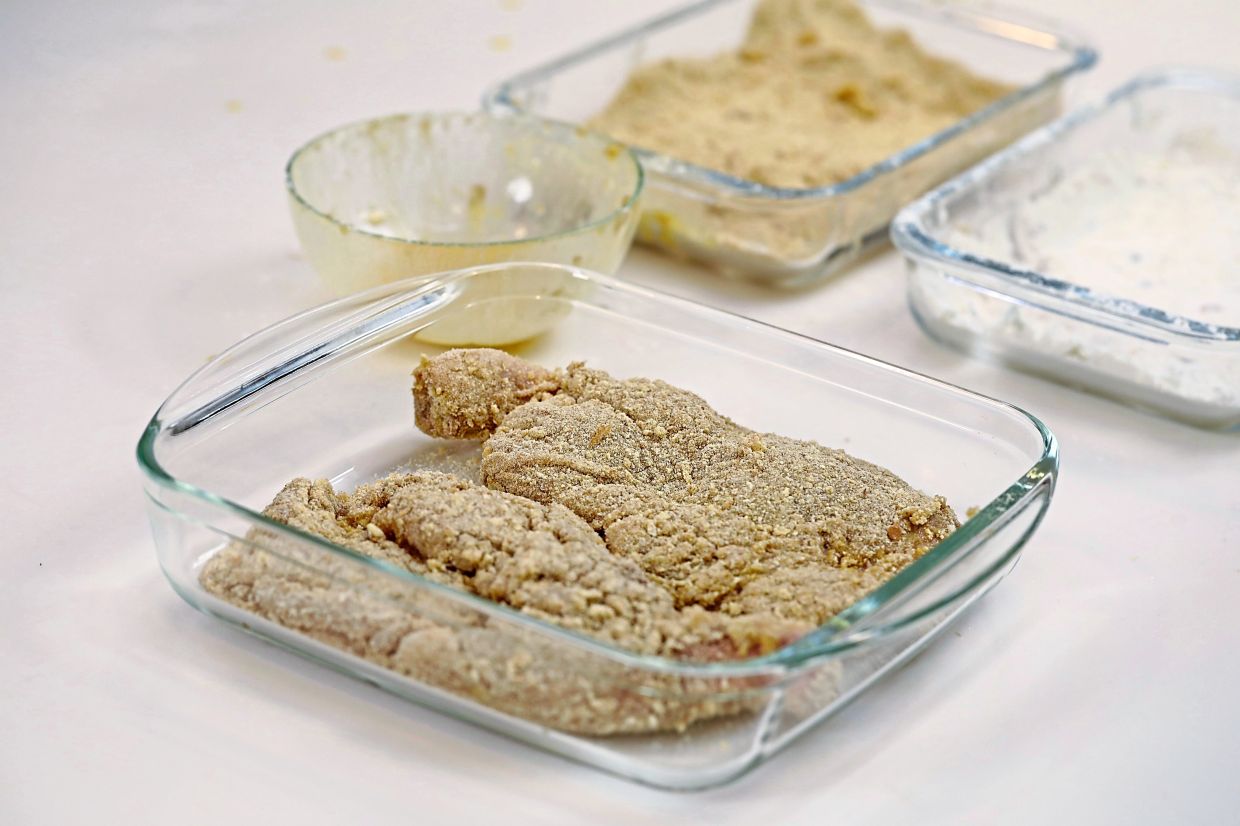
Breading
½ cup all-purpose flour
1 egg, beaten
1 cup breadcrumbs
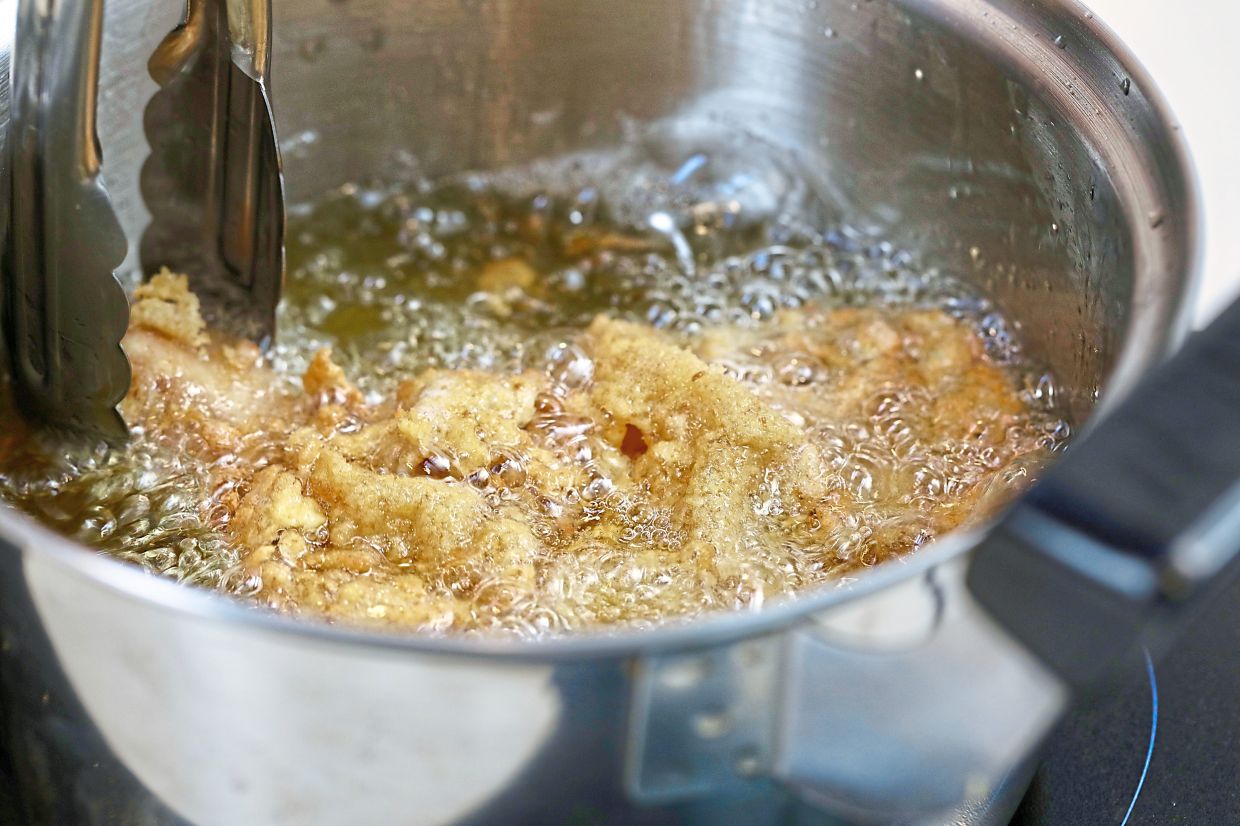
Oil for frying
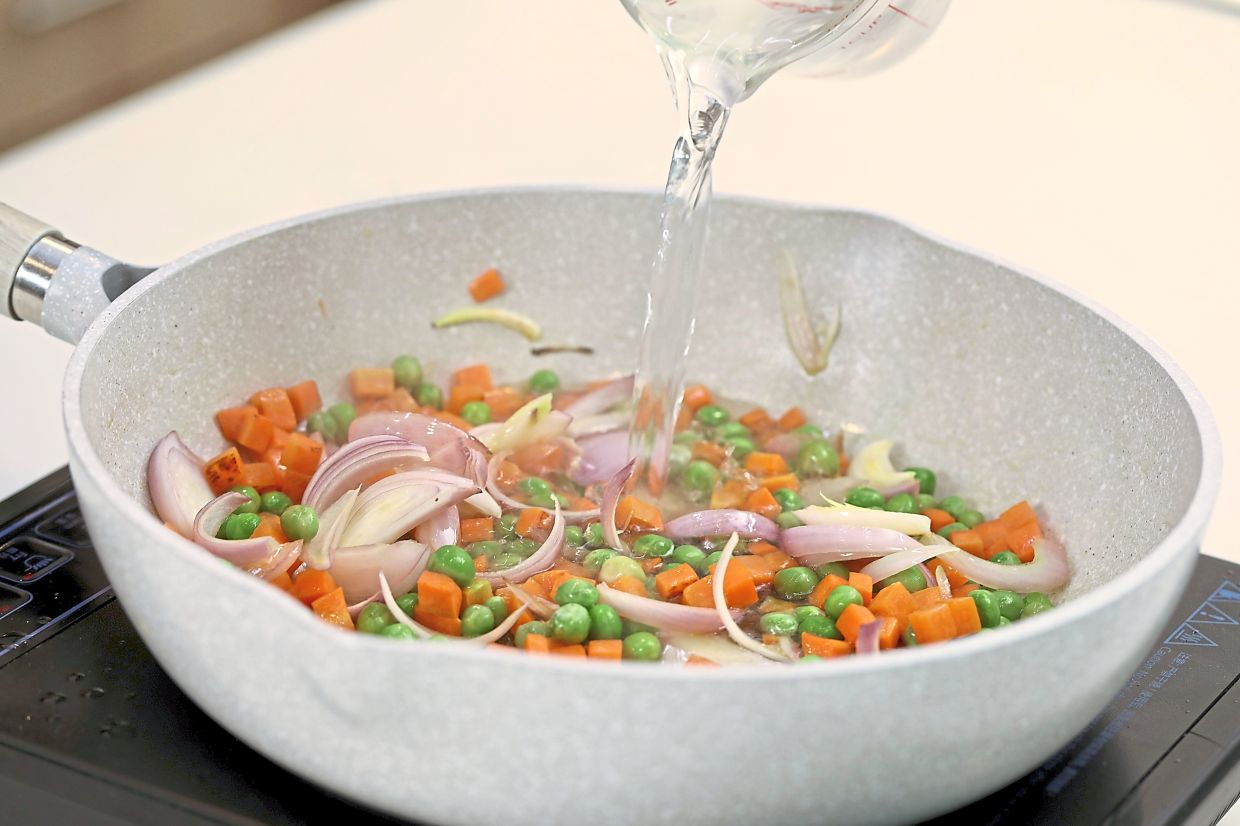
Sauce
2 tbsp cooking oil
1 stalk carrot, diced
1 red onion, sliced
1 cup frozen green peas
1 cup water
¼ cup tomato sauce
2 tbsp chilli sauce
2 tsp soy sauce
1 tsp Worcestershire sauce
1 tsp sugar
½ tsp chicken bouillon
¼ tsp salt, or to taste
1 tomato, cut into wedges
2 tsp cornflour mixed with 1 tbsp cold water
Accompaniment
2 portions French fries (about 100g per serving)
Directions
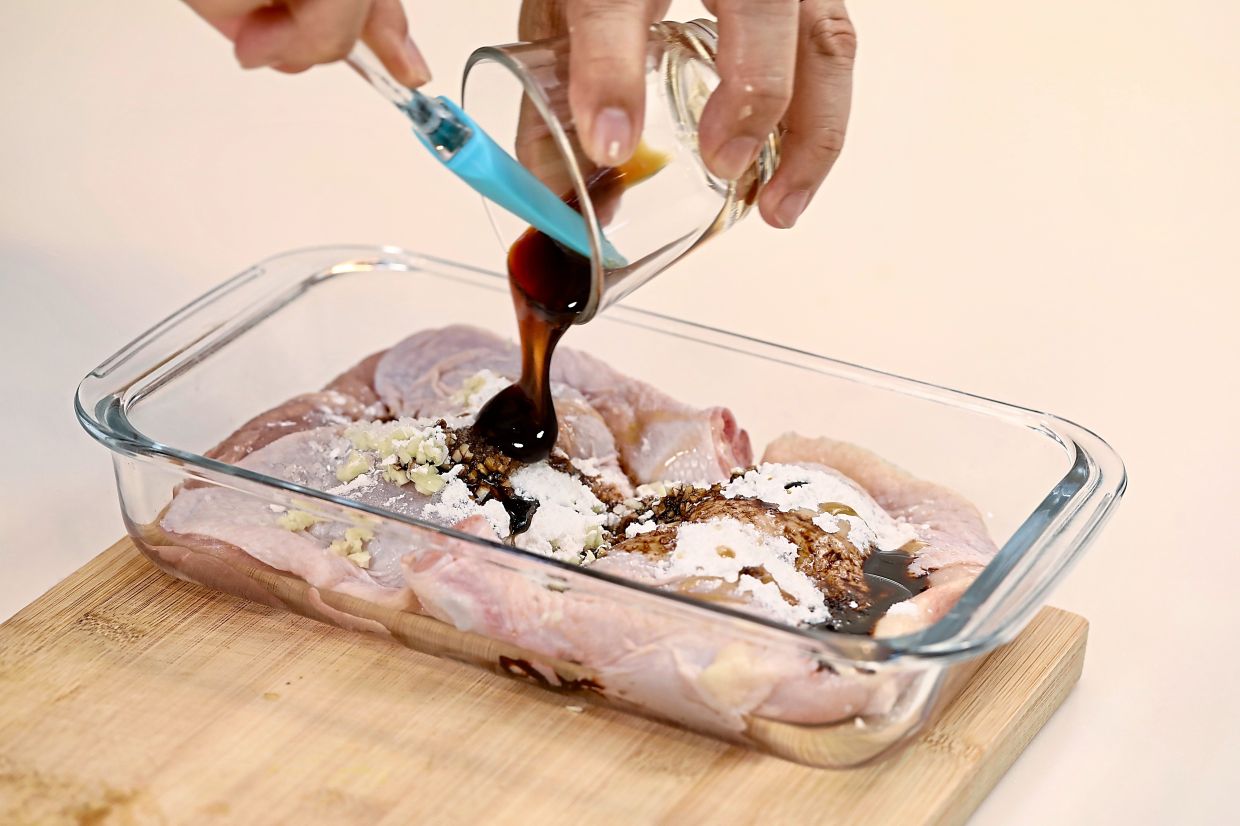
Combine all the marinade ingredients and marinate the chicken for 15 minutes.
Place the flour, beaten egg and breadcrumbs in separate bowls.
Dredge the marinated chicken in flour, dip into egg, then coat with breadcrumbs.
Heat oil to medium and fry the chicken until golden brown and crisp. Fry the French fries, season lightly with salt and set aside.
In a pan, heat a little oil and saute the carrots until lightly wilted, then toss in onions and green peas.
Add the sauce mixture, tomato wedges and simmer until the vegetables are cooked. Stir in the cornflour slurry to thicken.
Spoon the sauce over the chicken and serve with fries and extra Worcestershire sauce on the side.