YOU’VE perfected your signature dish. Your family and friends can’t stop raving about it. They keep asking the same question: “When are you opening your own restaurant?”
For many aspiring chefs and bakers, turning a passion for food into a business feels like the natural next step. But creating great food is only the beginning.
Building a successful food venture requires a different set of skills – from understanding costs and operations to developing a strong brand, managing finances and adapting to changing customer expectations.
The challenge, then, is learning how to think not only like a chef, but like an entrepreneur.
It is a gap that Sunway Le Cordon Bleu hopes to bridge with its new Diploma in Culinary Entrepreneurship – Food Business Incubator Programme.
The three-month intensive programme helps budding food entrepreneurs turn their ideas into market-ready ventures through hands-on learning, research and development (R&D) of their signature products, mentorship and industry feedback.
It also combines culinary expertise with practical business knowledge.
From chef to business owner
For Chef Amelia Ng, founder and chef patron of Cleaver Shed and the newly opened Urban Pantry, opening her own restaurant revealed the many challenges that come with running a business.
The award-winning Sunway Le Cordon Bleu alumna, who worked across hotels, casual and fine dining restaurants for more than 10 years, including a year in Paris, discovered first-hand just how much goes into running a restaurant.
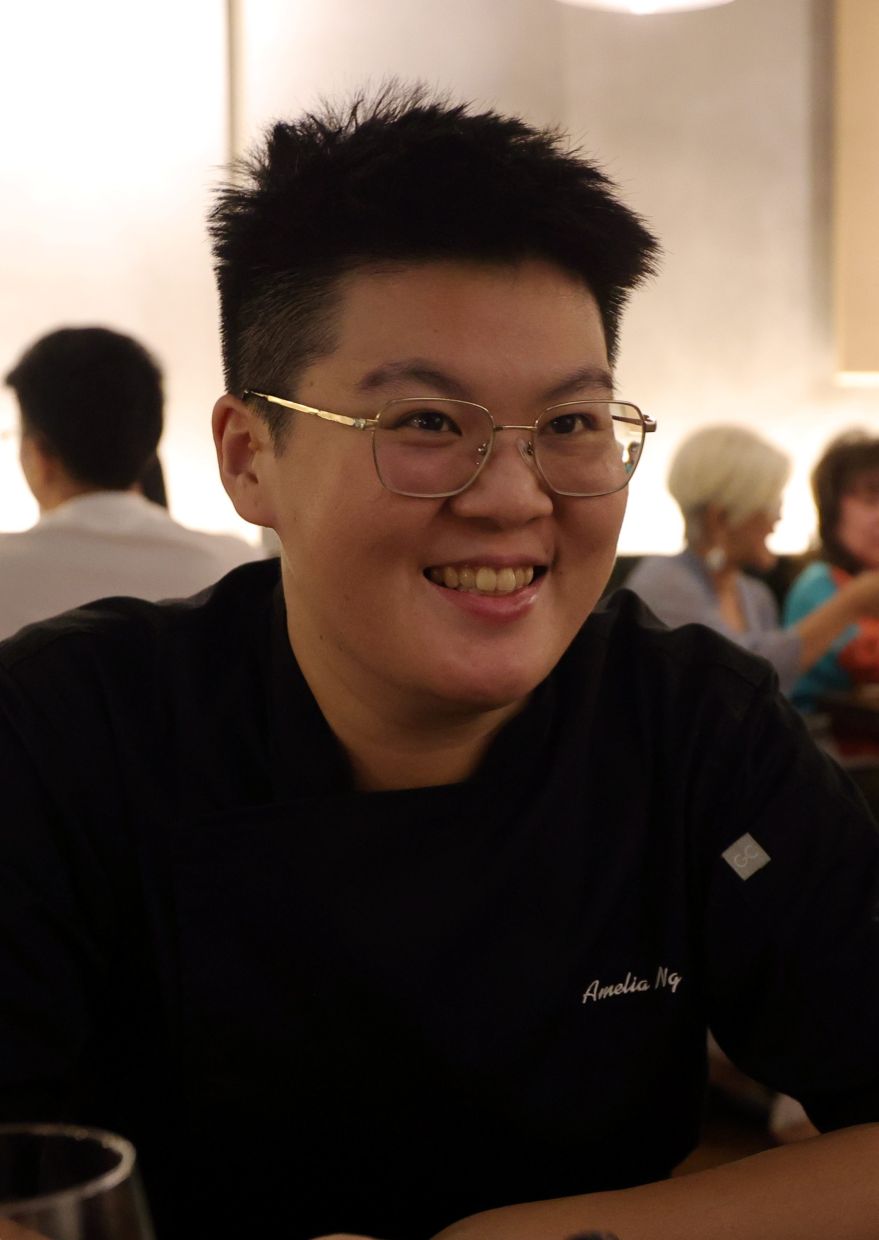
“Personally, the biggest challenge was realising that running a restaurant is about so much more than cooking,” shares Ng, who opened Cleaver Shed – a cosy, unfussy steakhouse in Kuala Lumpur in 2024.
She admits she had to quickly master strategy, marketing, finance, operations and leadership, all while running the restaurant.
“Looking back, I wish I'd had a stronger grasp of finance, especially things like forecasting, budgeting and managing cash flow. Those were lessons I had to learn through the many bumps in the road,” she confides.
Fellow Le Cordon Bleu alumnus, Tan Chun Liang – known more fondly as Chef Liang – admits that one of the lessons was understanding just how quickly the economics of a food business can change.
Liang, who runs Malaysian fusion restaurant Red Red Botak Head, says he wishes he had started with a more comprehensive understanding of the constantly changing food cost landscape, where everything from major festive periods to fuel prices and the rainy season can affect costs.
“I’ve learnt to change my menu on a regular basis to evolve with this changing landscape and keep the business in a good place,” he shares.
These are among the practical realities the Diploma in Culinary Entrepreneurship programme aims to prepare participants for, through modules covering areas such as Food Business Start Up, Business Operations, Business Plan Project, Menu Engineering and Costing, Food Styling, E-commerce and Halal Certification.
Thinking like a business owner
Financial knowledge is only one part of running a successful food business.
Participants in the programme will explore areas that have a significant impact on any food business – including Food Safety and Hygiene, Signature Product R&D, Legal Frameworks, as well as Concept Branding and Marketing.
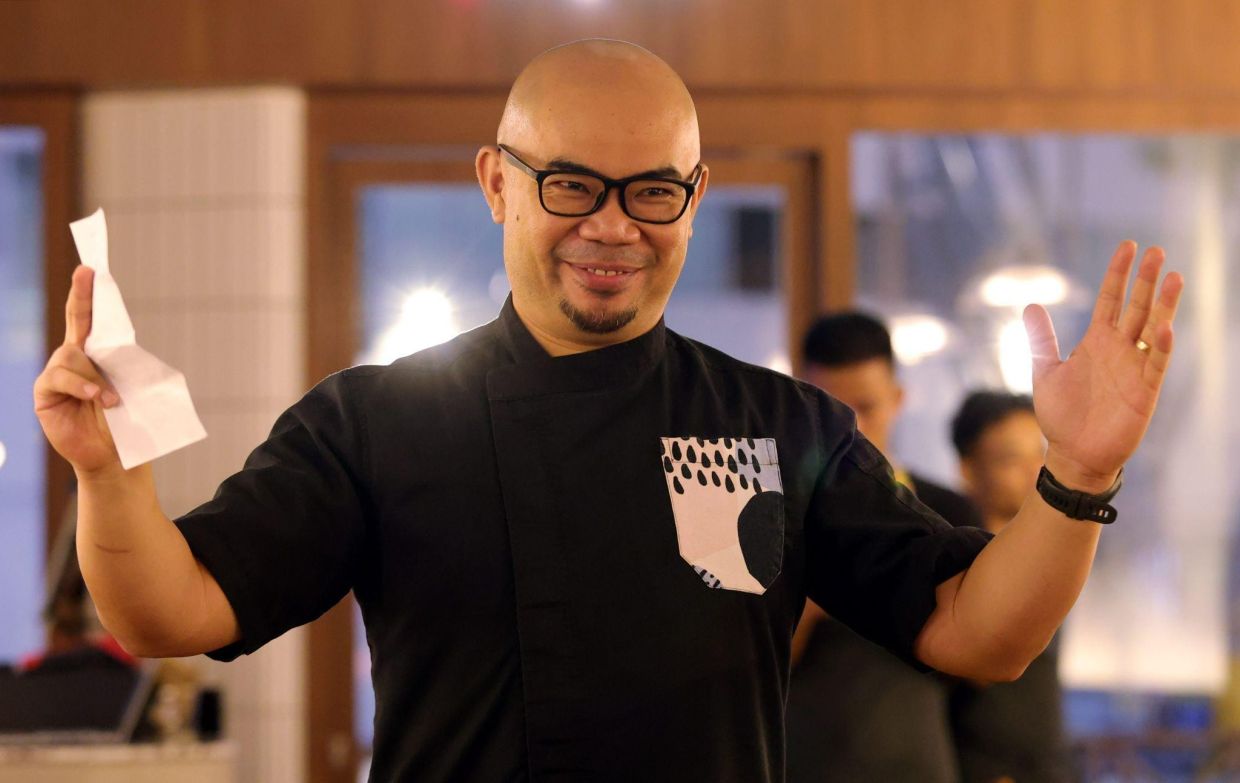
For Liang, these are not simply additional skills, but fundamental to surviving in the industry.
“Branding, financial literacy and legal awareness are key pillars to survival in a tough industry. In any given day at any given time, all three components will come into play. It’s always best to be prepared.”
Why an incubator can make a difference
Knowing how to run a food business is one thing, but knowing where to start is another.
An incubator gives aspiring entrepreneurs a safe place to test their ideas before starting a business on their own.
With guidance from mentors, practical training and feedback from industry professionals, participants can develop their ideas and learn what it takes to turn them into a real food business.
When Liang decided to make the career switch, he enrolled at Le Cordon Bleu because he wanted to prepare himself properly for the transition.
He describes himself then as someone with “a dream but no (proper) skills”.
“At Le Cordon Bleu, I was exposed not just to recipes and methods of cooking, but also key facets of running a restaurant like storage, consistency through training, portioning and costing, teamwork and motivation, menu development,” he explains.
Turning ideas into action
One of the programme’s key features is the opportunity to put those ideas to the test.
Participants will pitch their business concepts to industry experts and the public, gaining feedback to refine them before taking them further.
Liang says this kind of external feedback can be particularly valuable for new chefs and bakers, who can sometimes become too focused on what they want to create rather than what customers actually want.
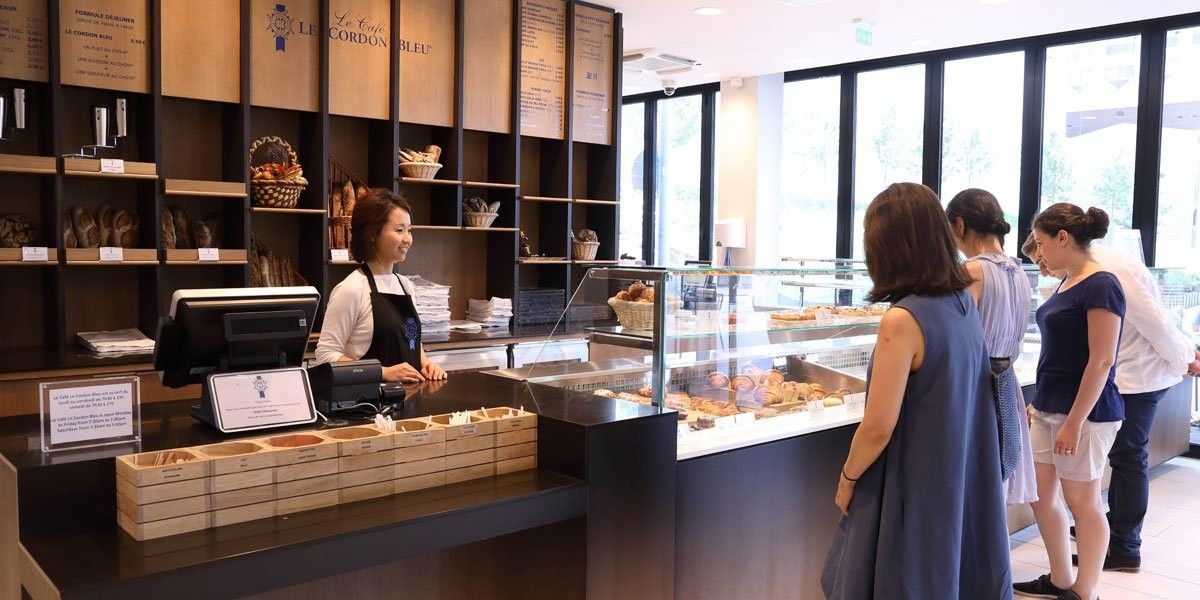
“New chefs and bakers often get caught in a ‘syiok sendiri’ cycle. They often do what they want to do, not what the market wants. And that gap catches up with the business very quickly,” he observes.
“Listening, getting feedback, working on said feedback is very valuable. It essentially is the make or break of any business,” he adds.
Ng agrees that having access to that kind of feedback early can make a significant difference.
“I think it'll be incredibly valuable for anyone taking part in this diploma,” she shares.
Honest feedback, even when it's hard to hear, she stresses, is one of the best ways to improve.
“In this case the people giving that feedback genuinely want you to succeed, while also helping you meet the high standards of Le Cordon Bleu,” says Ng.
A roadmap for what comes next
Le Cordon Bleu Malaysia’s Technical and Academic director, Chef Stephane Frelon, says participants will leave with a clear checklist and the right network to support their business ideas.
“They’ll also receive honest feedback on their ideas, discover opportunities to develop them further and potentially explore partnerships with other participants.
“Most importantly, they’ll have taken those first meaningful steps towards what could be a long-term business journey with a vast, relevant network to leverage on,” Frelon adds.
Ready to turn your food ideas into a reality? Find out more at https://www.cordonbleu.edu/malaysia/home/en or Whatsapp +6019-3506353