KUALA LUMPUR: Putrajaya should reveal the Automatic Pricing Mechanism (APM) formula so that businesses can plan operating expenses and reduce defensive pricing amid the worsening global oil crisis, says the Institute of Strategic Analysis and Policy Research (Insap).
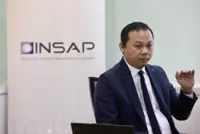
Insap director Woon King Chai noted that recent identical diesel price hikes of 80 sen were inconsistent with a genuinely automatic formula.
“The government’s own announcements on April 1 and 8 confirm the formula is not operating automatically. Publication requires no legislation, no new institutional capacity and no fiscal expenditure,” Woon told a press conference at Wisma MCA on Wednesday (April 15).
“This is something that the government can do this evening itself,” he added.
Woon said the crisis has driven diesel prices up by 124.7% in seven weeks. Malaysia’s weekly fuel prices, announced every Wednesday, are determined by the APM formula introduced in 1983 to stabilise retail prices against market volatility.
The formula calculates costs based on the Mean of Platts Singapore (MOPS) benchmark, factoring in operational costs, transport and regulated profit margins.
Due to the ongoing Middle East conflict, diesel prices in Peninsular Malaysia surged from RM2.99 per litre in February to RM6.72 per litre as of April 9.
Woon characterised the Strait of Hormuz supply disruption as the largest in history, surpassing the 1973 Arab oil embargo, and warned that Malaysia is caught in a “subsidy trap”.
He noted that the monthly fuel subsidy bill jumped from RM700mil in January to an estimated RM7bil in April, meaning the annual RM8.4bil budget was exhausted in four months.
“Yet, the government cannot afford to remove it. The unsubsidised RON95 market price of RM4.27 per litre means removal would add approximately 6.3 percentage points to headline inflation,” he added.
To mitigate the crisis, Insap proposed a 12-month crisis cash transfer of RM200 monthly for B40 households and RM150 for the lower M40, covering 4.92 million households.
Woon also urged a 12-month public consultation to reinstate the Goods and Services Tax (GST) at 5%.
“We estimate that GST at 5% would generate approximately RM77bil in annual revenue, producing a RM6.1bil structural surplus even after funding the full crisis,” he said.
Additionally, he called for a feasibility study for a Malaysian Strategic Petroleum Reserve within 90 days, noting Malaysia is the only regional oil producer without one.
Fuel prices have fluctuated severely since the Middle East conflict began on Feb 28. As of Wednesday (April 15), oil is trading at approximately US$95 per barrel.