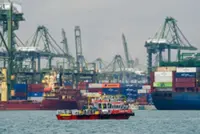
PETALING JAYA: Temperature-sensitive food products like frozen and processed foods are among the goods facing mounting delays due to restricted shipping routes through the Strait of Hormuz, says the Federation of Malaysia Freight Forwarders.
Its president Datuk Dr Tony Chia said shipping lines are currently declining reefer cargo bookings of such items.
“The situation around the Strait of Hormuz has led to a sharp decline in vessel traffic with many ships either avoiding the area or waiting for clearance due to security risks.
“At present, shipping lines have become highly selective in accepting cargo destined to the affected areas.
“Many carriers are not accepting perishable and refrigerated (reefer) cargo, given the uncertainty in transit times and the risk of cargo spoilage if vessels are delayed or diverted,” he said when contacted.
Chia said this has resulted in certain shipments being held back at places of origin or postponed until clearer routing options are available.
He said other affected items also include manufactured goods and industrial exports, particularly those relying on just-in-time supply chains along with chemical and fertiliser-related supply chains.
“Cargo bound for Upper Gulf markets are currently not being accepted by many carriers due to lack of viable routing solutions.
“Even when cargo is accepted, the routing has become more complex.
“For example, shipments to Jebel Ali Port, Abu Dhabi and Sharjah are being redirected via Khorfakkan and then moved inland by truck,” he said.
As for Jeddah, Chia said some cargo is being routed via Nhava Sheva Port as an alternative connection point.
“The disruption has gone beyond minor delays and is now moderate to severe, depending on the route.
“Vessel traffic through the Strait of Hormuz has dropped sharply with some ships almost at a standstill,” he said.
Chia also said freight rates have jumped 100% to 200% on affected routes.
“Some Gulf destinations, especially in the Upper Gulf, have very limited cargo acceptance.
“Exporters are facing extra inland trucking and more complex routing,” he said, adding that while shipments are still moving, they take longer and carry higher risks.
Chia said to address the situation and keep shipments moving, many exporters now have to accept delays or change their logistics plans.
“Rerouting cargo through alternative ports such as Khorfakkan or Sohar, followed by inland trucking or using longer maritime paths like the Cape of Good Hope are among the steps taken.
“Companies are also exploring multimodal options such as rail corridors, though these come with higher costs and more coordination.
“Overall, the industry is focusing on managing risk, diversifying routes and keeping supply chains visible, rather than relying on a single corridor,” he said.
According to earlier reports, Malaysian pineapple exports to the Middle East were affected by the ongoing conflict in Iran.
The Malaysian Pineapple Industry Board said the main impact has been on supply chain operations with exporters facing shipping delays, higher insurance costs and route disruptions.