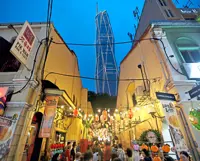
A community-led effort is underway to bring activity to often overlooked back lanes around Kuala Lumpur’s Jalan Petaling, better known as Chinatown, through sustainable community activities, cultural programmes and collaborations.
Spearheaded by interior designer Yuki Wong and Pik Wah Bar & Cafe in Jalan Petaling, the initiative called “Lepak Lorong” aspires to make the back lanes more welcoming and attract more people into the space.
“Some of these lanes have been overlooked and we want to make them safer, more welcoming and more useful to the people who live and work around them,” Yuki said of the initiative literally translated as “alley hangout”.
“The initiative can also help promote Malaysia’s culture and tourism, introduce visitors to local heritage businesses in the area, provide a platform for local artists to shine and create ways for the community to celebrate festivals together.
“As a designer, I wish to bring a design perspective to the way these spaces are planned, improved and activated,” she said.
The inaugural “Lepak Lorong: Bulan”, in conjunction with the Mid-Autumn Festival, attracted some 500 people.
Yuki said the programme involved various businesses, community groups, cultural partners and public institutions, and was not a vendor-based event.
“Each participating business contributed in a different way.
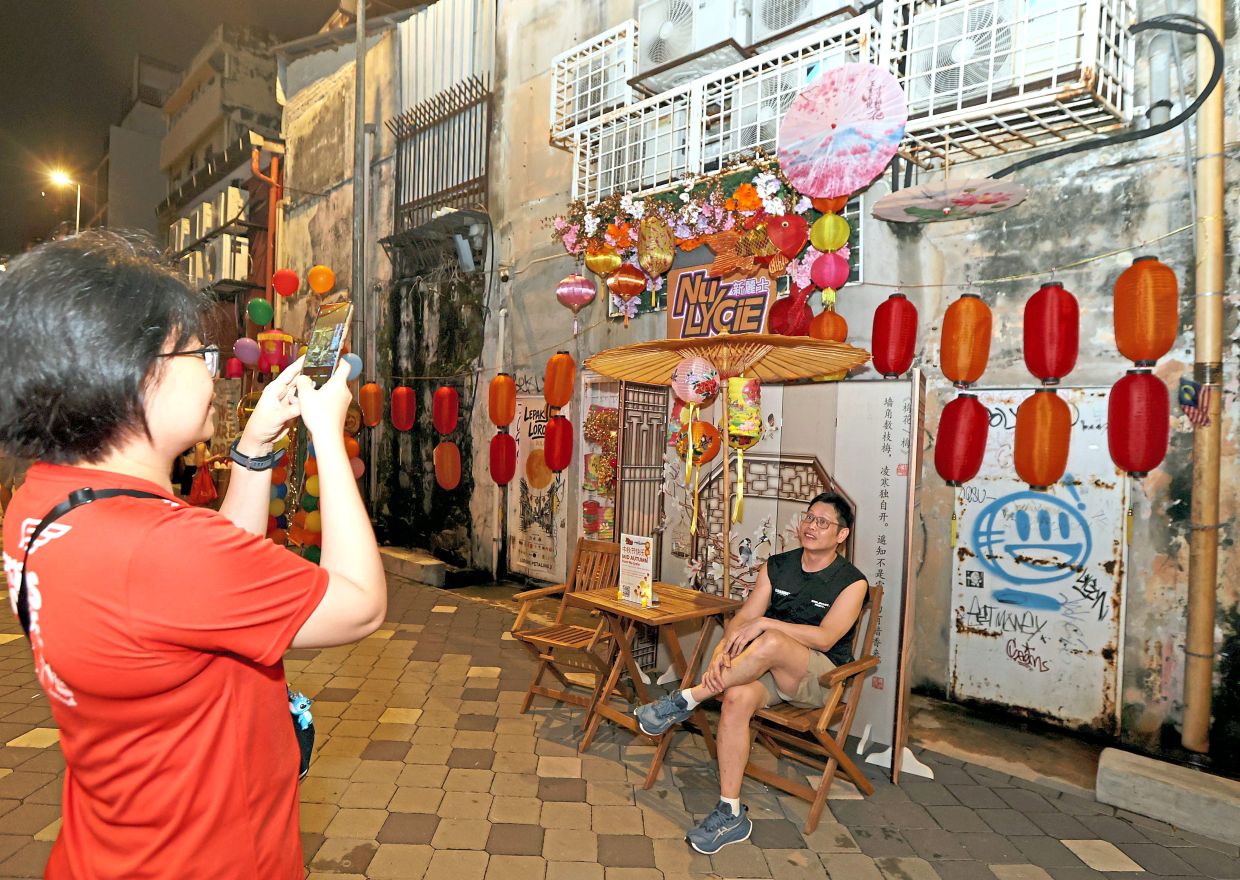
“For example, Pik Wah Bar & Cafe shared its knowledge about mid-autumn traditions and sponsored handmade mooncakes, festive decoration shop Nu Lycie Sdn Bhd sponsored 1,000 lanterns as decorations, while Kean Guan Tea Merchants Sdn Bhd provided free tea to visitors.
“Other participating businesses and partners included Chocha Foodstore, Rain Forest Hotel, Lorong 133 creator space, Chinatown 1974 and Merdeka 118 Precinct.
“We were also supported by Chan She Shu Yuen (CSSY) Youth Group, Kuala Lumpur City Hall and Bukit Bintang parliamentary service centre,” she said.
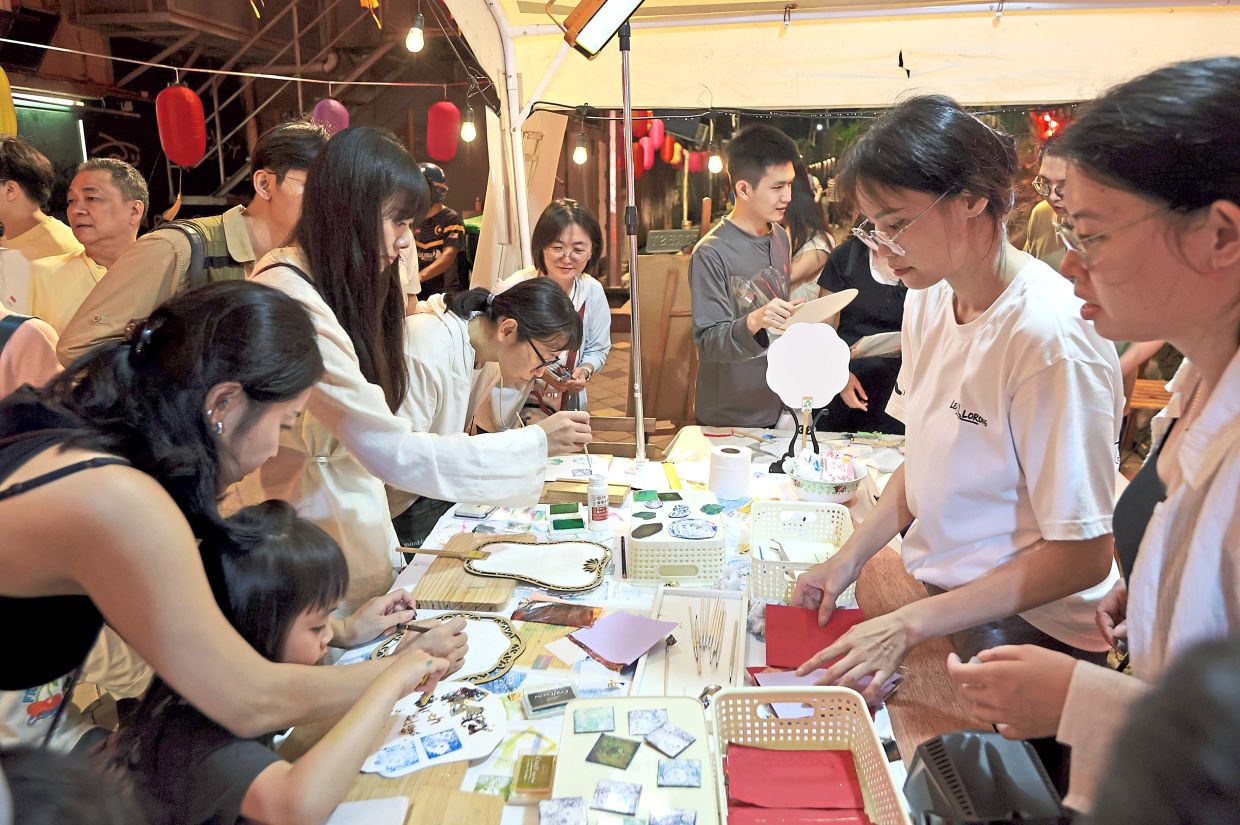
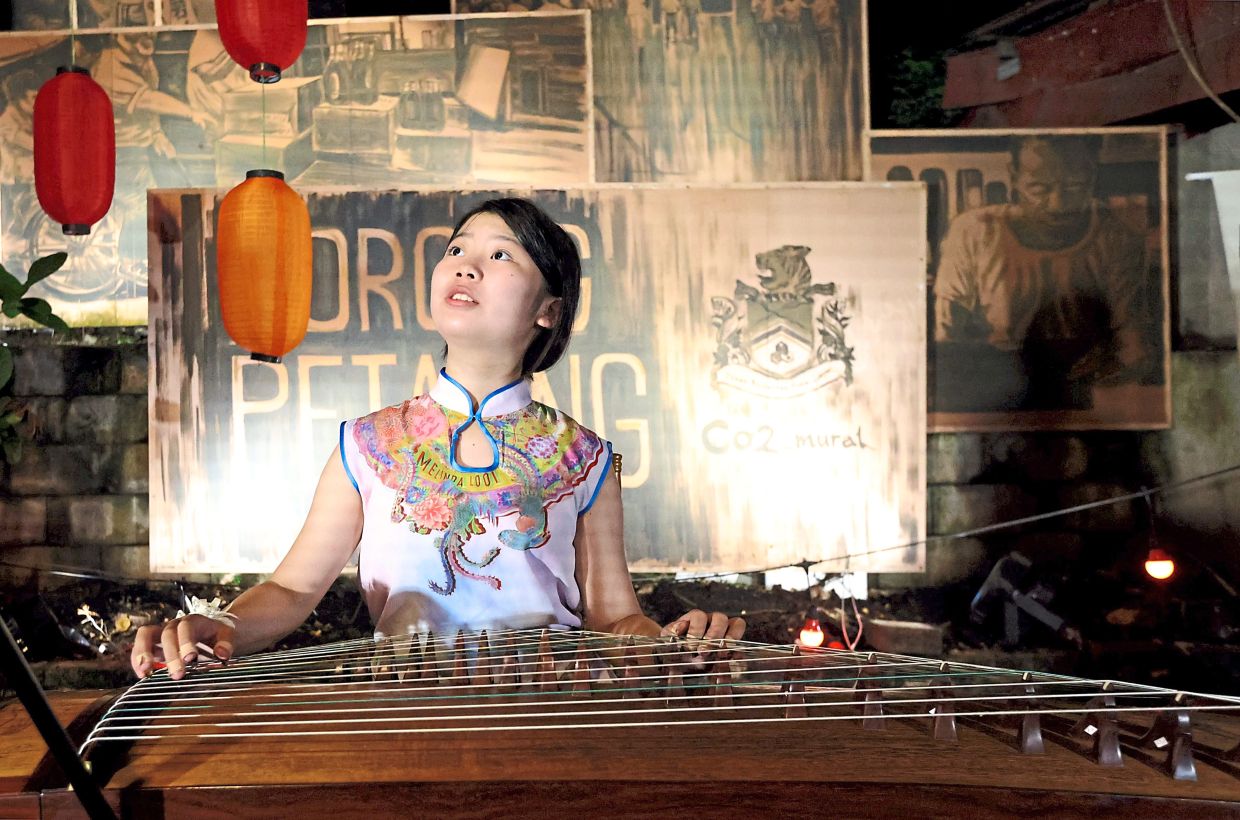
Each participating business set up booths behind their shops that provided experiences such as free food and drinks, games and workshops.
Yuki said the initiative intended to make participation meaningful and accessible.
“Taking part in the initiative doesn’t mean a business must set up a stall.
“It could also share its story or products, offer an activity or collaborate with a local artist.”
She said the aim was not to fill the lanes with vendors.
“If an area is quiet, we should consider what would genuinely benefit the community and the local businesses, rather than bring in commercial activities without proper planning.”
Yuki emphasised that back lanes were public spaces, so they should not be treated as the property of any one business or group.
“Residents’ needs come first. Lepak Lorong aims to bring residents, businesses, local artists, community groups and the authorities together around a clear concept and proper guidelines.
“It is a community platform, not a hawker site or permanent bazaar,” she said.
She also said the group intended to continue Lepak Lorong by exploring other festivals such as Chinese New Year.
“We are also open to working with the relevant communities for Deepavali, Hari Raya Aidilfitri and Christmas.
“However, not every festival needs to be marked by an event.
“The key is to develop programmes that are relevant to the neighbourhood and planned with the communities and partners connected to each celebration.
“With that being said, a Chinatown food festival is another idea we can explore together with local businesses and the authorities,” she added.
Lepak Lorong is meant to establish a more welcoming back lane that can encourage people to explore the area and discover the businesses.
“The value is not only immediate sales. It is also about visibility, connections between businesses and helping local brands share their stories with a wider audience, including visitors from overseas,” said Yuki.
Echoing the sentiment was Nu Lycie business manager Amelia Wong, who said Lepak Lorong: Bulan helped increase their brand awareness and exposure.
“We have received a few new customers who heard about our shop through the event,” said Amelia.
CSSY youth chief Candy Tan said the group’s collaboration with Lepak Lorong had added a fresh dimension to its festive initiatives.
“CSSY holds Mid-Autumn Festival events every year, and Lepak Lorong opens up new opportunities,” she said.
The inaugural Lepak Lorong was attended by Minister in the Prime Minister’s Department (Federal Territories) Hannah Yeoh, Kuala Lumpur mayor Datuk Seri Fadlun Mak Ujud and Bukit Bintang Federal Territory Residents Representative Council chairman Fong Kok Seng.