KLANG Royal City Council (MBDK) has proposed the use of trishaws to ferry tourists and give the historic city an attraction, creating economic opportunities.
Tourism Selangor chief executive officer Chua Yee Ling said other than a nostalgic mode of transport, trishaws could help showcase Klang’s heritage, strengthen its identity as the royal city of Selangor and support tourism-related businesses.

“Last year, there were 595,327 domestic tourists, accounting for 69.8%, while foreign tourists made up 257,667 or 30.2%.
“In total, 852,994 tourists came to Klang,” she said.
Chua, who was commenting on the Aug 25 StarMetro article titled “Move to reintroduce trishaws as tourism attraction” said Tourism Selangor was in discussion with MBDK, Tourism, Arts and Culture Ministry (Motac) and Volunheritage to revive trishaw rides as a high-value tourism experience.
Volunheritage is a community social enterprise that supports tourism in Klang.
“Tourism Selangor sees the revival of trishaw rides in Klang as more than a nostalgic nod to the past.
“The initiative forms part of broader efforts to promote the royal city’s appeal to both domestic and international visitors.”
Chua also said that Tourism Selangor would provide input to MBDK to create an attractive trishaw route as part of the proposed plan to revitalise the three-wheeled vehicle services.
MBDK councillor Aziz Khan Muhammed Ali said the revival of trishaw would offer visitors a more immersive way to discover Klang’s historic landmarks, cultural sites and heritage areas.
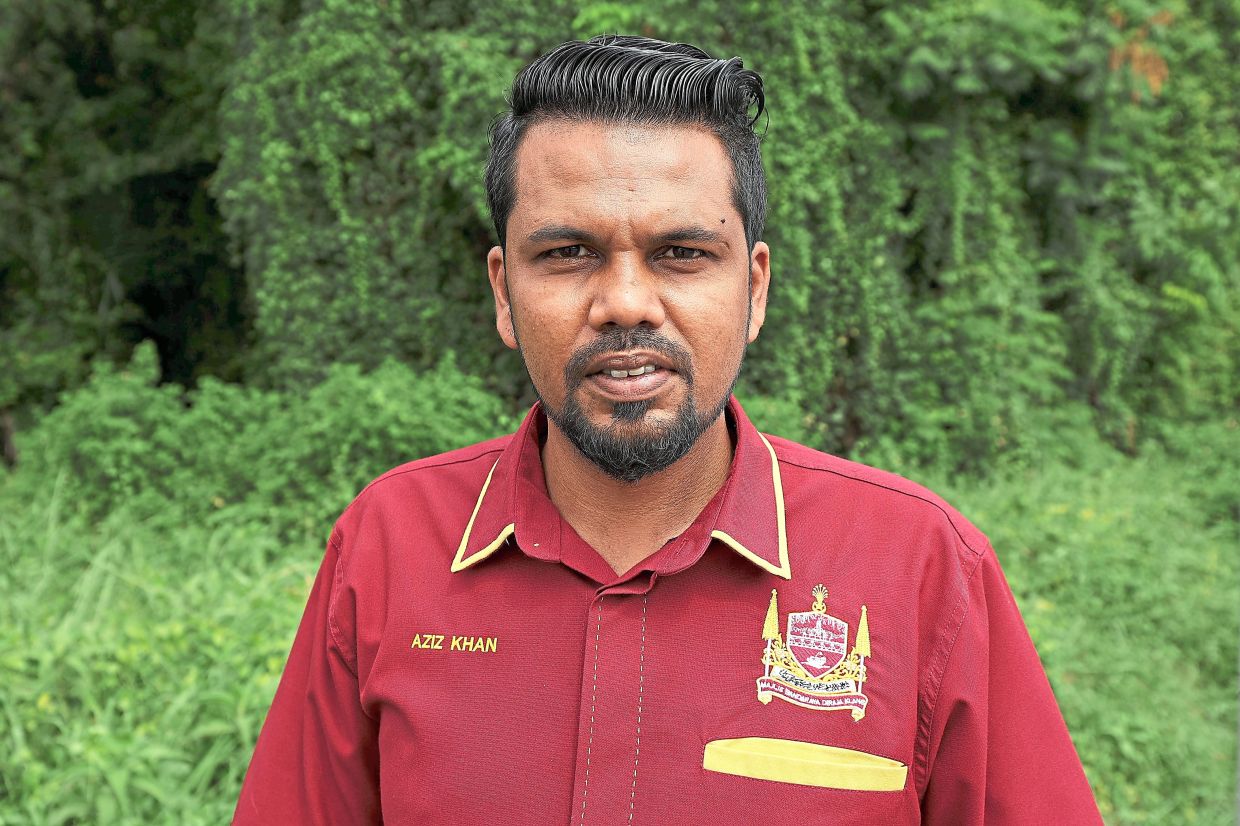
“We hope Tourism Selangor and Motac will support this as the initiative can also create new economic opportunities for locals.
“It would encourage greater visitor spending as it supports businesses along the tourism route.”
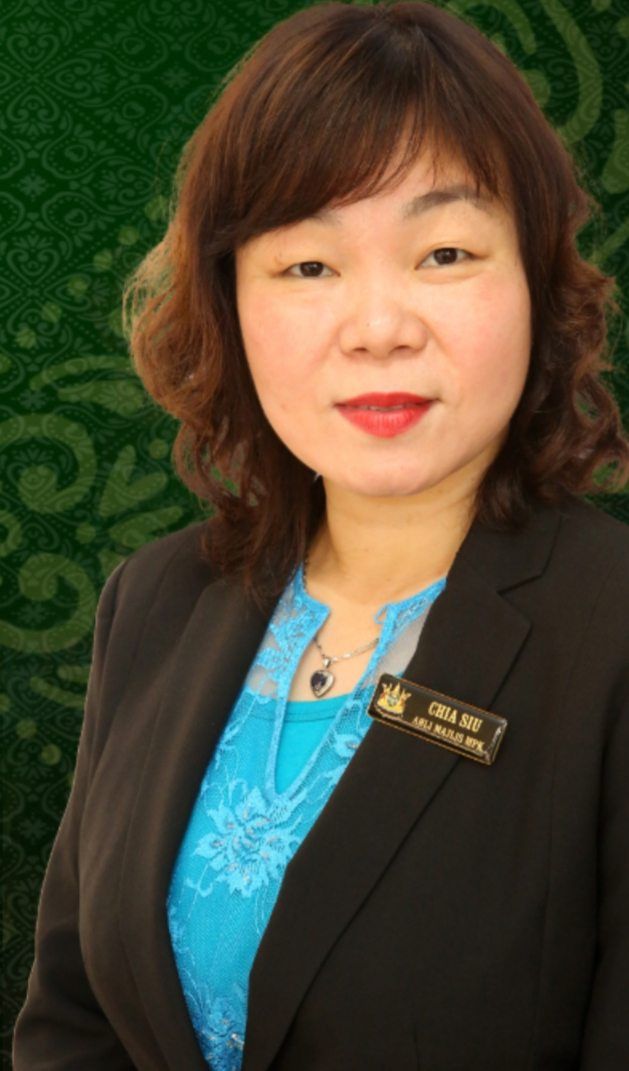
Another councillor Sharon Chia Siu said the presence of trishaws would not only add a nostalgic element to Klang’s tourism landscape, but set the royal city apart as a heritage destination.
“It can be viewed as part of a broader strategy to promote heritage tourism and strengthen Klang’s appeal to both domestic and international visitors,” she said.
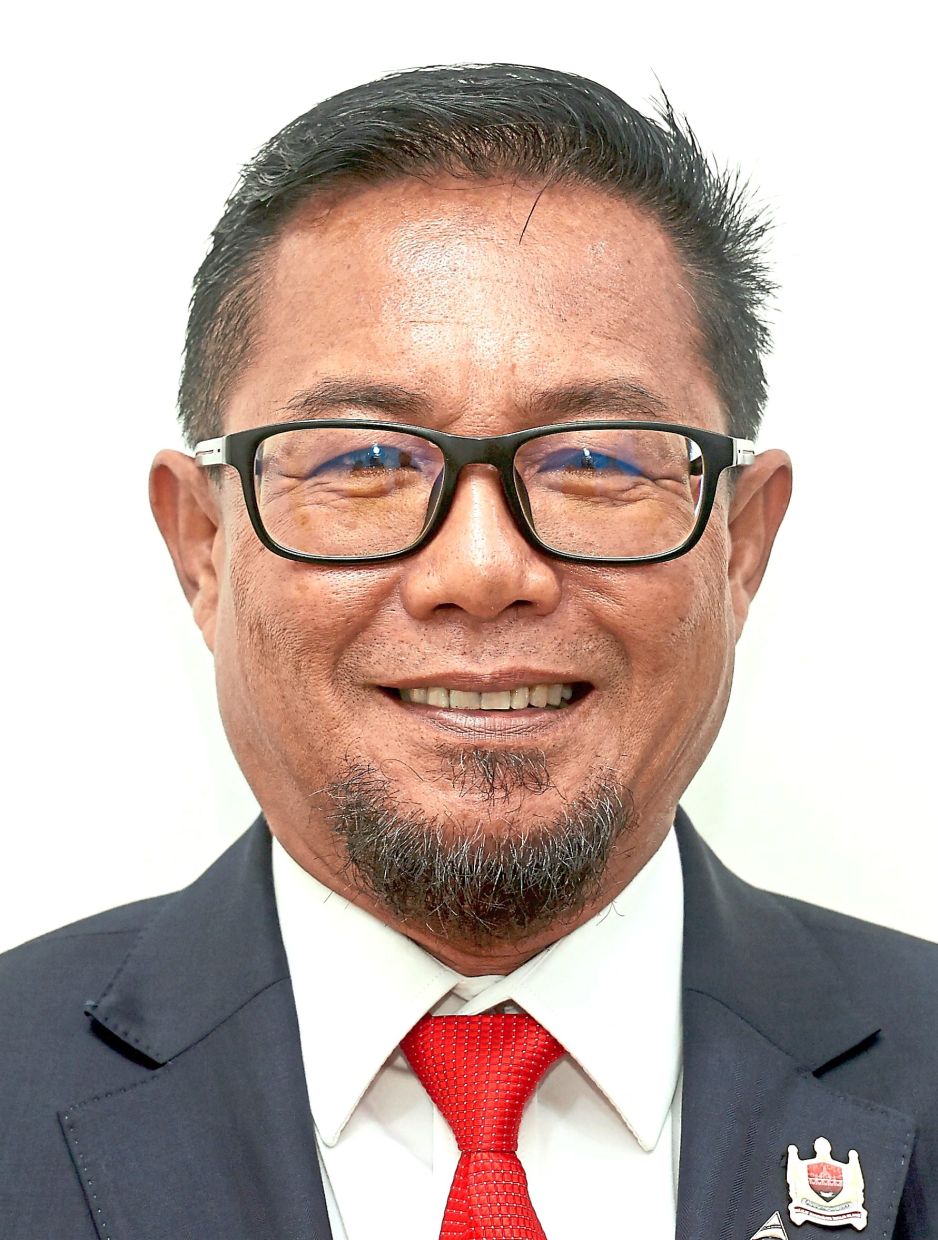
Mohd Rayme Abdul Rahman, another city councillor said trishaws could encourage visitors to spend more time exploring the city.
“In offering a distinctive and leisurely way to experience the city’s streets, heritage sites and local attractions, trishaws can make sightseeing more accessible and engaging.
“This initiative can benefit local traders, tour operators, food and beverage outlets,” Mohd Rayme added.
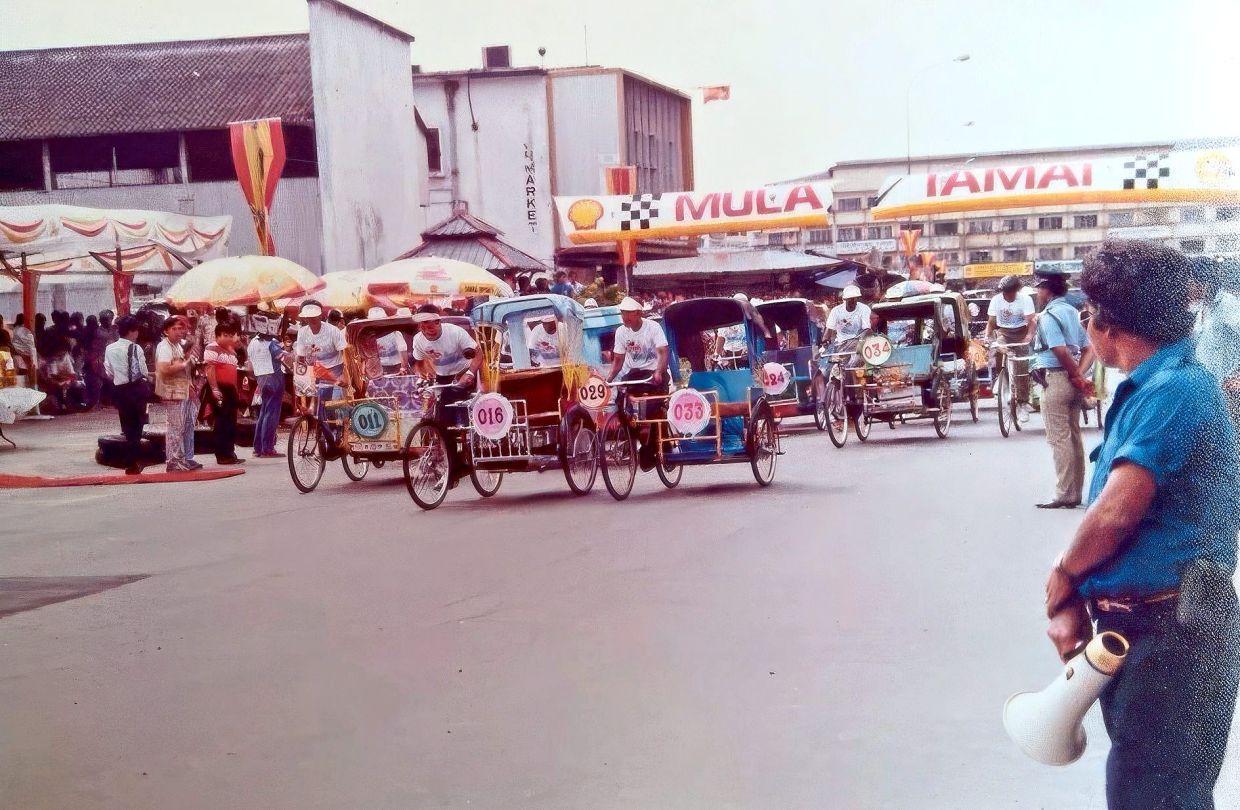
According to the MBDK’s archive department, trishaw races were common in the 1980s.
An official with the department said in the 1950s and 1960s, up until 2003, trishaws were used to ferry children to schools and women to markets and offices.