A BAG of unwanted belongings that is given away for donation can easily be a bag of trouble for a charity centre.
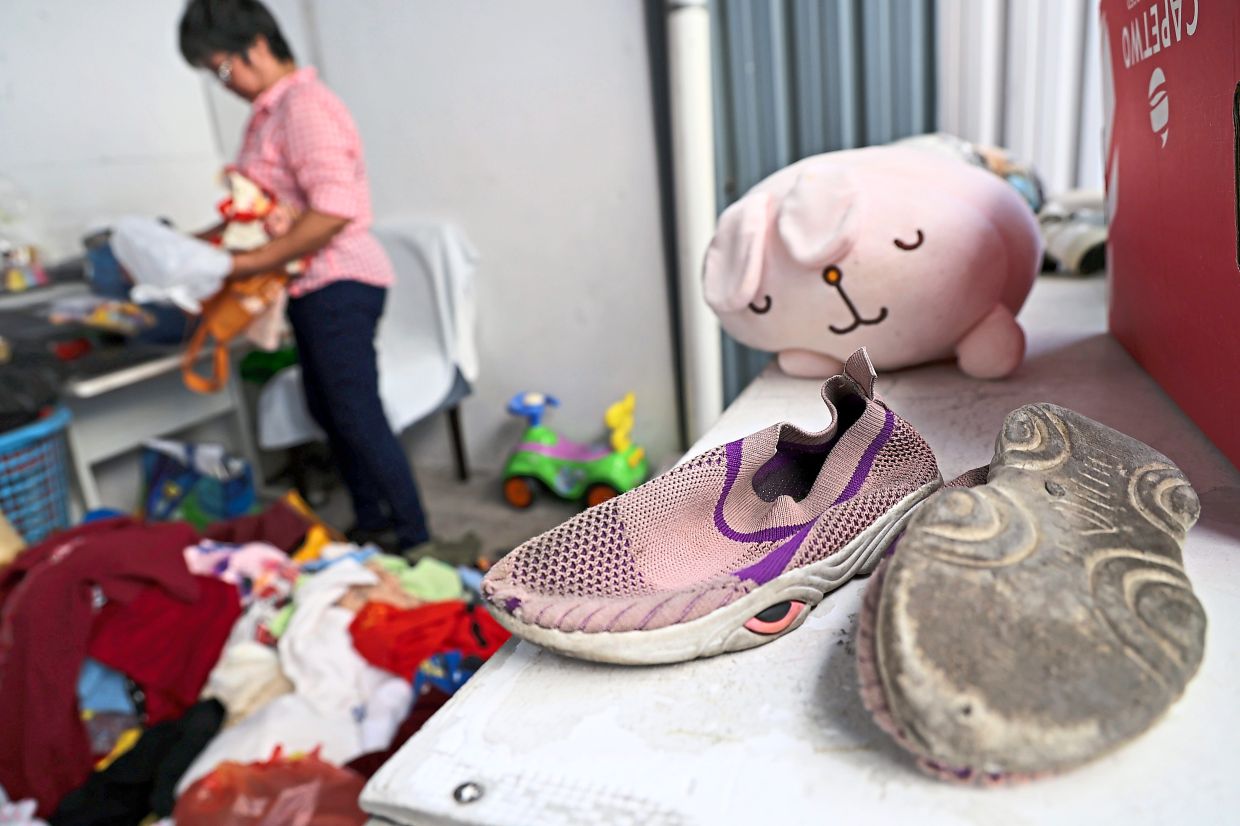
Dirty clothes, worn-out household items and damaged goods are still being dropped off at these support hubs in George Town, Penang, with some donors even passing on stained bras and panties.
For those receiving the donations, the message is simple – charity should not become a convenient way to get rid of rubbish.
Reusable or rubbish
At the Lighthouse Thrift Store in Jalan Penang, a staff member said more clothing and household goods were arriving in such poor condition that they could neither be resold nor reused.
Some items were dusty or damaged, while others had not even been washed and were stinky.
“Some donors appear to treat the outlet as a place to dispose of unwanted items.
“The items are so old, dirty or damaged that we simply have to throw them away,” she said.
The shop sells pre-loved items donated by well-wishers to raise funds for Lighthouse’s programmes, including a soup kitchen open to all regardlessof background.
The staff member, who did not wish to be identified, recalled a recent case involving a woman moving house who brought in her late mother’s belongings.
“She brought many things that were very old and dirty.
“Some were covered in dust and could not possibly be resold.
“I think she was rushing to clear the house, so she brought everything here,” she said.
The store has also received used underwear.
“We have repeatedly reminded the public not to donate such items, because of hygiene concerns and the difficulty of ensuring they are suitable for redistribution,” said the staff member.
Despite this, staff remain careful not to turn away every bag at the door.
Donations are usually accepted first and sorted later to avoid discouraging genuine givers.
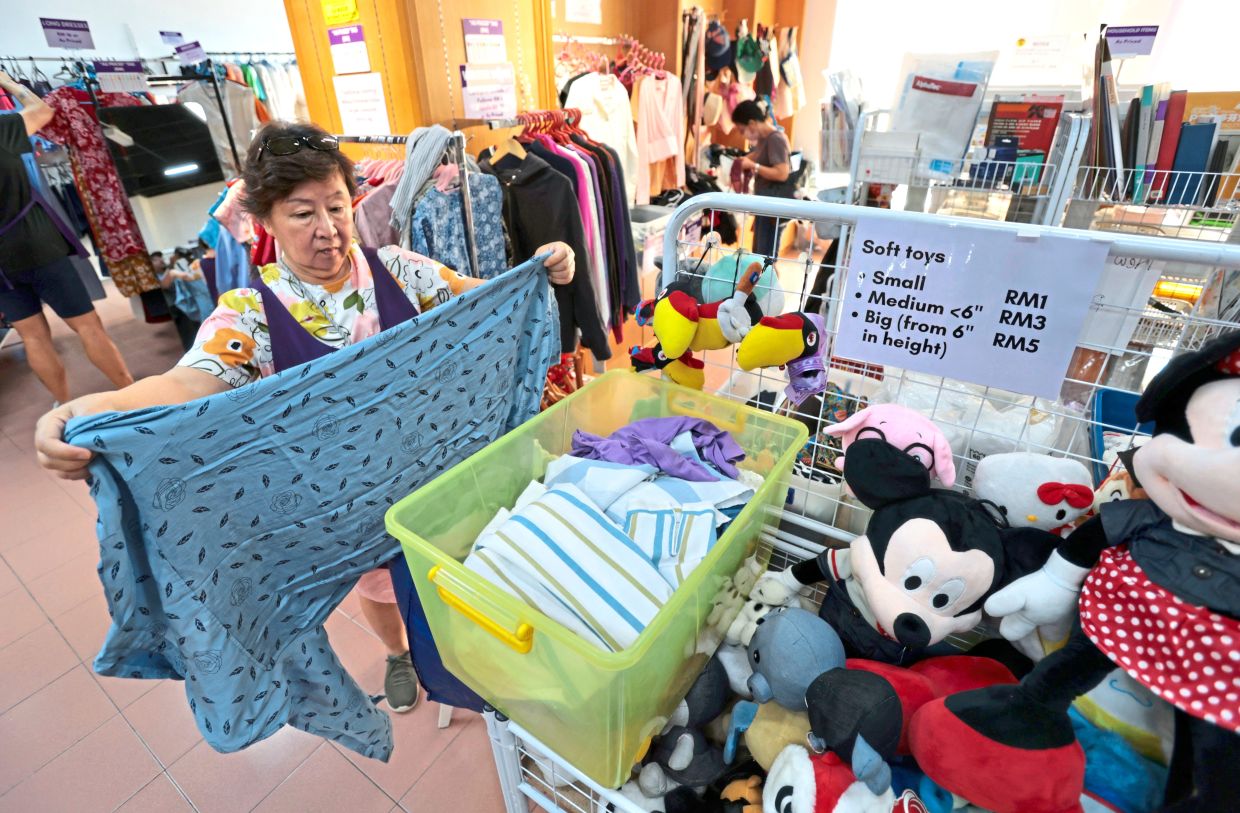
“Sometimes when donors bring a whole bag, we only find out what is inside after they have left,” said the worker.
She said the problem worsened when bags were dumped outside after operating hours.
“They just put the bags outside and leave.
“We cannot check the items or explain what we can and cannot accept.”
She said there was strong demand for wearable clothing, particularly among foreign workers and local residents.
“There is nothing wrong with passing on something you no longer need.
“The problem is passing on something that is no longer fit for use.
“If you are donating, please think about whether someone else can actually use the item.
“A donation should be a gift, not a chance to dump unusable items.”
She encouraged donors to approach staff during operating hours to find out what items were needed, before making a donation.
“Some donors do ask first and that makes things much easier.”
Quality over quantity
At the WCC Value Shop in Tanjung Tokong, only about 40% of items donated are suitable for resale, said lead manager Lim Ai Lay.
She said some donated clothes were too old or faded.
“Whenever someone shows interest in donating, I bring them around the shop and show them the quality of items we sell.
“I tell them their donations should be of a similar standard,” she said.
The shop relies on expatriate volunteers from the United States, Japan, France and Great Britain, while a fashion designer helps with merchandise displays.
Lim said women’s clothing was rotated three times a week, while men’s clothing was changed weekly to give items maximum exposure.
Staff also audit displays to ensure only quality merchandise remains on sale.
The WCC Value Shop was set up in 2017 by the Women’s Centre for Change (WCC Penang) to raise funds for its work with vulnerable women and children.
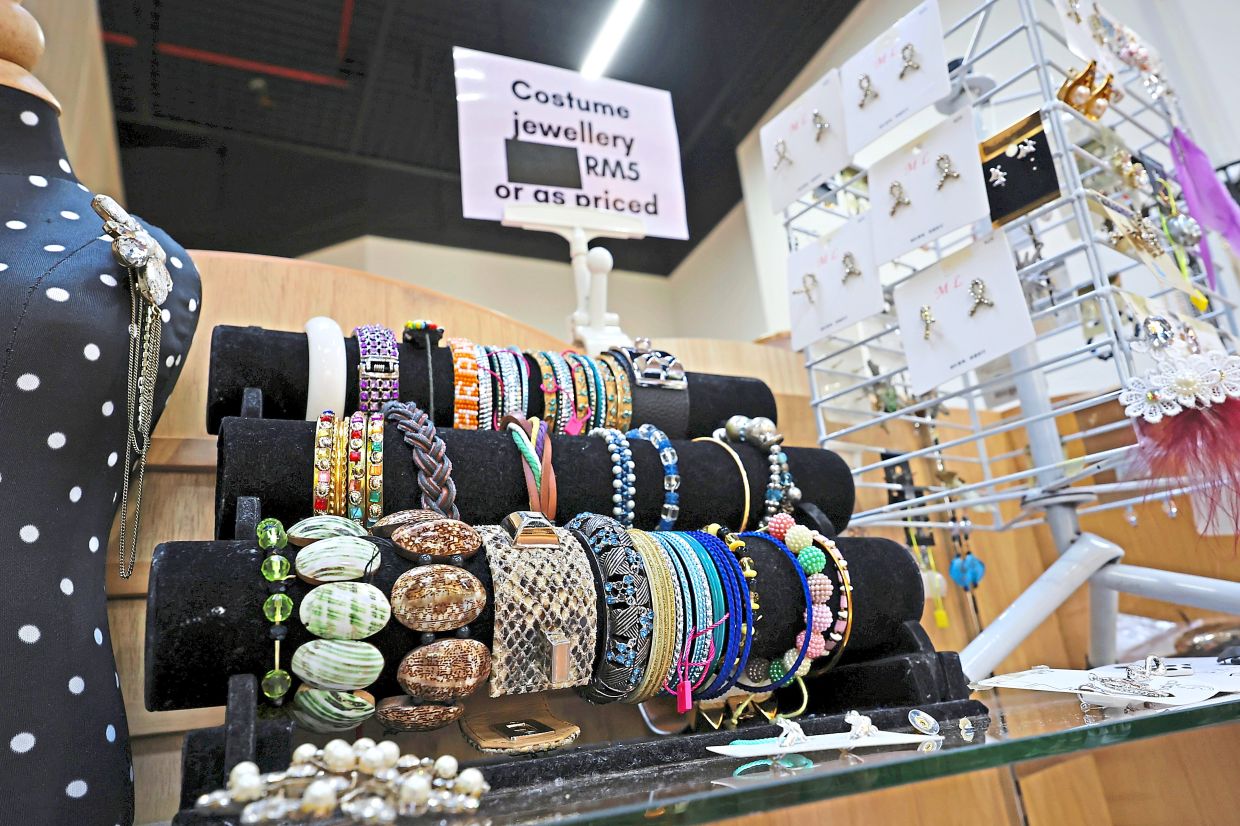
It sells pre-loved clothing, accessories, household items and books, with most items priced between RM2 and RM30.
Proceeds help fund WCC’s services, including counselling for victims of domestic violence and sexual abuse, alongside school awareness programmes.
Some things salvageable
Not all donated items end up in the bin, as Kawan Shop manager Idy Kong pointed out.
She said some donors took the effort to clean and prepare their items before dropping them off.
“We really appreciate their thoughtfulness.
“Some donors wash their clothes and make sure the items are clean,” she said.
Kong said the shop also tried to salvage branded clothing when minor repairs or cleaning could restore them to saleable condition.
“If a branded piece of clothing has a loose button or a small stain, we will repair or clean it.
“But if an item has little value and is in very poor condition, we will dispose of it,” she said.
Kawan Shop operates under Youth With A Mission, a non-governmental organisation that established the Kawan Centre in Lebuh Klang.
The centre provides free meals to homeless people, senior citizens and the underprivileged every Monday, Wednesday and Friday.
The shop accepts clothing, stationery and toys, with some goods sent to the Orang Aslicommunities in Perak.
Kong said the shop in Lebuh Chulia had received luxury brand items, including shoes and a handbag which fetched higher resale prices.
She said growing interest in pre-loved goods had also brought more customers to Kawan Shop, with online searchers discovering the physical store.
“Although there are many online shopping platforms, shoppers cannot try on clothes.
“Here, we have fitting rooms, so customers can make sure the clothes fit before buying them,” she elaborated.
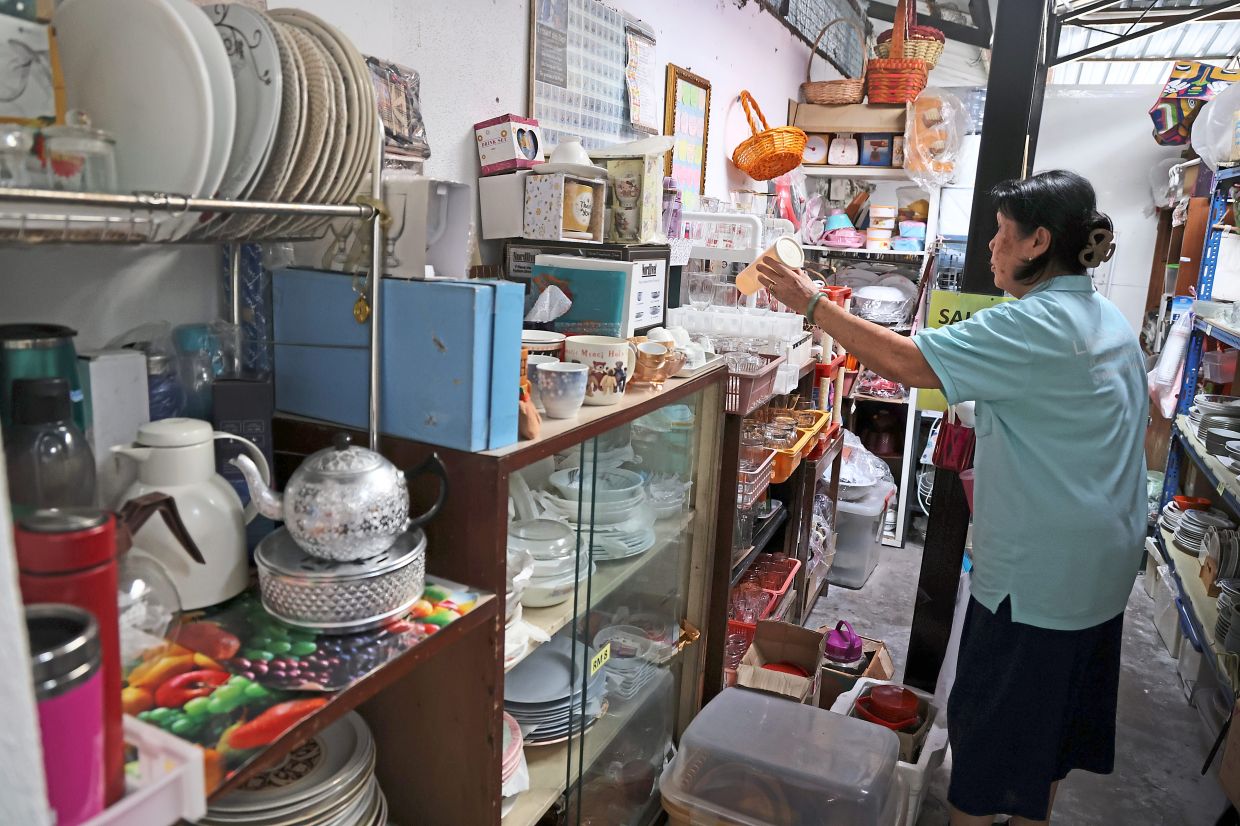
She said that only about 10% of donated items they received were unusable, including foul-smelling clothes, worn-out underwear, broken vases and cracked crockery.
“Sometimes, when people bring in a big bag, they place good items on top and damaged ones underneath, so we may not realise it immediately,” she said.
Kong urged potential donors to consider whether their unwanted items were genuinely suitable for resale.
“If you think someone will be willing to pay for the item, then bring it to us,” she said.