Historical landmark a strategic asset to strengthen state’s identity, boost tourism and support economic growth at northern seafront
FORT Cornwallis has reopened to the public, with Penang Chief Minister Chow Kon Yeow describing the project as proof that heritage conservation can go hand in hand with economic growth.
The restored fort and the surrounding Padang Kota Lama area were officially reopened by Prime Minister Datuk Seri Anwar Ibrahim.
Chow said the project reflected the joint commitment of the Federal and state governments, together with their partners, in preserving Penang’s heritage while creating new opportunities for tourism and the local economy.
“The transformation of Padang Kota Lama and Fort Cornwallis shows that heritage is not just about preserving the past.
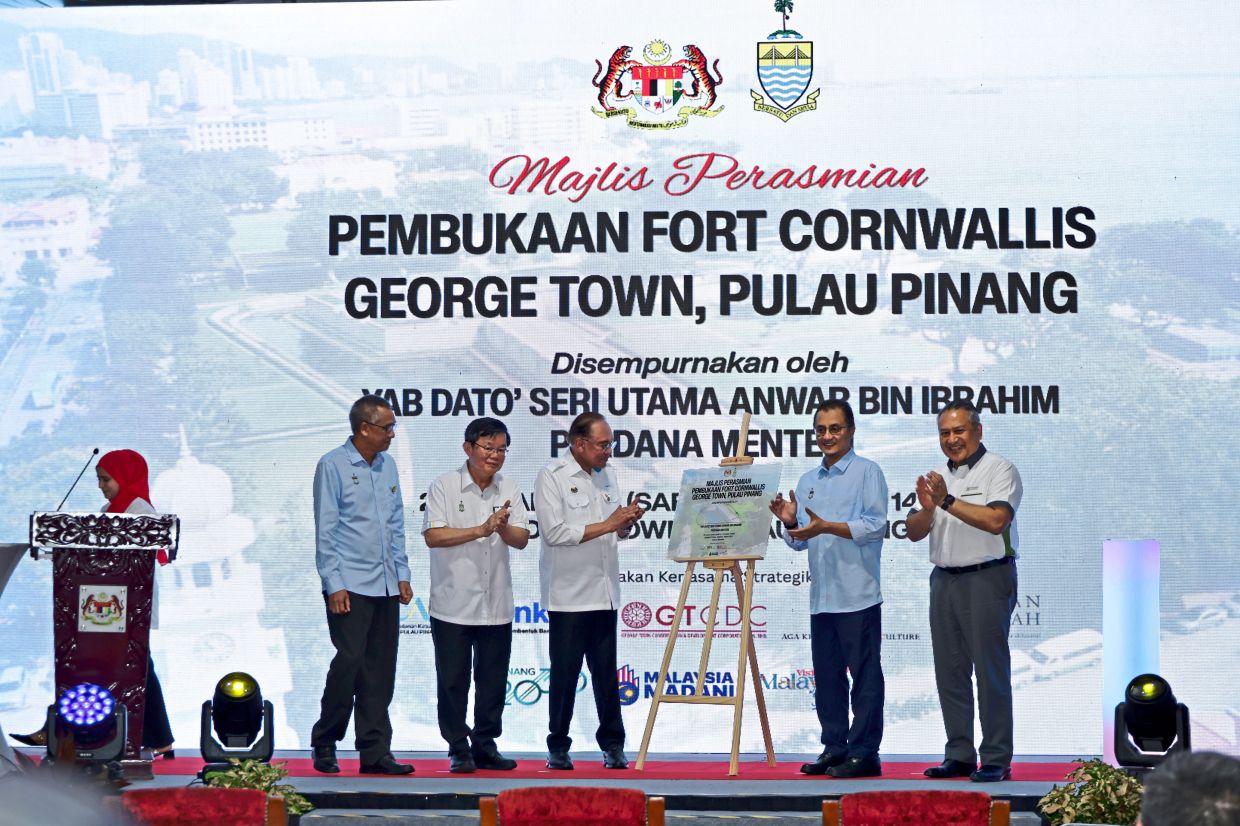
“It is a strategic asset that strengthens Penang’s identity, boosts tourism and supports economic growth,” he said in his speech.
The restoration forms part of the Penang North Seafront Masterplan, which identifies 22 key projects to revitalise the historic waterfront.
Several projects have already been completed through almost RM50mil in funding from the state government via Chief Minister Incorporated (CMI), in collaboration with Penang Island City Council (MBPP) and Think City.
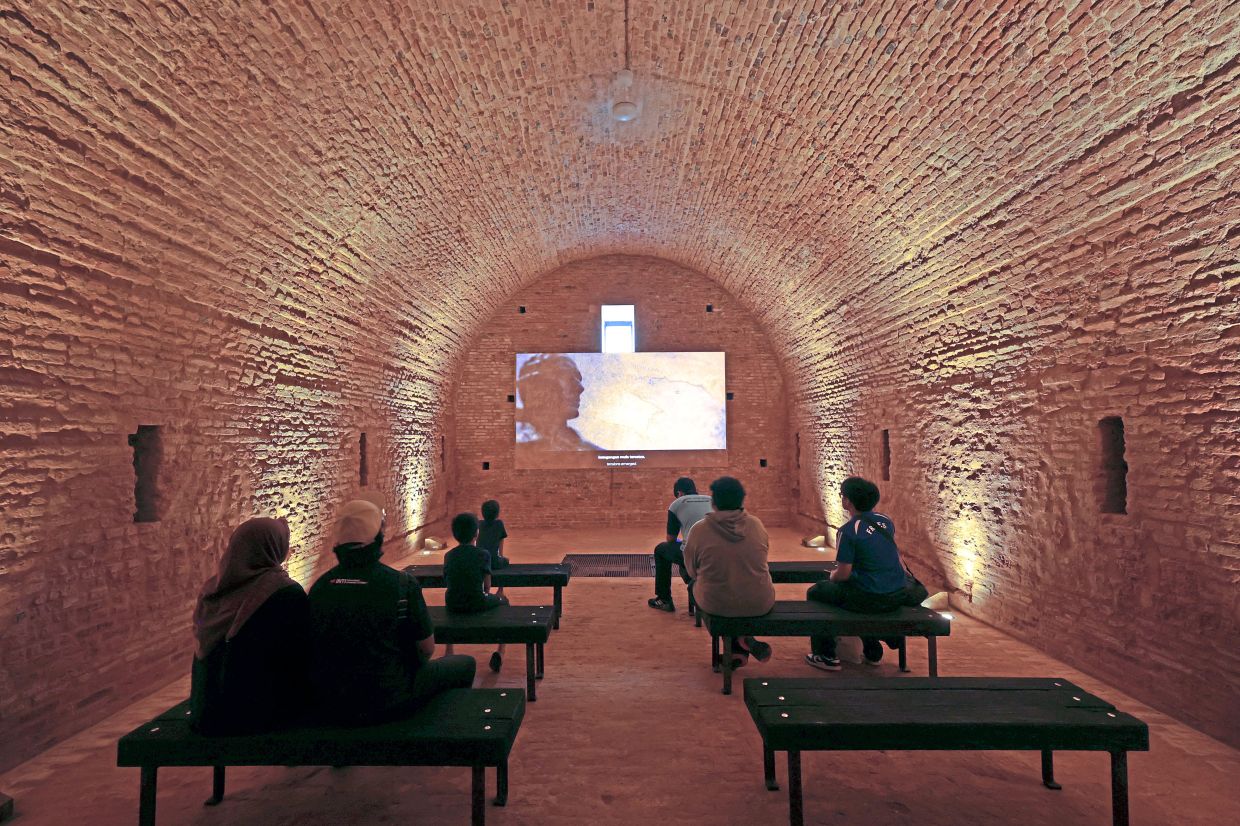
Among the completed works are the upgrading of Padang Kota Lama, Fountain Garden, Esplanade seawall, Queen Victoria Memorial Clock Tower, Linear Garden and Fort Cornwallis gallery, as well as restoration of the fort’s moat and redevelopment of Astaka Kota Selera.
Chow said more projects under the masterplan would be carried out by 2030 to transform the North Seafront into a world-class public space linking heritage, urban development and community well-being.
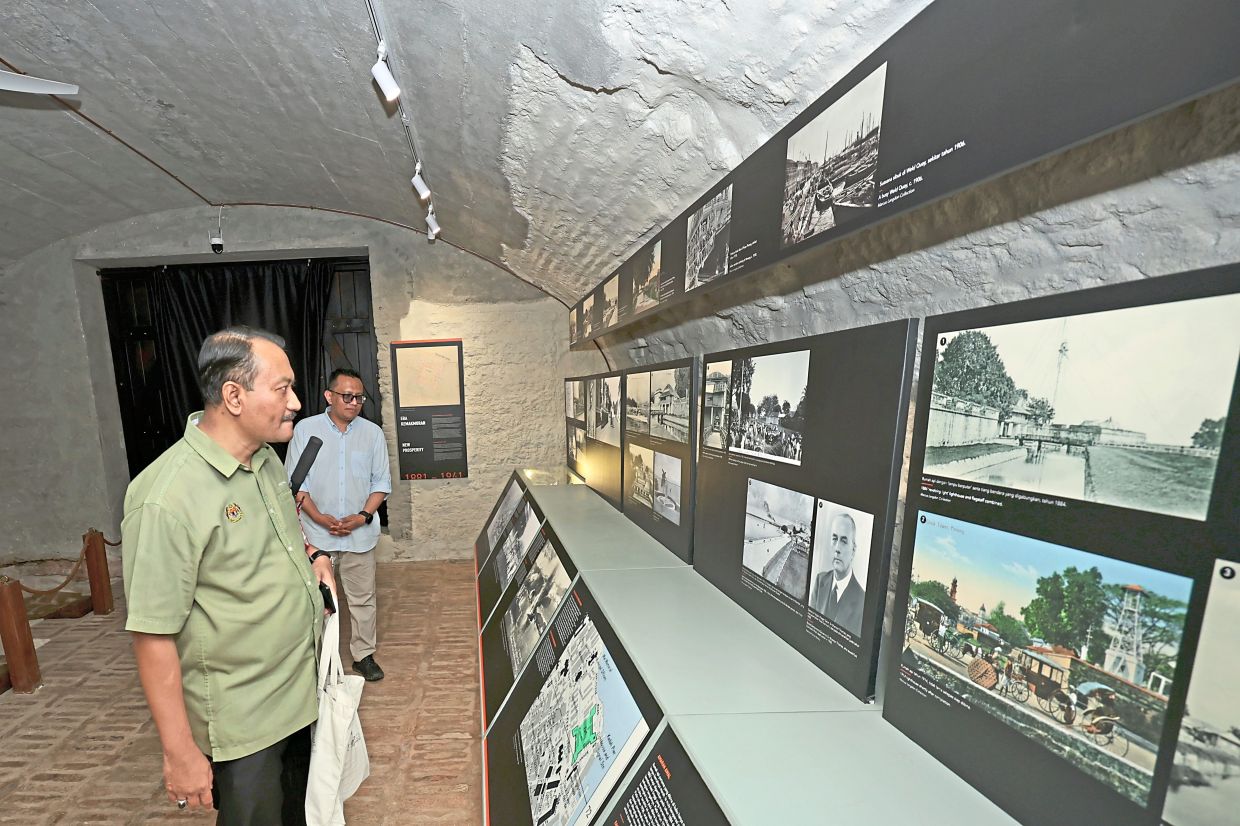
He said Fort Cornwallis was the flagship project under the masterplan.
To ensure such efforts continue, the George Town Conservation and Development Corporation (GTCDC) was set up in 2016 through a partnership between CMI and Think City.
“Ten years on, GTCDC reflects the state’s long-term commitment to preserving heritage,” said Chow.
He said the restored fort was now more than a historical landmark.
“It is also a place for learning, a tourism attraction as well as catalyst for business opportunities and economic activity that will benefit the local community,” he added.
The seafront project has also received local and international recognition.
The Esplanade seawall strengthening project won the Unesco Asia-Pacific Award in the New Design in Heritage Context and Sustainable Development category in February this year.
Astaka Kota Selera received the Gold Award and Building of the Year title from the Malaysian Institute of Architects (PAM) earlier this month.
Chow said the awards showed that heritage conservation and modern development could complement each other without sacrificing George Town’s identity as a Unesco World Heritage Site.
Present were Deputy Chief Minister I Datuk Dr Mohamad Abdul Hamid, Penang State Secretary Datuk Seri Zulkifli Long and Khazanah Nasional managing director Datuk Amirul Feisal Wan Zahir.