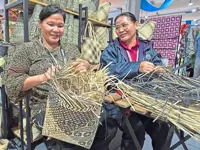
TRADITIONAL crafts continue to find a place in Perlis, as small-scale entrepreneurs adapt established skills and techniques to meet modern demand.
Combining time-honoured knowledge with local resources, these businesses help preserve traditional practices while creating additional income opportunities.
Among them is the production of air nira – a naturally sweet drink harvested from the sap of flower stalks of the nipah palm.
According to the National Department for Culture and Arts, the sap -- containing sucrose and protein -- has long been consumed as air nira.
It also stated that nipah palms (Nypa fruticans) were commonly found in mangrove areas, river mouths and coastal wetlands.
Sweet sap treat
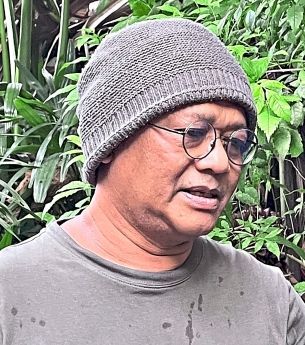
He even experimented with a fish pond before turning his attention to nipah plants in 2019.
“I thought hard about what I could grow on the land, and decided on nipah palm,” he said.
Jamaludin now has some 1,000 nipah trees on his 0.4ha land.
“The palm takes about five years to mature before the trees are ready for harvesting.”
He then decided to open a restaurant to complement his nipah palm business.
He said harvesting the sap required patience and experience as it was a painstaking process.
“It takes about 40 days of daily tapping before we can start collecting the sap.
“Once the sap starts flowing, we can harvest air nira for about a month,” he said.
Jamaludin said sap yields were generally higher during dry weather.
Fresh air nira is sold to complement local dishes at his Nipah Klasik restaurant in Kampung Bunga Emas in Simpang Empat, Kangar.
Beyond its commercial potential, Jamaludin is keen to keep the traditional harvesting technique alive.
He said it was important to preserve the skill of extracting nipah sap for future generations.
“Not many people know how to tap air nira, so we are helping to keep this traditional method alive,” he told StarMetro during the “Cuti-Cuti Malaysia Surreal Experiences Perlis” media familiarisation trip organised by Tourism Malaysia.
Handmade sandals
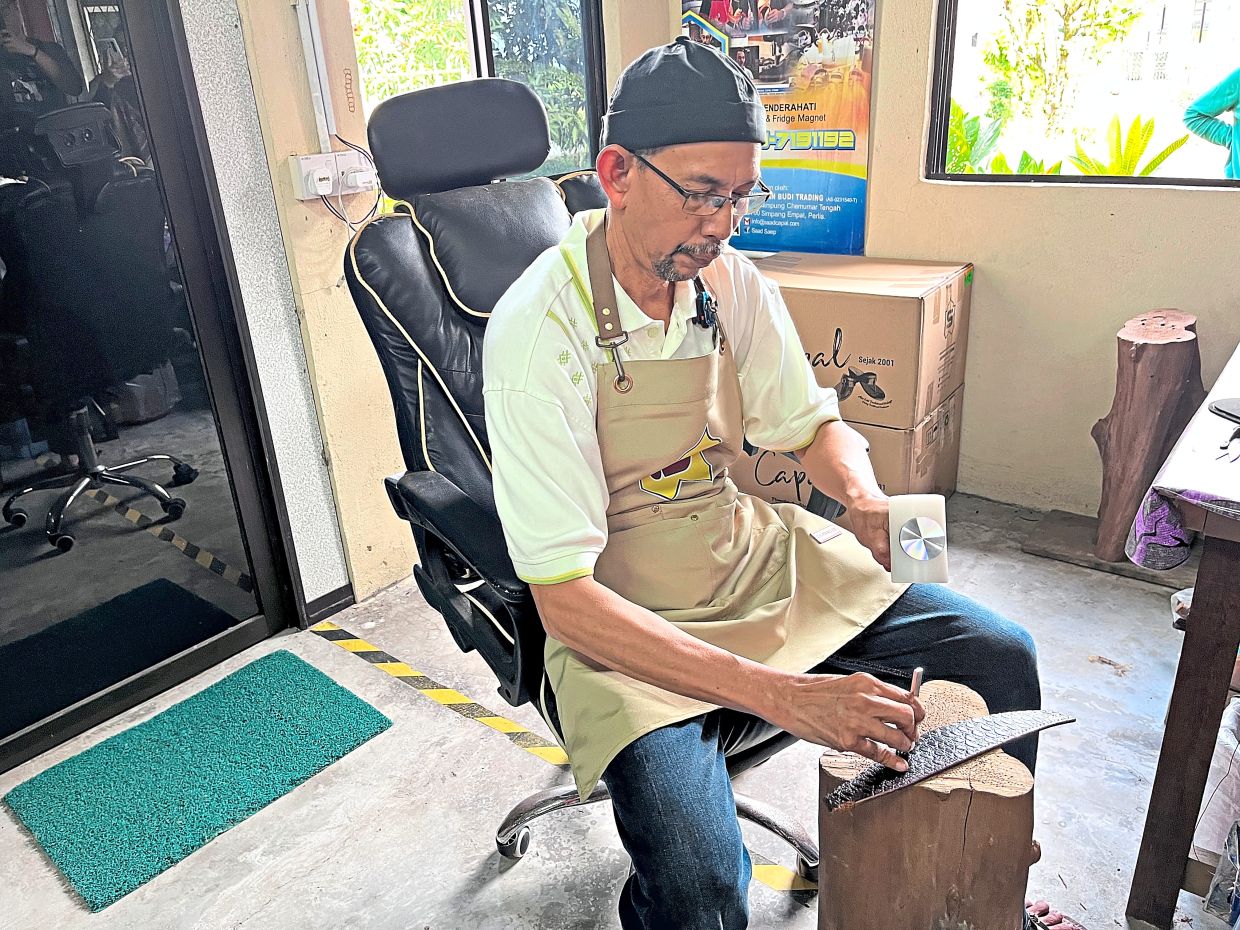
Capal-making is another craft that is being preserved.
Saad Saep, 60, leaned on his manufacturing experience to refine production of the footwear while preserving traditional techniques.
Saad took up the craft in 2000 after losing his job at a plastic component factory, where he had worked for about 10 years.
He became interested in the craft after seeing a friend making the sandals at home.
“The process is difficult and time-consuming, but after doing some research, I found it still had demand,” he said, adding that he uses cow and buffalo leather for the sandals.
Saad also developed a manual hand press to speed up the moulding process.
He now runs his business in Kampung Chemumar Tengah in Simpang Empat, after moving back to Perlis from Sungai Petani, Kedah, in 2009.
Employing four workers, the business produces about 5,000 pairs of capal annually.
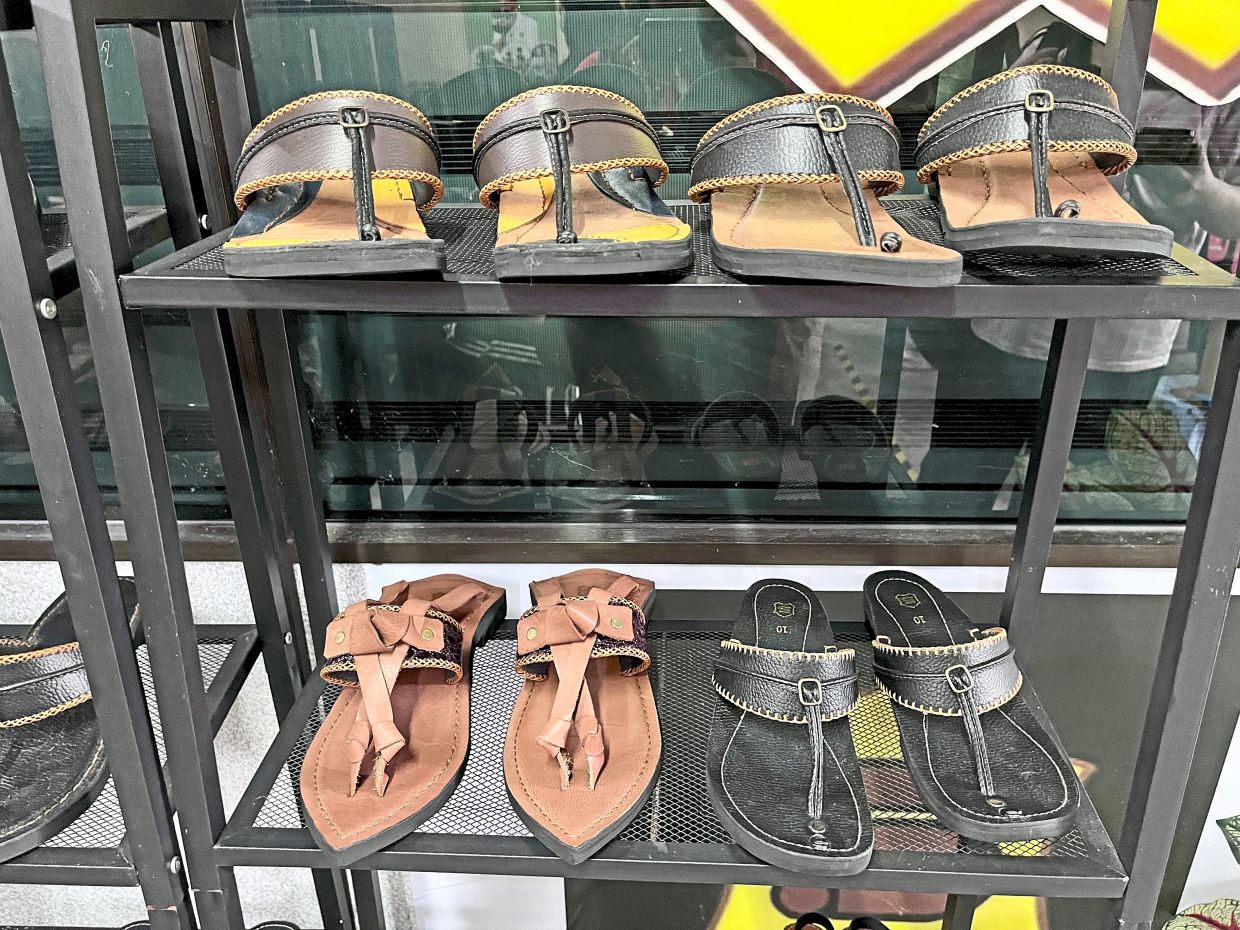
Saad said daily output could reach 150 to 200 pairs of children’s capal and 60 to 70 pairs for adults.
Eager to keep the traditional craft going, he has been carrying out one-day courses for people interested in learning the skill.
He hopes to establish a technical and vocational education and training programme to pass on the skill to the younger generation.
Local shrimp paste

Many producers in Perlis are based in Kampung Sungai Berembang, Kuala Perlis, including HM Belacan, which has been run by Husin Maidin for about 30 years.
After serving in the army, Husin, 78, took up belacan- making full-time, following methods taught to him by his grandfather.
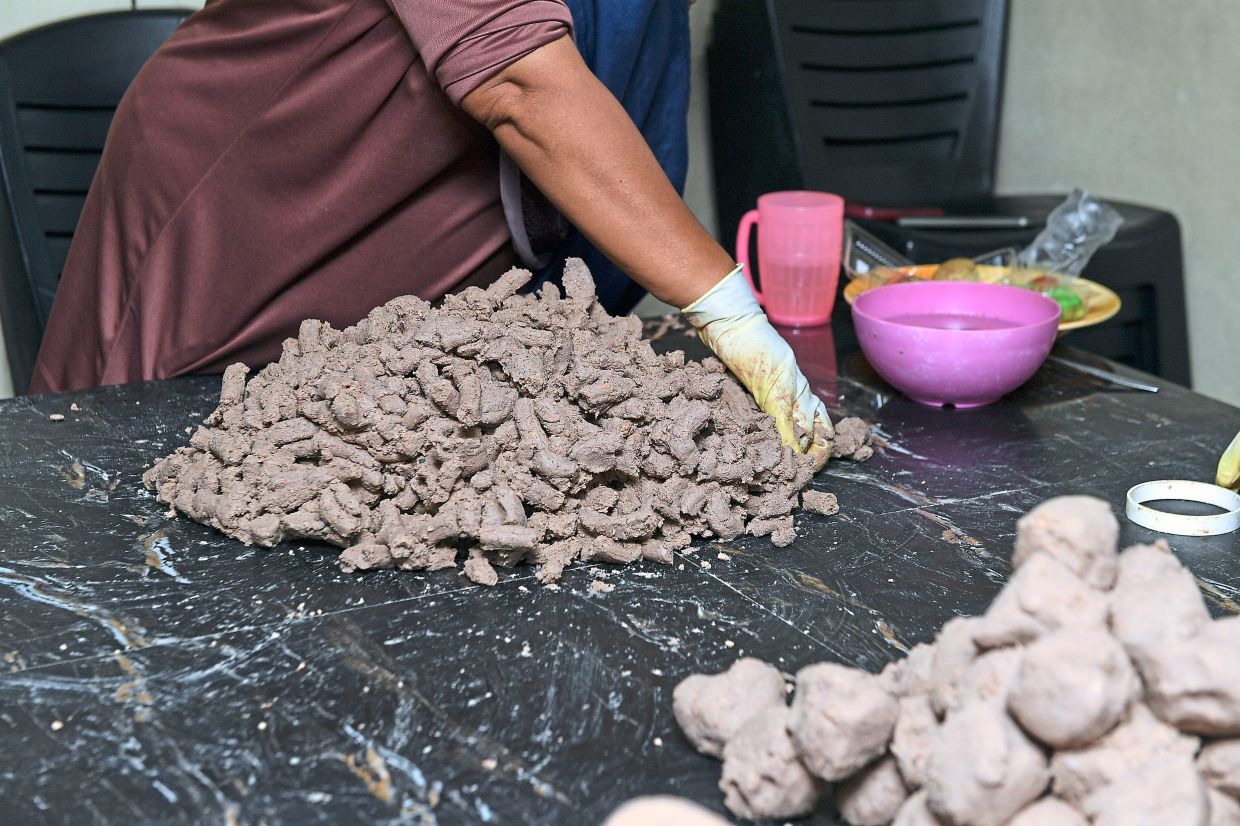
He and his workers handle much of the process manually – from shaping the paste into round bricks to wrapping them up for sale.
Husin said the quality of the prawns and weather conditions were key factors affecting production.
“When there is prolonged rain, we cannot dry the prawns properly, so production is affected.”
The belacan is made from udang geragau and salt.
Despite the challenges, online sales have helped him reach customers beyond Perlis.
“Selling online has allowed us to reach a wider market.
“We even have orders from Johor,” said Husin.