More effort is needed to support local artisans, especially as consumers increasingly turn to online shopping, says Minister in the Prime Minister's Department (Federal Territories) Hannah Yeoh.
She said supporting local entrepreneurs enables them to earn a living.
"These days, many of us purchase things online as it's convenient and affordable. But when you buy handcrafted products made by homegrown crafters, you are empowering crafters.
"And they can earn an income," said Yeoh during the Malaysia International Craft Fair (MICF) 2026 held at the Kuala Lumpur Craft Complex in Jalan Conlay, Kuala Lumpur recently.
Yeoh added that locally made crafts offered consumers a reasonably priced alternative while helping artisans sustain traditional craft skills.
The two-week-long event, which ended on Oct 5, attracted thousands of craft enthusiasts eager to explore a wide range of local and international crafts.
The international participants came from countries that included China, Japan, India, Indonesia, Thailand, Turkiye and Colombia.
Themed "Crafting Heritage, Inspiring Tomorrow", this year's fair highlighted how traditional crafts can continue to evolve through design, creativity and access to new markets.
A dedicated section brought together community-based artisans from different states, showcasing a range of traditional crafts, including handwoven mats, batik from various states and intricate beadwork.
While the Kuala Lumpur Craft Complex already serves as a one-stop craft and cultural centre, Yeoh hopes to see more fairs and exhibitions held there on a permanent basis, giving artisans from across the country a platform to showcase their products and reach more visitors.
"A gathering of many crafters from all over Malaysia under one roof is a must. When tourists come, they don't need to go to different states to purchase different types of craft," said Yeoh, adding that this was her third visit to MICF 2026 to support local artisans.
A permanent platform
Penan rattan crafter Rinai Madun, 48, agrees with Yeoh, saying such a platform could also help more people understand the work that goes into producing traditional crafts.
Rinai said many people were unaware of the effort involved in weaving baskets from scratch, particularly the hard work of sourcing for rattan.
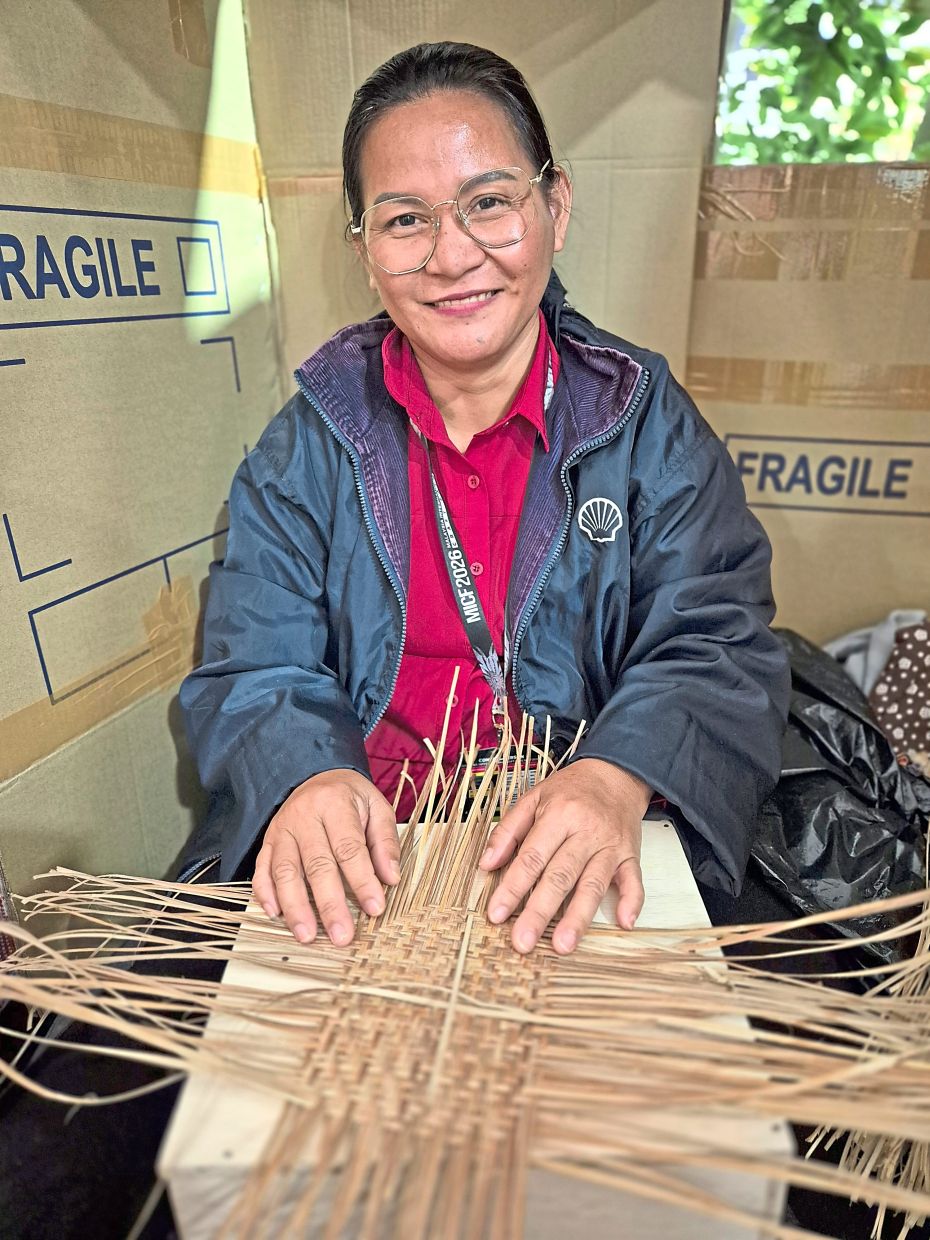
Rinai, who learnt weaving from her relatives, said it takes about two days to complete a seven-inch (18cm) square basket, which she sells for RM45.
"If you calculate the cost, we earn less than RM25 a day from our craft. And that does not include the hours spent sourcing rattan and preparing the materials needed to make a basket," said the mother of two.
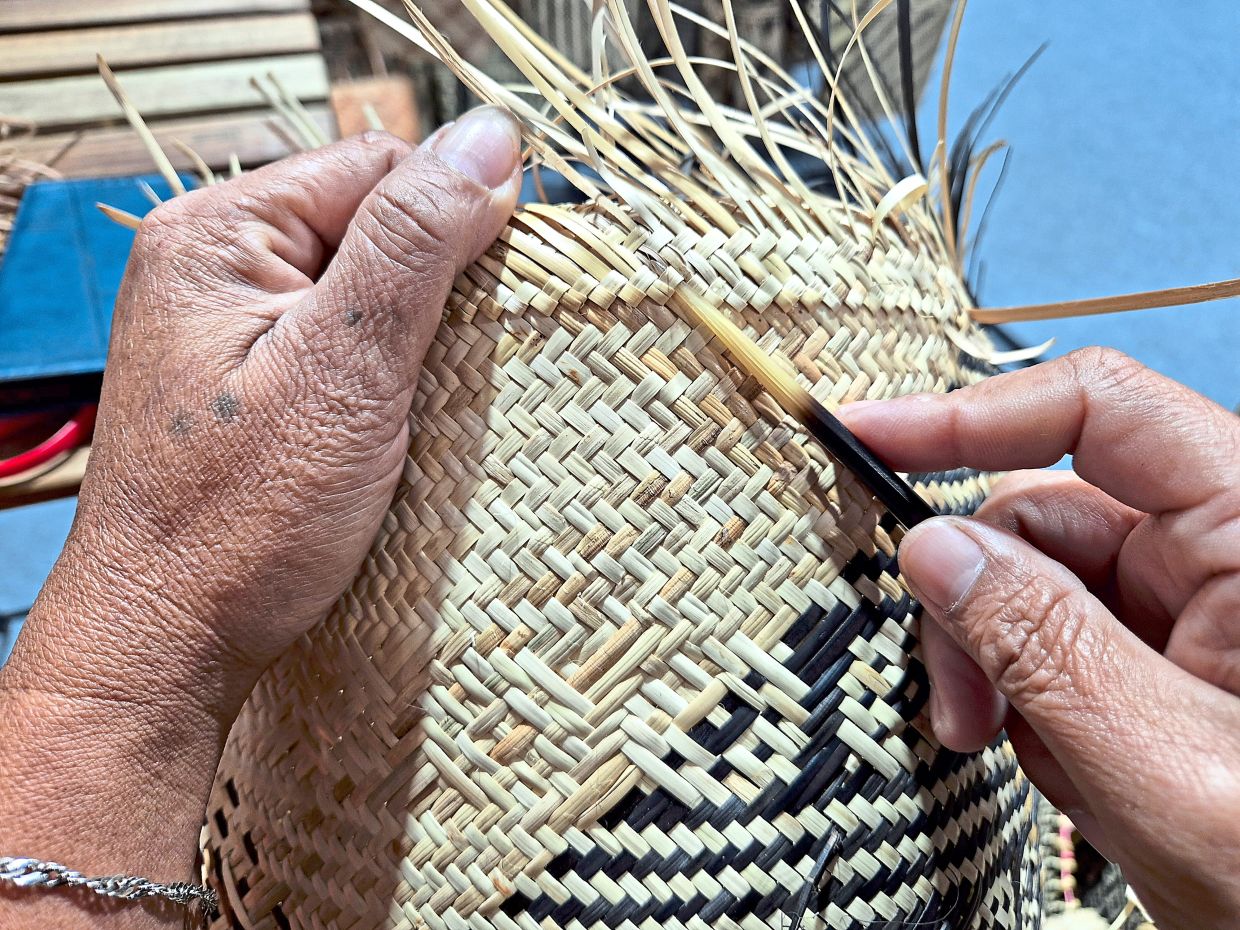
Rinai's rough, calloused hands bear the scars of her work, with deep cuts from her many trips into the jungle to source for rattan.
"We work hard to earn money," she said with a warm smile.
Rinai and her younger sister, Helen Maidun, 45, made the long journey from their remote village in Kampung Long Luteng, Baram in Sarawak, to take part in the fair. Accessible only via logging roads, the village is a six-hour four-wheel-drive journey from Miri, where they boarded their flight to Kuala Lumpur.
This is their first trip to Peninsular Malaysia. Coming from a remote village surrounded by dense forest, the sisters are experiencing a very different pace of life in the bustling city.
"KL has so many big buildings," said Helen in awe. "I have finally seen the PETRONAS Twin Towers."
Unlike crafters in urban areas, these women have limited awareness of how social media and digital platforms can help them promote their products and reach a wider market. It is hard not to feel for these women as they work hard to sell their crafts and earn a living.
A 2025 report entitled, "Weaving Change: Enhancing Economic Empowerment Among Penan Weavers," indicates that the Penan community's remote living conditions make travelling to town-based workshops costly and logistically challenging.
With many already facing limited incomes, the report – published by The Reach Alliance – noted that the cost of hiring drivers and travelling to cities can be a significant barrier to accessing markets and opportunities.
"Hopefully more communities will help us to market our products in the city," said the soft-spoken Helen.
Another concern for Helen is whether younger generations of Penan will carry on the traditional craft.
"Most of the youth prefer to work in larger towns as they earn a better salary. They aren't interested in searching for rattan as it's a tough job," shared the mother of three.
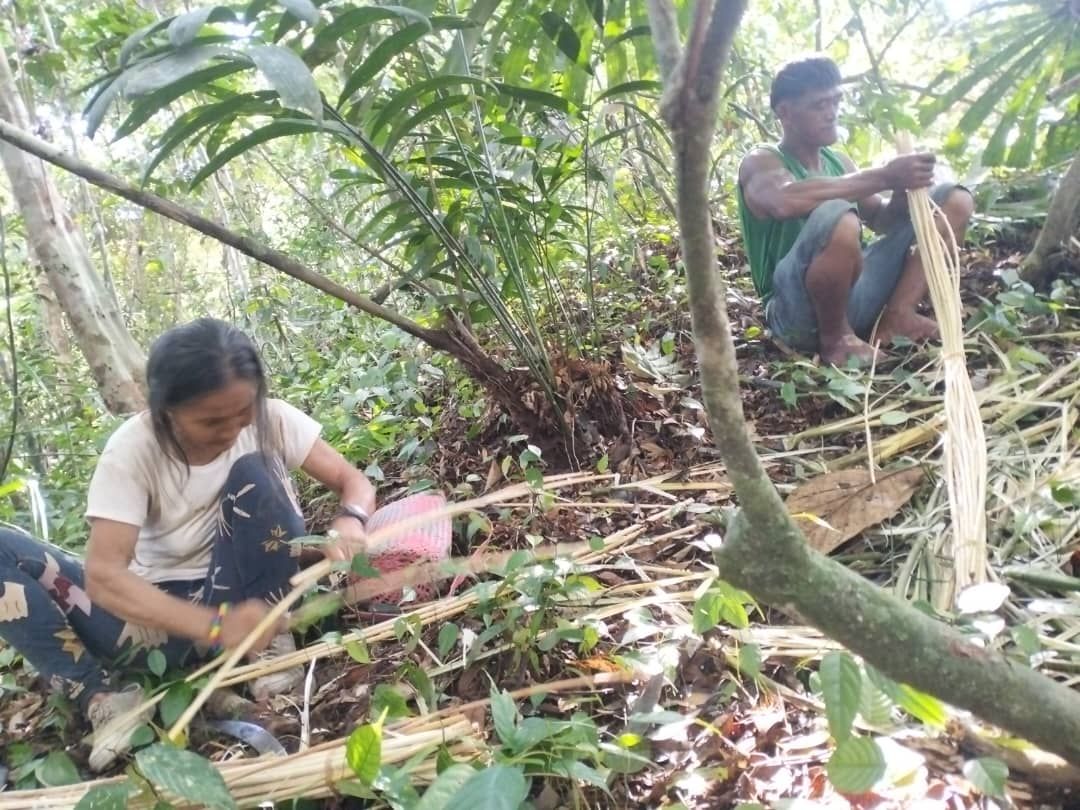
The work can also be dangerous, with the sisters encountering snakes, bears and wild boars while searching for rattan.
"We have to venture deeper into the jungle in search of rattan as it is becoming harder to find them. It's tough work. There are also leeches along the trails," Helen said, her body wriggling at the thought of the leeches.
The Madun siblings' experience highlights some of the challenges facing traditional crafters in the Penan community.
A permanent platform that brings artisans together under one roof could give local crafters greater visibility while making it easier for visitors, including tourists, to discover the country’s diverse craft traditions.
Preserving our heritage
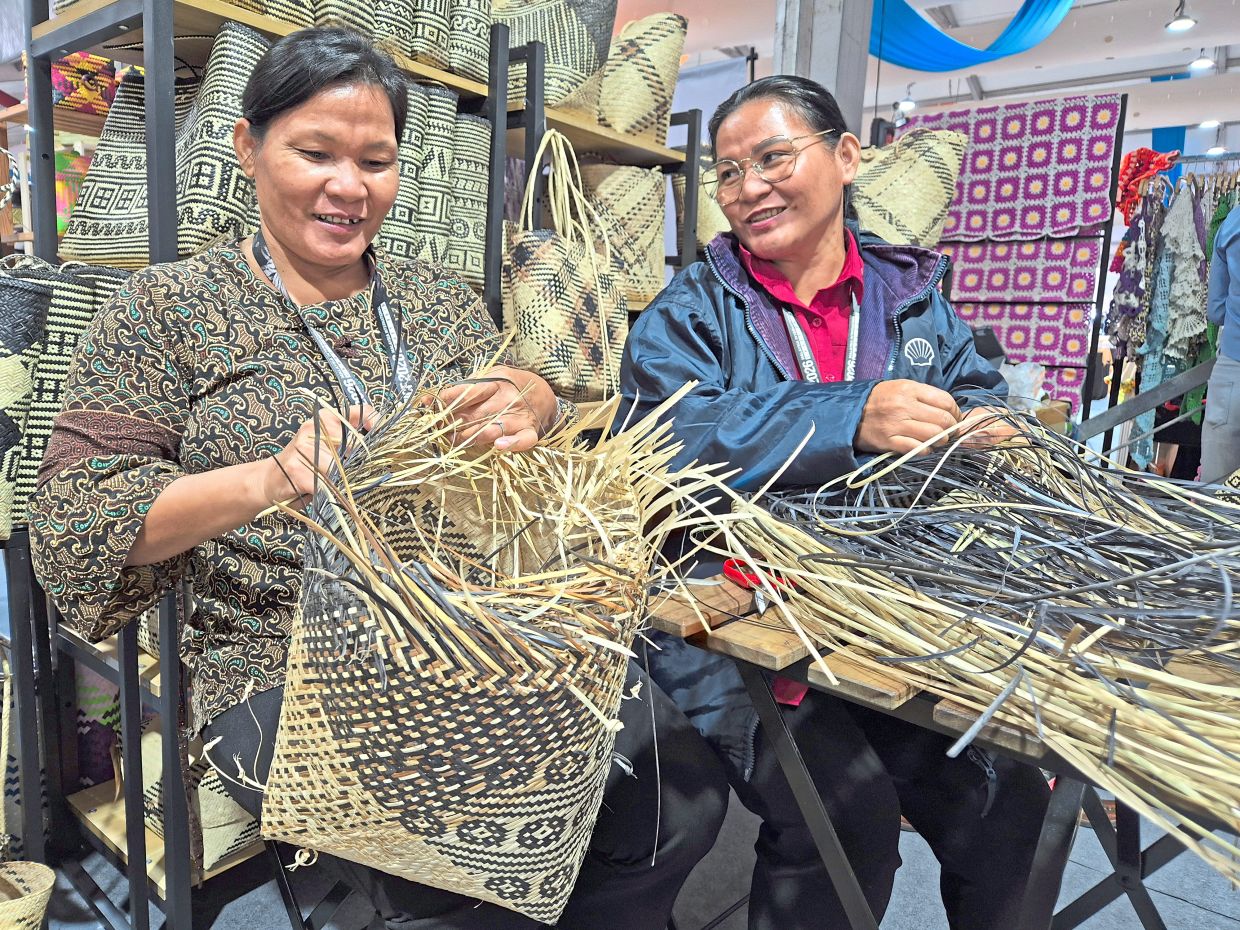
Penan sisters Rinai (right) and Helen travelled from Kampung Long Luteng in Baram, Sarawak to showcase their traditional rattan crafts at the Malaysian International Craft Fair 2026. Photos: The Star/Sheela Chandran
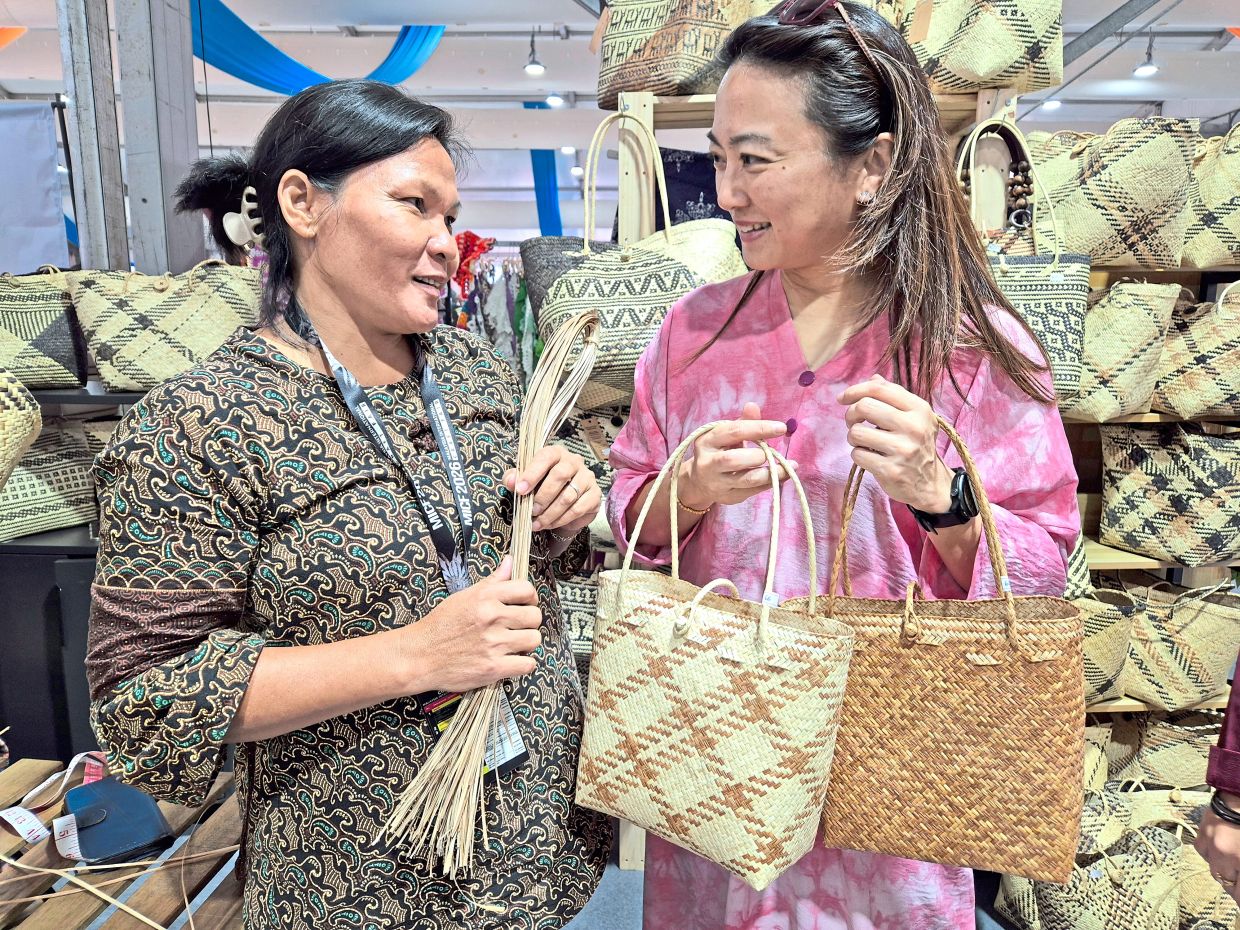
Yeoh (right) chatting with Helen during her visit to MICF 2026.
Photo: The Star/Sheela Chandran
Weaving rattan by hand is painstaking work, requiring patience and skill.
Photo: The Star/Sheela Chandran
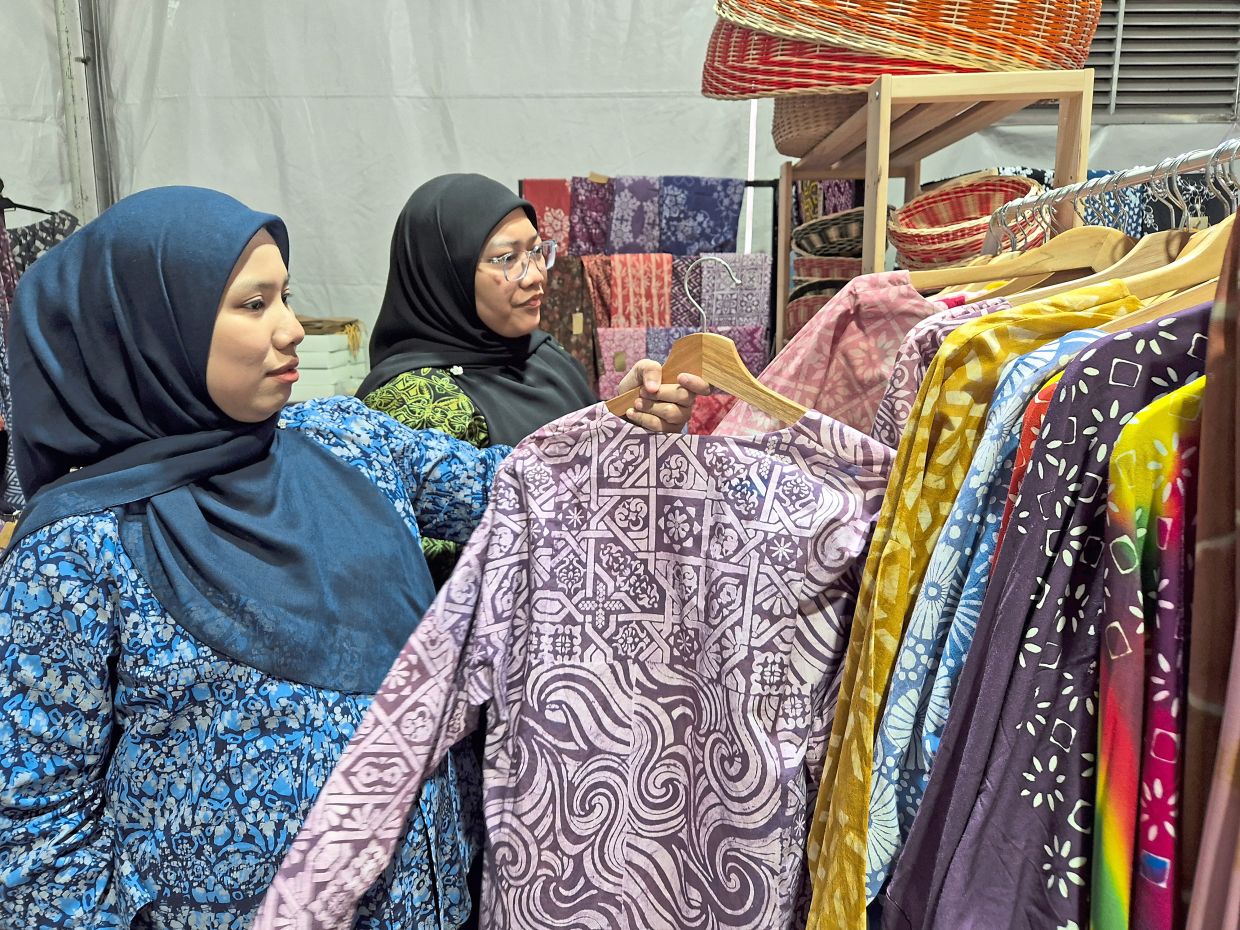
Neesha Nizam (left) and Nur Adilah Abdul Rahim admire outfits made from Perak batik.
Photo: The Star/Sheela Chandran
Rinai worries about the future of traditional weaving as rattan becomes harder to find.
Photo: The Star/Sheela Chandran
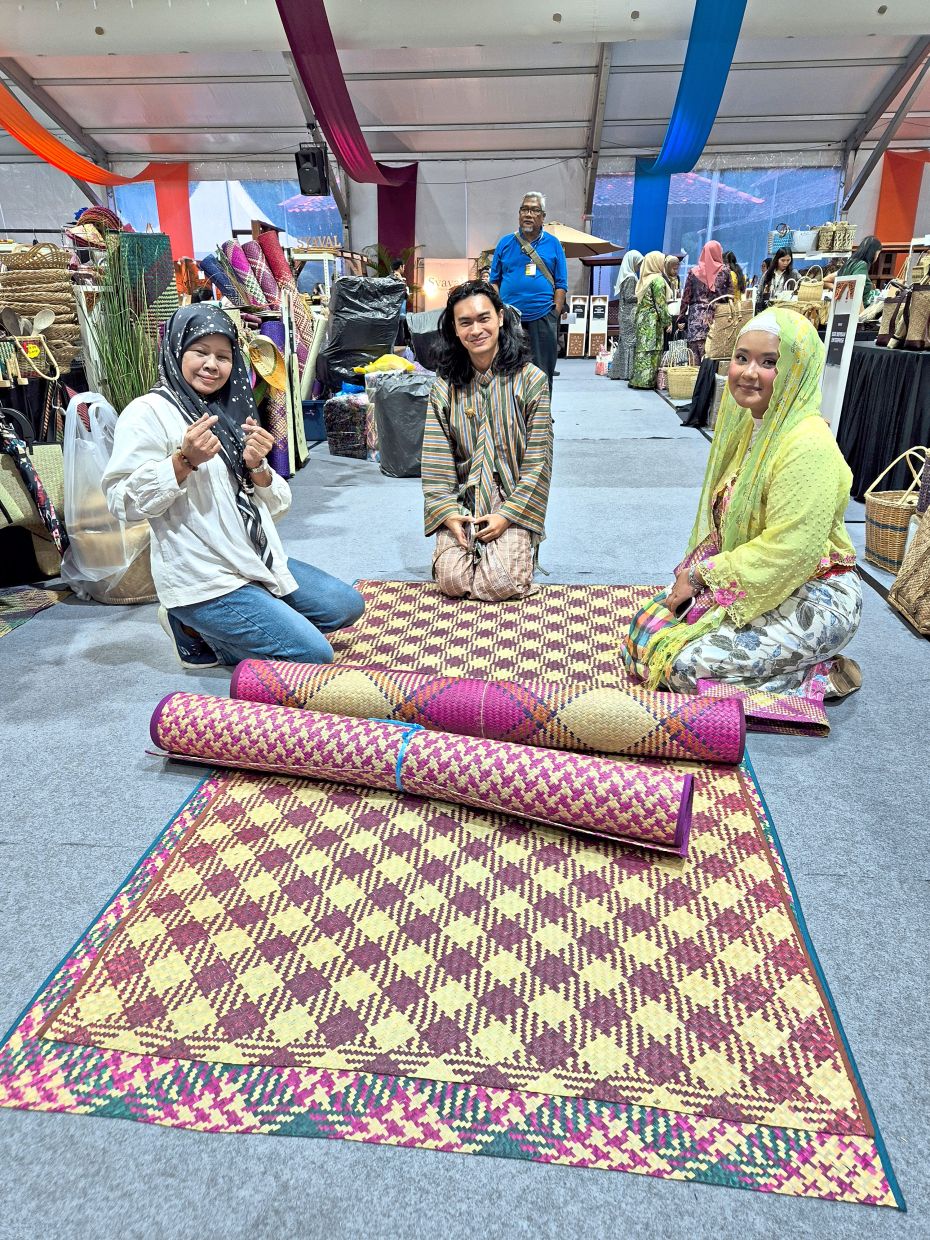
Visitors admire the intricate designs and vibrant colours of mengkuang mats at the craft fair.
Photo: The Star/Sheela Chandran
Crafters venture deep into the jungle in search of rattan. Photo: Helen Madun