ESTABLISHED in the early 1950s as a satellite township to alleviate congestion in Kuala Lumpur, Petaling Jaya was carved out of the former Effingham Estate – a 485ha rubber plantation off Jalan Kelang Lama.
This year marks 20 years since Petaling Jaya attained city status and its history remains deeply rooted in stories of resilience, community and growth.
For some families, Petaling Jaya is more than just a place to live. It is where their parents settled decades ago, where they were born and raised and where they continue to build their own families.
StarMetro speaks to some longtime residents about their experiences.
Humble start
Community activist Selva Sugumaran Perumal, 65, traces his family’s roots in Petaling Jaya to the early days of the township.
His parents, both rubber tappers, worked in Sea Port Estate, now known as Kelana Jaya, and previously in Bangsar when
it was still covered by rubber plantations.
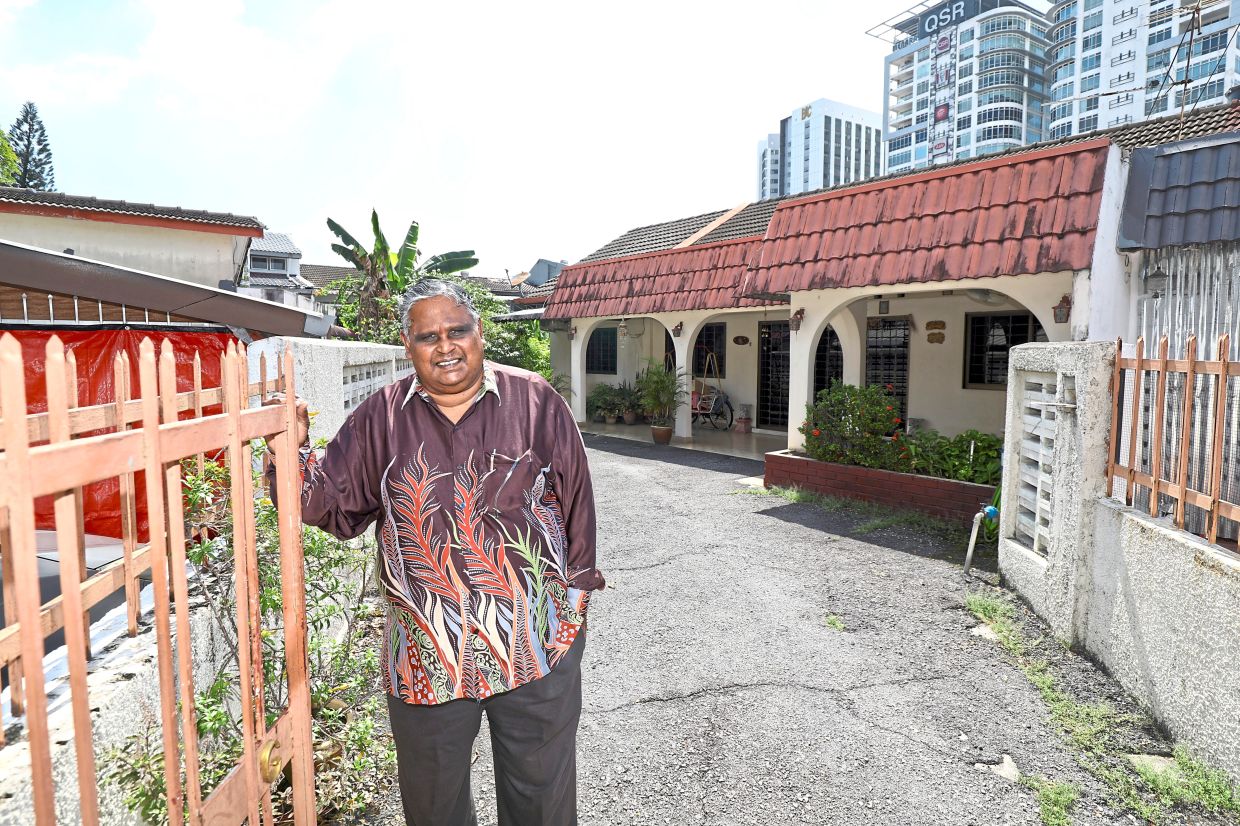
“I came from a very simple family. My parents moved to Section 14 when Petaling Jaya was being promoted as a satellite township in the late 1950s and early 1960s,” said Selva, who was born in Assunta Hospital.
The family purchased a house on Jalan 14/6 in the late 1960s for RM12,000.
“My father paid RM75 a month for the house,” he said, adding that he still lives there.
Among his fondest childhood memories is spending time in Petaling Jaya Old Town, then a bustling transport hub connecting residents to Kuala Lumpur and Puchong.
“When we were children, we moved around freely. There was no fear. Residents knew one another and there was strong camaraderie among neighbours.
“The local authority officers knew the residents personally and cared deeply about the township,” he said.
He said Petaling Jaya was also known for its hawker fare at Medan Selera in Section 14.
“There were around 50 food stalls selling everything from satay and char kuey teow to drinks. It was one of the most popular places in town,” he recalled.
However, over the years, the food court area has been scaled down as the area developed, and is now a shadow of its former self.
Selva also remembers Taman Jaya Park, which once featured a rocket-shaped playground structure and a now-demolished seven-exit roundabout near Jalan Gasing.
While Petaling Jaya has modernised significantly, Selva hopes future development will focus on creating a city that is more senior-friendly.
“We have an ageing population. The city must continue evolving to meet the needs of older residents,” he said.
A place to call home
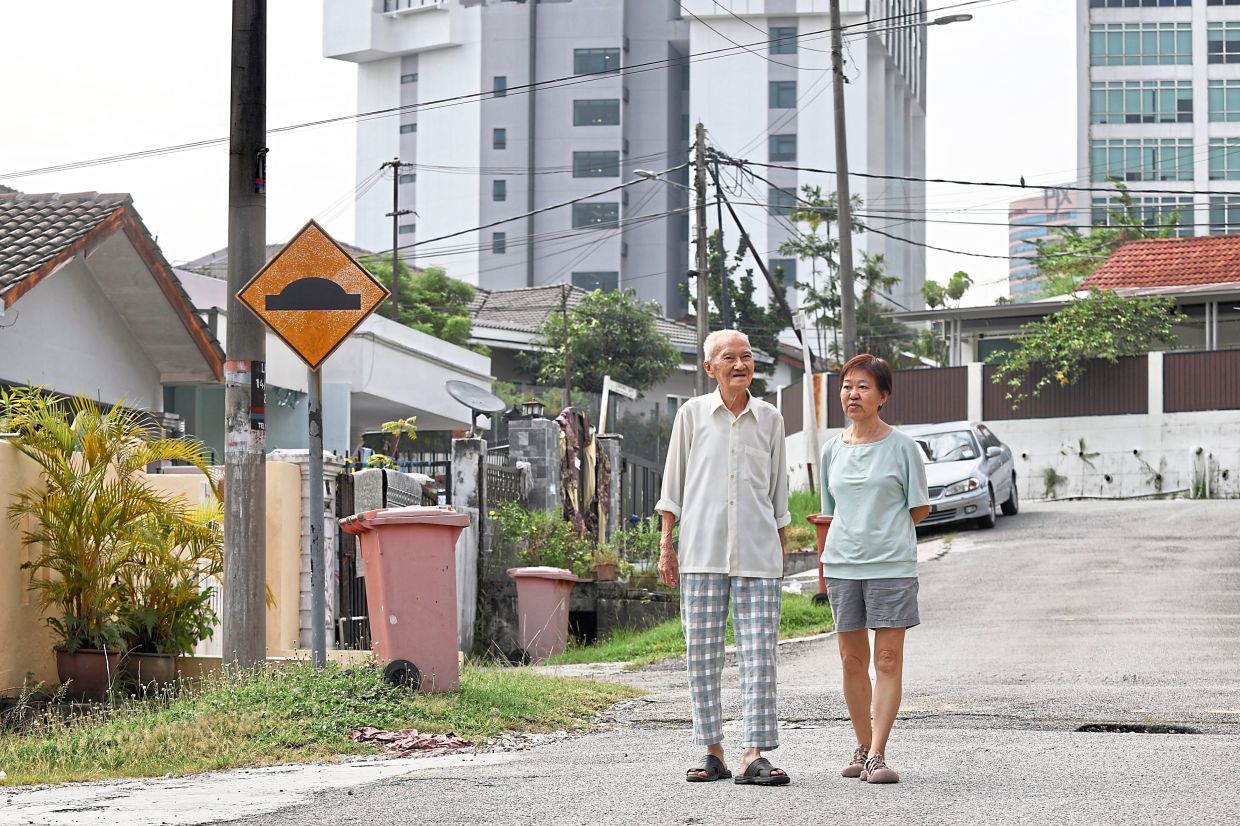
At 96, Chin Yek Soon still remembers how determination helped him secure a house in Section 14 nearly six decades ago.
The former police officer recalled struggling to obtain a housing unit from the Selangor State Development Corporation (PKNS) in 1968.
“I had been trying for some time. One day, I walked into the office and demanded a unit. Later that day, they called and informed me that a few units were still available.
“It was Aug 8, so I chose house number 8. The house cost RM11,000,” he said.
Born in Johor Baru, Chin spent part of his youth working during the Japanese Occupation before later becoming a Chinese interpreter for the British administration due to his fluency in Mandarin and English.
He eventually moved to Kuala Lumpur and worked for a machinery import company while running a photography studio on the side.
It was through the studio that he met the woman who would later become his wife.
“This beautiful girl often came to develop photographs.
It turned out I also knew her father through mahjong games. Eventually, I married her,” he said with a smile.
Despite his age, Chin remains active and enjoys his favourite foods, especially Indian cuisine and curry.
His daughter, Chin Oi Leen, 69, grew up in Section 14 and remembers a neighbourhood filled with young families.
She was in Standard Six during the May 13 riots, in 1969.
The tension of the era forced the local population to rely heavily on one another for protection and reassurance.
“If anything suspicious happened, residents would bang pots and pans to alert the neighbourhood.
“Back then, everyone looked out for one another,” she said.
Today, she notices a demographic shift.
“The young have moved away. There are now more seniors living in the neighbourhood,” she said.
United neighbourhood
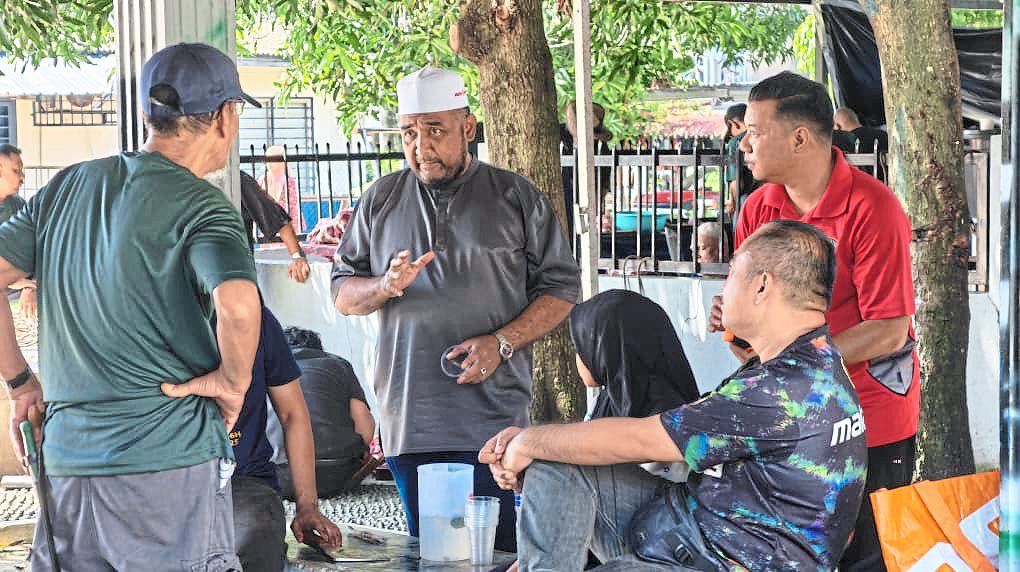
Petaling Jaya City Council councillor Ahmad Akhir bin Pawan Chik, 59, credits his upbringing in Taman Dato Harun for shaping his views on unity.
Although born in Melaka, he moved to what was then Kampung Ghandi with his family when he was two years old.
His parents enrolled their youngest children in SJKC Yuk Chyun, exposing them to different cultures from an early age.
“There was never any racial division in my heart growing up,” he said.
One of his closest childhood memories involves a Sikh family living next door.
“They owned cows and sold milk. We were very close.
“Sometimes family members would come to our house to talk about their problems and seek advice,” he recalled.
He remembers the 1980s and 1990s as a period when neighbours of different races frequently came together for weddings, festive celebrations and community activities.
“When there was a wedding, everyone helped. During Deepavali, Hari Raya or other celebrations, people cooked together regardless of race,” he said.
He acknowledged that racial tensions surfaced during a clash in the neighbourhood in 2000, but believes the incident was not reflective of the true spirit of local residents.
“We sheltered some of our Indian neighbours because they were afraid. That is the Petaling Jaya I know,” he said.
Another cherished memory was cycling with friends to areas that would later become major commercial centres.
“We used to cycle long distances and spend our days outdoors. We even caught prawns in rivers near Subang Airport,” he recalled.
Looking ahead, Ahmad hopes old neighbourhoods such as Taman Dato Harun and Taman Medan will undergo redevelopment to improve living conditions while preserving community ties.
Graveyard playground
For four sisters from Section 22, growing up next to the Kampung Tunku cemetery was simply part of everyday life.
Their parents, Nesamany Muthu and Amuni Nadeson, met while working at the then University Hospital.
Through years of hard work, they bought a house in Petaling Jaya.
The eldest daughter, Parimala Nesamany, 54, remembers her father’s light-hearted response whenever people expressed concern about living near a cemetery.
“My father would simply laugh and say there was nothing to worry about with four lively girls in the house,” she said.
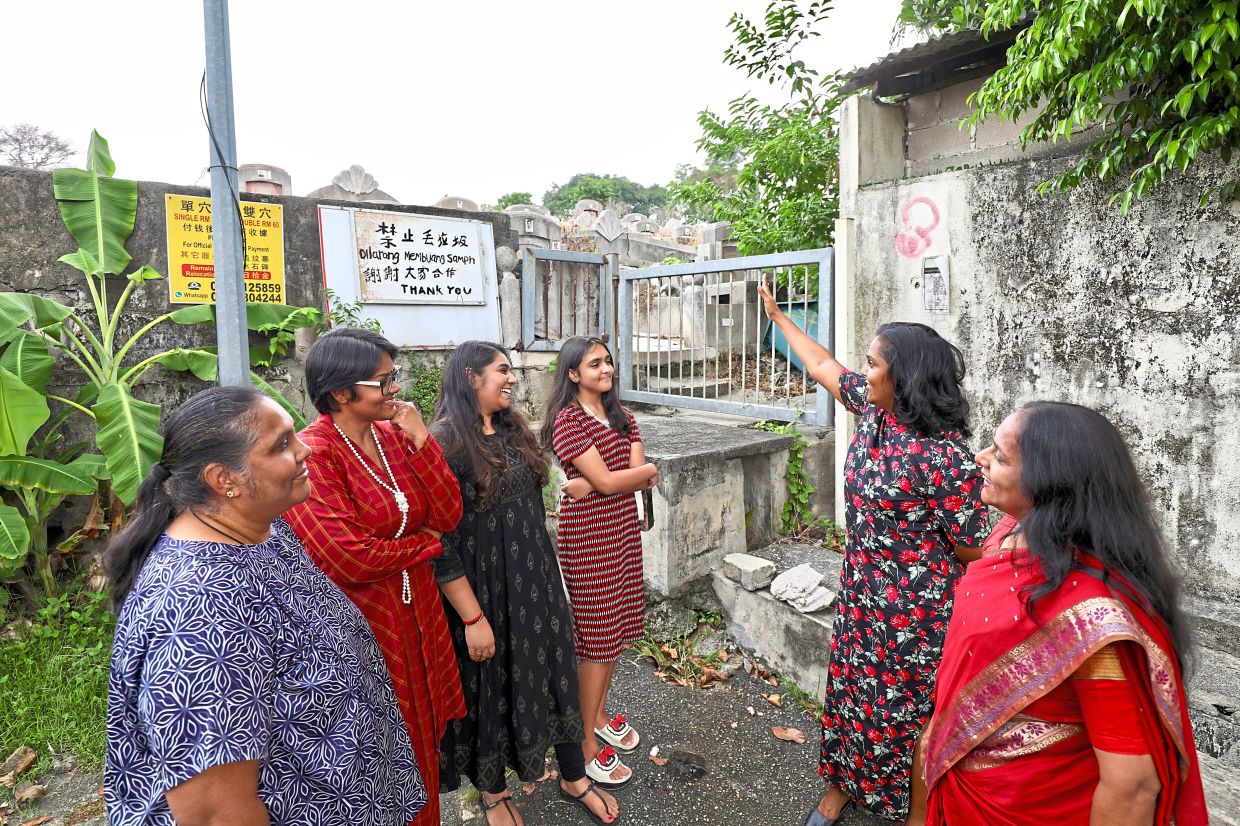
The sisters spent much of their childhood cycling around the neighbourhood, experimenting with recipes in the kitchen and playing outdoors.
“The graveyard was our playground,” Parimala recalled.
Contrary to traditional expectations that daughters would eventually move away after marriage, all four sisters chose to remain close to their parents.
Each has built a successful career while continuing to maintain strong family ties.
Parimala believes their father’s encouragement played an important role in shaping their future.
The third sister, Dr Bawani, developed a fascination with nature from a young age and often rescued injured animals. Her curiosity eventually led her into the medical profession.
Their father, who worked in laboratory fields including radiology, parasitology and genetics, encouraged his children’s interests and education.
The second sister, Theenmolzi, is an IT manager, while the youngest, Sundari Subasini, is a lecturer.
The sisters fondly recall a time when neighbours paid close attention to the welfare of local children.
Sundari remembers waiting outside her school for her father when a rubbish truck driver approached and told her to return to school because classes were still in session.
“This showed how much people cared. Everyone looked out for one another’s children,” she said.
The family remains active in neighbourhood initiatives, including community gardening and local support programmes.
City built on community
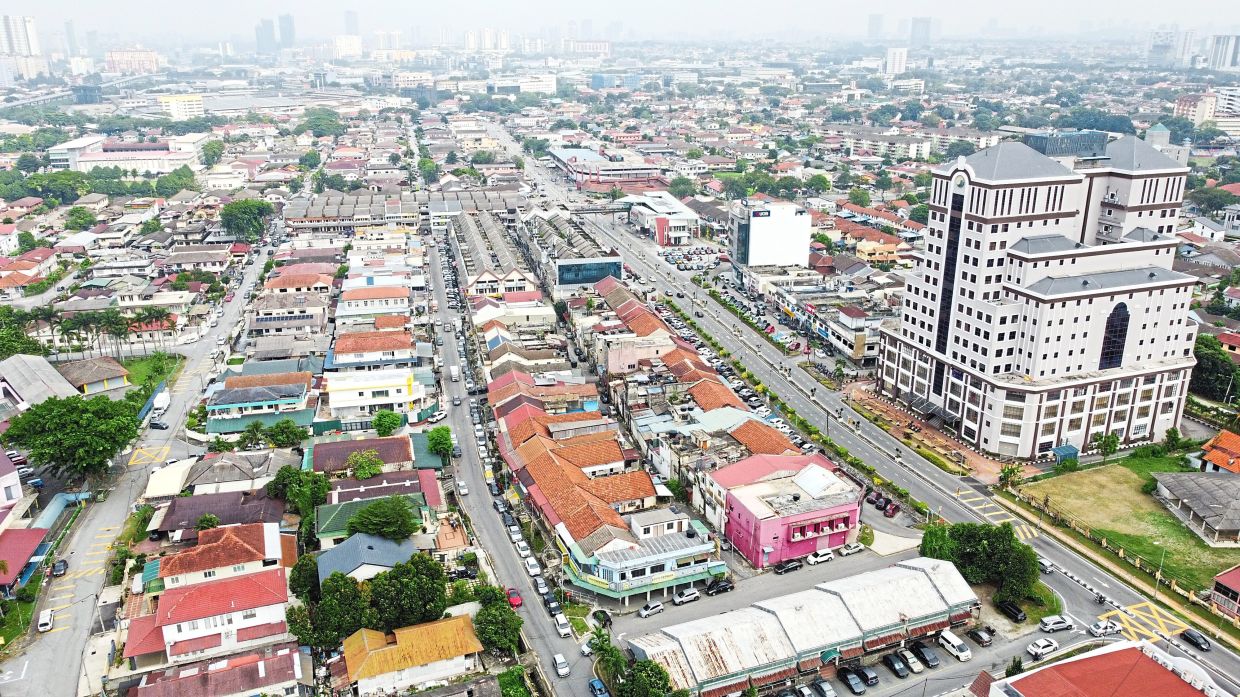
Today, Petaling Jaya faces new challenges, including ageing populations, redevelopment pressures and changing lifestyles.
Yet for many long-time residents, the values that shaped Petaling Jaya’s early years remain just as important as its modern skyline.
For families who have called the city home for generations, Petaling Jaya is not merely a place on a map. It is a living record of their memories, struggles and achievements.