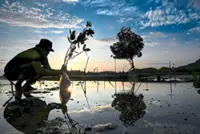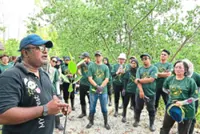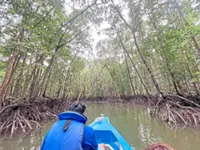
SOME 1,000 mangrove saplings have been planted along the coast of Kuala Haji Ibrahim in Nibong Tebal, Seberang Perai, under a long-term initiative to bolster Penang’s coastal protection.
The latest effort brings the total number of trees planted to 24,200 across various sites across the state, including Sungai Acheh, Sungai Chenaam, Changkat Fishermen’s Jetty and Pantai Malindo.
The initiative is a collaboration between Penang Infrastructure Corporation Sdn Bhd (PIC), state Forestry Department and Silicon Island Development Sdn Bhd, following a memorandum of understanding signed in January 2023.
Penang rural, agrotechnology, food security and entrepreneurial development committee chairman Datuk Rashidi Zinol said the programme was a strategic investment in both coastal resilience and the rural economy.
“Mangrove forests are ‘natural food production factories’.
“When the habitats of prawns, crabs and fish are preserved, we are safeguarding protein supply and food security for the people of Penang,” he said at the launch of the mangrove planting and coastal peat swamp forest habitat restoration programme.
Rashidi said the sustainability push would extend to Silicon Island, where they hoped to plant 20,000 mangrove trees and other suitable species on the reclaimed land off the southern coast of Penang island.
He noted that the project’s reclaimed status allowed planners to integrate green zones from the outset.
“This enables green zones to be strategically integrated to realise the vision of Silicon Island as a sustainable smart city with a distinctive green coastal landscape.”
PIC chief executive officer Datuk Seri Farizan Darus said the programme, under the project’s Ecology Offset Masterplan, reflected a broader commitment to ensure development progresses alongside biodiversity conservation.
“What we are doing today is not merely routine tree planting; it is a form of giving back to nature. These are small actions that create a significant impact for future generations.”
He added that the plan adopted science-based measures such as artificial reefs, fish aggregating devices, restocking of marine life and ongoing research with local experts.
Penang Forestry Department deputy director (Operations) Rasyiffa Hayati Rasidan said conserving mangrove ecosystems required collective responsibility, given their role in coastal protection and as a source of livelihood for local communities.
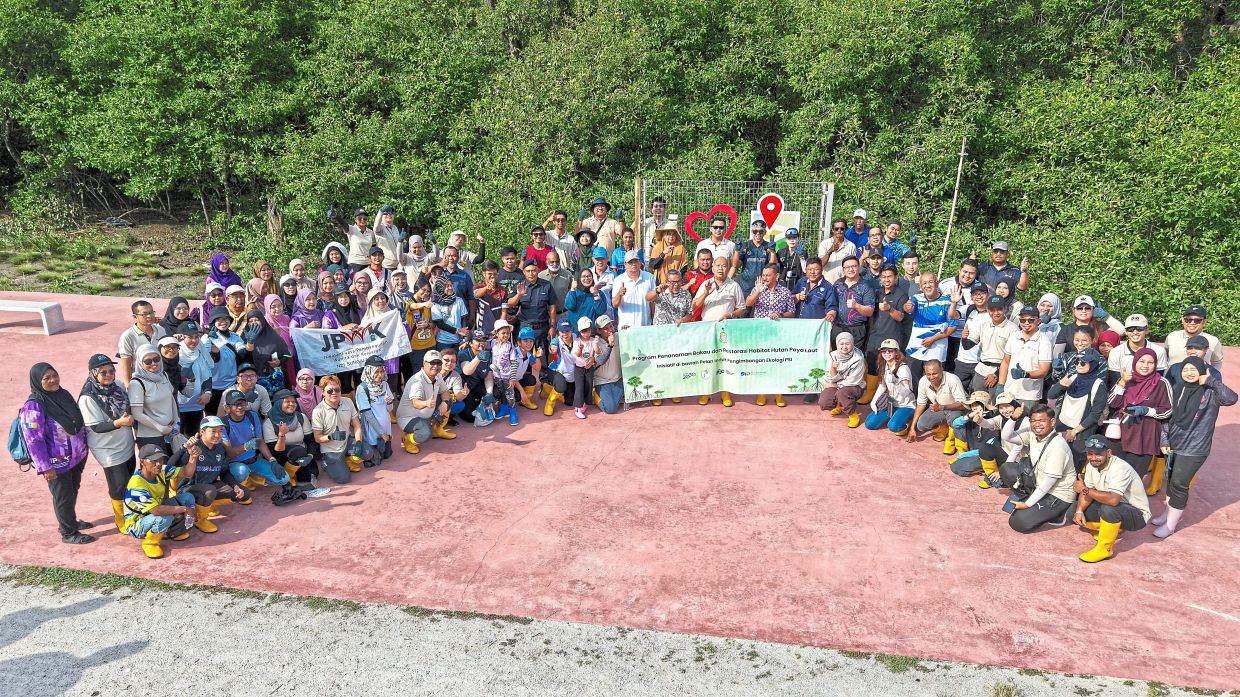
The programme saw participation from various government agencies, local communities and volunteers.