
Rooted in port history and factory shifts, these distinctive hubs serve a segment of society that prefers shopping long after dawn
UNLIKE typical wet markets that open at dawn, two of Penang’s most iconic trading sites – the Lebuh Cecil and Batu Lanchang markets – only come alive long after the sun has come up.
This is a tradition sustained across generations, maintained by a dedicated community of traders and loyal patrons who see these spaces as a reflection of the state’s economic evolution, shifting work patterns, and unique urban lifestyle.
In Penang’s early days as a bustling port city, the arrival of fresh seafood and vegetables was dictated by the tides and the docks rather than the clock.
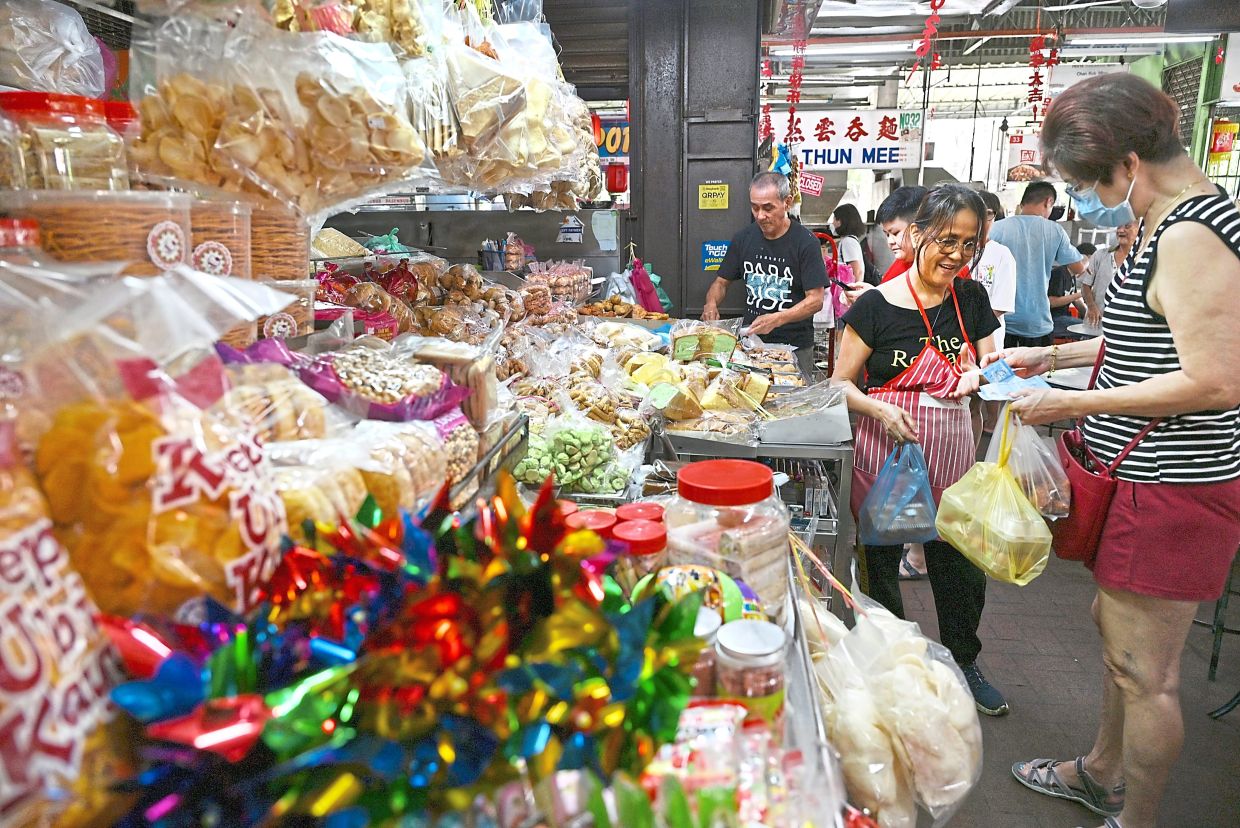
Goods arrived throughout the day and were often sold immediately due to the limited refrigeration of the era.
This pattern was further cemented in the 1970s with the rapid industrialisation of the Bayan Lepas Free Industrial Zone.
Round-the-clock factory shifts meant thousands of workers kept unconventional hours, making afternoon shopping a practical necessity for those living in dense urban pockets.
Over time, these retail spaces evolved into vibrant community hubs, where wet markets, hawker centres and various service providers formed a closely connected ecosystem.
Afternoon routine
At the Batu Lanchang market in Jelutong, the workday for many begins at noon.
Traders can be seen preparing their stalls for the inevitable rush that builds as the afternoon progresses.
S. Samugaveloo, 62, who has worked here as a vegetable seller since 1987, said the market’s business hours have always mirrored customers’ routines.
“On weekdays, most of the customers here are working, so they do not have time to come in the morning.
“The market only starts getting busy in the afternoon after they finish work and stop by,” he said.

This schedule has its perks for the sellers too; Samugaveloo said his suppliers delivered stock later in the morning, allowing him to “wake up a bit later and enjoy a good breakfast” before his shift began.
For fishmonger Koay Keng Choon, 66, who has traded at the site for 35 years, the afternoon timing is a matter of logistical common sense.
“My fish and prawns arrive in the late morning, and by noon they are ready for sale and still fresh for those who only plan to cook in the evening,” he said.
Many of his customers arrive in their work uniforms, while others simply prefer a more relaxed pace of shopping compared to the frantic morning rush found elsewhere.
Koay believes that this split helps the wider ecosystem: “Operating in the afternoon also gives room to other markets that open in the morning.
“This way, we reduce competition and complement one another.”

The market’s chairman, Poh Chai Lee, 72, said this tradition predated the current site.
He said many traders originally operated in Island Glades in the 1970s, where they had already built a following among residents looking for produce and ready-to-eat food later in the day.
When they relocated to Batu Lanchang in 1986, they brought the afternoon concept with them.
“We have tried opening in the morning, but there was no business. Traders also cannot sustain opening the whole day,” he said.
Having started as a fruit seller before switching to biscuits,
Poh noted that while business was once stronger before the advent of hypermarkets, Batu Lanchang’s identity as one of Penang’s first afternoon markets has helped it endure.
Today, the market houses around 100 lots and has diversified into services such as clothes alteration, shoe repair, and photocopying services.
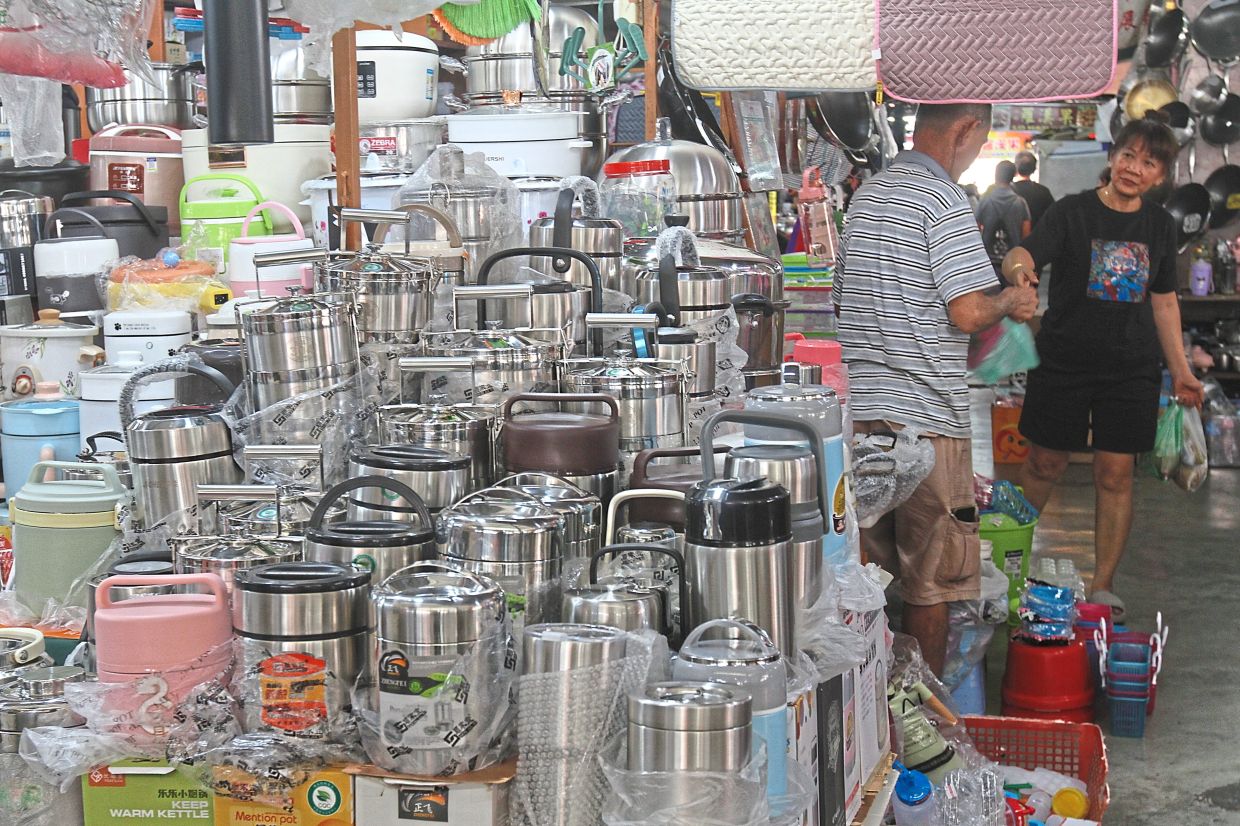
This role as a neighbourhood anchor is reinforced by the adjoining food complex, which houses 143 lots.
Second-generation mee goreng seller Muhammad Khalil Mohd Shariff, 40, estimated that roughly 40% of market shoppers eventually stop by the food complex to dine or take away food.
Drinks seller Yeo Poh Beng, 58, said the complex now catered to distinct waves of people.
“Most of the customers who come in the morning are working adults meeting up before work.
“Then we get the lunch crowd, and after that, many will stop by the market to buy raw ingredients to cook at home.”
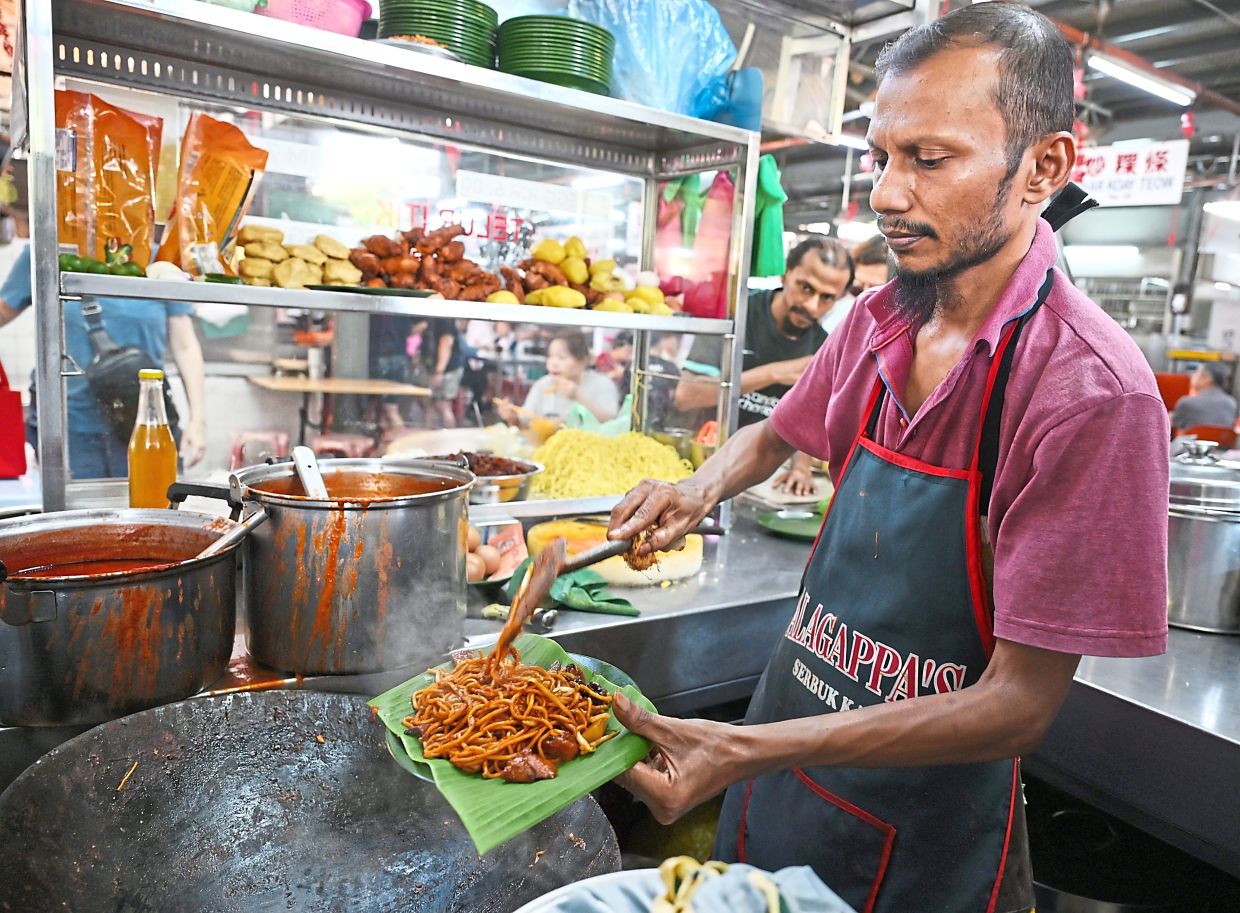
The convenience is not lost on the patrons.
Building planner Norsyamimi Atiqah Mohd Zahir, 33, said: “I usually come just before work to buy some ingredients, then I drop them off at home for my family before heading to work in the afternoon.”
For office clerk Lim Siew Ling, 42, the market is a post-work ritual.
“I usually finish work about 5pm, so coming here in the evening is more convenient.
“I still prefer wet markets over supermarkets, as the produce feels fresher and prices are more flexible; sometimes you can still bargain a bit,” she added.
All-in-one destination
In George Town, the Lebuh Cecil market – affectionately known in Hokkien as the Seventh Street Market – carries a slightly different historical weight.
Historically a home for workers, small traders, and lower-income families, it began operations in the 1960s and evolved into a major food and retail destination.
According to Penang Island City Council (MBPP), Lebuh Cecil market remains the largest temporary trading site, with 310 lots for traders and hawkers, along with another 67 wholesale lots.
Dry ingredients seller Tan Kok Weng, 66, who joined the market in 1985, remembered a time when the market was the primary “all-in-one” destination for the community.

“In the past, people had fewer options. There were very few places to buy ingredients, so people came here for vegetables, meat, and dried goods, and then stayed to eat nearby,” he said.
Tan said his business had always followed the market’s afternoon rhythm, with customers coming in steadily from late morning until evening.
“I have tried opening in the morning before, but there was no business,” he added, reinforcing the idea that the community’s habits are deeply set.
For nearby residents like office clerk Ng Siew Hoon, 54, market runs are a matter of habit.
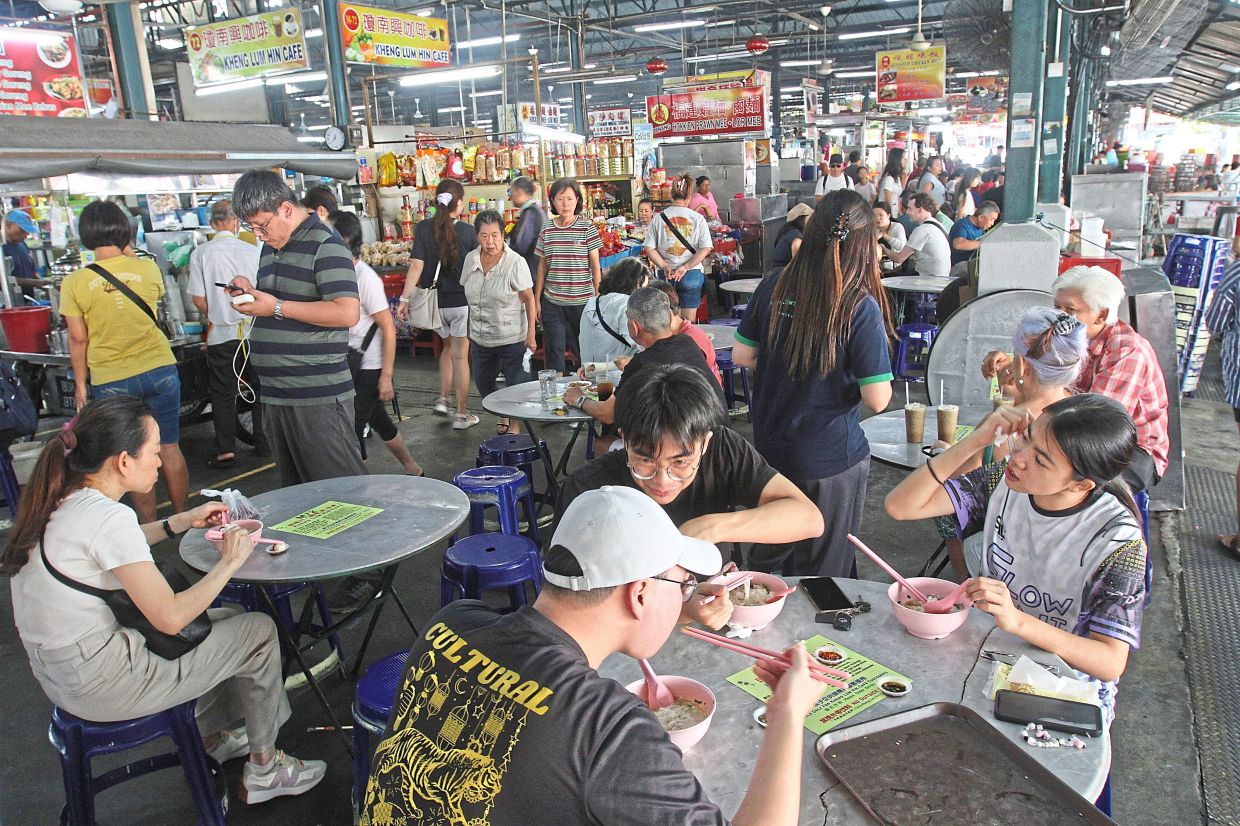
Living in nearby Lebuh Macallum, she visits in the afternoon after work because it allows her to get everything she needs in a single stop and from traders she has known for years.
Even those from outside Penang are drawn to the atmosphere. Sarah Lim, 31, a tourist from Singapore, described her visit as a highlight of her trip.
“I wanted to see a more local side of Penang, and this place feels very authentic,” she said.
For her, the market provided a window into how Penang’s food culture operates, with the close link between fresh ingredients and the immediate availability of cooked hawker fare creating a seamless cultural experience.