
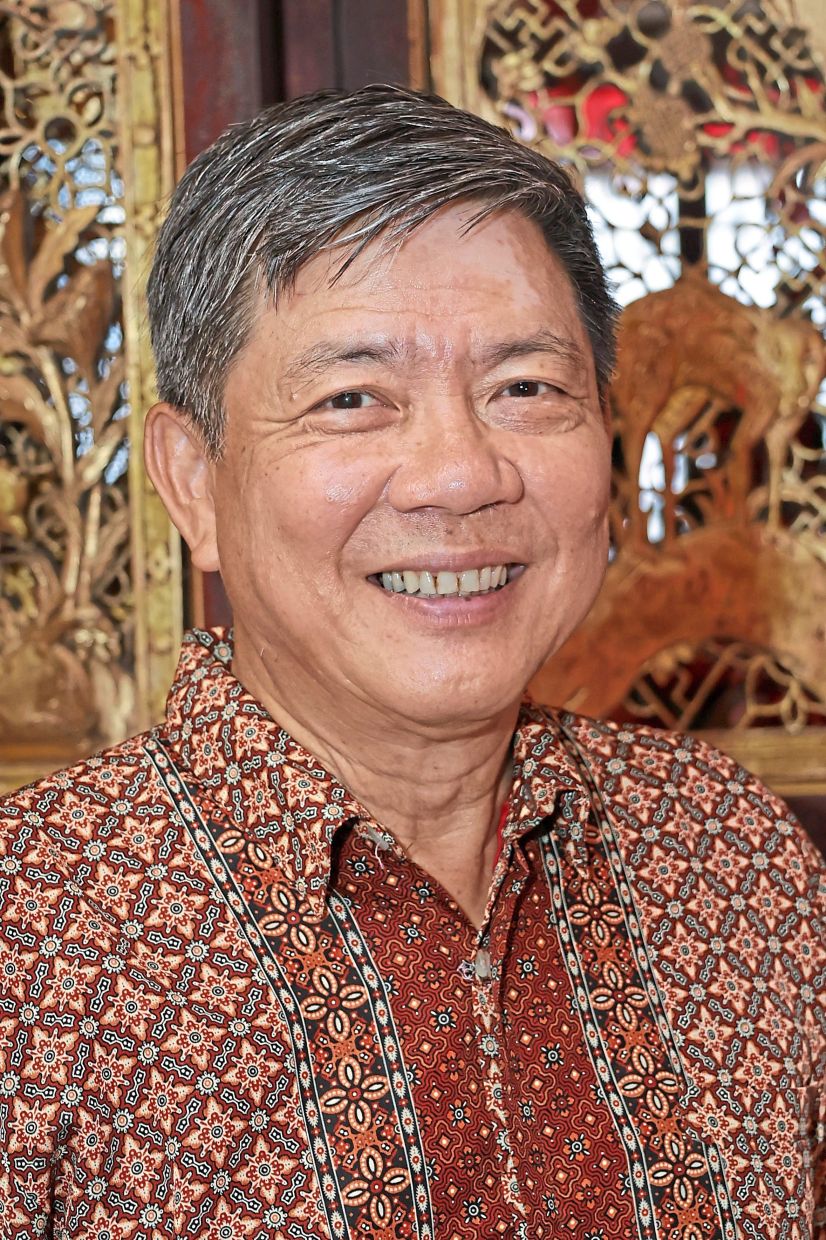
PENANG’S afternoon wet markets emerged as a direct response to rapid urbanisation and a centuries-old cosmopolitan character, according to Penang Heritage Trust president Clement Liang.
He traced the evolution to the development of dense urban communities, which created a demand for flexible trading hours that the traditional morning sessions could no longer satisfy.
“These afternoon markets bloomed as the city developed, with more people living and working in concentrated urban areas and needing access to fresh produce at different times of the day.
“Penang’s history as a cosmopolitan trading hub also played a key role, with diverse communities bringing different habits and expectations.
“With people from different backgrounds, cultures and work schedules, that diversity influences when and how markets operate,” he said.
Commercial survival also played a significant role in this shift.
Liang observed that many traders chose afternoon sessions specifically to avoid direct competition with morning markets, successfully capturing a segment of the public who preferred to shop later in the day.
These factors, alongside changing modern lifestyles, helped transform the afternoon market into a permanent fixture of Penang’s urban culture.
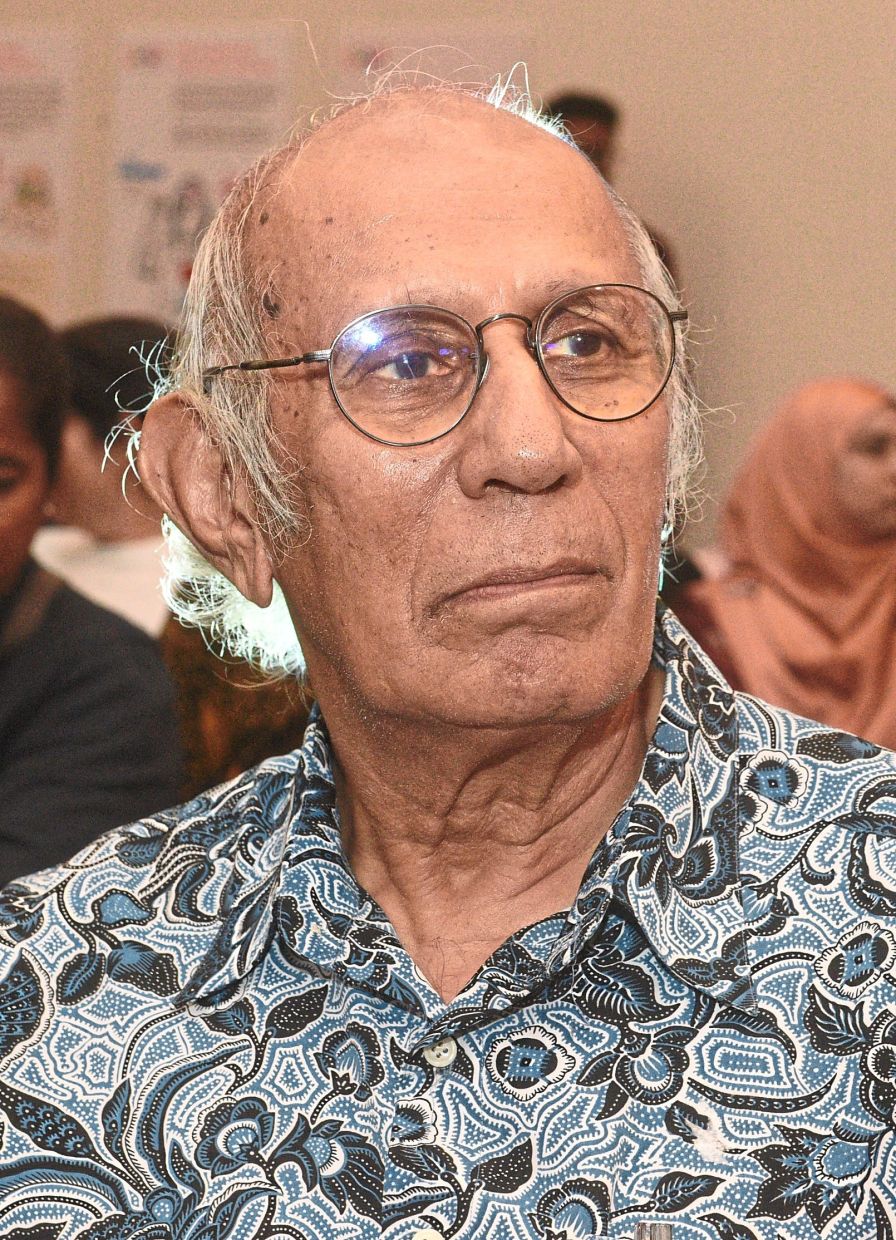
Civil society activist Datuk Seri Dr Anwar Fazal linked this culture to Penang’s heritage as a port city, where tourism and round-the-clock economic activities forged a unique food landscape.
He attributed the prevalence of these markets to the state’s compact layout and its reliance on shift-based industries such as manufacturing, services and hospitality.
“Penang is quite compact, so it becomes like a 24-hour circle within a certain area,” Anwar said, noting that the ease of movement allowed residents to shop or eat at almost any hour.
He found that industries running 24-hour shifts provided a steady customer base that supported businesses staying open well into the evening.
This constant street-level activity remained a defining feature of life in the state.
“People go out not just to shop but to eat, or simply to walk and experience the streets.
“You see people eating ice-cream or corn while on the go, and even traditional vendors like the ‘roti man’ (traditional bread sellers) are still in business,” he said.
The steady flow of visitors and expatriates further dictated these consumption patterns.
“Penang has people coming in large numbers, including expatriates who lead different kinds of lives,” said Anwar.
Since markets were typically situated near food courts, he said they evolved into social hubs where groups gathered to eat and shop, cementing the experience as a core part of local identity.
Ultimately, these markets served as vital social anchors for the community.
Anwar believes they bring together a highly diverse customer base, allowing different races and cultures to share the same physical spaces.
“Even if people do not know each other, they are in the same place, eating, walking and interacting, and that becomes part of the social fabric,” he said, describing this constant access to food and goods as a hallmark of the Penang experience.