




We always looked forward to her rendang daging, which was completely different from the versions normally encountered at restaurants or shops.
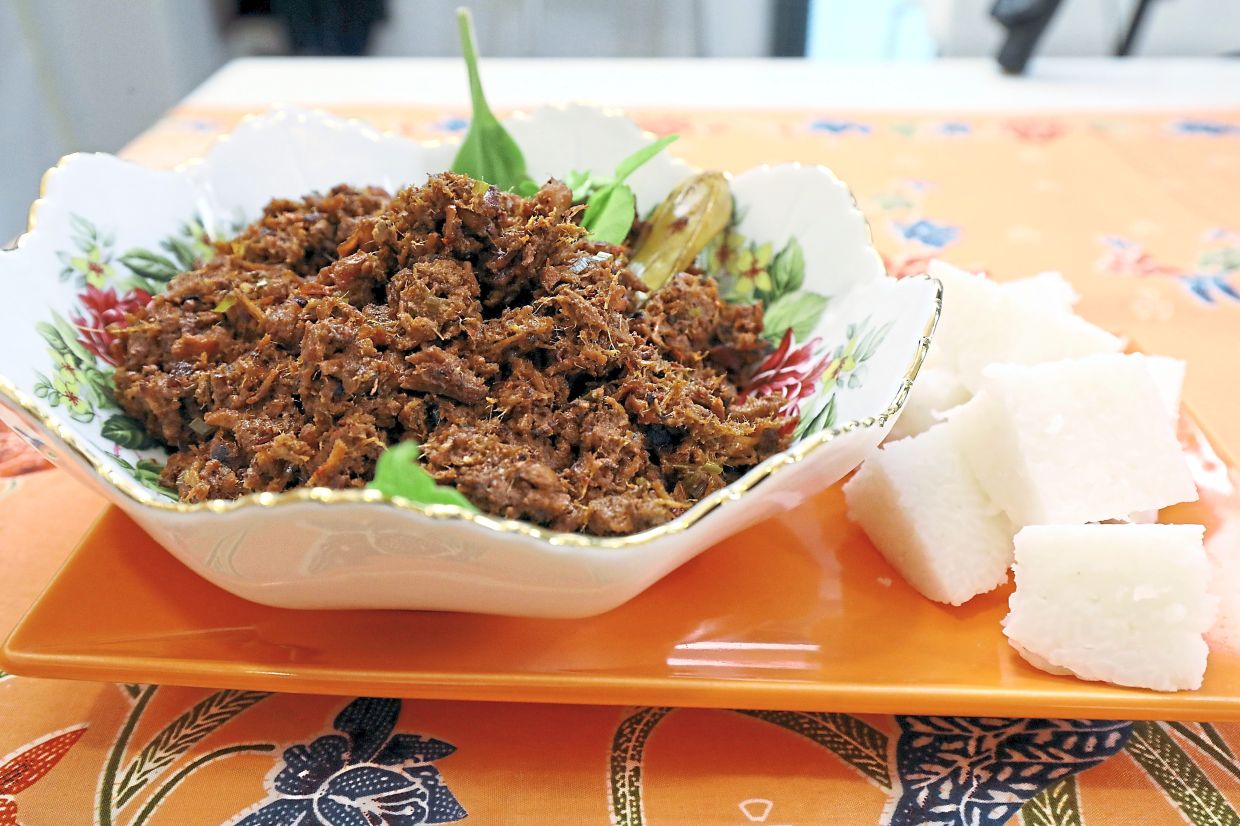
The meat in her rendang was immaculately diced into tiny cubes and cooked until there was no trace of gravy left.
Instead, every drop of coconut milk and spice had been absorbed into the beef, leaving behind intensely savoury morsels coated in a dark, aromatic crust of rempah.
She would serve it with homemade ketupat studded with black-eyed peas, wrapped in folded coconut leaves shaped into neat little triangles.
To a child, it felt impossibly special, the kind of food that appeared only once a year and vanished just as quickly.
I later learned she had served rendang Minang, the famously labour-intensive speciality associated with the Minangkabau people of West Sumatra.
Traditionally, the dish is cooked slowly over many hours, often beginning the day before a celebration.
The prolonged simmering allows the coconut milk to reduce gradually while the spices deepen and cling to the meat.
Despite the lengthy cooking time, our neighbour’s beef cubes somehow remained perfectly intact while turning wonderfully tender.
Although Minang cuisine is often perceived to be fiercely spicy, she had thoughtfully reduced the heat level so children and her non-Malay neighbours could enjoy it too.
That quiet gesture of hospitality has stayed with me far longer than the meal itself.
Those festive visits remain among my fondest Hari Raya memories.
I have attempted this recipe many times over the years, with varying results.
While beef shank produces the richest flavour, it is also highly sinewy and can take an eternity to soften properly.
For more reliable results, I find that chuck tender or topside work particularly well, thanks to their balance of flavour, connective tissue and muscle fibres that help the meat hold its shape through the long simmer.
Even now, I am still chasing the texture of rendang made by Nadzim’s wife – so tender it yields at the slightest pressure, yet firm enough to hold its shape after hours of simmering.
Mine occasionally strays too far in one direction or the other, ending up either chewy or resembling spicy shredded mince.
Perhaps that is part of the lesson with rendang Minang: mastery comes not merely from following a recipe, but from patience, repetition and a willingness to stand beside a slowly bubbling wok for an entire day.
Rendang daging Minang
Ingredients
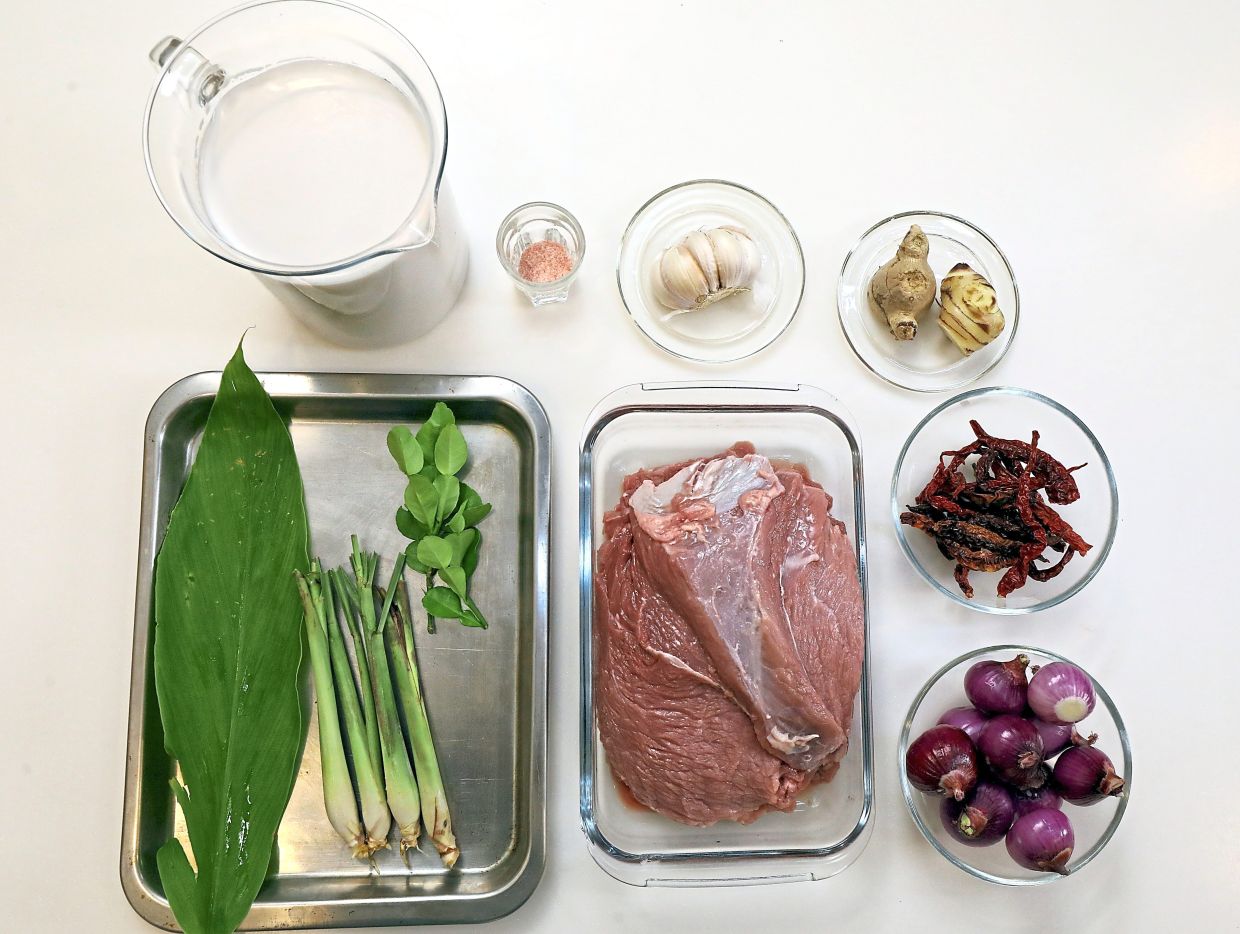
1kg boneless beef shoulder, diced
1kg coconut milk
2 turmeric leaves, finely julienned
4 stalks lemongrass, bruised
5 kaffir lime leaves, finely julienned
2 tsp salt or to taste
Spice paste
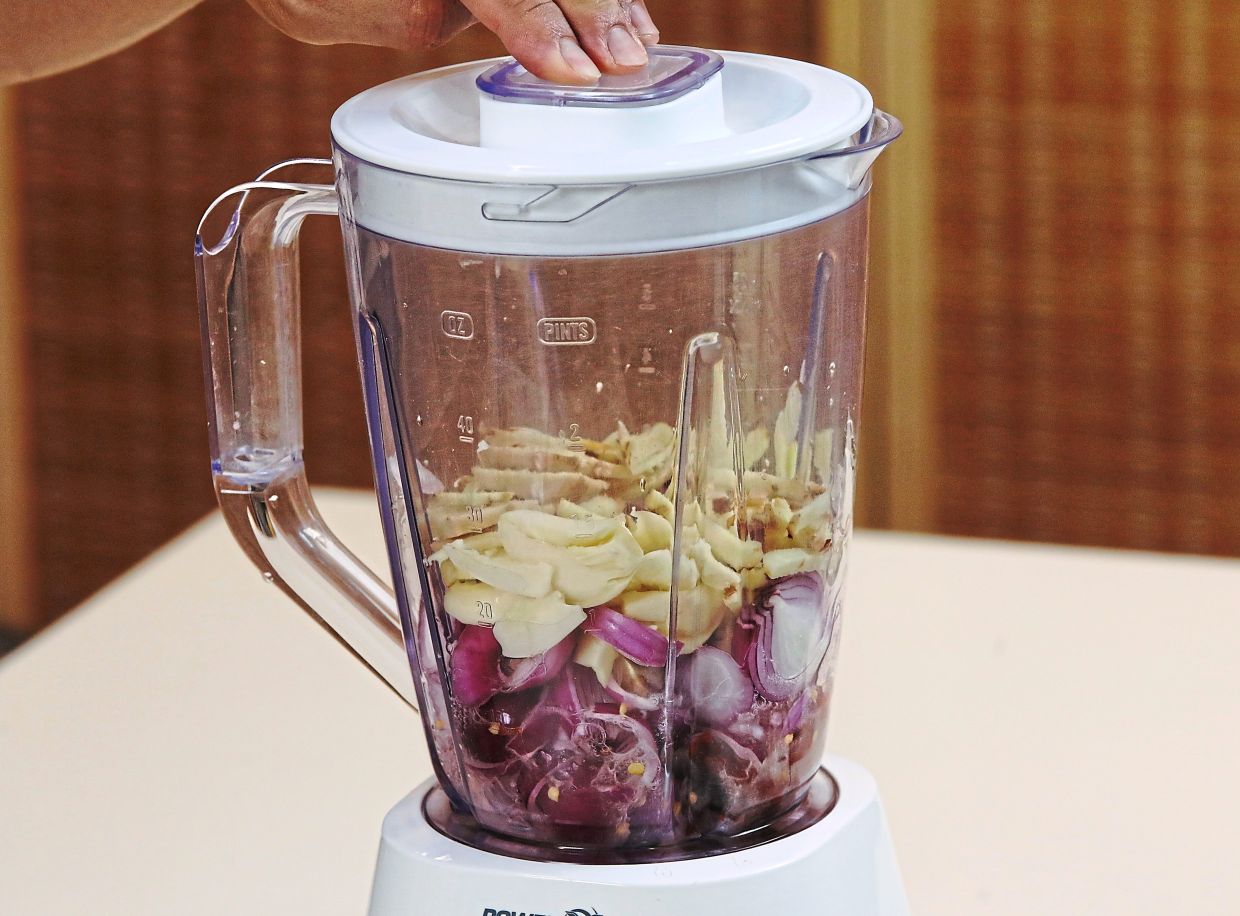
10 small red onions, chopped
5 cloves garlic, chopped
15 dried chillies, soaked
30g ginger, sliced
30g galangal, sliced
Directions
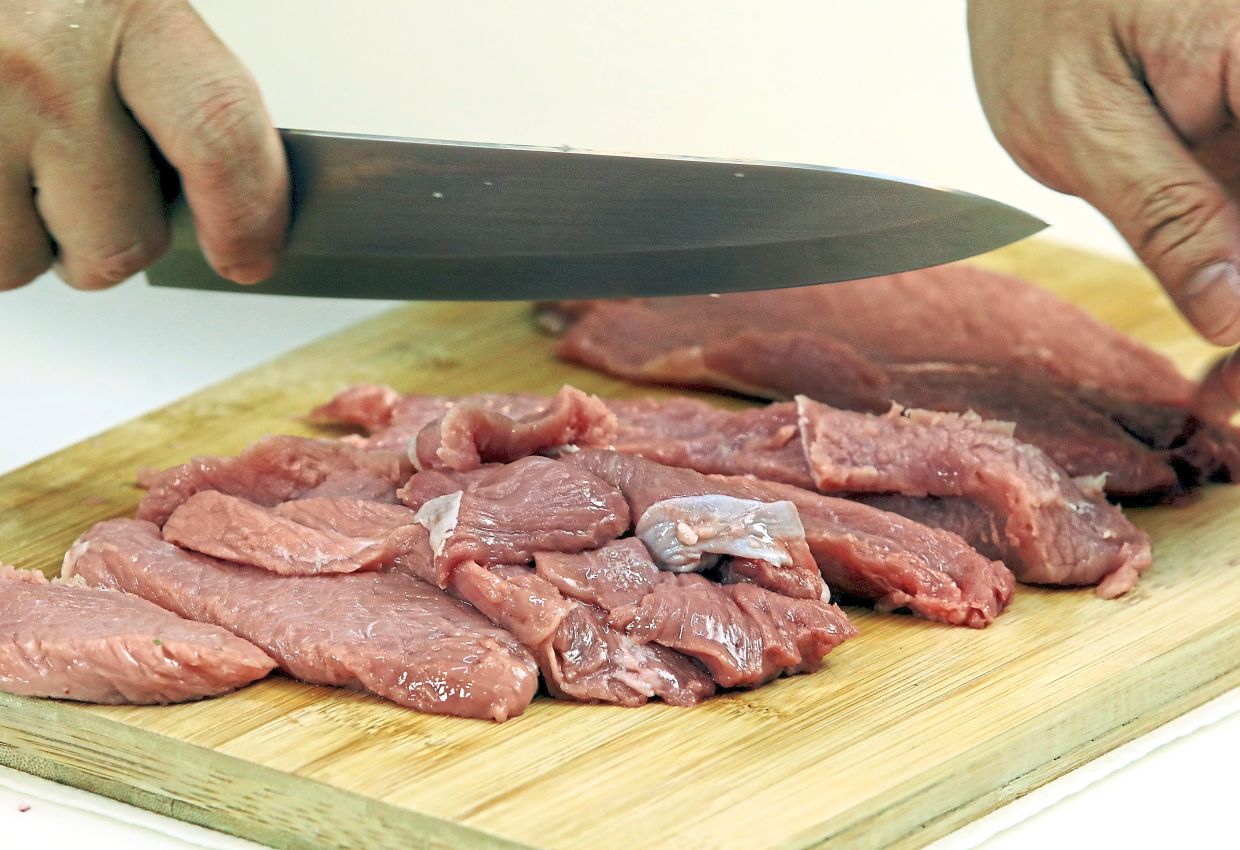
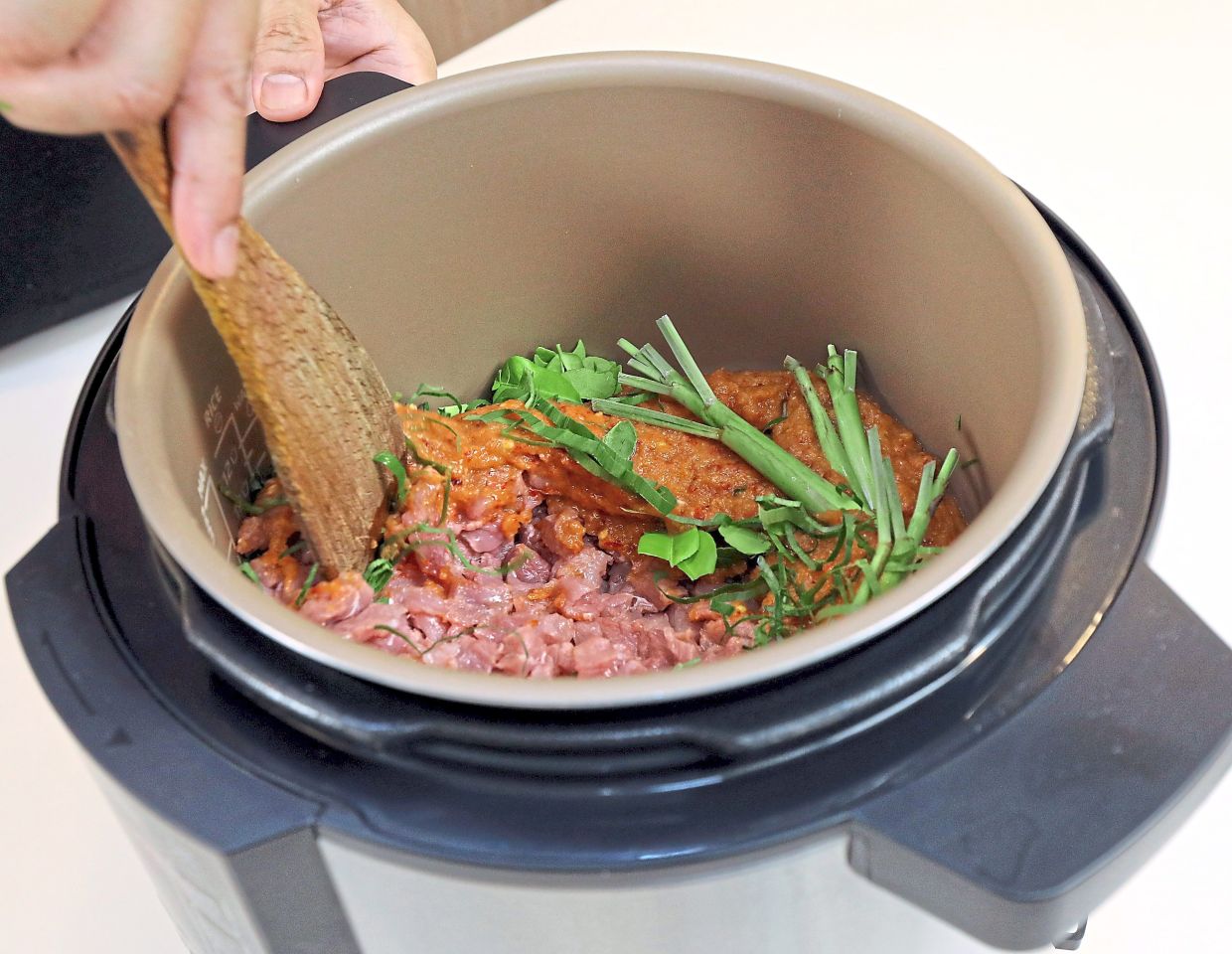
Dice the beef into roughly 1cm cubes. Combine the beef, turmeric leaves, lemongrass, kaffir lime leaves and spice paste in a wok.
Cook over low heat, stirring occasionally, until the mixture begins to simmer.
Add the coconut milk and cook over low heat until the liquid has completely reduced, stirring frequently to prevent scorching, for about seven hours.
Alternatively, pressure-cook for about two hours, then release the pressure and continue simmering uncovered until the mixture becomes dry and deeply caramelised.
Season with salt to taste. Allow the rendang to rest before serving cold or at room temperature with nasi impit.

