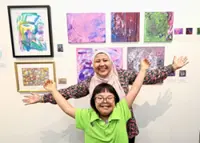
WHEN Madhuri Chuphal, 48, first learned that her newborn daughter was diagnosed with Down syndrome 17 years ago, she decided to arm herself with as much parental knowledge as possible.
A former flight attendant, Madhuri signed up for tertiary education in child psychology and counselling.
Now a mother of two, she works as a licensed therapist, helping parents with special needs children in Petaling Jaya, Selangor.
Equipped with her experience and skills, Madhuri is determined to help others navigate similar issues.
“When I first found out that my daughter Kritika had Down syndrome, I was shocked. I was unprepared for what it might mean.
“My husband and I went through lots of ups and downs in those first few years after her birth,” she recalled.
Today, Madhuri said her daughter, who grew up shy and introverted, is thriving with her self-confidence markedly improved, thanks to the arts lessons she has been attending.
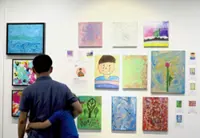
On May 16, Kritika was among 18 children whose paintings were displayed for sale at the FriendenArt’s Seni Mekar: Art In Bloom exhibition at Menara KEN in Taman Tun Dr Ismail (TTDI), Kuala Lumpur.
The three-day event, held in collaboration with Yayasan Hasanah under the ArtFAs 2025 initiative, provided a platform for persons with disabilities to showcase their talents to a wider audience.
The launch was attended by the foundation’s former board of trustee member Tan Sri Noor Zarinah Anwar and media veteran Tan Sri Johan Jaafar.
A total of 160 artworks, collectively valued at RM80,000, were featured at the exhibition, with half of the sales proceeds going to the child artists.
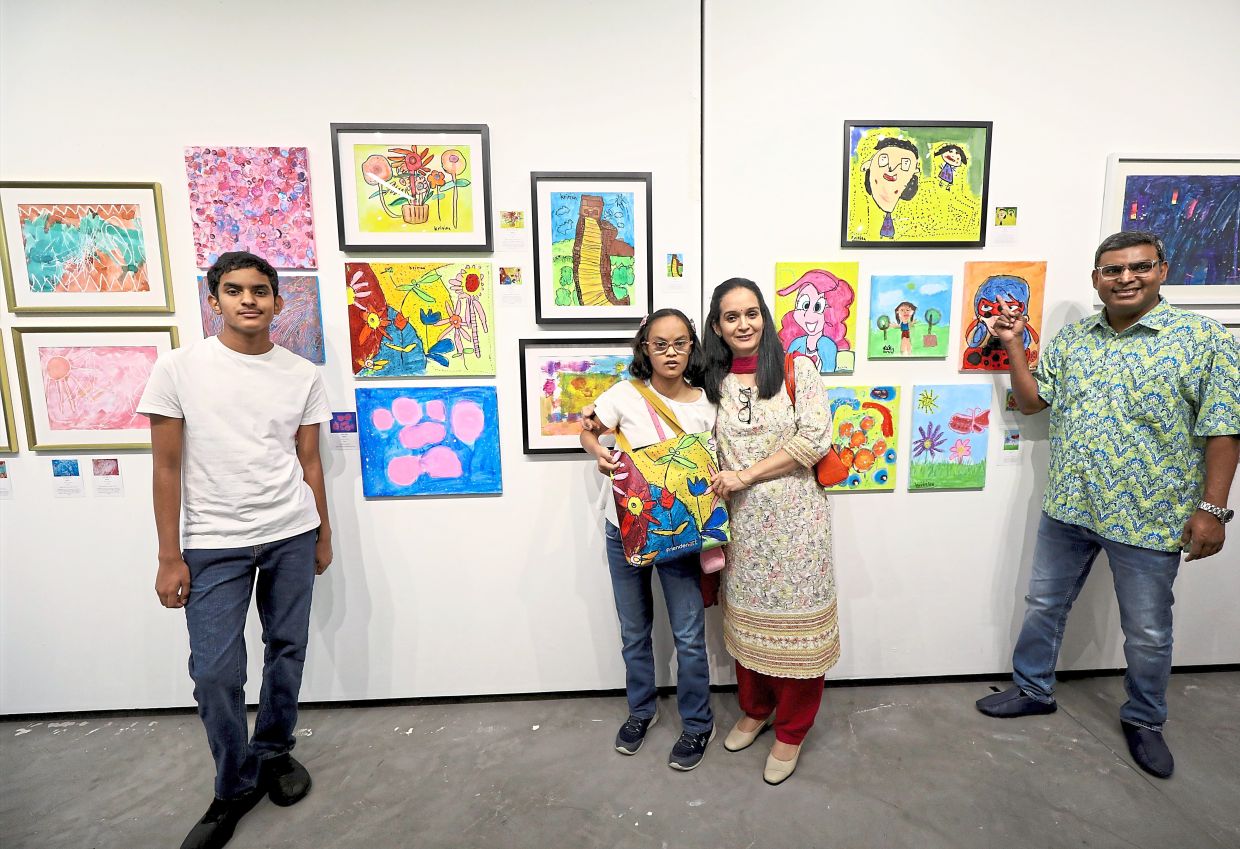
Madhuri said Kritika has become more socially outgoing since signing up for art lessons with FriendenArt, a social enterprise aimed at helping disabled children realise their potential through creative activities.
“Kritika has taken part in other activities before, such as singing, dancing and even piano lessons.
“But this was the first time I saw her being genuinely excited; she always looks forward to attending her art classes.
“She recently became close with another girl and they have been making plans to attend classes on the same day,” added Madhuri.
Cognitive development
Some parents said arts offered an avenue for neurodivergent children to realise their potential.
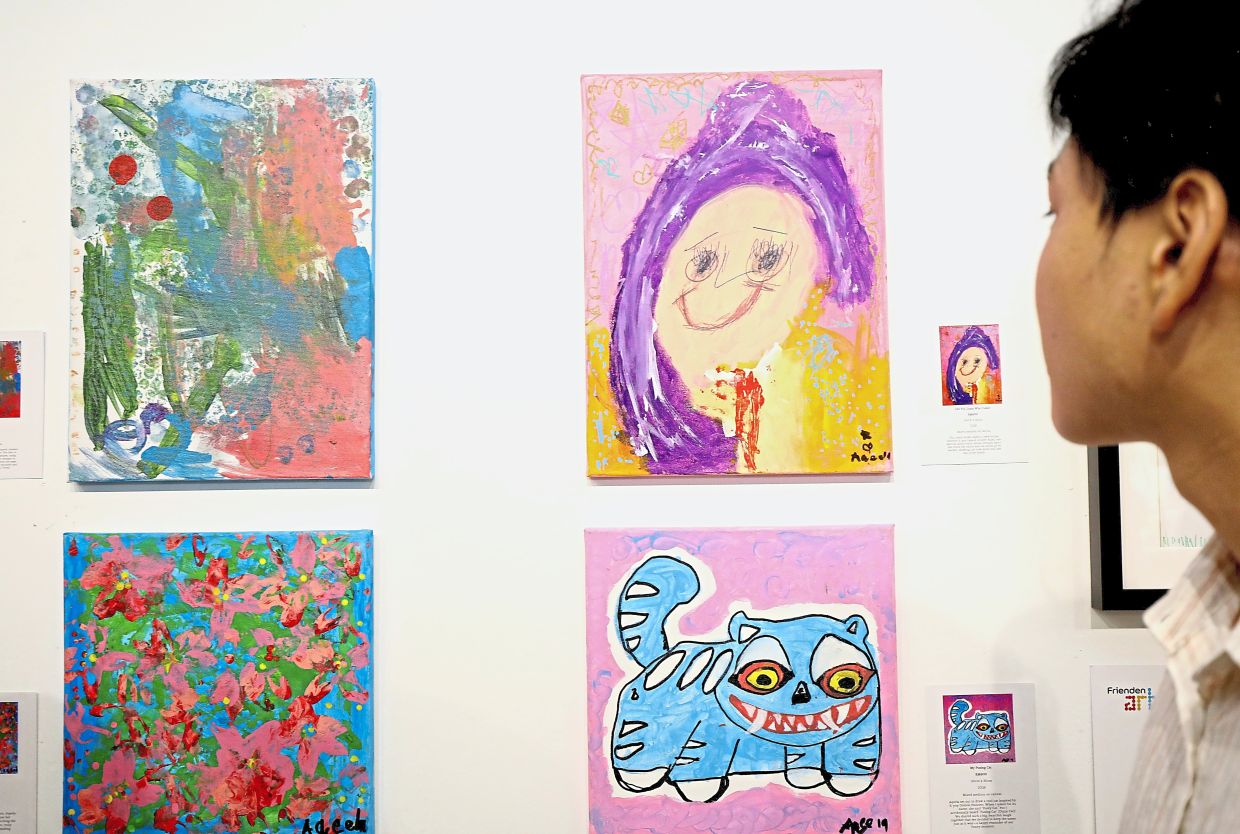
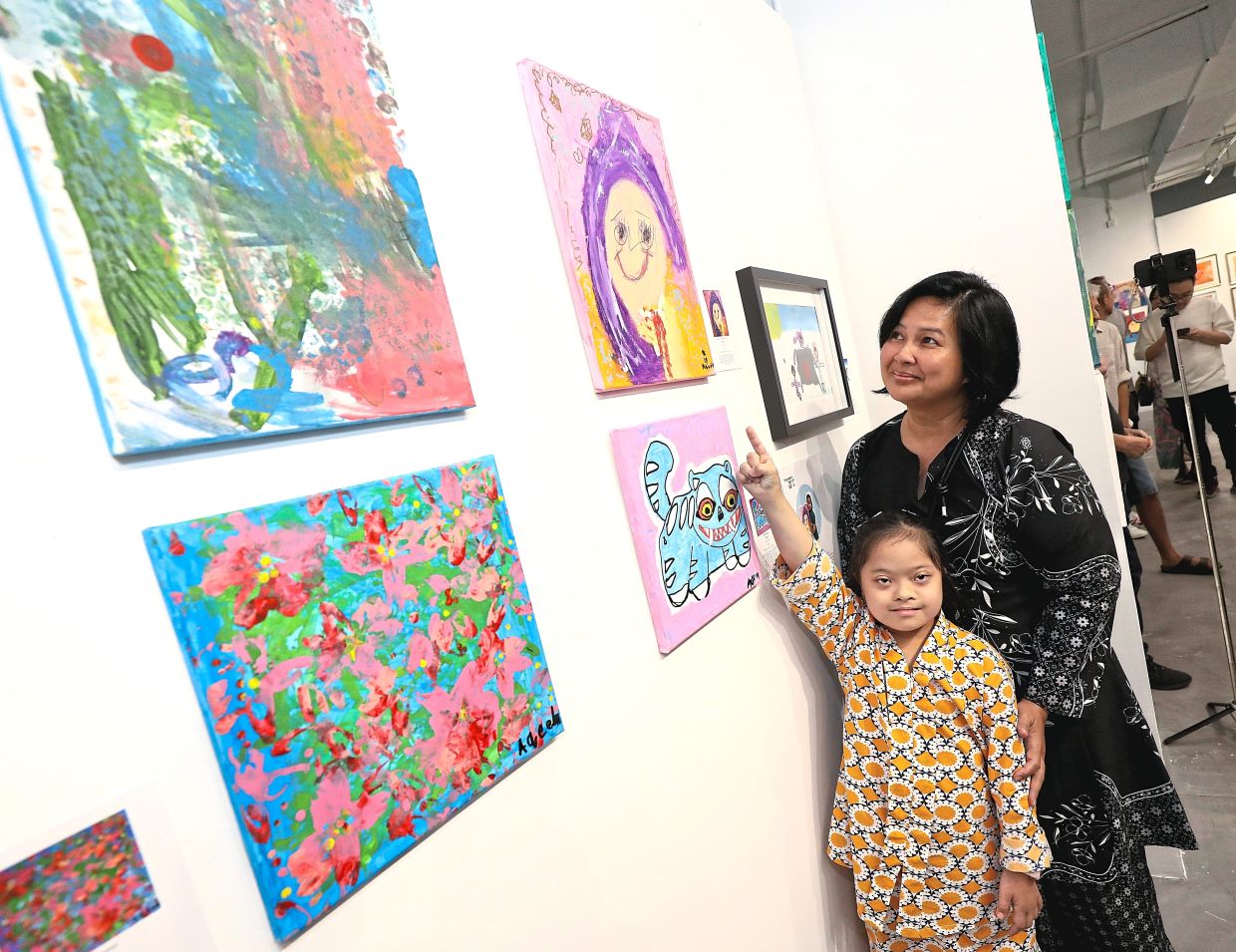
Elyantie Mohamed, 37, from TTDI, said her only child Aqeela Isa Ismail, nine, who also has Down syndrome, used painting to express her observations and interests.
“After seeing a lion dance performance, so many of her drawings afterwards carried related elements.
“She has a keen observation of her surroundings which her works tend to reflect,” said Elyantie, adding that this helped her better understand her daughter’s current interests and moods.
She signed Aqeela up for FriendenArt classes in August last year after seeing her interest in arts grow since she was five.
“My husband and I saw how invested she was in her art works from school.
“Her work has since improved significantly; she used to just scribble but now she can draw portraits,” she said, adding that Aqeela has been attending swimming and piano classes too.
The aim, Elyantie stressed, was to give her daughter space to improve cognitively and find her passion.
“My husband and I want to give her a balanced experience, allowing her physical and creative outlets.
“We want Aqeela to be proof that neurodivergent children are just as capable as their neurotypical peers,” she said.
Looking back, Elyantie, who used to work in corporate branding and communication before deciding to become a stay-at-home mother, admitted that her journey as a parent to an intellectually disabled child had not always been easy.
“Aqeela was only four days old when I got the news that she had Down syndrome.
“I remember thinking: how would my husband and I navigate this and would my baby be accepted by society?”
Medium of expression
Other parents at the event said art provided a valuable medium to better connect and understand their children.
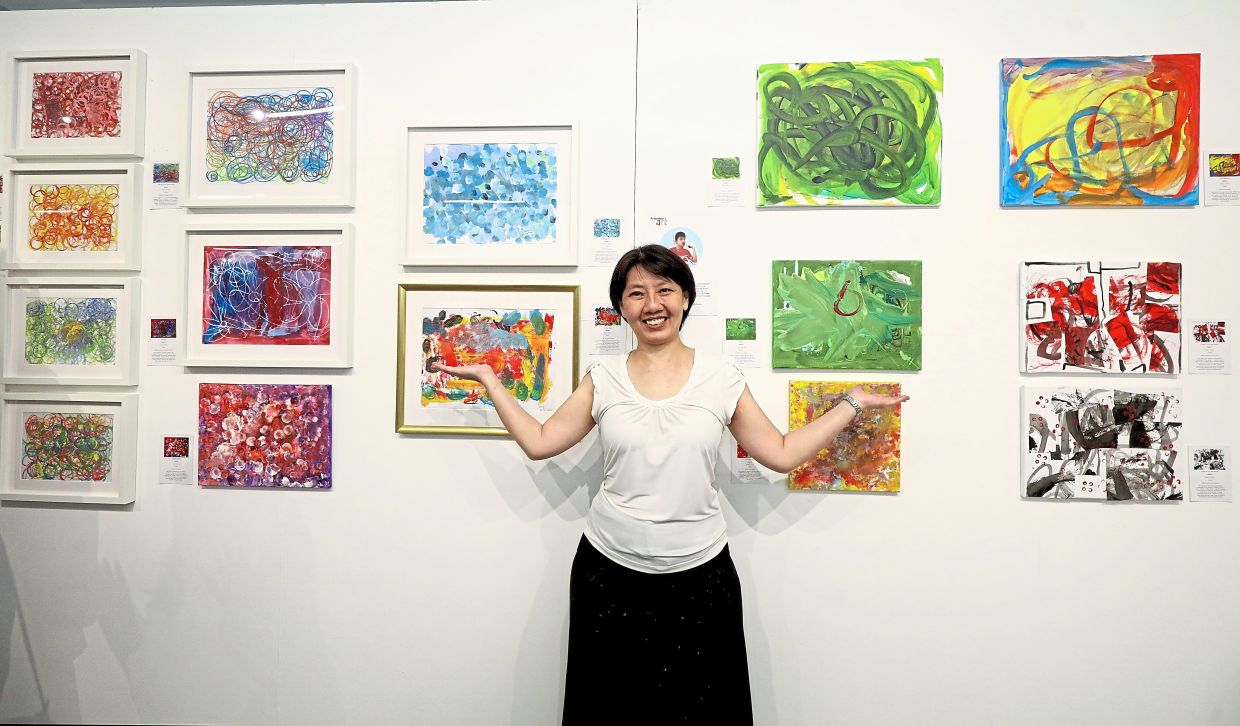
Another stay-at-home mother Lee Mooi See, 53, said she was better able to gauge her 17-year-old son Cory’s thoughts through his drawings.
Cory is non-verbal and regularly communicates via texts. The boy, who has congenital rubella syndrome, also relies on hearing aids, and Lee says he gives one-word replies to questions.
“I have been looking for a way for Cory to better express himself. Painting and drawing have provided him just that,” she said.
Cory started art classes in January, and Lee said she has been able to gain deeper insights into his emotions.
“Initially, he used black colour a lot in his works, which his instructor said reflected his nervousness.
“Through his drawings, I was able to see a side to my son that I never would have seen otherwise,” she said.
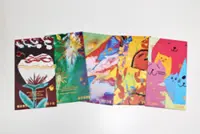
For the FriendenArt exhibition, Cory produced 14 paintings featuring abstract patterns and colours.
“He’s very proud of his accomplishment,” said Lee, adding that Cory took nine weeks to complete the drawings.
Despite her son’s newfound talent in artistic expression, Lee said as a mother, her worries persisted.
“Cory is yet to become fully independent; he still needs help with daily tasks like bathing, for example.
“A part of me still wonders what will happen to him after I die. But seeing him take pride in his paintings gives me hope.”