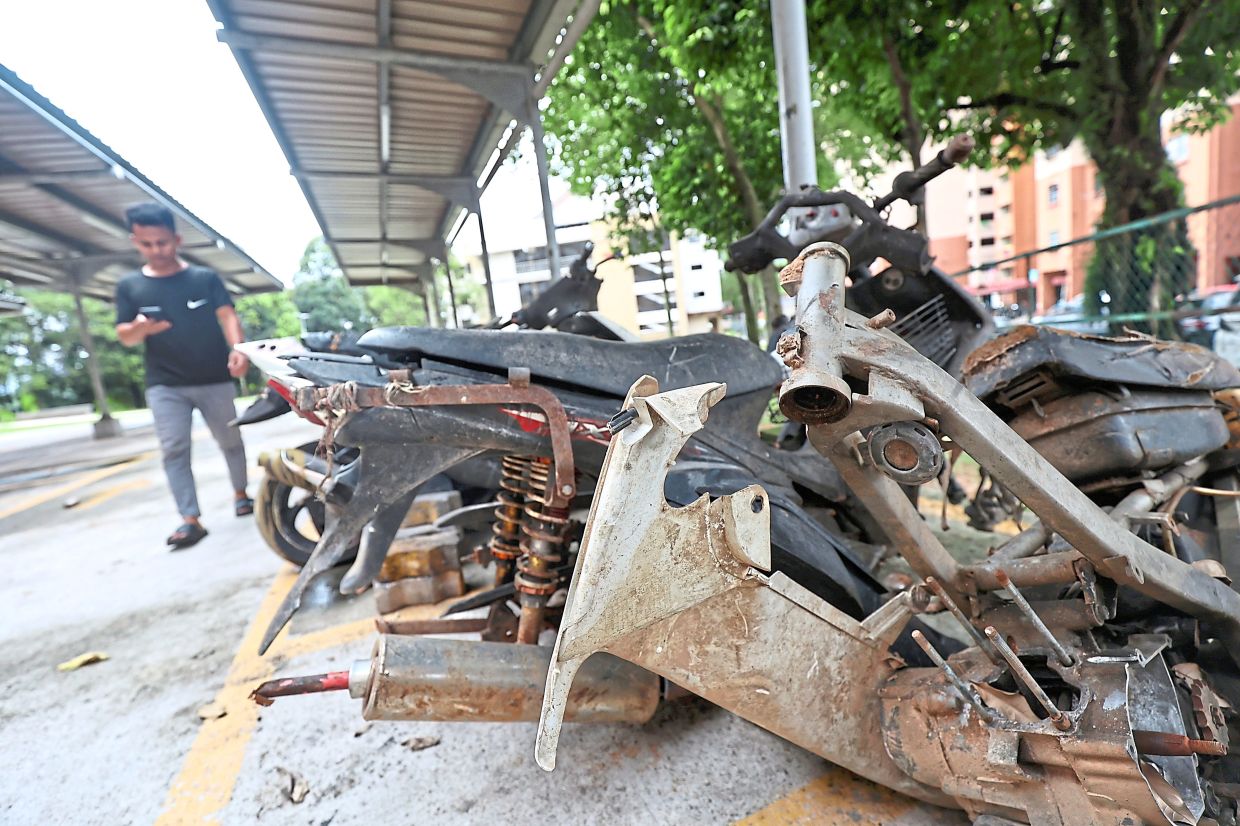
ROWS of old motorcycles, coated in dust and grime, sit abandoned in parking bays meant for residents in many strata developments across Kuala Lumpur.

Many are chained together or pushed into corners, left to rust and deteriorate under the sun and rain.
Property experts and residents say these abandoned vehicles, especially motorcycles, are a growing concern.
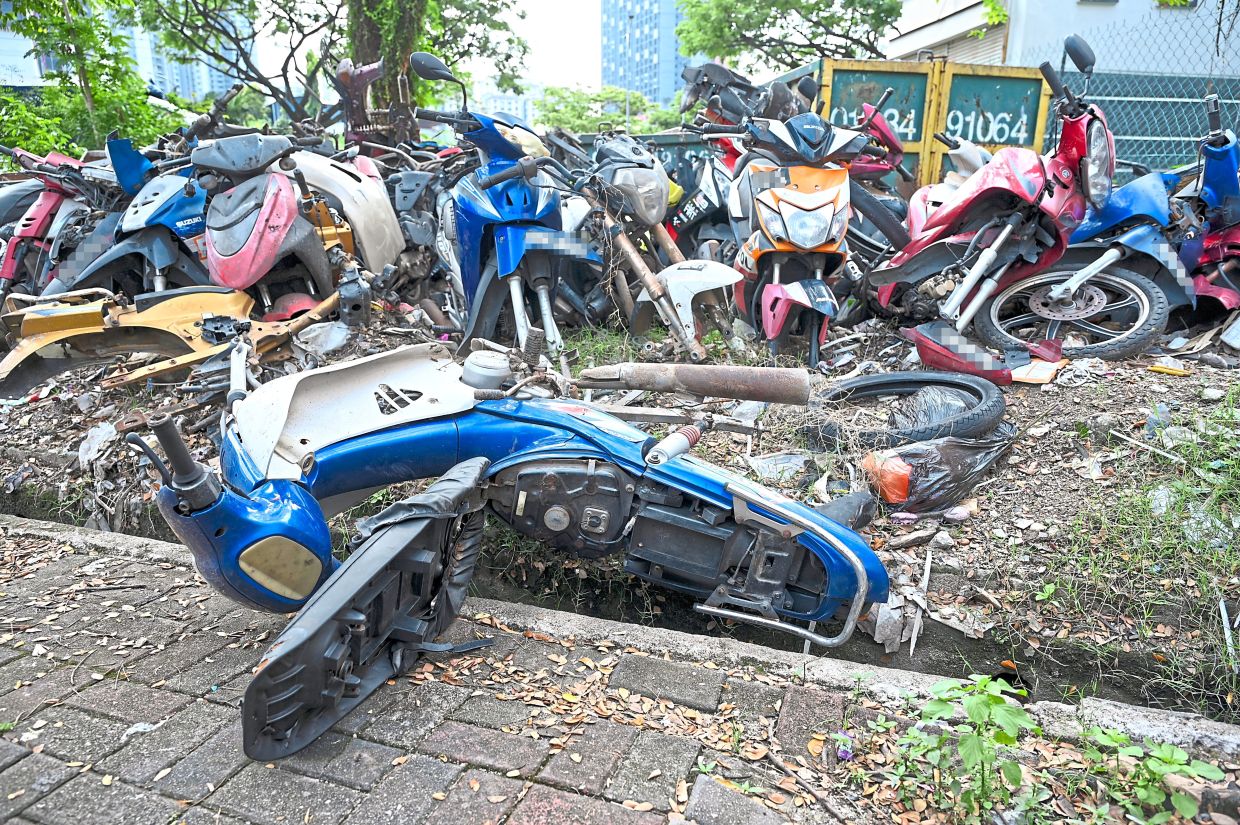
In government housing schemes where space is already limited, abandoned motorcycles often end up occupying shared spaces such as parking bays, open areas and air wells meant for ventilation and light.
According to Road Safety Council of Malaysia data, the country has more than 16 million registered motorcycles, the vast majority being small-capacity kapchai (under 150cc).
Industry players say the presence of abandoned vehicles often point to a deeper problem – weak enforcement and governance within the joint management body (JMB) or management corporation (MC) – raising questions about how well other issues are being managed.
For real estate agent SM Shamini, such scenes are more than just an eyesore – they are an immediate warning sign.
“When I see abandoned and rusted vehicles in a condominium, it is usually a red flag.
“It suggests poor management, and I would be cautious about recommending the property to buyers or tenants,” she said.
Shamini added that visible neglect in common areas affected first impressions during viewings.
“These are the first things people notice. When there are dust-covered or damaged vehicles left unattended, it gives the impression that enforcement is weak and the management may not be effective.”
She added that such conditions could undermine confidence in the overall upkeep of a property and make it harder to convince potential buyers or tenants that the property was well- maintained.
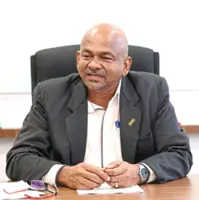
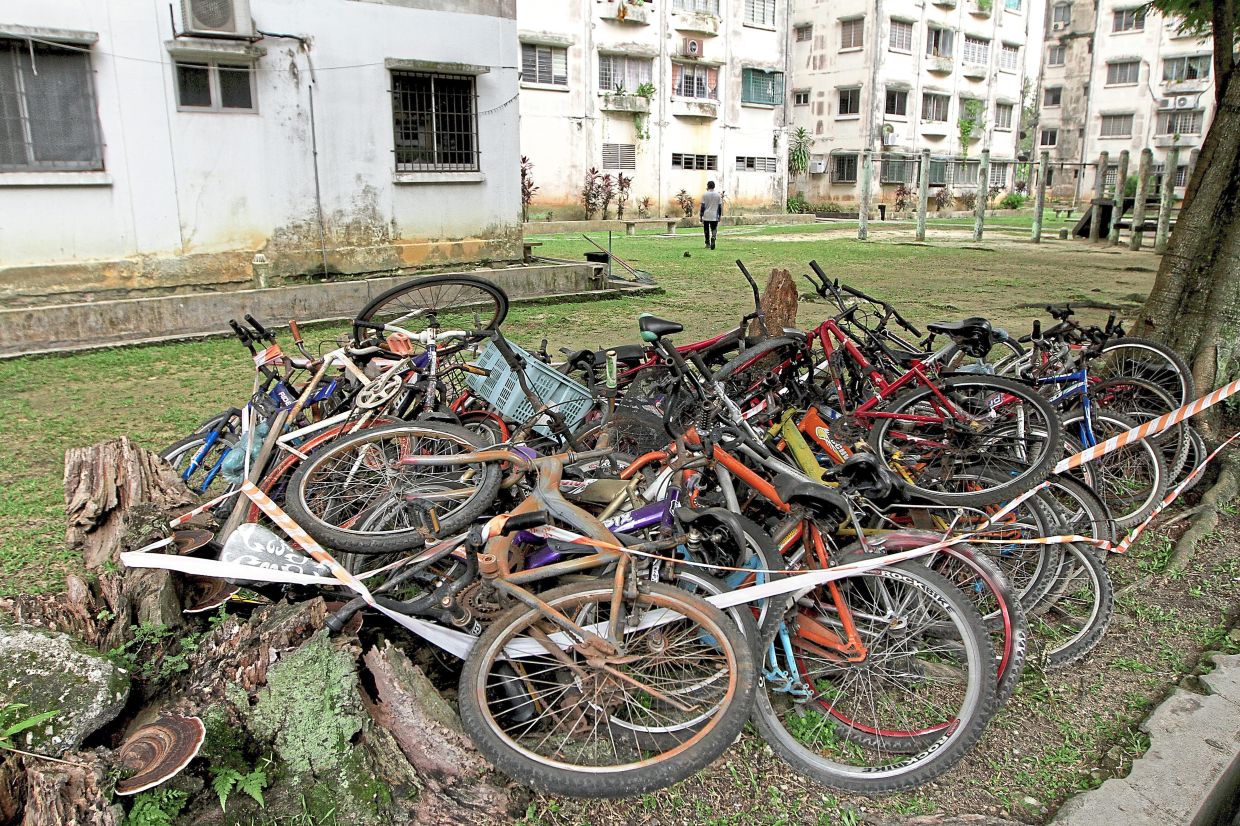
Senator Isaiah Jacob, former JMB chairman of Sri Murni Apartment Phase 1 in Taman Sri Murni, said it was a struggle dealing with abandoned motorcycles and bicycles.
“We had many foreign tenants living in the apartments, most of whom worked at nearby markets. When they moved out, they abandoned their belongings, including these two-wheelers.
“Over time, these items piled up and became an eyesore for residents,” he said.
Isaiah said the JMB had sought assistance from Kuala Lumpur City Hall (DBKL) to clear the items, but were told that the authorities had limited powers to remove property located within private strata premises.
“There are legal limitations when it comes to removing abandoned items inside private property. We had to work with the police before any action could be taken,” he said, adding that it took several years to remove the motorcycles from the apartment complex.
Isaiah said the JMB first started by requiring all residents to register their vehicle number plates with the management.
“Once we had a proper record, it was easier to identify the vehicles that appeared to be ownerless, which turned out to be more than 300.
“After identifying the vehicles, the legal disposal process was done in batches. This took us about three years,” he said.
He added that the situation highlighted the broader challenge faced by management bodies; addressing residents’ complaints over clutter and safety while
also managing the legal risks of disposing of property without owners’ consent.
Depriving residents of space
In Bukit Jalil, PPR Kampung Muhibbah Residents Association chairman Attar Bacha Haja said space was a commodity in public housing areas.
“Abandoned motorcycles around the property deprive residents of parking and creates a neglected living environment.
“We are constantly trying to keep open areas clear so children at least have space to play, but every corner is being taken up. When one person abandons a vehicle, others think it is acceptable to do the same,” he said.
Association secretary
Devakumari Thangaveloo, 38, said the situation was disheartening for families.
“Every day when I take my daughter downstairs, we pass rows of rusty motorcycles. It is depressing to look at and it worries me.
“This is supposed to be a place where children can play and families can relax, not an area for junk.”
Devakumari said DBKL staff moved the old motorcycles to a nearby spot, but this was left exposed to the elements. It has since become a breeding ground for mosquitoes and pests.
“When you see these rusting pile day after day, it affects your mood. It makes the whole place feel uncared for.
“As a mother, I want my children to grow up in a clean and pleasant environment, not one that feels abandoned,” she said.
Over in Kepong, PPR Sri Aman Rukun Tetangga chairman and residents association adviser Mohamed Nawaz Koya said the problem has rapidly escalated.
“The number of abandoned vehicles here has doubled within a year. There are over 200 abandoned vehicles, mostly motorcycles, taking up valuable space meant for residents,” he said.
Last year, former minister in the Prime Minister’s Department (Federal Territories) Datuk Seri Dr Zaliha Mustafa had directed Federal Territories Department (JWP) to work with the Road Transport Department (JPJ) to address gaps in existing laws related to the disposal of abandoned vehicles in Kuala Lumpur and Putrajaya.
Dr Zaliha had said the move was necessary as the number of public complaints exceeded 2,500 cases annually in Kuala Lumpur alone.
She said comprehensive solution must be developed through coordination among relevant agencies.
DBKL’s Commissioner of Buildings (CoBKL) mediation centre received over 5,000 cases each year, and the growing number of abandoned vehicles made up a large number of complaints.
Senior mediation officer Mohd Zainuddin Amran said abandoned vehicles had become an increasing concern for strata management bodies.
“It is a headache for property managers and many of them seek advice from our office on the proper disposal process, as the process involves legal and ownership issues.
“The process is slow because it takes time to identify, notify, wait for response, tow and store the vehicles, before the start of the legal process and disposal,” he said, adding that the steps could easily take more than a year.
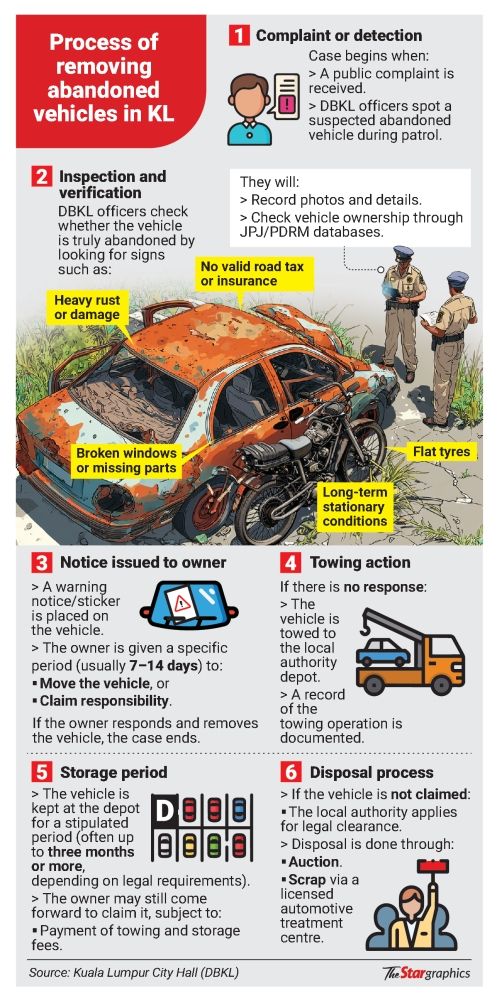
He added that CoBKL did not have direct powers to remove abandoned vehicles, and JMBs and MCs also could not take action arbitrarily.
“Both the CoB and the management bodies must follow legal procedures. We have since compiled a standard operating procedure (see graphic) for the proper process to remove and dispose of abandoned vehicles,” he said, adding that DBKL depots were running out of space.
As the problem intensifies, the Federal Government is looking at giving local authorities more teeth to act.
At a recent Dewan Rakyat session, the Housing and Local Government Ministry proposed amendments to the Road Transport Act 1987 (Act 333) to expand the enforcement powers of local councils to deal with abandoned vehicles in strata housing areas.
Deputy Minister Datuk Aiman Athirah Sabu said the move was necessary as local authorities could not take action within private strata properties unless the JMB or MC submitted a formal request.
The proposed changes, now being finalised in consultation with the Transport Ministry, JPJ, police and state governments, would widen both the scope of enforcement and the areas where local councils could act.
She added that the ministry was also looking at using Section 65 of the Act to allow vehicles to be disposed of without going through a lengthy court process.
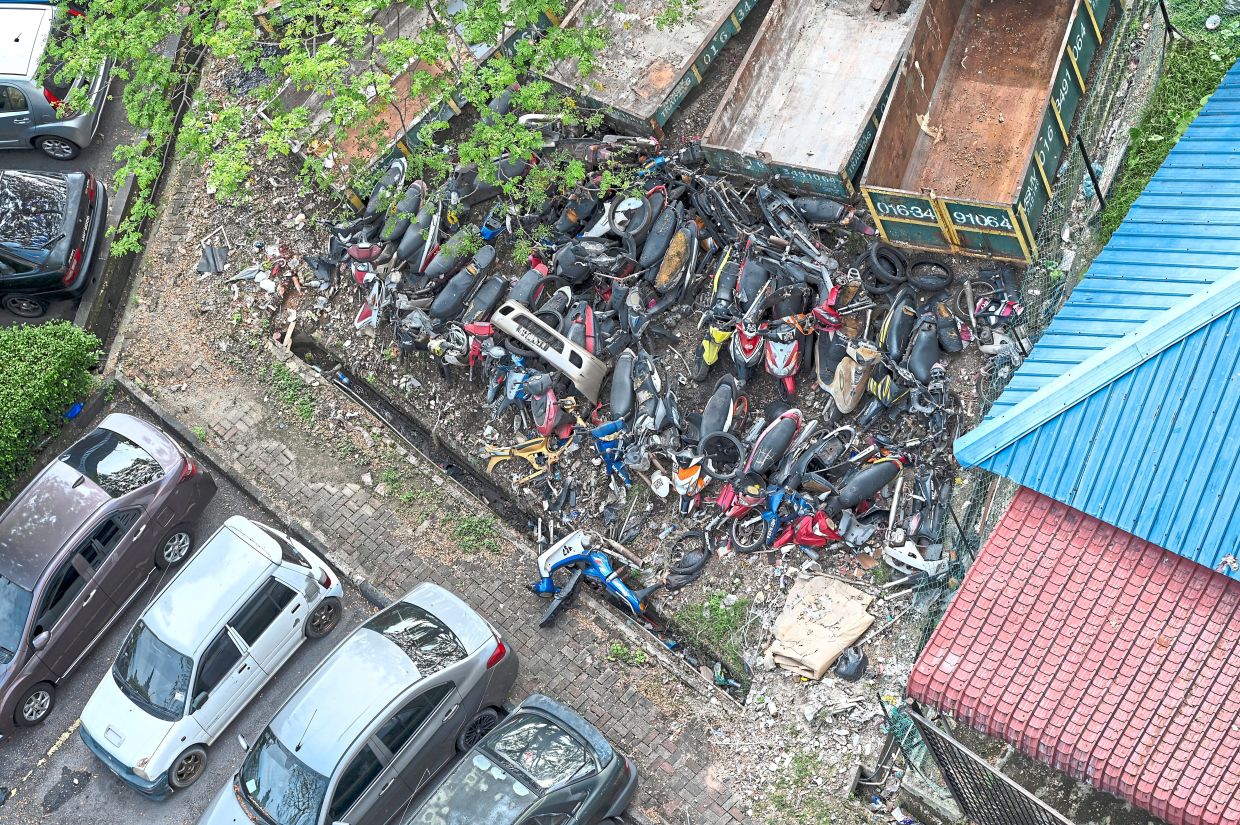

Abandoned motorcycles piled up at PPR Kampung Muhibbah in Bukit Jalil. — Photos: IZZRAFIQ ALIAS and AZMAN GHANI/The Star
An aerial view of abandoned motorcycles piled up at PPR Kg Muhhibah in Puchong. — IZZRAFIQ ALIAS/The Star
A dismantled motorcycle at PPR Intan Baiduri occupying covered parking space.
The growing pile of old motorcycles is worrying residents at PPR Kg Muhibbah.
Isaiah says it took three years for the JMB to clear the motorcycles.
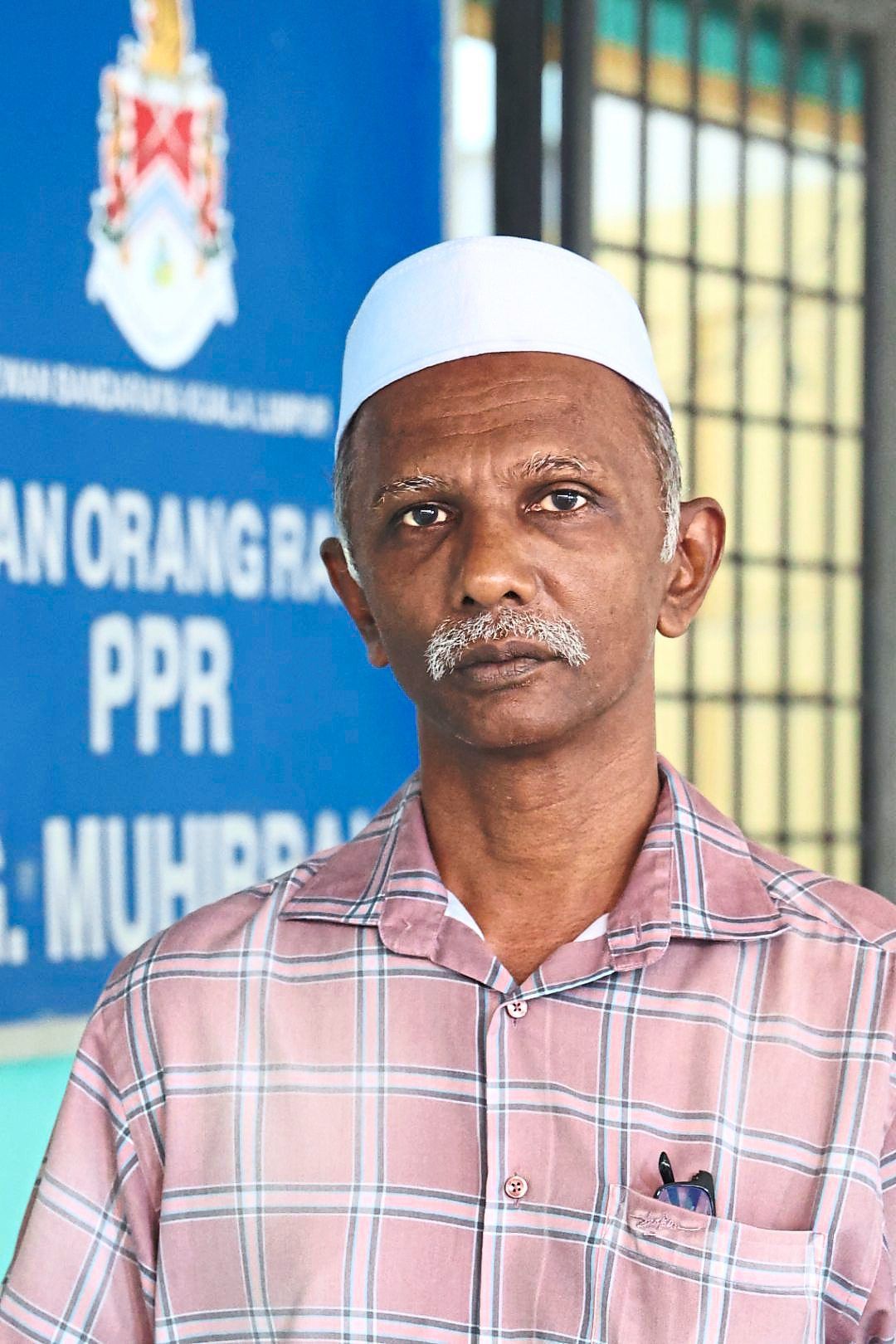
Attar: Derelict and abandoned motorcycles create a neglected living environment.
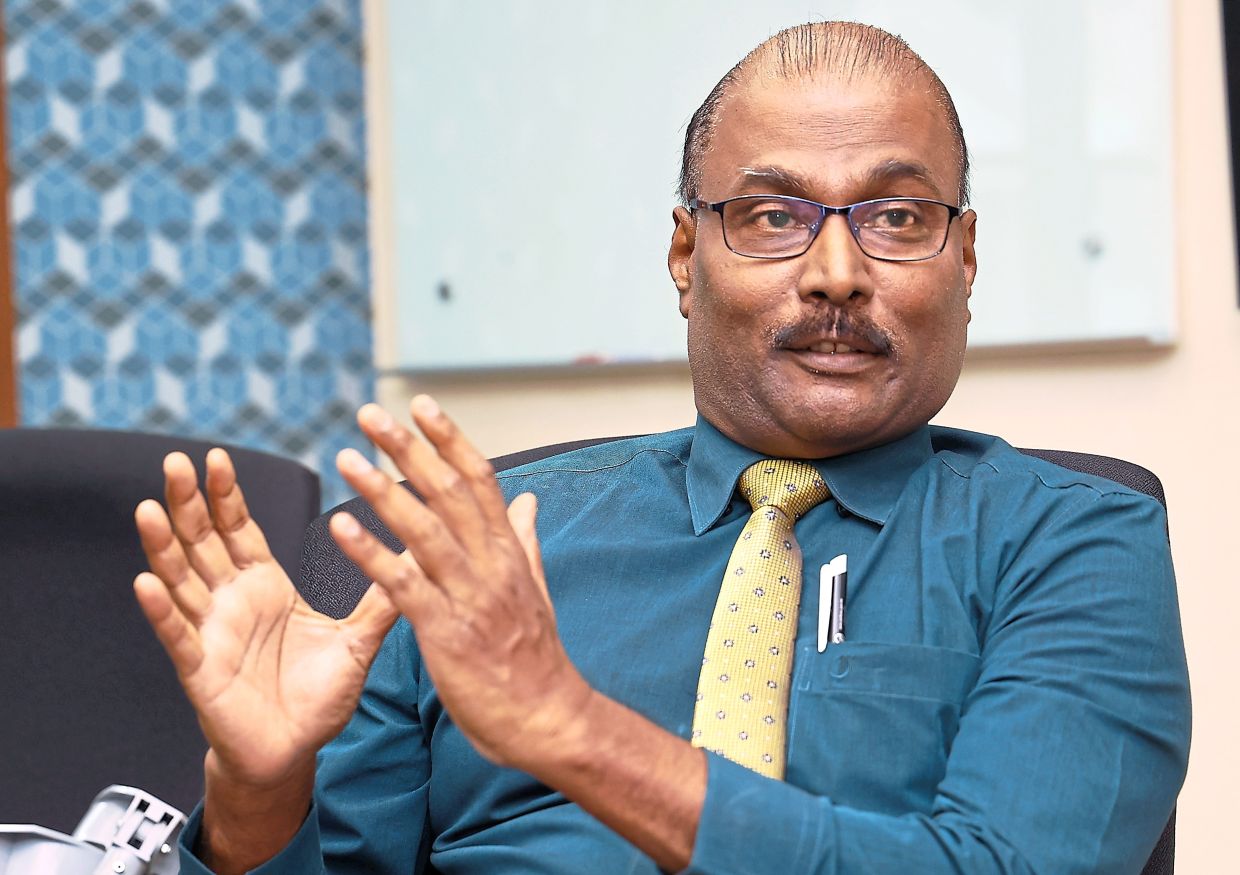
Zainuddin: CoBKL has compiled a standard operating procedure for proper disposal of vehicles.
A pile of discarded bicycles at Taman Sri Murni Flats belonging to tenants who have left.