Modern twist on classic cream tea includes savoury variations
Scones are a cornerstone of British baking, enjoyed across the English‑speaking world and throughout the Commonwealth.
Made from wheat flour or oatmeal and leavened with baking powder, they straddle the line between bread and pastry – lightly sweet or savoury, and sometimes brushed with egg wash for a golden finish.
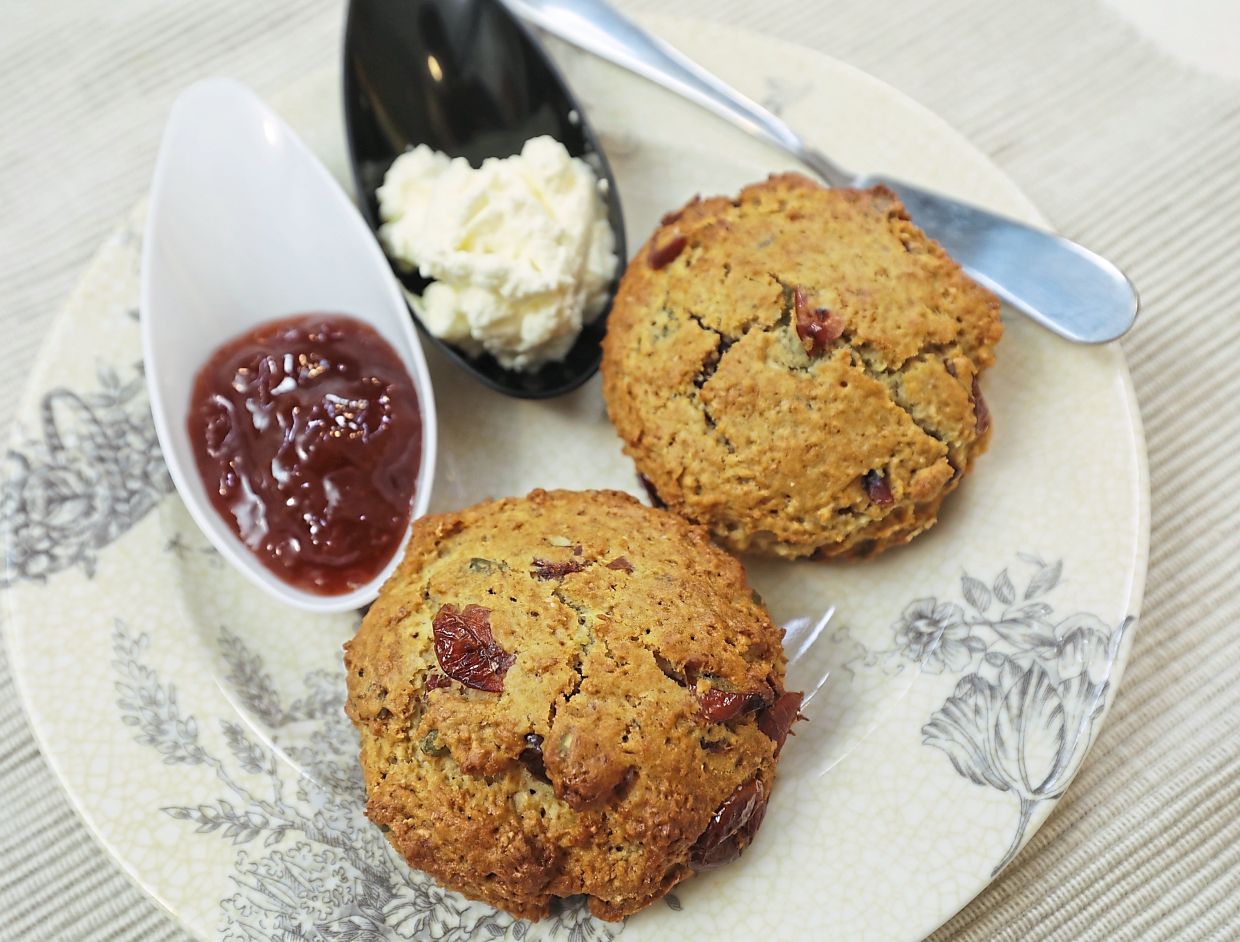
During a visit to our friends Paul and Liz Bendor‑Samuel in the United Kingdom, my wife and I were introduced to what they called a “cream tea”.
It is a modest but deeply satisfying experience: tea served with scones, clotted cream, jam and, occasionally, a supporting cast of a slice of cake, sandwich or pastry.
In parts of the United Kingdom, it is also known as Devonshire tea.
The word “scone” is widely believed to derive from the Scottish Gaelic “sgonn”, meaning a large lump.
This is possibly a reference to the Stone of Scone, embedded in the Coronation Chair at Westminster Abbey, upon which British monarchs are traditionally crowned.
The pronunciation of the word continues to be a subject of debate within the English‑speaking world, with some rhyming it with “tone” while others insist it should rhyme with “gone”.
A 1913 poem published in Punch magazine, the Victorian‑era publication that satirised the popular culture of the time, captured the debate neatly: “I asked the maid in dulcet tone to order me a toasted scone.
“The silly maid has been and gone and ordered me a toasted scone.”
While butter is the classic fat of choice, scones are remarkably adaptable.
This recipe, shared by Catherine Lau during a Flavours workshop in 2012, uses palm oil instead.
Being liquid at room temperature, this neutral‑tasting fat infuses the fragrance of lemon zest more effectively than solid fats, giving the scones a bright, aromatic lift.
To compensate for the lack of butter, the recipe incorporates homemade sour cream, where a touch of lemon juice curdles the cream, enhancing both richness and the citrus profile.
The same base also lends itself beautifully to savoury variations.
I substituted pine nuts for the pumpkin seeds, sauteed onions in bacon instead of cranberries, and used extra virgin olive oil in place of palm oil.
It yields a deeply flavourful – if admittedly more luxurious – result, proving that a good scone recipe is less a fixed formula than a flexible canvas.

How one serves a scone is, unsurprisingly, another matter of gentle contention.
Some prefer to split it cleanly along its natural seam − the meridian, if you will − then dress each half individually with cream and jam.
Others favour a more architectural approach, sandwiching the cream and jam between the halves. And then there are those who simply pile unabashedly generous dollops of both spreads on top of their scone.
However you choose, it is best eaten warm, preferably before the debate becomes more heated than the tea.
Fruit scones
Dough
300g all-purpose flour
1 tbsp baking powder
¼ tsp baking soda
½ tsp salt
50g caster sugar
30g ground almonds
30g wheat germ
80g cooking oil
1 lemon
½ tsp vanilla extract (optional)
125g cooking cream
1 large egg, beaten
100g dried cranberries
60g pumpkin seeds
Topping
125g whipping cream
1 tbsp icing sugar
125g strawberry jam
Directions
Whisk whipping cream and icing sugar to stiff peaks, then set the whipped cream aside in the refrigerator until ready to serve.
Toast pumpkin seeds in a 150°C oven for 15 minutes until crisp.
Soak cranberries in boiling water for 5 minutes, then squeeze dry and set aside.
Grate lemon zest and mix with the oil, then let it infuse for 10 minutes.
Squeeze 1 tablespoon of lemon juice into the cream and let it stand for 5 minutes to curdle into sour cream.
Stir the beaten egg with the sour cream and set aside.
Sift flour, baking powder, baking soda, salt and sugar into the bowl of stand mixer. Using the mixer paddle attachment, stir in ground almonds and wheat germ at low speed until combined.
Drizzle in the infused oil while the machine continues to mix at low speed until the mixture resembles fine breadcrumbs. Add cranberries and toasted pumpkin seeds, mix well.
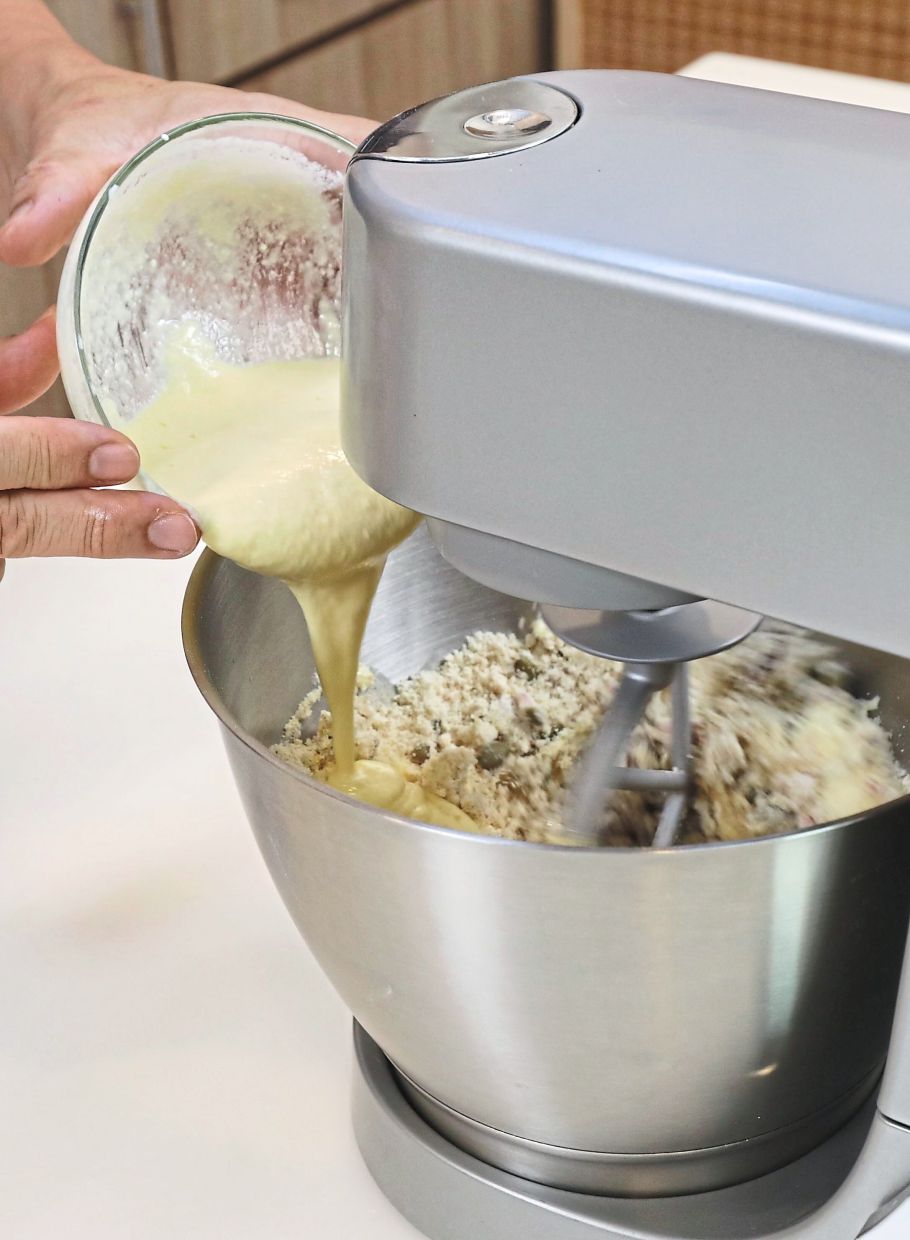
Continue mixing on low speed and drizzle in the sour cream and egg mixture just until the dough masses together onto the mixer paddle.
Turn the dough out and flatten it between parchment paper to 1.5cm thickness.
Stamp out about 15 circles with a sharp 6cm round cutter, pressing straight down without twisting to cut through the dough and lifting the cutter straight up.
Gather the scraps, reshape, flatten and cut more circles.
Place on a lined baking tray, brush with a beaten egg if desired.
Bake in a preheated oven at 200°C for 15 minutes until mid-golden.
Serve warm, either plain or with whipped cream and strawberry jam.