
THERE’S something about ancient recipes that fascinate me, and I rarely pass up the opportunity to bring one back to life.

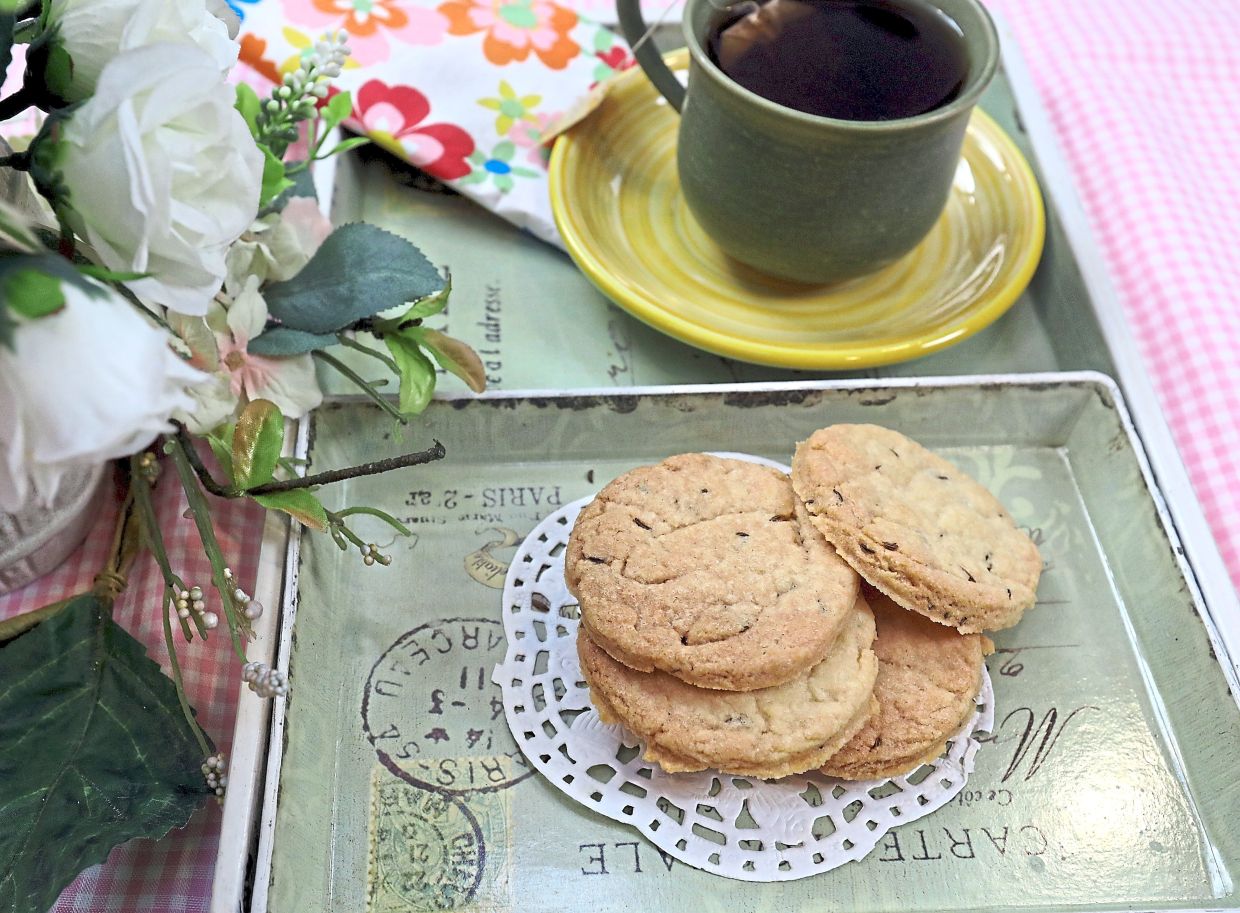
They are essentially thin, crisp biscuits, named for the way they were “baked hard, so as to crackle under the teeth”.
Their durability is not only theoretical. In an 1840 letter, Mary Thomas, writing from an Australian colony to her brother in England, described receiving a parcel of food provisions: “The cracknels were as fresh as if they were just out of the oven...”
It is a small but telling detail –these were biscuits designed to endure long journeys and still arrive in fine condition.
With some leftover caraway seeds from my friend Deirdre Whittington, given to me when we made Abernethy biscuits for this column more than two years ago, this felt like the perfect opportunity to revisit a spice that rarely appears in our local baking.
If caraway is unavailable, coriander may be used instead, a mid-17th century version suggests as much.
An adapted excerpt from The Compleat Cook (1658) offers a glimpse into the method: “Take... fine flour and sugar searced [i.e., sifted]... with coriander seed bruised... butter rubbed in... wet it with the yolks of eggs and a little cream... roll it extremely thin... and bake... they will give with keeping, therefore... dried in a warm oven to make them crisp.”
The language may be archaic, but the intent is clear: roll thin, bake firm and dry well for longevity.
Be warned, however, that these biscuits are exceedingly hard.
It is best to break them with your fingers rather than your teeth. Rolling them as thinly as possible helps achieve that characteristic brittleness – though you should perhaps not attempt dental bravery.
Cracknels
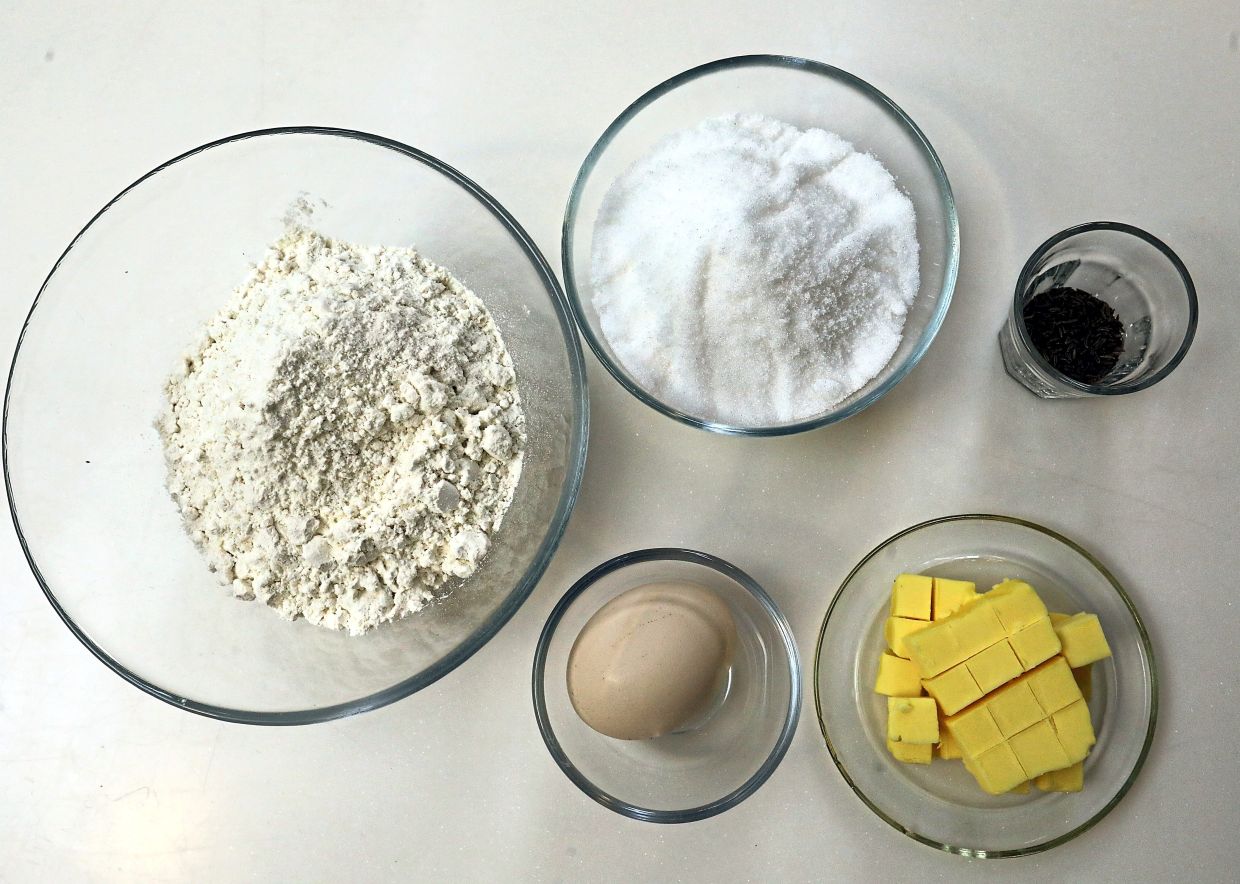
Ingredients
180g all-purpose flour
200g sugar
60g cold unsalted butter
1 large egg
1 tbsp caraway seeds
Directions
Preheat the oven to 160°C and line a baking tray with parchment paper.
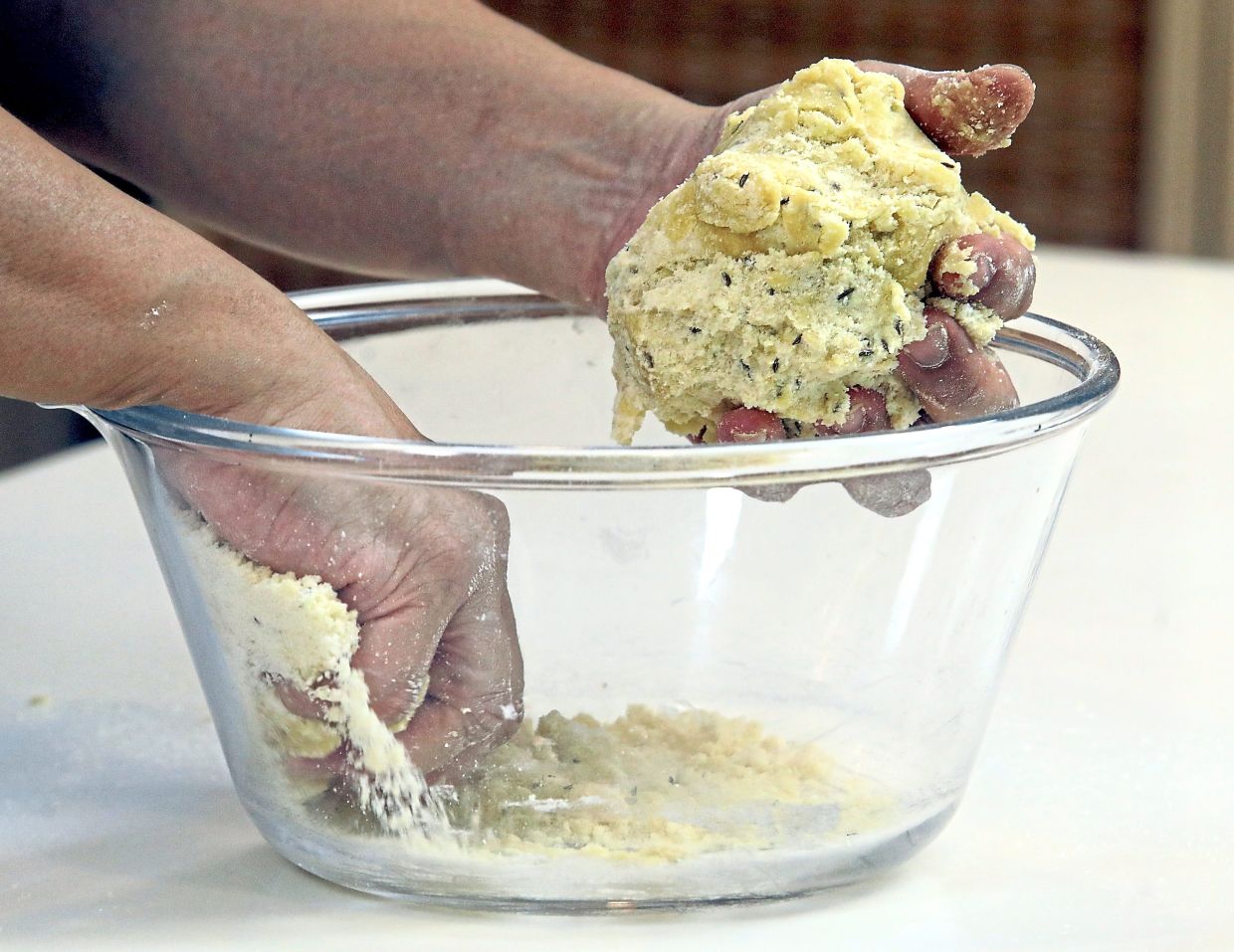
Whisk together the flour, sugar and caraway seeds until well combined. Rub in the butter until the mixture resembles coarse crumbs.
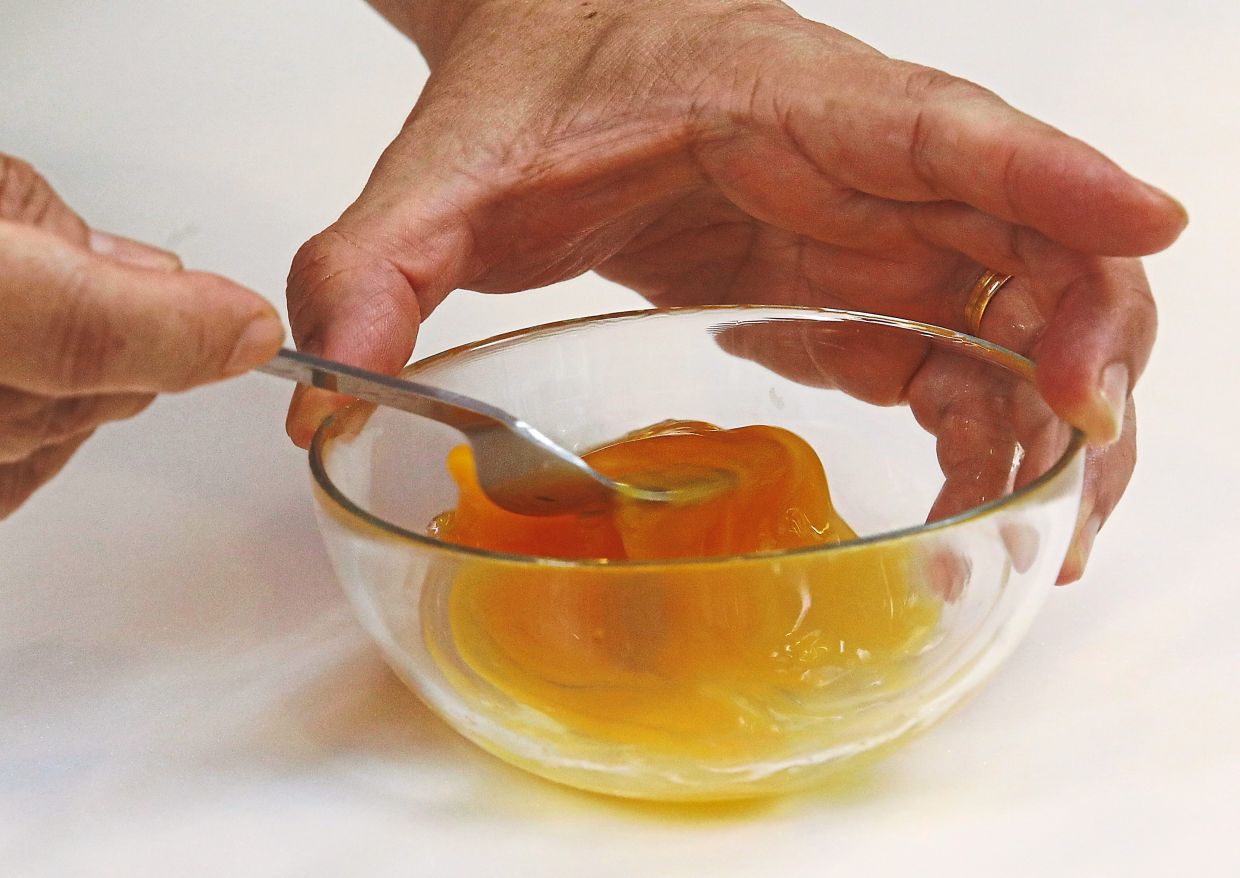
Lightly beat the egg and work it into the mixture by hand until a cohesive dough forms.
Roll small portions of dough as thinly as possible, ideally about ¼cm, on parchment paper.
Cut into discs using the rim of a 6cm glass tumbler or round cookie cutter and place on the prepared tray, spacing about 1cm apart.
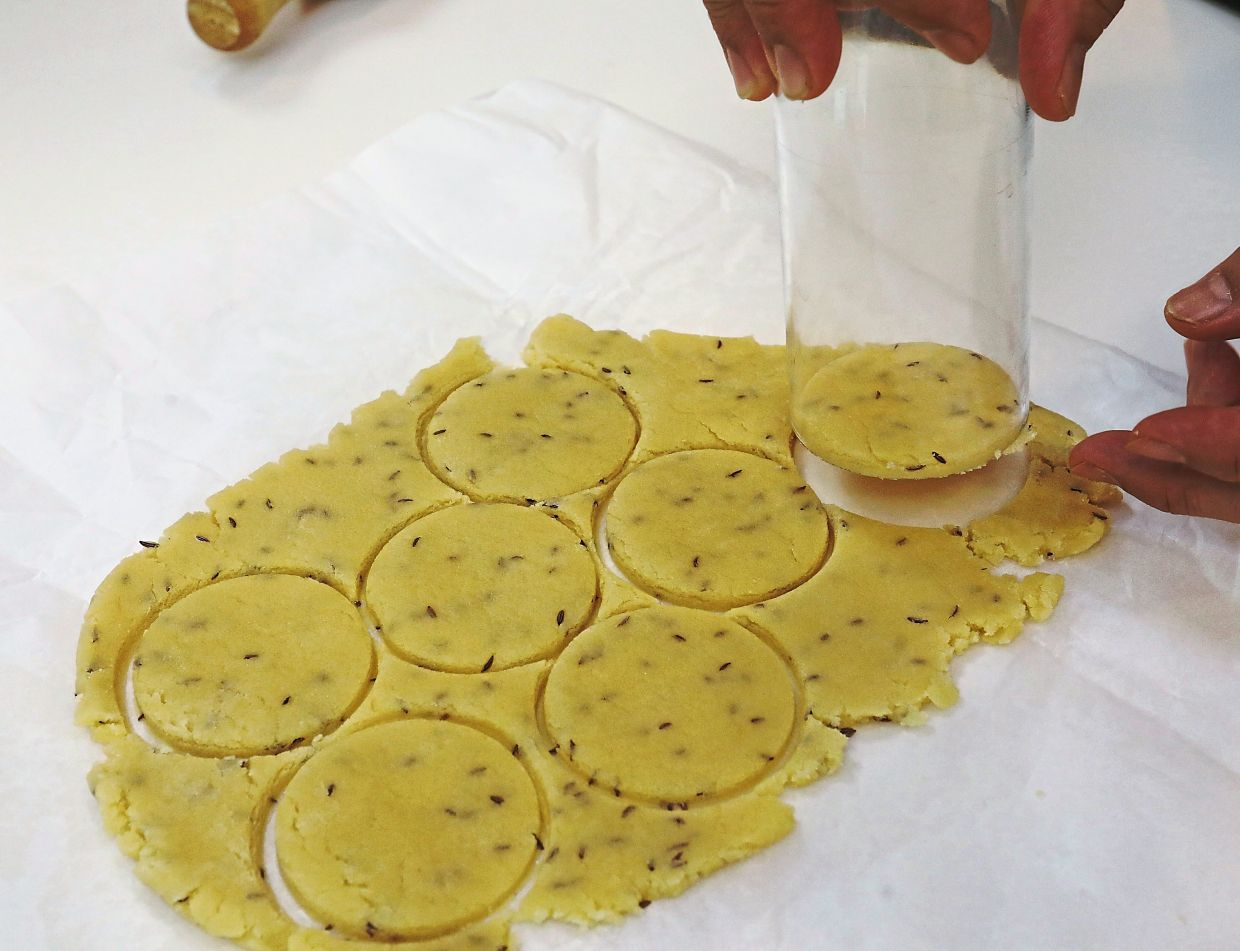
If you are able to obtain about seven dozen biscuits from this dough, you have rolled them thin enough.
Bake for about 15 minutes, until lightly browned at the edges. The biscuits will still feel soft.
Allow to cool slightly before transferring to a wire rack. They will harden as they cool.
Note: This dough must be handled by hand. Avoid using mixers or food processors, as they do not produce the correct texture.