In the annals of food, time is reflected in evolving trends, changing predilections and quite often, the obliteration of recipes once considered sacrosanct in different communities.
Sadly, there is often nothing to mark the end of a culinary era or the death of a recipe. It simply dies, its life unmarked and forgotten – as though it had never existed at all.
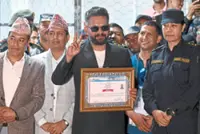
Unless someone does something about it. This “culinary saviour” mantle is exactly the one Sri Lankan chef Sudheera Bandara decided to take up when he began revisiting the food of his homeland in earnest over a decade ago.
Sudheera is a trained chef who has worked all over the world, including stints in countries like Italy, Singapore and Australia.
“At the time, I didn’t know a lot about Sri Lankan food, because in hospitality school, we only learnt about Western cuisine. And I travelled and worked in five countries, but I still only learnt about Western food,” says Sudheera.
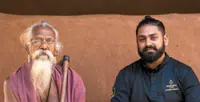
Ten years ago, Sudheera realised that there was more to Sri Lankan food than meets the eye. So he embarked on a decade-long, life-changing journey to learn more about Sri Lankan food culture. To do this, he visited approximately 2,000 villages throughout the country and spoke to over 5,000 senior citizens scattered throughout these villages.
Not content with just conversations and anecdotal tales, he then turned to expert sources – consulting over 100 archaeologists and food historians and devouring 300 books and manuscripts on Sri Lankan food.
“Sri Lanka is a multicultural country, so I went to all the ethnic groups and I stayed with them. I studied their rituals, food culture and food habits. That’s how I collected the knowledge and the recipes,” says Sudheera.
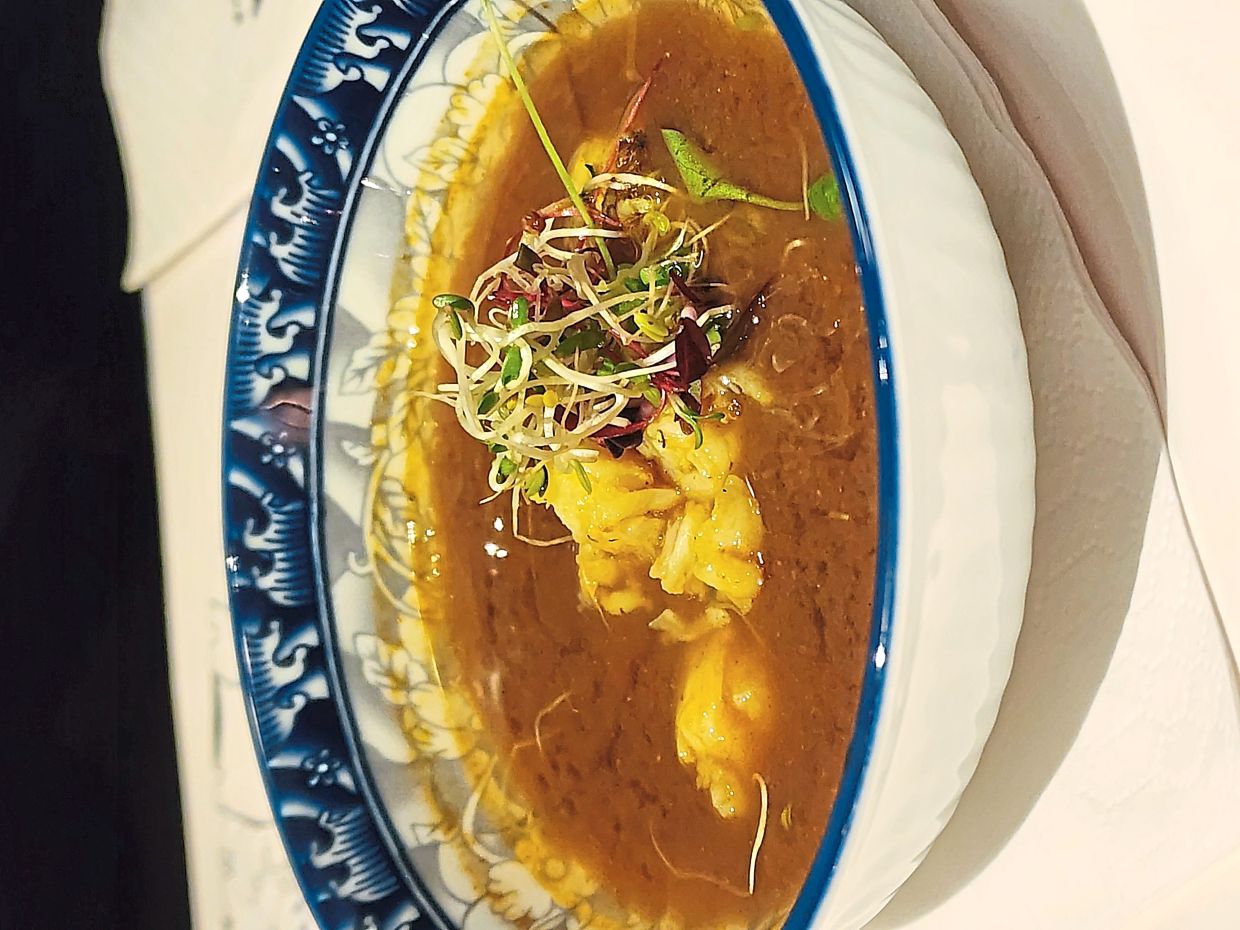
Sudheera was in Kuala Lumpur recently for a kitchen takeover at renowned Sri Lankan eatery Aliyaa, where he showcased a few dishes that reflect the lost flavours of Ceylon. Highlights included the lemongrass-infused lobster thambun hadi from Mathara, a southern coastal town known for its seafood. According to Sudheera, this soothing, sating coconut soup is now almost entirely lost in his country.
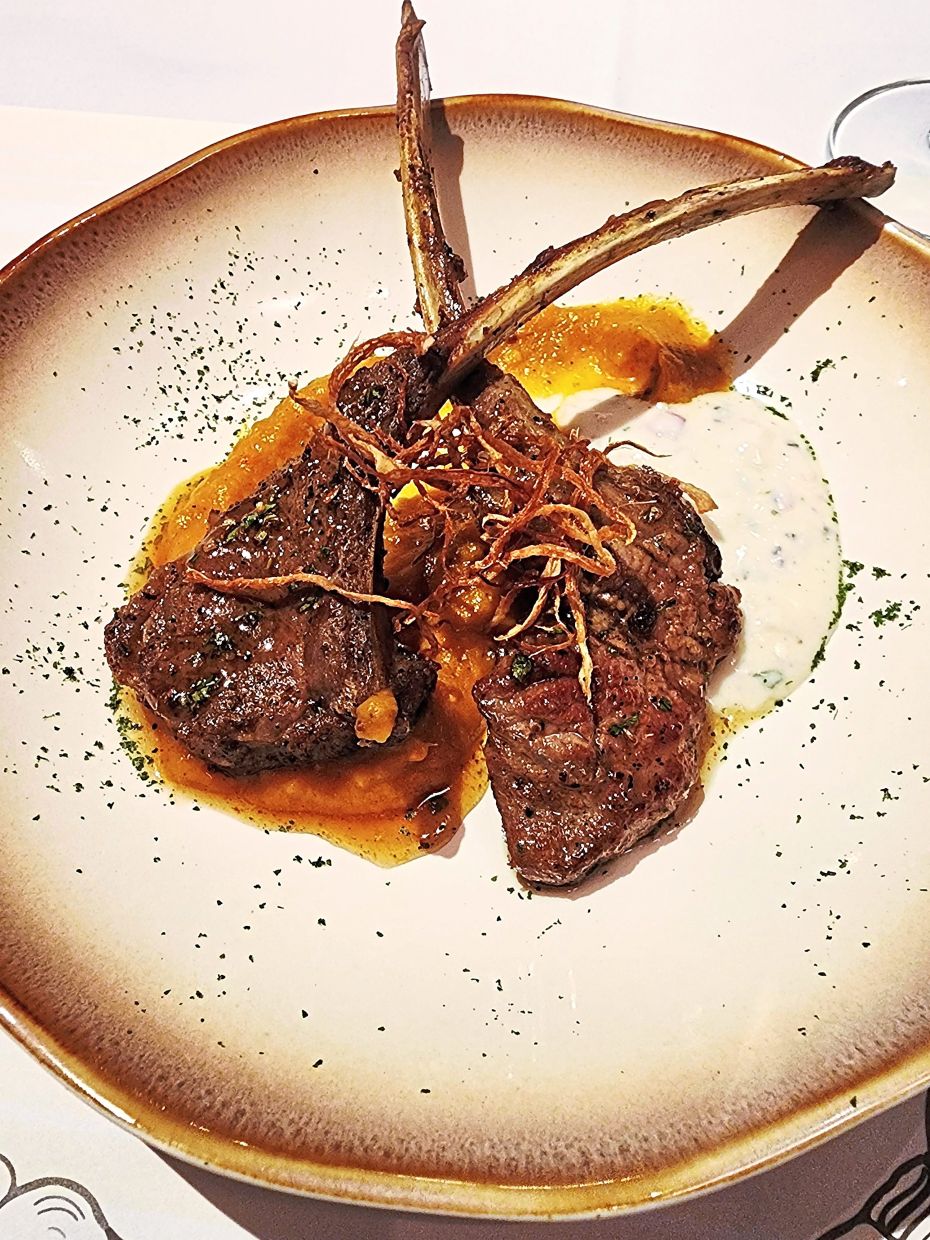
Another dish that has been lost to time is the smoked mutton chops with goda hodda from Dambana, a forest village that is home to the indigenous Vedda community in Sri Lanka. The mutton chops are cooked over an open fire and reflect a style of cooking that is now dying out in this ancient village.
Cooking these recipes brings them to life but only temporarily, which is why Sudheera is looking at something more permanent to collate everything he has learnt over the years.
To start, he has put together a YouTube documentary called The Lost Flavours of Ceylon as well as a book of the same name that harnesses from his 10-year odyssey of discovery.

Both are particularly pivotal, as Sri Lanka’s culinary arsenal lost a great deal from its repertoire during the nearly 27 years of civil war that took place between 1983 and 2009. Death, displacement and massive emigration to countries like Australia, Canada and the United Kingdom also spelled the death knell for many communities’ culinary cultures.
“When I want to tell young people in Sri Lanka what I learnt from senior citizens – they may not believe me. That’s why I wanted to write the book and do the documentary, then I have the evidence,” says Sudheera.