The privatisation of public parking emerged as the most contentious issue in Petaling Jaya.
Under the state-led Selangor Intelligent Parking (SIP) system, management of street parking was slated to be consolidated under a single concessionaire, Selmax Sdn Bhd.

The SIP scheme proposed a centralised parking system with four local authorities – Petaling Jaya City Council (MBPJ), Subang Jaya City Council, Shah Alam City Council and Selayang Municipal Council – implementing it first, from Aug 1.
The proposed deal sparked controversy, especially the revenue-sharing formula.
Under the scheme, revenue would be split 50% to the company, 40% to local councils and 10% to Menteri Besar Selangor Incorporated (MBI).
Petaling Jaya MP Lee Chean Chung, alongside local councillors and resident groups, had called for the deal to be suspended, citing a lack of transparency and unfavourable financial terms.
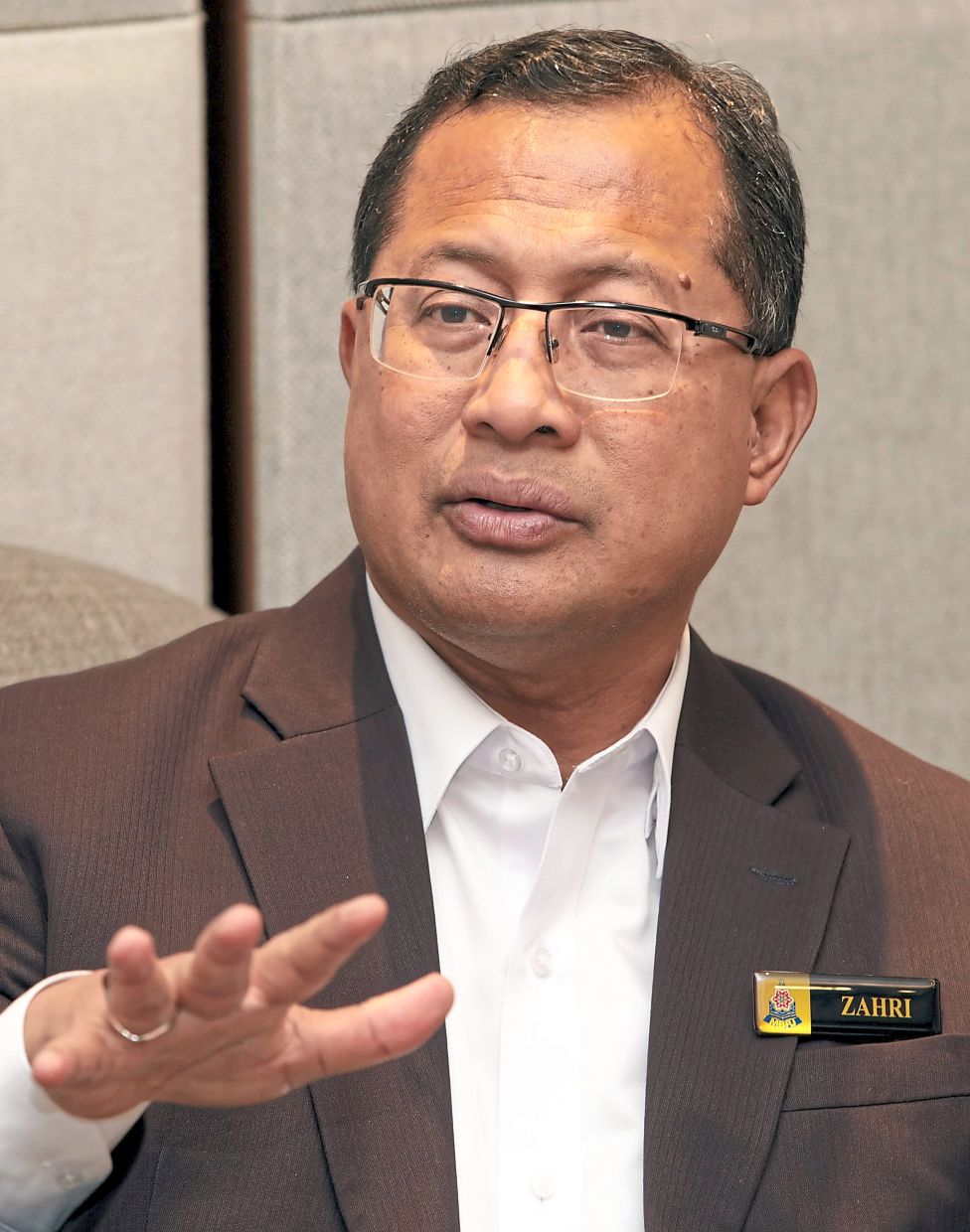
Despite a “verbal agreement” reportedly reached in September following a closed-door meeting with Selmax, mayor Datuk Mohamad Zahri Samingon has maintained a cautious stance.
“Our main focus is that income must remain the same or increase.
“Secondly, we are finalising the profit-sharing percentage,” he said, adding that all details must be clearly codified before a formal commitment is made.
As of December, the agreement remains unsigned.
MBPJ councillor Terence Tan Teck Seng confirmed that the council is still reviewing the legal and financial particulars of the deal.
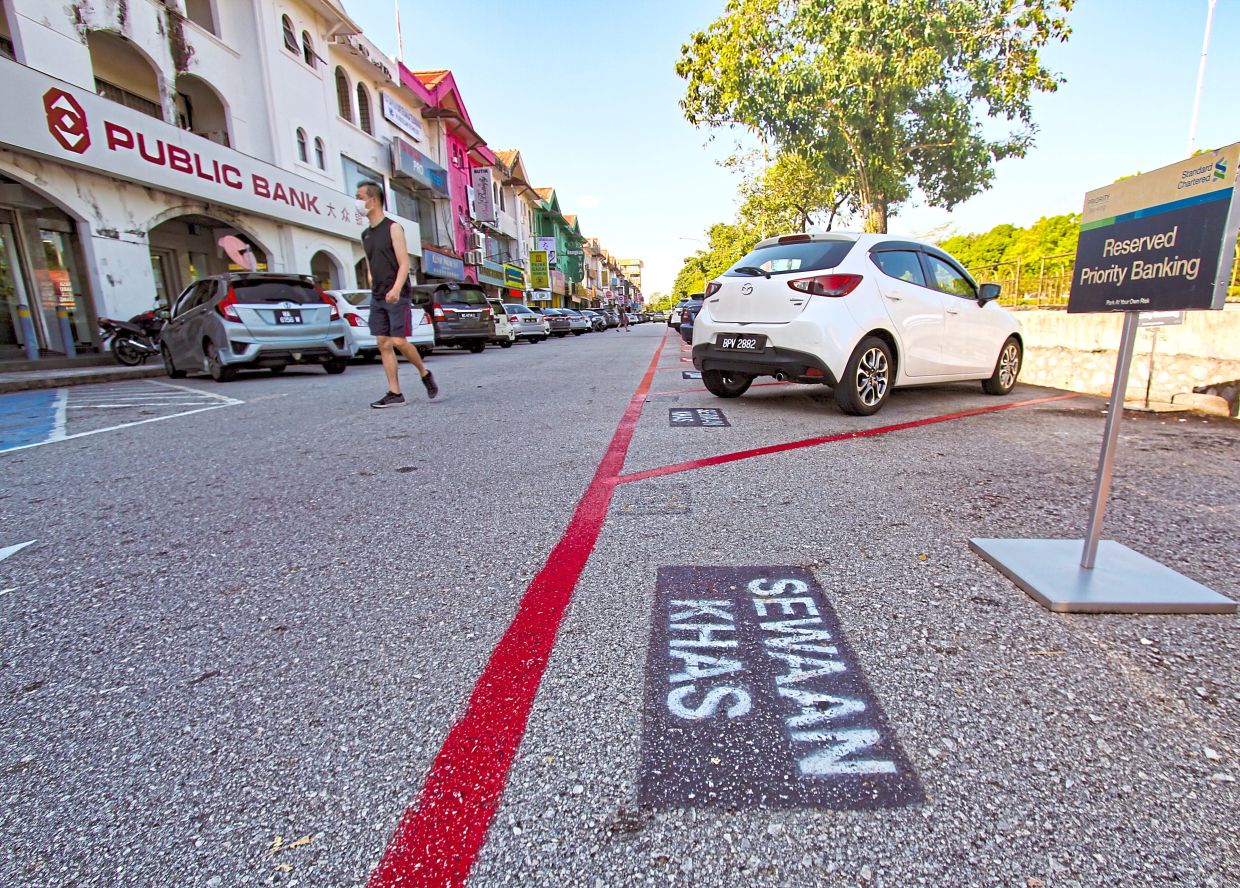
Still on parking, Petaling Jaya is set to standardise its reserved parking system next year, with all business-allocated bays converted to 24-hour across the city.
The mayor announced the move in October following the presentation of the MBPJ 2026 budget.
Under current regulations, bay reservations are only enforced during office hours, allowing the public to park for free after 6.30pm and throughout weekends and public holidays.
The new policy will see 1,000 existing reserved bays converted to full-time status.
Additionally, 54 “blue-lined” 24-hour bays will be repainted red to ensure a uniform system.
Moving forward, all reserved bays will be marked in red, and the blue-lined designation will be phased out.
In total, 1,054 parking bays will be designated for 24-hour use and rented at RM400 per month.
Speedy planning approvals
In November, MBPJ began implementing a 24-hour planning approval system for small-scale developments.
The Planning Approval within 24 Hours (PA24) initiative, marks a radical shift.
Previously, homeowners and developers faced wait times ranging from 42 to 98 days.
Petaling Jaya deputy mayor Aznan Hassan said the scheme would initially focus on landed properties, covering new builds, demolish-and-rebuild projects and small-scale extensions.
However, the 24-hour turnaround is conditional on submissions being complete and meeting all eligibility criteria.
He said the move was part of a broader push to modernise local services, aligning with the Federal Government’s Public Service Reform Agenda and the Speed Selangor policy.
The council’s digital ambitions don’t end with faster processing. Within six months, MBPJ plans to integrate an Artificial Intelligence (AI) assistant to automate the verification of zoning, plot ratios, and planning compliance.
“Phase One of PA24 will still be manually done,” Aznan said. “But when we implement Phase Two at a later date, we will use AI to verify documents even before they reach us.”
Draft local plan feedback
In December, the city council launched a publicity and public participation programme for residents to submit proposals or objections to the draft Petaling Jaya Local Plan (RTPJ) 2035 (Replacement).
At the launch, Mohamad Zahri said that the RTPJ 2035 (Replacement) was a combination of the previous local plans (RTPJ 1 and RTPJ 2).
He said RTPJ 2035 (Replacement) was aimed at re-evaluating and coordinating Petaling Jaya’s development direction to ensure that it aligns with concurrent policies at the international, federal and state levels.
“It will also apply the latest city planning concepts and strategies to make Petaling Jaya a sustainable and progressive city,” he had said.
The plan is open for public feedback from Dec 15 to Feb 16, and can be viewed at the lobby of MBPJ’s headquarters, between 9am and 4pm.
To make it easier for the public, objection forms and information on amendment applications will be available at MBPJ.
The information is also available on the city council website.
RTPJ 1 and RTPJ 2 were gazetted in 2003 and 2011 respectively, according to Selangor Town and Country Planning Department’s (PLANMalaysia) website.
It was reported that 9.68ha of land was proposed for land use change under RTPJ 1, while 808.95ha of land was proposed under RTPJ 2.
Care economy policy
In October, MBPJ announced that a five-year care economy action plan would be implemented in Petaling Jaya focusing on developing an inclusive, sustainable and responsive care ecosystem.
The plan was in line with Selangor’s care economy policy from 2024 to 2030, said the mayor.
Under it, MBPJ would introduce improvements in operational guidelines and approvals for care centres.
In addition, there will be training and certification programmes for professional caregivers and incentives for care institutions.
MBPJ would also encourage investment and innovation in social care services.
“This policy will strengthen the well-being of children, the elderly and the disabled through the provision of quality, safe and accessible care services.
“At the same time, it opens up new job opportunities, stimulates social investment and encourages innovation in the care sector, making it a new growth engine,” Mohamad Zahri said.
With a population of 823,794 as of January 2024, Petaling Jaya has a density of over 6,000 people per sq km. It also has a greying population with 12.6% of residents aged over 65.
This, he said, underscored the reality that the city shouldered a significant social and economic burden of care.
“Therefore, efforts to build an organised, responsive and sustainable care ecosystem in Petaling Jaya are not just an option, but an urgent necessity for the well-being of its residents,” he said.
Enforcement action
This year also saw MBPJ intensifying enforcement against illegal waste dumping by identifying 43 hotspots across the city.
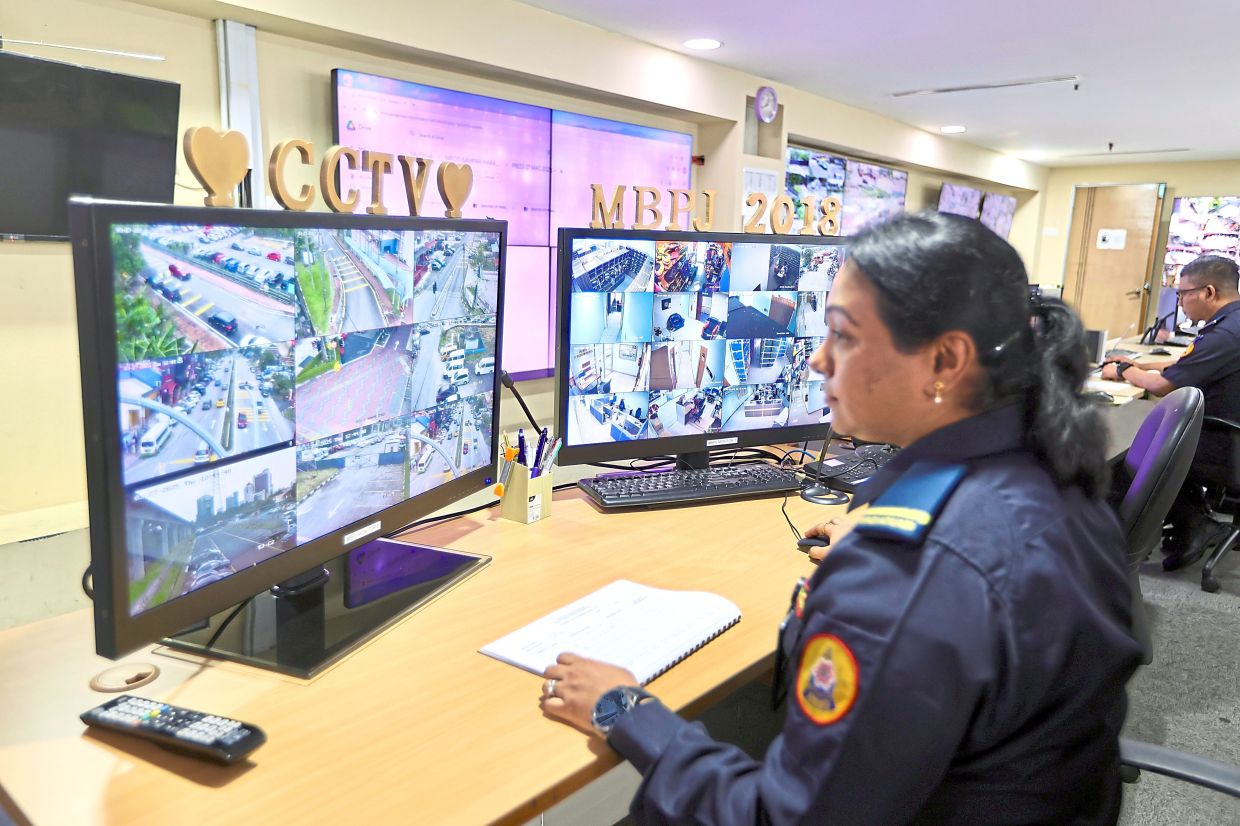
The city council installed mobile closed-circuit television (CCTV) cameras at 16 of these sites to monitor offenders and deter further violations.
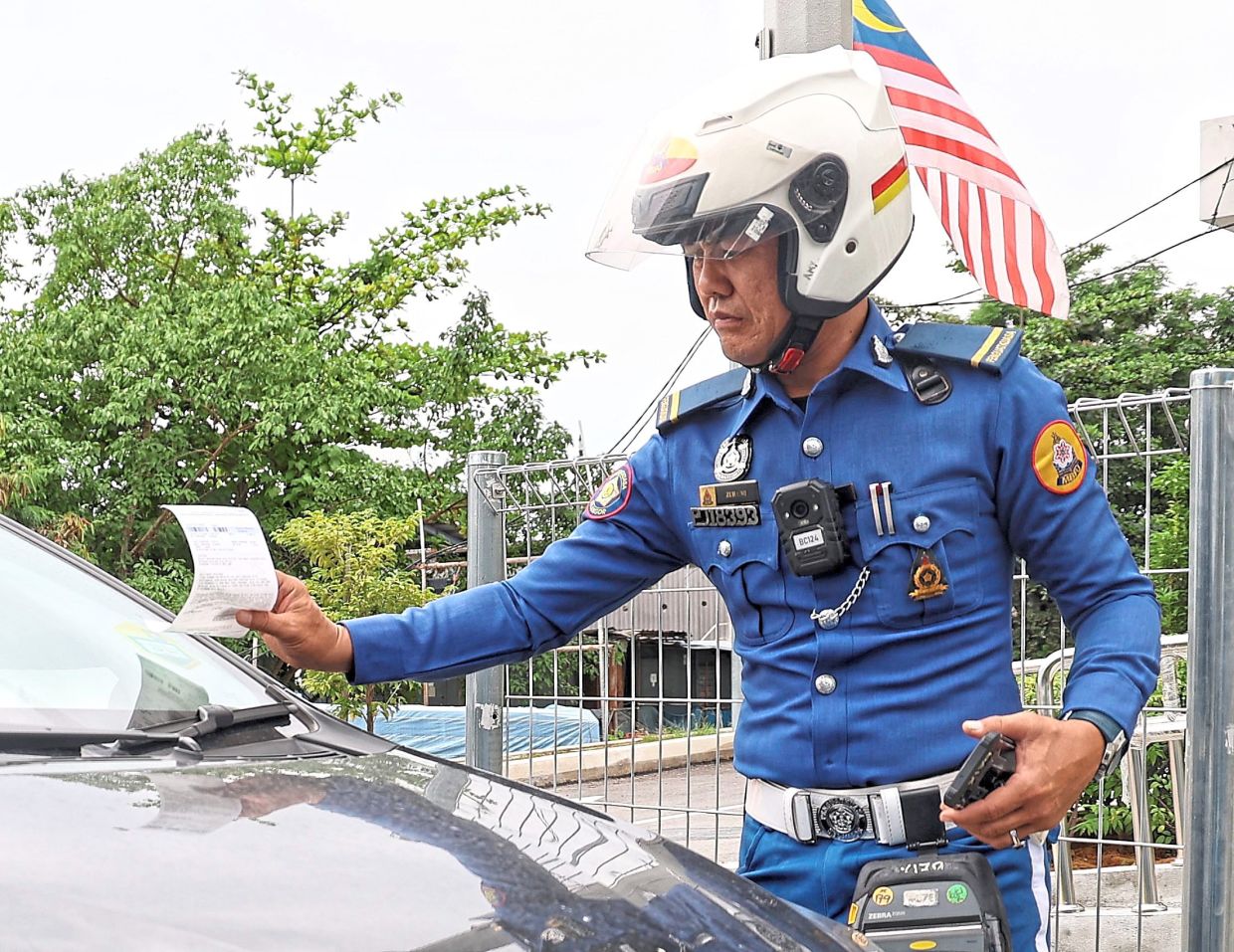
MBPJ said the initiative combined education and enforcement to create a cleaner, safer and greener city in line with the Petaling Jaya Smart Sustainable and Resilient (PJSSR) 2030 vision.
It said operations had been stepped up with targeted patrols and real-time CCTV monitoring to catch offenders in the act.
It was reported that from January to May 22, MBPJ’s closed-circuit TV surveillance recorded 45 illegal dumping cases.
During the same period, its enforcement officers issued a total of 172 compounds and made 74 arrests in relation to illegal rubbish dumping.
The CCTV initiative was rolled out under the PJ Watch Programme and is monitored from its control centre at Menara MBPJ.
Pet peeve in Bandar Utama
In October, a notice to vacate for the fenced dog park at Bandar Utama’s Central Park had regular visitors and pet owners up in arms.
MBPJ issued the notice to developer Bandar Utama City Centre Sdn Bhd, citing encroachment and unapproved construction activities in violation of MBPJ Park By-Laws 2005.
The dog park has served as a key community space for pet owners for over 20 years.
Following an outcry, Bandar Utama assemblyman Jamaliah Jamaluddin said the mayor had agreed to hold further discussions with all relevant parties.
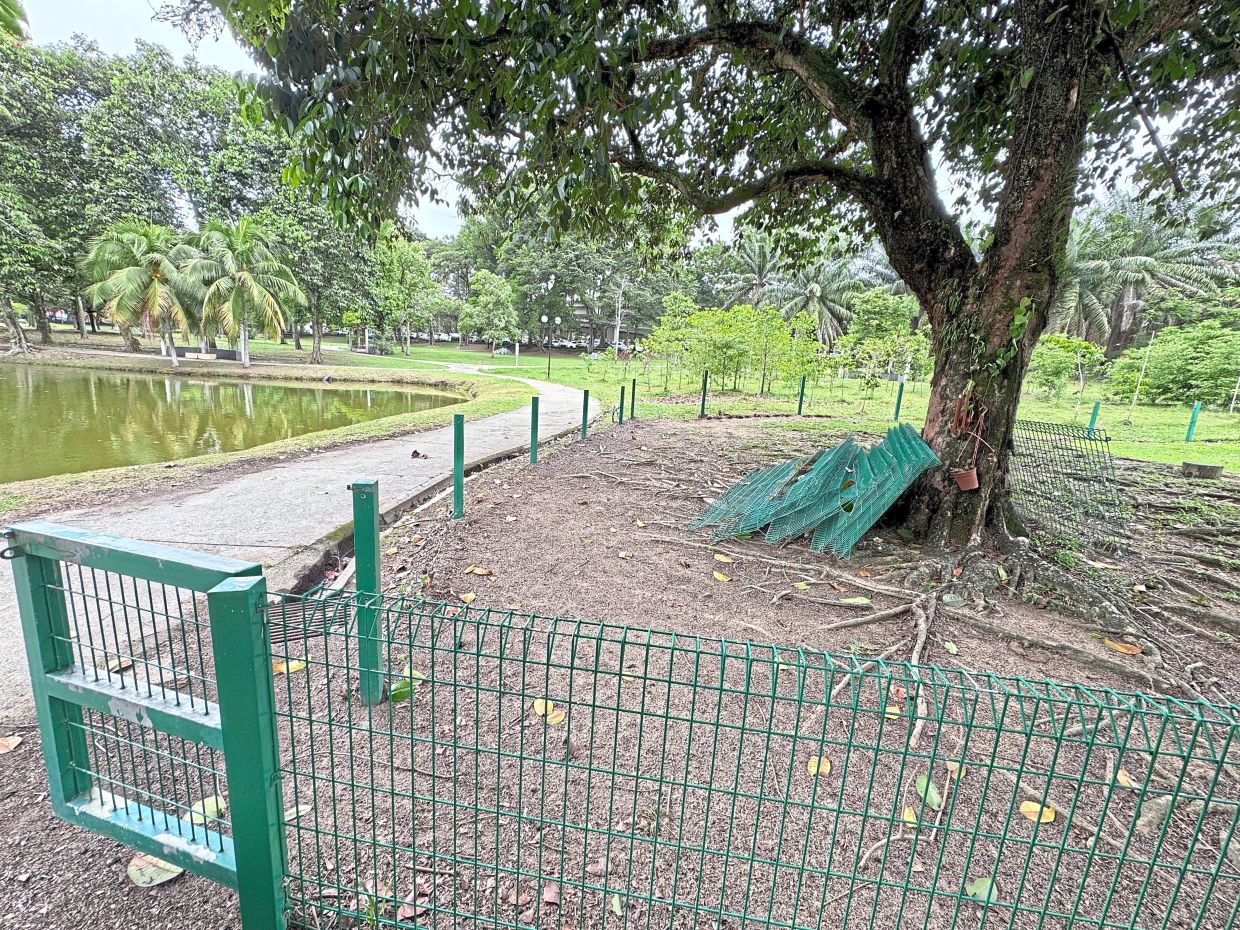
“All upgrading works at the original site have been temporarily suspended to allow further discussion and comprehensive consideration,” she said.
In November, pet owners petitioned MBPJ to protect the off-leash dog park after part of the fencing was dismantled.
“The off-leash zone has long symbolised community harmony, responsible ownership and shared public space,” the petition read.