THE ecotourism potential of Wang Kelian, Perlis, has drawn a financial corporation into a three-year commitment focused on environmental conservation and community empowerment.
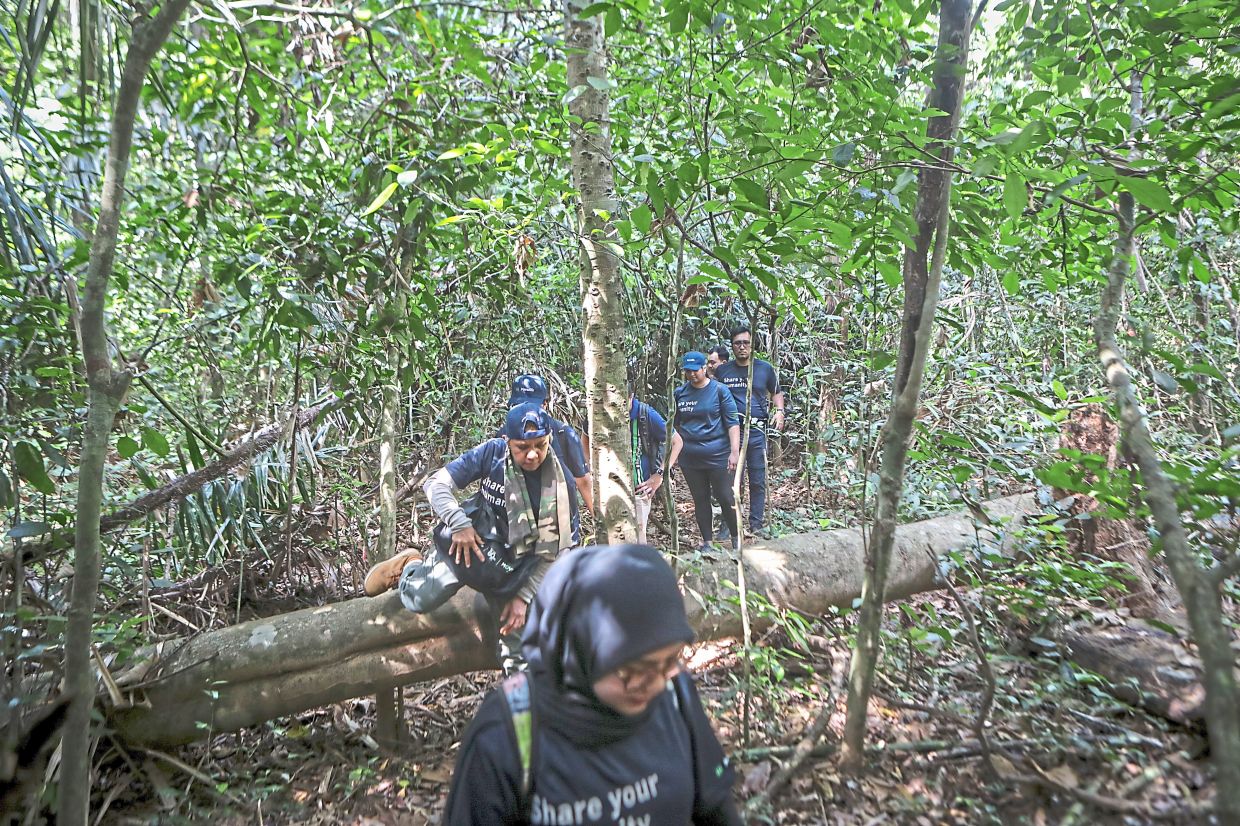
In December 2024, Manulife Malaysia partnered with Jane Goodall’s Roots and Shoots Malaysia to launch the initiative with the rehabilitation of 10km of the Denai Warisan trail.
The trail is part of a scenic nature and heritage route near the Malaysia-Thailand border, winding through limestone hills, caves and forested landscapes.
Since then, the programme has broadened to include strengthening local livelihoods through targeted skills development, alongside the recent introduction of a financial education component.
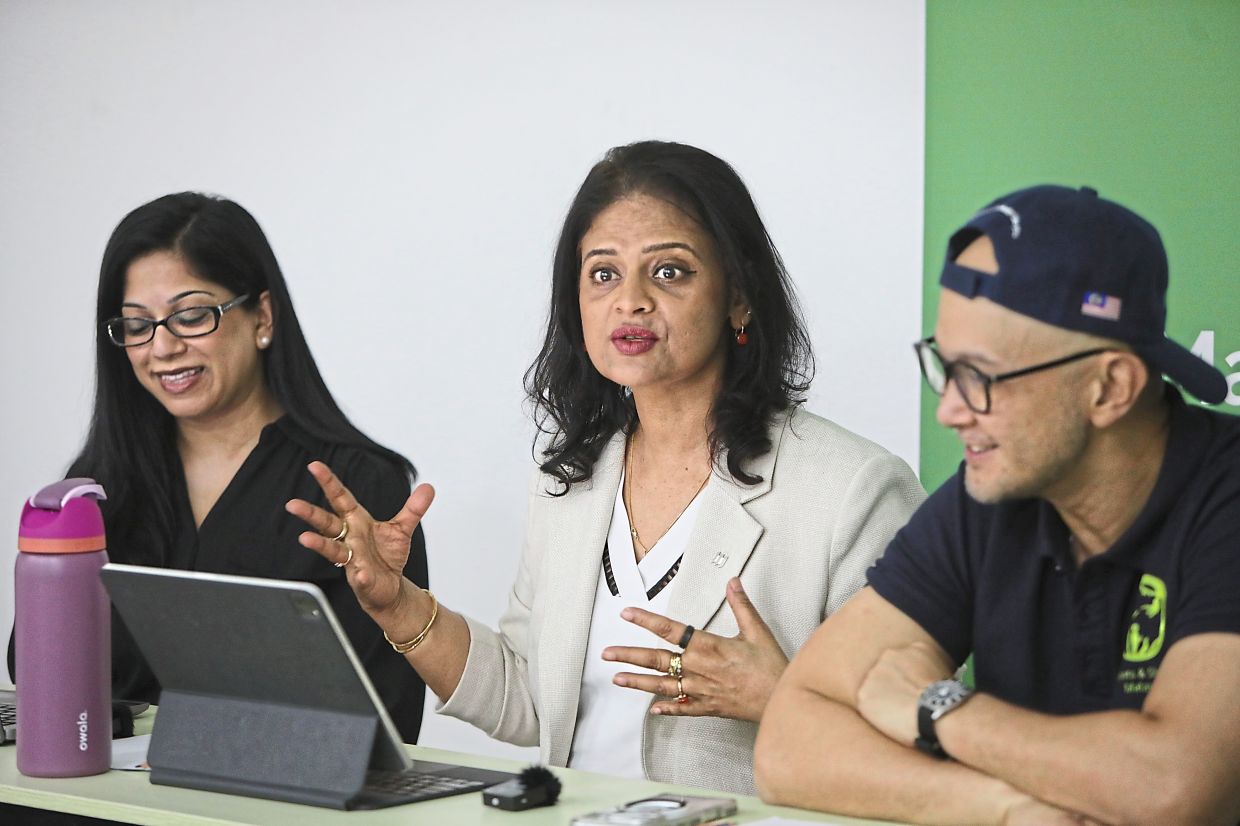
Manulife Holdings Bhd group chief executive officer Vibha Coburn said the first year of the programme focused on volunteer engagement, capacity building, local livelihoods and biodiversity conservation.
Coburn, who is also Manulife Malaysia chief executive officer, said the volunteer engagement involved hands-on conservation and community participation for trail maintenance, citizen science biodiversity surveys, visual storytelling, creative placemaking, and ecotourism- asset mapping.
“Capacity building was centred on practical, on-the-job skills development in guiding, ecotourism operations, programme design and business planning, supported by training, industry exposure, benchmarking visits and cross-border learning exchanges.
“The initiative also prioritised local hiring and sustainable
livelihoods through custodianship of Denai Warisan, expanded tour operations, diversified wildlife experiences, improved guiding and business skills, as well as the creation of paid conservation and maintenance roles.”
The biodiversity surveys also generated long-term data that could support conservation planning, strengthen collaboration with government agencies and contribute towards the Unesco Global Geopark submission requirements, Coburn said at a media briefing session in Wang Kelian.
She said Manulife was dedicated to protecting the environment while fostering sustainable economic opportunities for the local community to thrive.
“We hope the younger generation will have the resources and prospects they need to build their future in their hometown.”
No conservation effort could be sustained, she said, without community empowerment.
“That is why we invested not only in restoring the environment but also in building capabilities, training residents in entrepreneurship and equipping them with nature‑guiding skills to help them turn ecotourism into meaningful livelihoods.
“We also recognised the importance of digital inclusion and donated refurbished laptops to help bridge the technology gap for students, entrepreneurs and families,” she said.
She added that these small steps would have lasting impact in supporting economic mobility, education and long‑term resilience.
Another essential pillar of empowerment is financial
literacy, which Manulife is introducing through its Ringgit Smart programme.
Coburn said Ringgit Smart was designed to equip underserved communities with the fundamentals of money management, namely budgeting, saving, financial planning and building lifelong healthy habits.
It was modelled after the award‑winning Peso Smart programme in the Philippines.
“When people understand how to manage money, they are better equipped to support their families, pursue education, start businesses and sustain initiatives like those in Wang Kelian.
“Around the world, households are navigating rising costs, complex financial choices and a rapidly changing economy.
“Financial literacy empowers them with clarity and confidence,” said Coburn.
Manulife (Global) Asia community investment lead Krishna Mistry said Peso Smart was developed with communities in the Philippines.
“It was initially a programme to help schoolgoers develop financial literacy skills, which has now evolved to include programmes for youth and adults, emphasising the importance of cross-generational financial resilience.
“Over the years, we have refined the programme, integrating learnings and participant feedback to ensure our communities are developing the skills they need and having the best possible experience,” she said, adding that there had been positive feedback from the participants.
The Ringgit Smart pilot project with the Wang Kelian community is scheduled to run over five separate weeks from January to May.
“Participants will undergo two hours of learning each week, comprising a one-hour virtual lecture led by a Manulife employee and agent volunteers based in Kuala Lumpur, followed by a one-hour in-person tutorial.
“The face-to-face sessions are designed to reinforce understanding through discussion and real-life examples.
“Each week will focus on a different topic, ranging from financial goal-setting and debt reduction to budgeting, saving and investing,” said Krishna.
She said the programme would also incorporate baseline assessments, ongoing monitoring and feedback collection to ensure continuous improvement and measurable outcomes.