MALAYSIA is known as a food lover’s paradise, with every state having its own heritage foods that bring unique flavours to the table.
Heritage foods are traditional dishes, ingredients and culinary practices passed down through generations and deeply tied to culture and unique skills beyond just recipes.
Such foods are at the heart of Malaysia’s culinary richness, from traditional dishes to sweet treats.
These foods are not only a treat for the palate, but also carry the stories of generations and cultures that shaped them.
In Selangor, two foods gazetted in its heritage list are nasi ambeng and Sate Kajang. While nasi ambeng was gazetted in 2022, the satay was only gazetted in July this year.
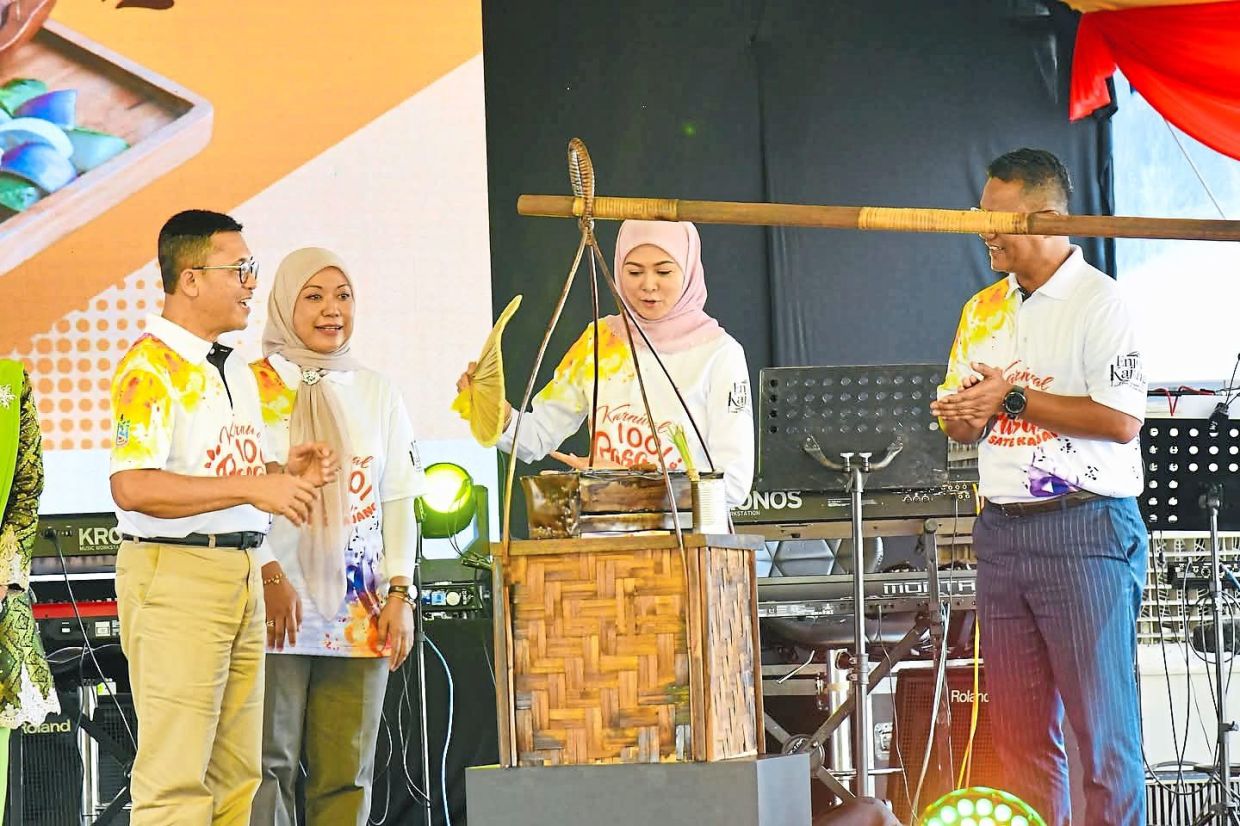
Sate Kajang’s declaration as a state heritage food was officiated by Tengku Permaisuri Selangor Tengku Permaisuri Norashikin during the Karnival 1001 Rasa Sate Kajang 2025 event.
Malay Culture and Selangor Heritage Corporation (Padat) assistant curator and researcher Mohd Zainudin Abdullah said the two dishes showcased Javanese influence on Malay culture as well as how it was adapted and evolved locally over time.
He said the history of these dishes could be traced back to the period between the 1880s and 1940s, during which the British colonisation of Malaya coincided with a significant wave of Javanese migration.
Nasi ambeng
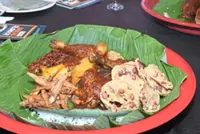
Mohd Zainudin said nasi ambeng was traditionally a communal food tray meant to be shared between four families.
“A set consisted of white rice, one chicken dish of either soy sauce chicken or ayam ungkep, serunding kelapa (coconut floss), sambal goreng Jawa (Javanese sambal), mee goreng, fried salted fish and rempeyek kacang (peanut rempeyek).
“The ingredients and preparation are made in such a way that the food can stay good for long hours,” he said.
Mohd Zainudin said nasi ambeng was food that was typically served at tahlilan (prayers for the dead) and doa selamat (prayers seeking blessing).

“Such prayers were only attended by men, usually the head of the family.”
After the prayers, he said, groups of four men would receive one tray of nasi ambeng.
“They will have a taste of the food, after which an elder among them will divide it into four equal portions to take home to their respective families.
“The tray will be lined using banana leaf with white rice making up the first layer.
“Another banana leaf will be placed on top of the rice before placing the other dishes onto the leaf as a second layer.
“This is to make sure the wet dishes do not leak into the rice, which could make the rice soggy and turn bad during the journey home,” he said.
Nasi ambeng has cultural significance that emphasises community spirit, Mohd Zainudin highlighted.

“In the early days, nasi ambeng was prepared in rewang or gotong-royong style.
“Also, the act of sharing among four men is a show of togetherness and brotherhood,” he said.
“These days, people refrain from sharing food from the same plate as it is seen as an unhygienic practice, although it was an act that brought people close back then.
“These days, only some families follow the traditional way of serving nasi ambeng, and that too would usually be served in individual portions or buffet style.”
Mohd Zainudin said preserving heritage foods was not just about keeping recipes alive, but also about celebrating Selangor’s identity, connecting the past with the present and ensuring that Malaysia’s reputation as a food paradise continued to reflect its vibrant history and traditions.
He also said that nasi ambeng was a traditional dish among Javanese communities in other states too, but with variations in the dish preparations and the associated cultural practices.
Sate Kajang
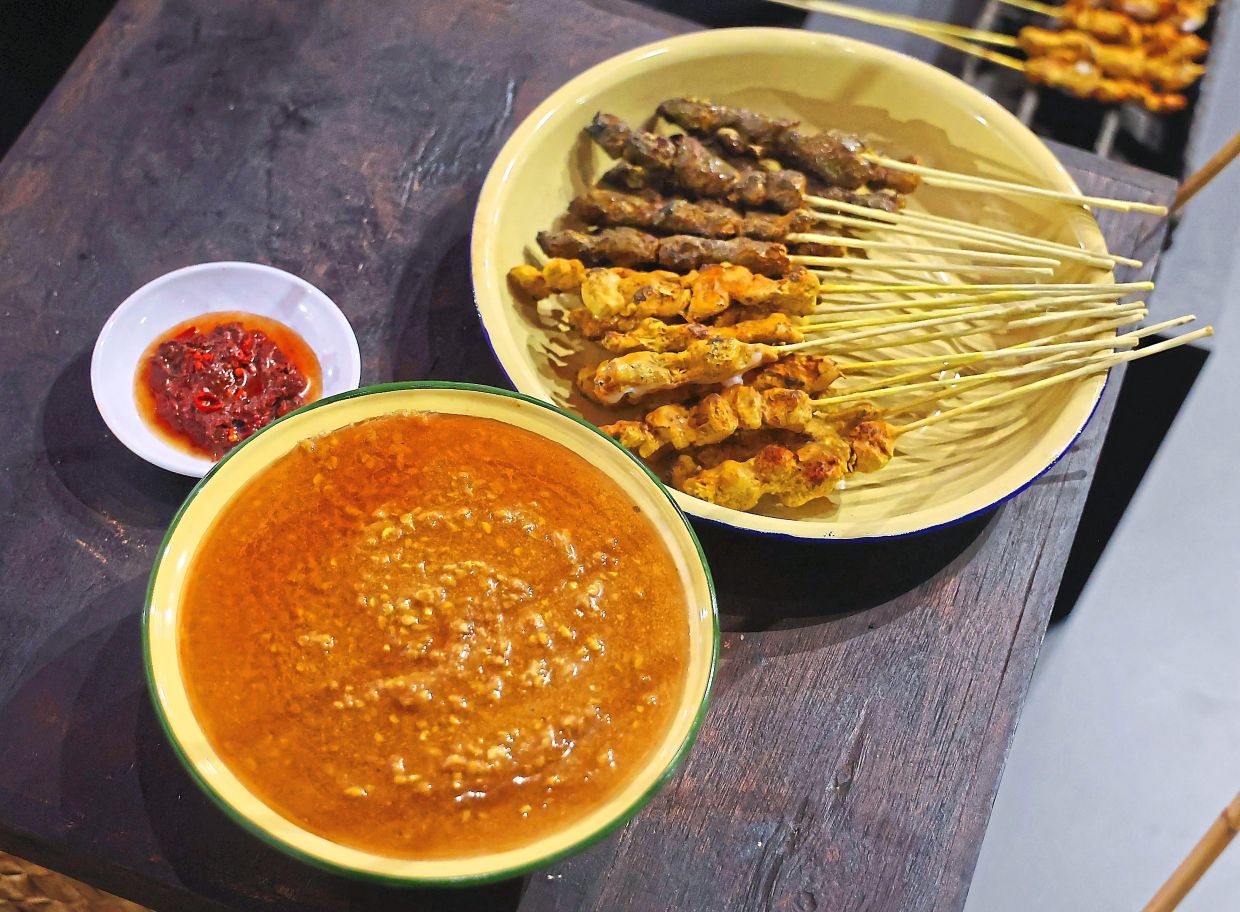
Satay is typically meat on skewers cooked over a charcoal grill and served with peanut sauce.
Sate Kajang that has been gazetted comprises chicken, beef and beef stomach with condiments such as rice ketupat, slices of onion and cucumber, and sambal for those who want some extra heat.
Mohd Zainudin said the popular delicacy was enjoyed in many parts of Malaysia where Javanese migrants had settled.
However, it was in Kajang that it got popular, thanks to Tasmin Sakiban.
Tasmin was a Javanese migrant who settled in a village in Kajang and started selling satay in 1917 to make a living.
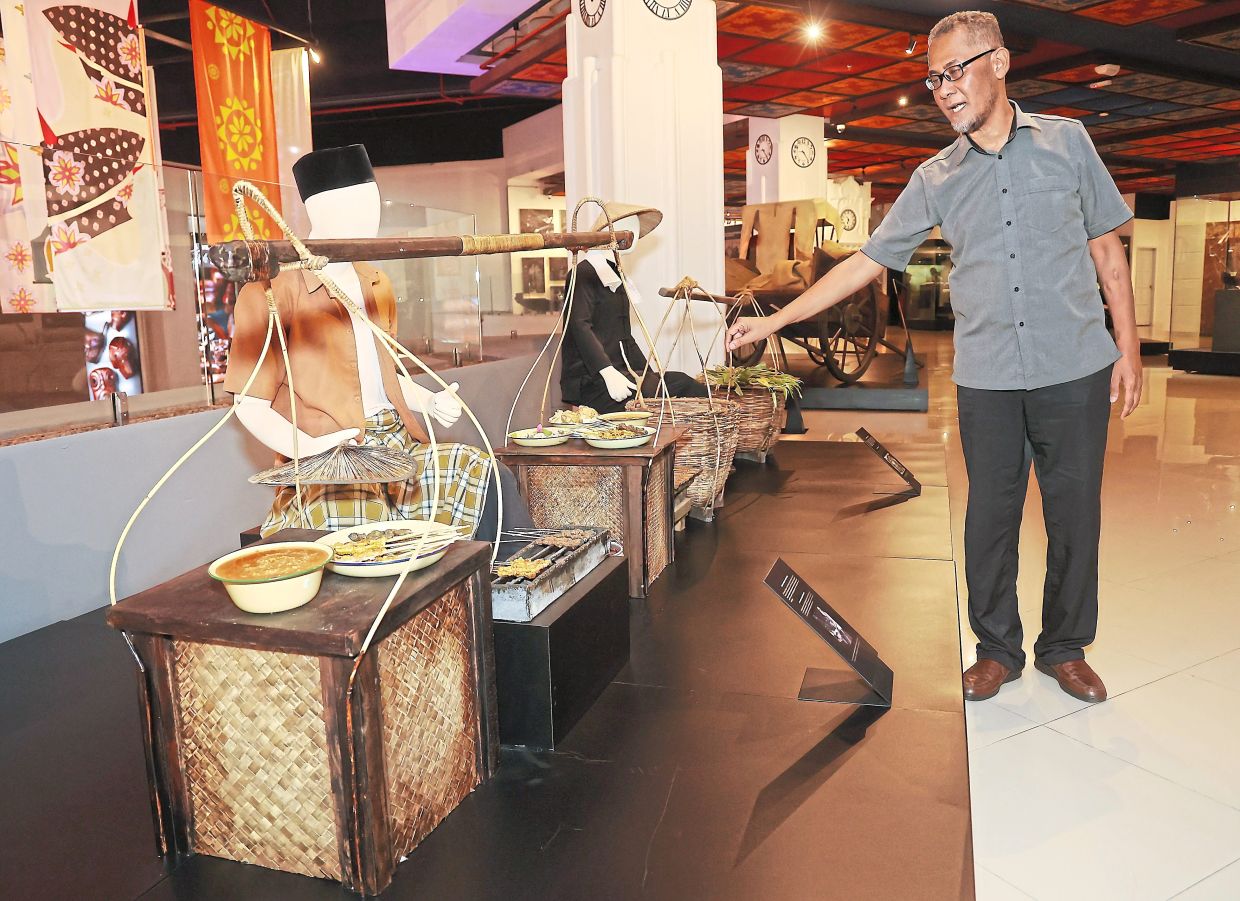
Mohd Zainudin said Tasmin started the business selling satay on a kandar (pole balanced on the shoulder), and walked from village to village carrying the food.
“He also carried a charcoal grill to cook the satay on the spot for customers who wanted them freshly cooked.
“His business grew and he upgraded to sell his snack from a push cart, and later set up a stall.”
Mohd Zainudin said Tasmin’s brother Rono helped him with the business.
“Tasmin also had a part-time helper, a young Datuk Samuri Juraimi who later married Tasmin’s granddaughter,” he said.
After Tasmin died, Samuri continued the business and rebranded it under Sate Kajang Hj Samuri, while Rono branched out on his own with another name, Mohd Zainudin elaborated.
“Although Tasmin, Rono and Samuri have passed on, many of their next-of-kin are in the satay business under numerous brand names in Kajang.
“Not many people know that some of the popular satay stalls in Kajang are owned by individuals who are members of Tasmin’s extended family,” he added.
Culinary identity
Selangor housing and culture committee chairman Datuk Borhan Aman Shah said gazetting of heritage foods such as nasi ambeng and Sate Kajang was a good initiative by the state to ensure that Selangor’s culinary identity continued to be preserved, appreciated and not lost to time.
He said traditional foods not only reflected the history and journey of the people of Selangor, but also as living cultural assets that united communities of various backgrounds through the universal language of food.
“This effort is also crucial in introducing these heritage treasures to the younger generation, enabling them to better understand the traditions and cultural identity of the state.
“In addition, this initiative brings significant benefits to small and medium entrepreneurs, village communities and food industry practitioners who continue to uphold traditional recipes.
“When a dish is officially gazetted, the value, authenticity and recognition of their craftsmanship increases, thus opening economic opportunities, strengthening the sustainability of heritage-based businesses and inspiring communities to continue passing down their traditions to the next generation,” he said.
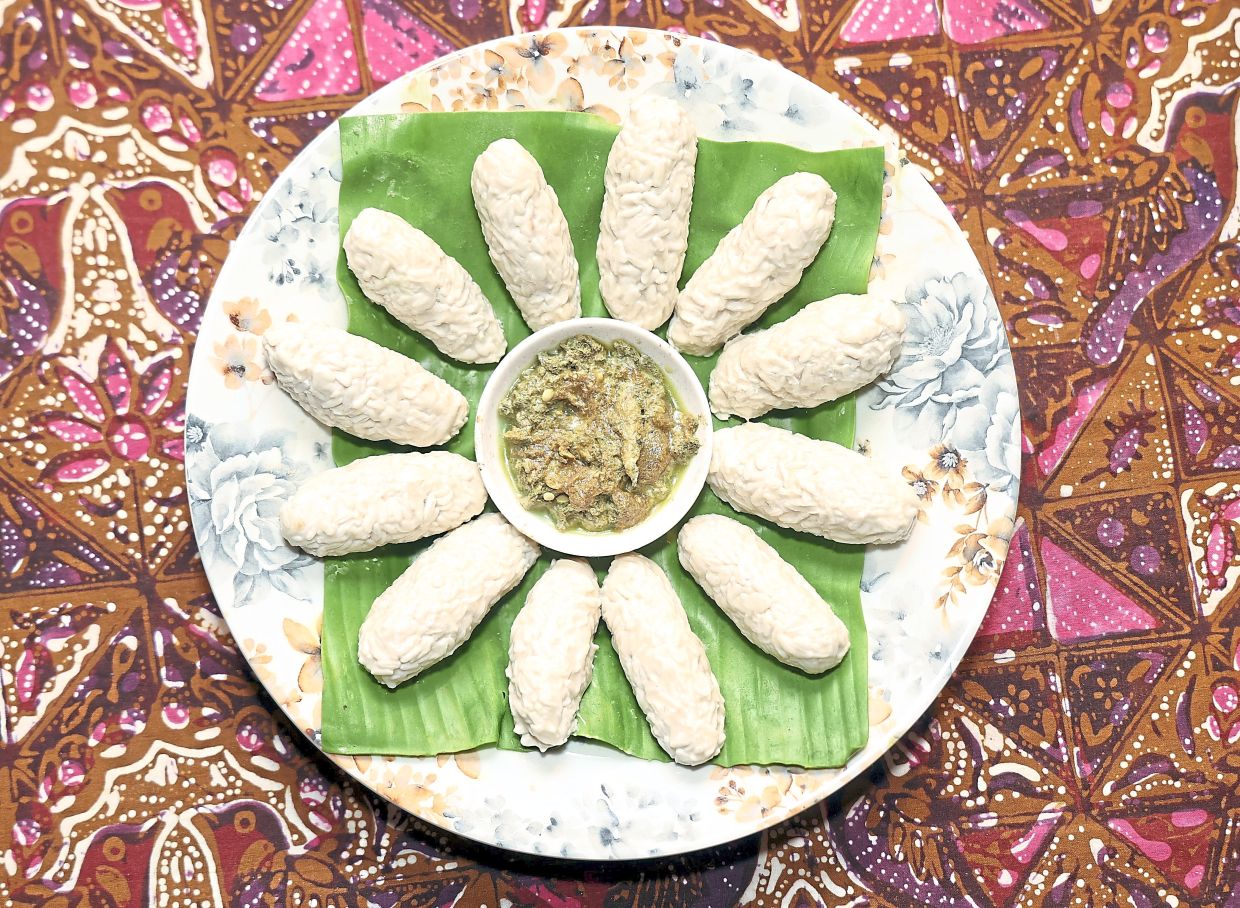
Borhan said three other traditional foods, namely lempeng sagu biji mata ikan and beppa pute from the Bugis community, as well as punten, a traditional Javanese dish, were under review for inclusion in Selangor’s heritage food list.
All three dishes, he said, had been featured at the Heritage Food Festival in Kuala Selangor last month.
“The state, through Padat and the local authorities, continues to organise exhibitions and cultural programmes to ensure Selangor’s heritage and culture remains vibrant, relevant and successfully passed down to future generations.
“This effort will further strengthen Selangor’s identity as a state rich in cultural heritage,” he reiterated.

Proud moment
Razman Roslan, 21, from Sungai Buluh said the tradition of serving nasi ambeng had evolved with time.
He said the people, especially the younger generation, were either not interested or too busy to take part in rewang.
“Rewang is more suitable in a village setting where the kampung houses have big compounds.
“Many in Selangor have moved out from villages to urban areas and live in landed houses and high-rises.
“These days, the menu varies according to the host’s liking.

“Even if nasi ambeng is served, chances are, it is catered and served in buffet style or individual portions due to practicality, hygiene and convenience,” said Razman.
Hj Samuri & Anak-Anak Enterprise Sdn Bhd managing director Nurul Aqilah Samuri said her family was honoured by the recognition given to Sate Kajang.
She said it would further promote Kajang as a destination for satay lovers and help the charcoal-grilled meat business thrive.
“I grew up watching my father (Samuri) build his satay business to a point of making it into an identity for Kajang and Selangor.
“The recognition of Sate Kajang as a heritage food of Selangor is meaningful because it is not only for historical and cultural value of the local community, but also honours the efforts of earlier generations who built this identity.
“It acknowledges the contributions of entrepreneurs, including my late father,” said Nurul Aqilah.
“It motivates us to carry on the legacy with a strong sense of responsibility, while preserving the quality, authenticity and traditional methods of preparing satay that have been passed down for so long, even as we continue to introduce innovations that suit modern tastes,” she said.