




THE air in Pulau Ketam carries the distinct scent of salt, diesel and the rich promise of fresh seafood – a serene world far removed from the traffic snarls of Port Klang on mainland Selangor.
This tranquil charm is exactly what propelled Kampung Bagan Pulau Ketam to victory in the inagural Selangor Best New Village Award in November, securing the coveted title of champion at state level with a prize money of RM5,000.
The winning village also come up tops in the Klang district, taking the RM3,000 prize, and claimed the “Terindah” (Most Beautiful) award, which netted it RM1,000.
Kampung Sekinchan Site C in Sabak Bernam won RM4,000 after taking second place while Kampung Baru Seri Setia in Sungai Way took third place with RM3,000 at the state level.
Winners also received a trophy and a certificate for the awards, which were based on an assessment of five key criteria: leadership, cleanliness, beauty, economy and information technology.
Nuances of island life
The story of Pulau Ketam began in 1880 when Hainan fishermen from Port Klang first discovered the area, initially travelling there daily to catch crabs.
By 1883, the fishermen began building permanent stilt houses, which soon mushroomed into a settlement, followed by the opening of convenience shops in the 1950s.
The island was sadly hit by two massive fires in 1967 and 1972, catastrophes that galvanised the community into establishing a volunteer fire brigade in 1974.
Infrastructure slowly followed, with a water supply and jetty completed in 1991, while ferry service and the KTM terminal began operations in 1999.
The island now boasts around 7,000 residents, mostly Teochew and Hokkien speakers, with smatterings of Mandarin and Bahasa.
Speed boats, which run every hour, bring visitors to the Pulau Ketam jetty from the South Port Terminal jetty in Klang, while e-bikes are a popular mode of transport on the car-free island.
The narrow concrete walkways are flanked by houses, wet markets, restaurants, and souvenir shops on stilts.
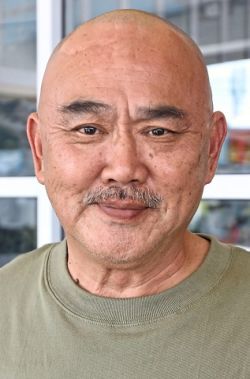
“After a win, we need to maintain the village in the same condition. More pressure for us,” said Wang, whose role includes organising community programmes and maintaining good relationships with government agencies.
A local who was born and raised here before moving to the mainland for work, Wang said he was happy to return to the island.
The 59-year-old embraces the “no need to drive, no congestion” life, finding comfort in meeting familiar faces at the coffee shops.
Life, however, is not all idyllic.
Along with the tide comes the rubbish from other areas, said Wang.
“The solution isn’t to clean constantly, but strategically. The best time is during high tide when rubbish will float, and it will be easier to collect.”
Wang said there also needed a shift in mindset, especially among the older folk about dumping rubbish into the sea.
“The younger generation now educates their grandparents on why they can’t throw in the sea,” said Wang.
The setting up of the Tzu Chi Recycling and Education Centre in 2010 has also played a key role in cleaning up the island, with the volume of recyclables collected coming down from three to four tonnes a month, to about 1.5 tonnes.
The cleaner surrounding has brought benefits.
“We even see new habitats of birds and crabs,” Wang said.

While the Pulau Ketam has seen many of its young people leaving for the mainland for better prospects, the island has increasing turned to tourism to support its economy.
A lot of houses have been converted to homestays, fuelling a vibrant tourism sector that attracts 5,000 regular weekend visitors, swelling to 10,000 on long weekends.
Visitors flock to see the iconic colourful houses and enjoy the fresh seafood.

Married to a fisherman, she has no intention of moving to the mainland.
“I find the pace in Kuala Lumpur too stressful with the traffic jams. I plan to retire on the island,” she said.
The here-to-stay-until-the-end attitude can also be found among the island’s last traditional boat builders.
Heng Seng Ming took over the boat building business from his father.
The 53-year-old, along with several workers, is currently building a Cengal wood fishing boat costing about RM1mil.
Wang, who is aspiring to the role of village head to better serve the community, sees a bright future with the right support.
“We need better allocation from the government for improved facilities like healthcare, public toilets, and bridges.”
Sustainable innovation
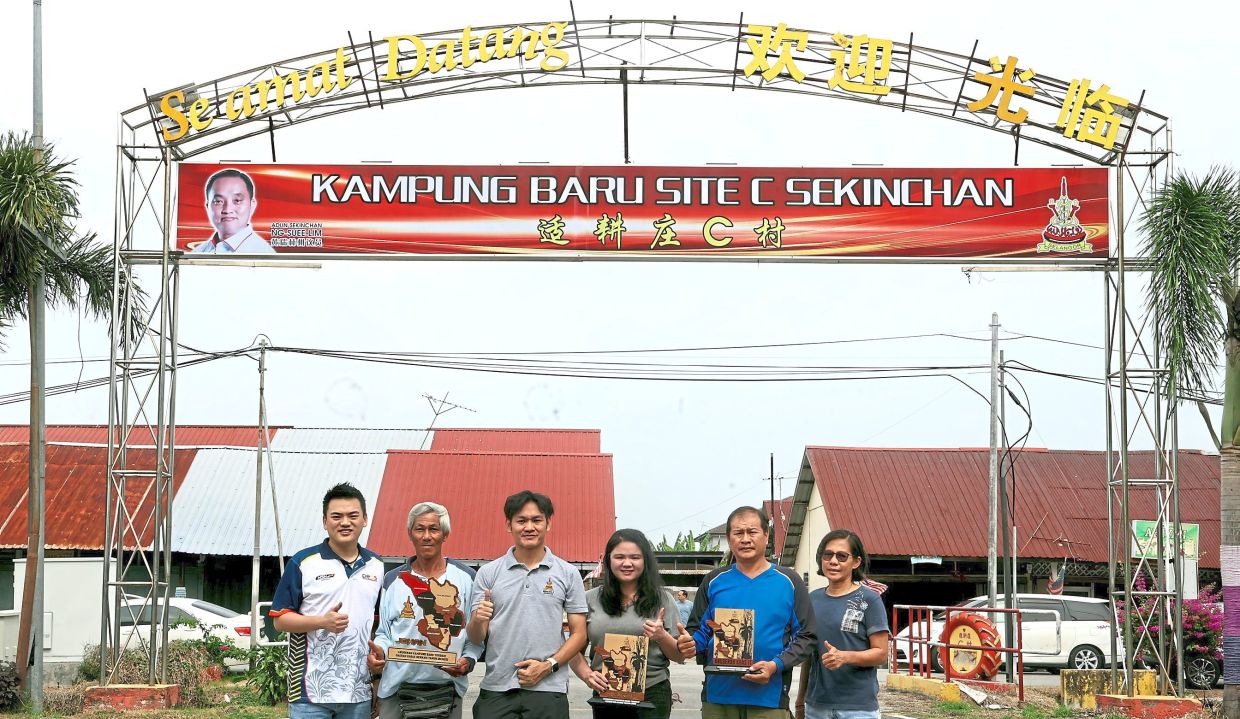
Kampung Baru Sekinchan Site C, the competition’s runner-up, impressed judges with its model of modernisation, especially in technology, which earned it the Special Award for Information Technology (RM1,000 cash) and first place in the Sabak Bernam district (RM3,000 cash prize).
Village head Gan Kian Yong, 42, demonstrated strong leadership by efficiently managing budget allocation and solving issues for the 350 households –from disputes over an unkempt yard to snake intrusions.
This effective mobilisation, he noted, formed the basis of their high leadership score.
As a major agricultural hub, Sekinchan Site C leveraged technology to empower its 500 padi and fruit farmers.
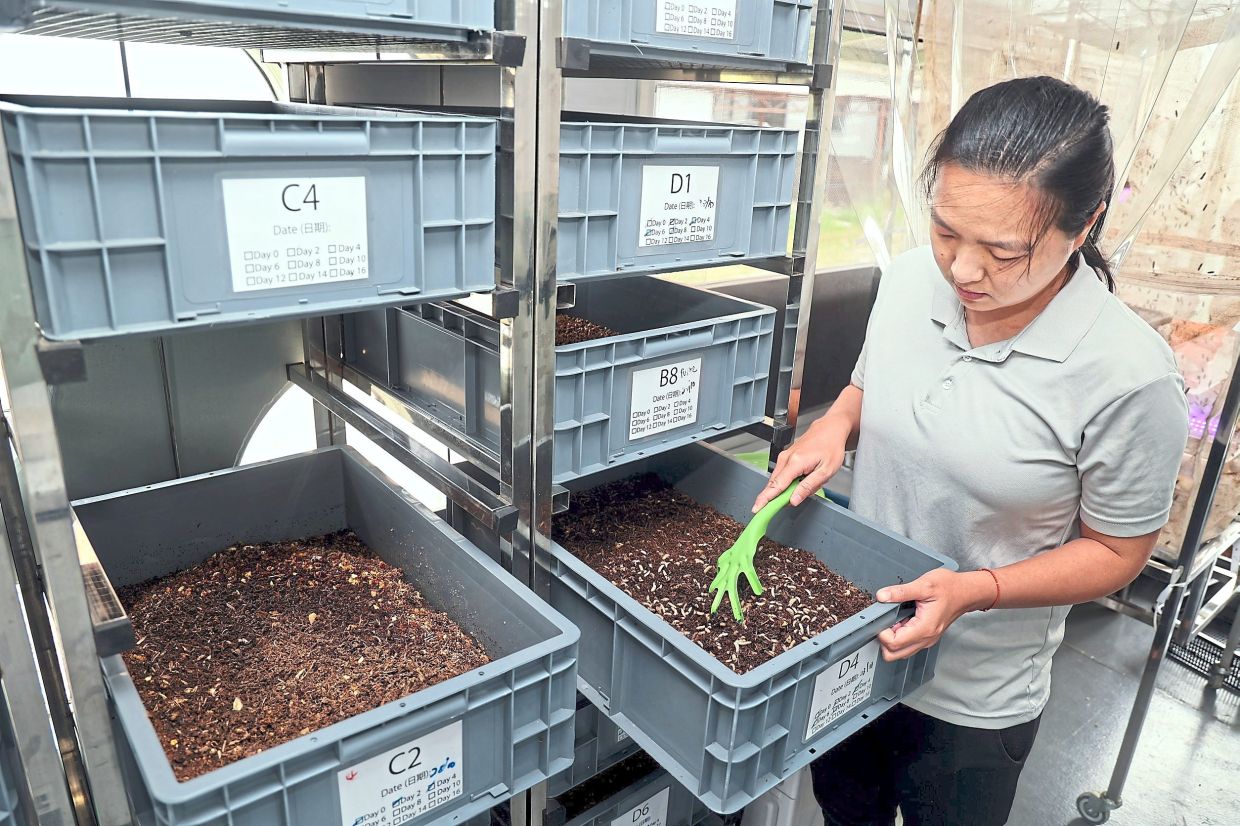
Gan detailed two key biotechnology initiatives: “We are utilising microalgae to regenerate soil health and Black Soldier Fly (BSF) larvae to manage agricultural waste like guava and fruit skins, turning them into compost instead of burning.”
This approach, which is a collaboration between ATOS Carbon Cycle and Yayasan Hasanah under Khazanah Nasional, has allowed some farmers to regenerate soil condition, positioning themselves as the “Sekinchan Site C Sustainable Village.”
The microalgae captures carbon, while the BSF recycles waste into fertiliser, reducing landfill use.
These innovations are complemented by efforts to beautify the village using recycled tyres and solar lights.
Gan is supported by Selangor youth activist Daniel Fu, 31, and Sabak Bernam District councillor Chia Sin Mei, 31.
Chia, who has served for four years, finds satisfaction in solving community issues collaboratively with Gan, while Fu focuses on engaging youths, organising initiatives like the mooncake and lantern festivals.
Urban heritage
In third place, Kampung Baru Seri Setia presented an interesting study of an urban village managing to maintain its identity within a city.
The village also emerged champion in the Petaling district category, winning RM3,000 and RM1,000 under the Exco Special Award.
Village head Ding Eow Chai, 66, and secretary Kow Wan Choy, 69, highlighted their main points in the Leadership category.
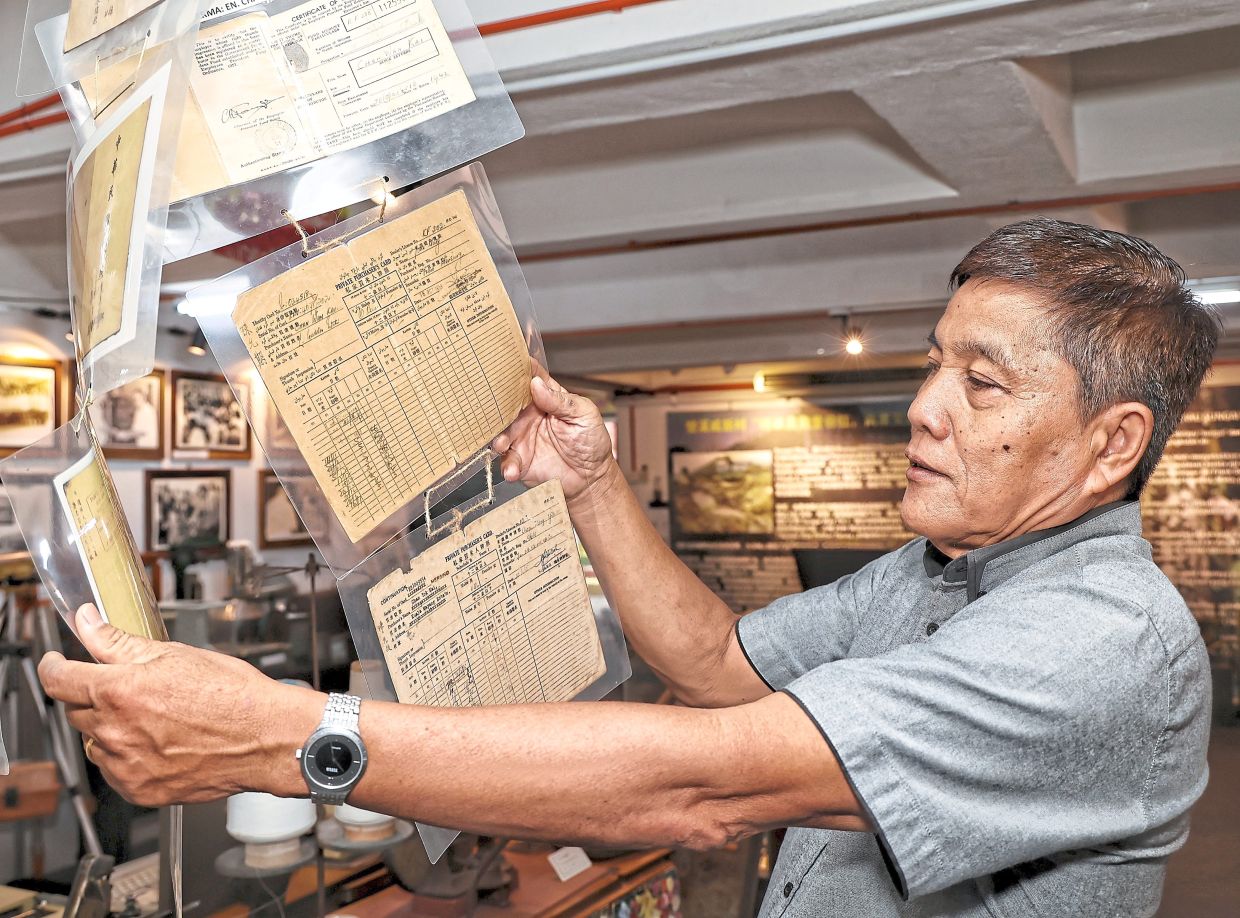
“For an urban village with ‘no sea, no mountains,’ we focused on what we could control: history and food,” said Kow.
Their proudest achievement is the Historical Corridor in Jalan SS9a/1, built on an abandoned lot, which showcases the journey of Sungai Way from agriculture to an industrial hub.
This corridor, adorned with donated antiques and murals painted by volunteers during the Covid-19 pandemic, attracts tourists.
“We are a harmonious, multiracial community of around 6,000 to 7,000 hosting inclusive festivals and events,” said Ding.
Their use of technology is streamlined and practical: WhatsApp is for internal complaints, while Facebook is for public content, avoiding the confusion of too many channels.
Dealing with urban issues like rubbish and flood control is a constant job, they said, managed by a dedicated team of Cleanliness Ambassadors appointed by Petaling Jaya City Council (MBPJ), who work with volunteers to ensure efficient cleanups.


