




IMPOSSIBLE Cake, better known as chocoflan or pastel imposible, is a famous Mexican dessert that combines rich chocolate cake and creamy vanilla custard flan in a single pan.
It earned its “impossible” name because the two layers completely switch places during baking.
When assembled, the thick chocolate batter is poured into the pan over a layer of caramel, followed by a liquid egg-and-milk flan mixture. As the dessert bakes, a little food science takes over.
The baking soda and acidic buttermilk in the cake batter react to produce carbon dioxide, creating an airy sponge that gradually rises.
At the same time, the denser custard sinks beneath it.
Once cooled and inverted onto a serving platter, the dessert reveals perfectly reversed layers crowned with a glossy caramel topping.
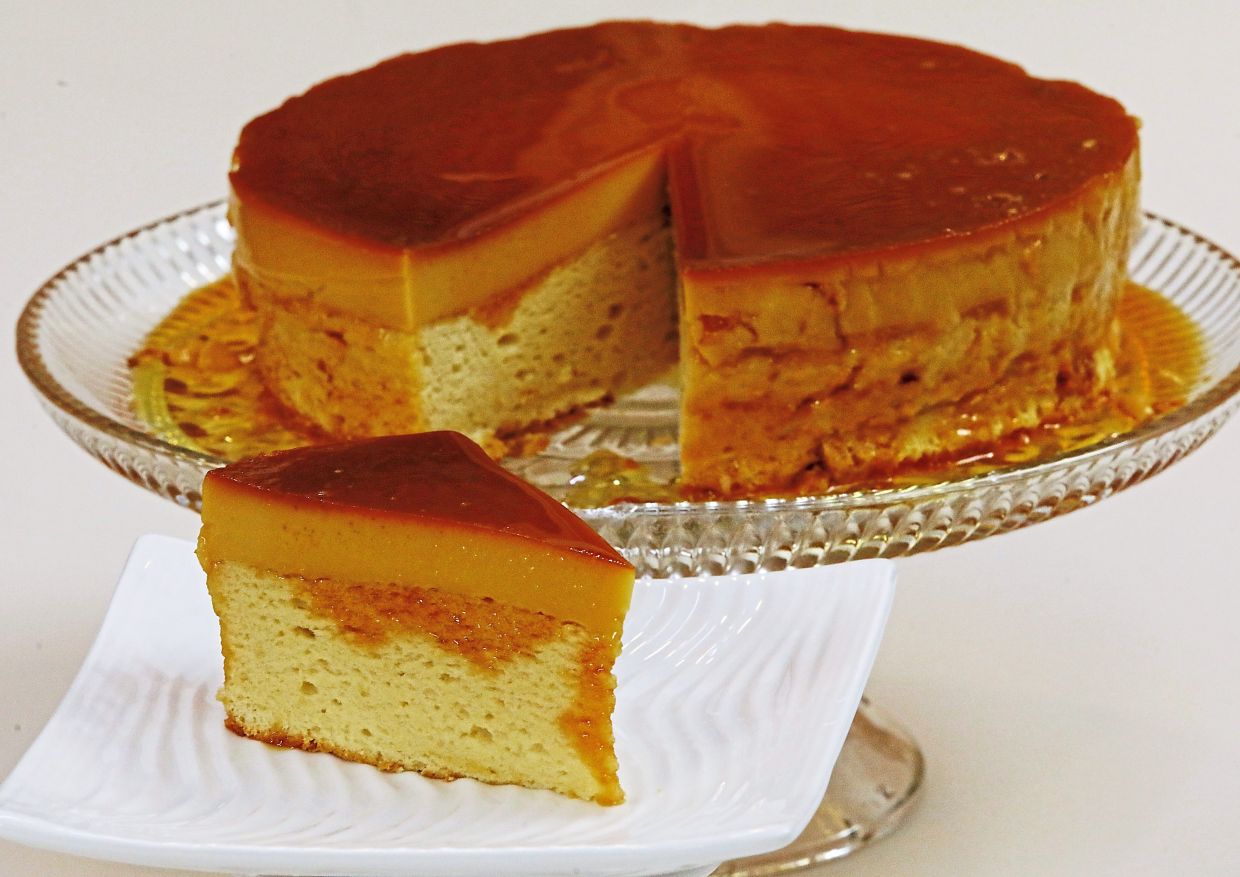
The Filipino custard cake follows a remarkably similar approach.
Instead of chocolate cake, a light chiffon sponge is floated above the custard to produce the same distinct layers once the cake is turned out.
These similarities are no coincidence.
Both Mexican Chocoflan and Filipino custard cake share the same basic structure: a caramelised egg custard fused to a soft sponge cake.
Their resemblance can be traced to centuries of shared history, global trade and colonial influence.
The most significant link was the Manila-Acapulco Galleon Trade, which operated between 1565 and 1815.
For 250 years, Spanish ships sailed regularly between Acapulco in Mexico and Manila in the Philippines, transporting not only goods but also people, ingredients and culinary traditions.
During much of this period, the Philippines was administered through the Spanish Viceroyalty of New Spain in Mexico rather than directly from Spain itself.
It is little wonder, then, that the cuisines of both countries developed striking parallels, often adapting the same Spanish culinary ideas to local tastes and ingredients.
The modern versions of both desserts were further shaped during the 20th century through American influence.
Fresh milk was increasingly replaced by canned evaporated and sweetened condensed milk, ingredients that became widely available throughout both regions.
The result was the rich, dense and velvety custard texture now associated with both cakes.
I may attempt a proper Chocoflan perhaps another day.
For this week, however, I am sharing the Filipino custard cake instead – hopefully making this a fitting tribute to the Philippines Independence Day, celebrated on June 12.
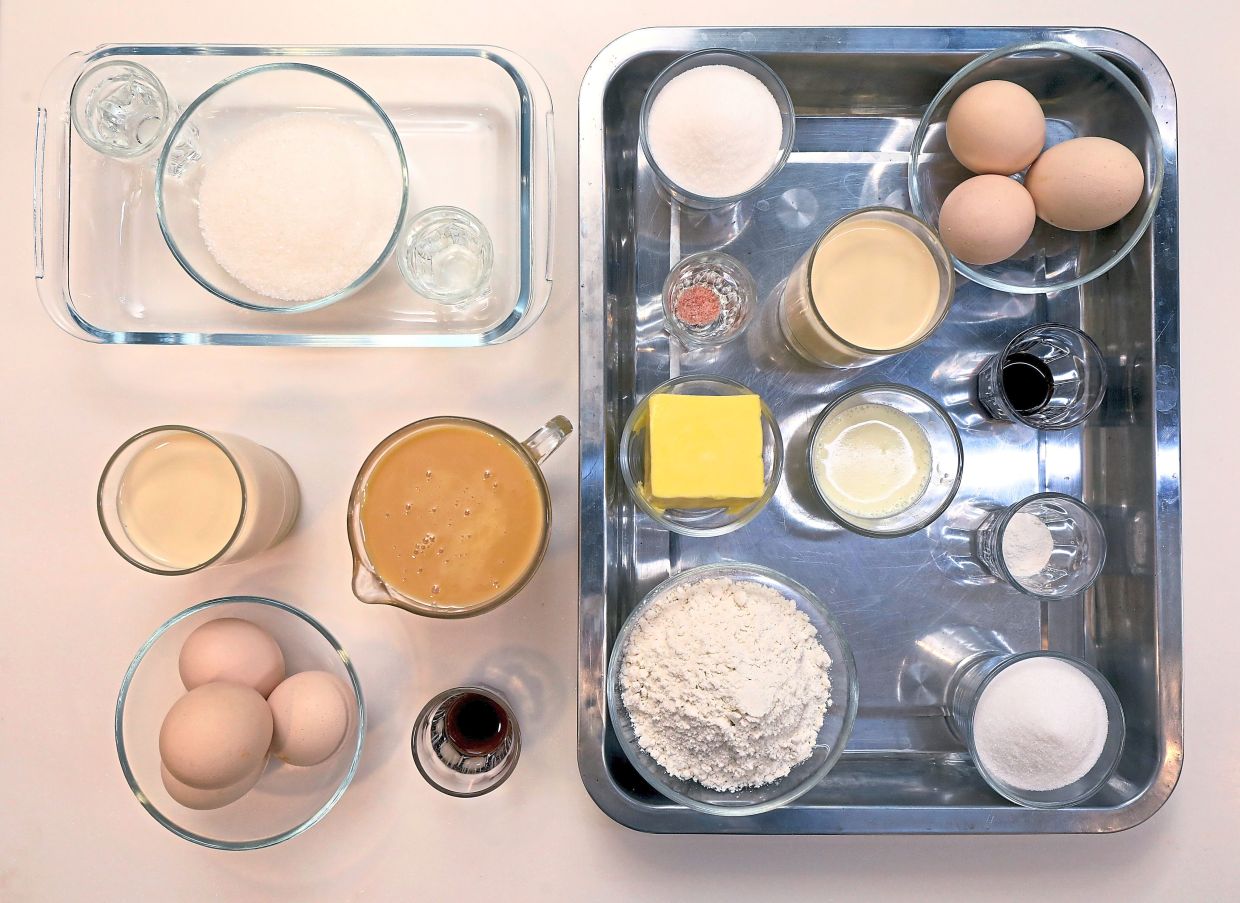
Filipino custard cake
Caramel layer
¾ cup granulated sugar
¼ cup water
Custard layer
3 egg yolks
1 whole egg
300ml condensed milk
195ml evaporated milk
1 tsp vanilla extract
Chiffon sponge
3 egg yolks
½ cup melted butter
½ cup granulated sugar
½ cup milk
195ml evaporated milk
1 tsp vanilla extract
1 cup all-purpose flour
1 tsp baking powder
¼ tsp salt
Meringue
6 egg whites
½ cup caster sugar
Directions
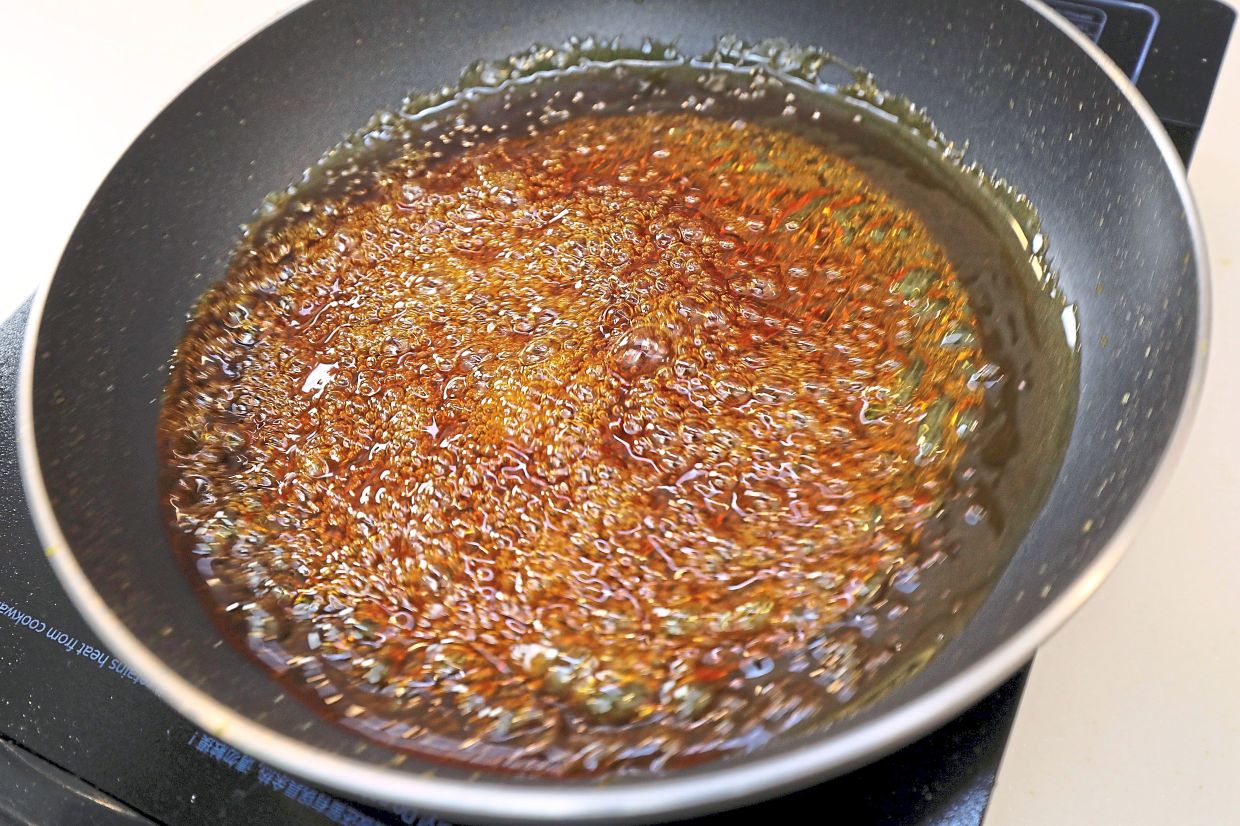
Heat the sugar and water until a dark golden caramel forms.
Pour into a 22cm baking pan, swirling to coat the base evenly.
Set aside to harden.
Whisk together all the custard ingredients until smooth. Pour over the hardened caramel.
In a medium bowl, whisk together the egg yolks, melted butter, sugar, milk, evaporated milk and vanilla extract.
Sift in the flour, baking powder and salt, then mix until no streaks remain.
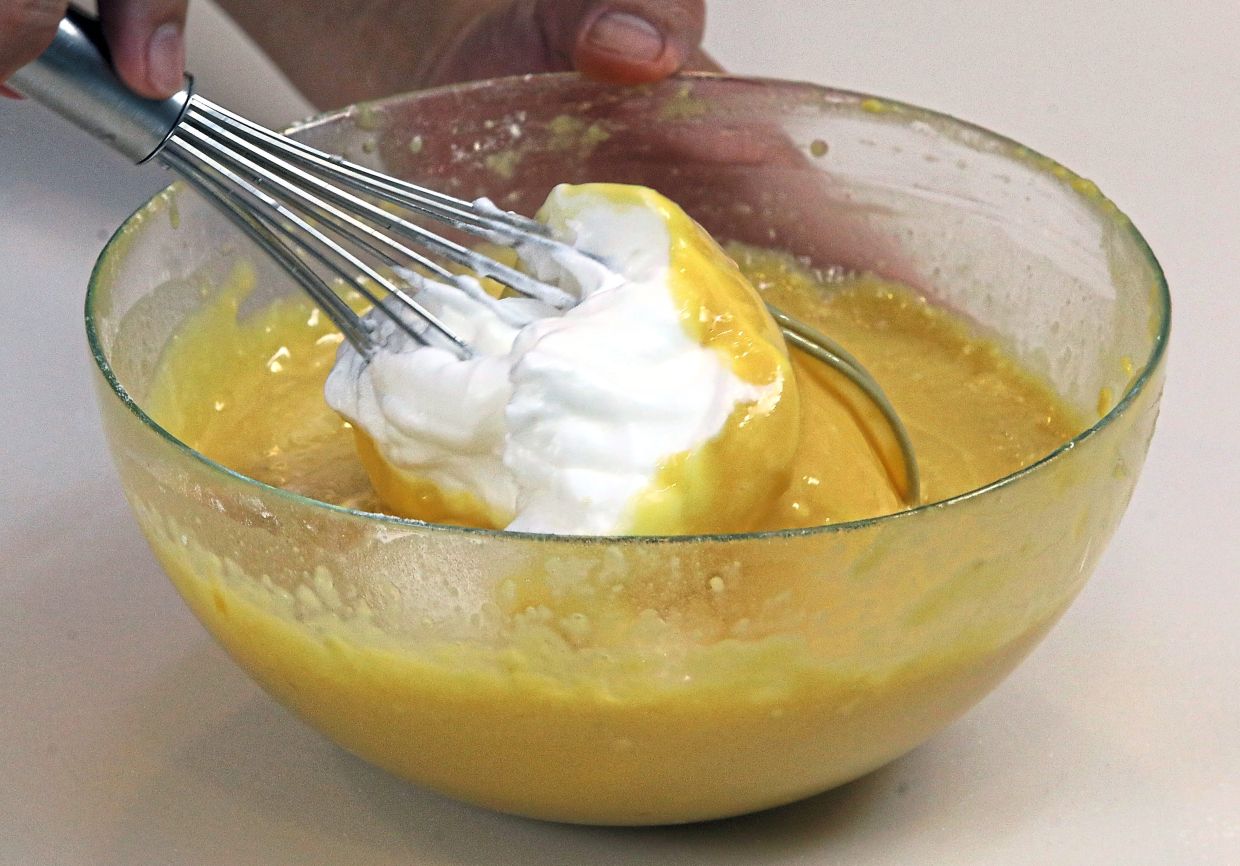
In a large bowl, whisk the egg whites and sugar to stiff peaks.
Fold one-third of the meringue into the batter to lighten it.
Pour the batter back into the remaining meringue and gently fold until fully incorporated.
Carefully spoon the chiffon batter over the custard layer, allowing it to float on top.
Place the cake pan in a larger roasting pan and fill with boiling water to create a water bath.
Bake in a preheated 160°C oven for 50 minutes to 1 hour, or until the cake is set.
Cool completely, about 1 hour. Run a knife around the edge of the pan.
Place a serving platter over the pan and carefully invert. Gently jiggle or tap the pan until the cake releases.
Scrape any remaining caramel sauce from the pan and drizzle it over the cake.
Slice and serve.



