
Traditional Peranakan pickle transforms fried fish into long-lasting delicacy
Fish is not something we usually think of as being pickled.
Yet the Peranakans ingeniously transformed an inexpensive and once-abundant catch into a kitchen staple that could be enjoyed long after it was caught.
Like many Peranakan dishes, acar hu reflects the trading history of the old port cities of Penang, Melaka and Singapore.
Vinegar, spices and sugar were prized commodities that flowed through the bustling maritime trading ports, while fish was plentiful in local waters.
Drawing on these ingredients, Peranakan cooks created acar hu, preserving the day’s catch while transforming it into a dish with an entirely new character.
The result is a pickle that balances Chinese techniques, Malay flavours and the cosmopolitan spirit of the Straits Settlements.
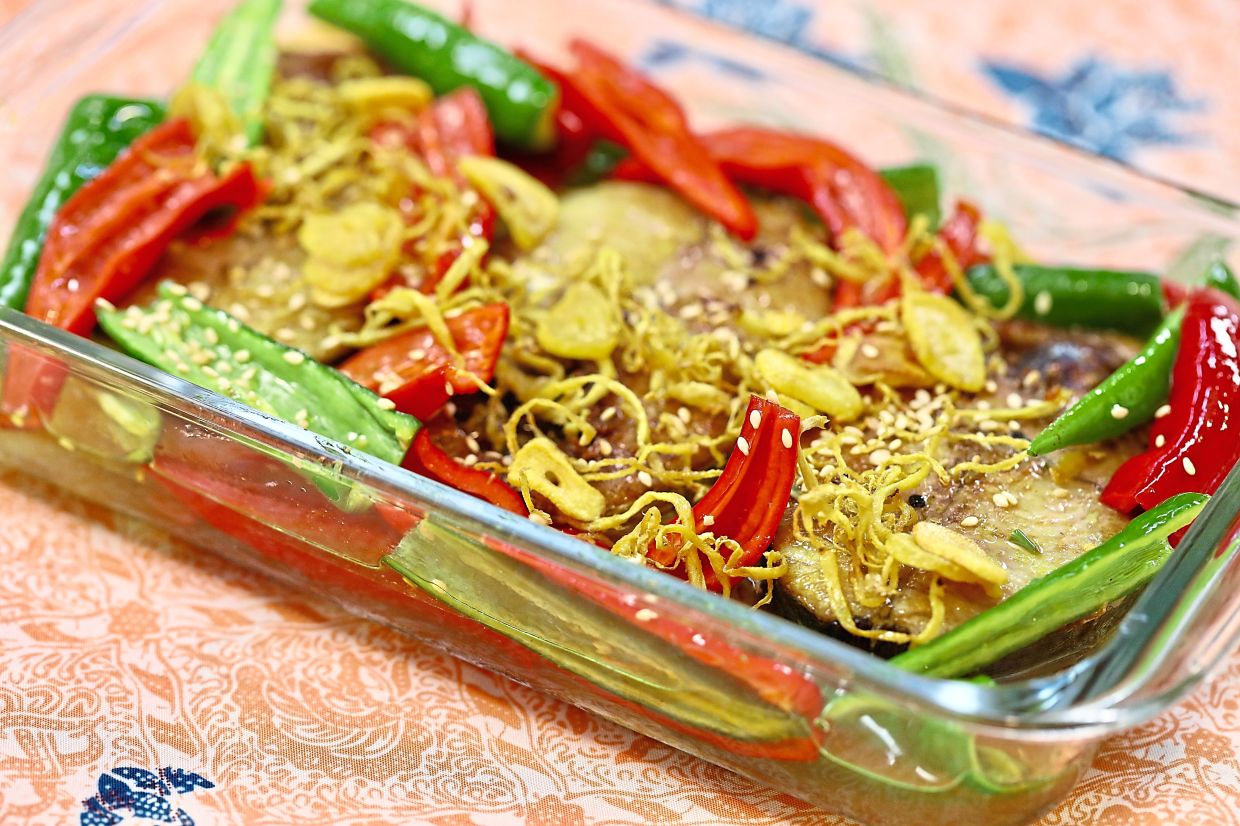
While I have never been particularly fond of vinegar, preferring to pickle with fresh citrus instead, the first time I tasted acar hu was a revelation.
It lacked the sharp, musty aroma I often associate with vinegar.
The dish was bright, fresh and refreshing.
It completely changed my perception of pickling liquid.
My first encounter with acar hu was with threadfin fingerlings, or baby ma yao, which had remained remarkably crisp despite being submerged in the pickling liquid.
Subsequent tastings introduced me to other variations made with Spanish mackerel (tenggiri), Indian mackerel (kembung) and bluespot mullet (belanak).
The latter produces especially crisp morsels, with the entire fish, bones and all, becoming deliciously edible.
For this recipe, I opted for tenggiri. It proved to be an excellent choice.
The fish was exceptionally fresh, resulting in fork-tender flesh that flaked apart beautifully beneath the crisp exterior.
Every time I encounter acar hu, I am reminded of that first threadfin fingerling that shattered my assumptions about pickles.
Even after years of tasting different versions, I still marvel at how a fish submerged in vinegar can emerge so fresh, vibrant and crisp.
Perhaps that is why acar hu has endured for generations.
What began as a practical way to preserve fish has evolved into a delicacy showcasing the Peranakan talent for turning everyday ingredients into something extraordinary.
Acar hu (pickled fish)
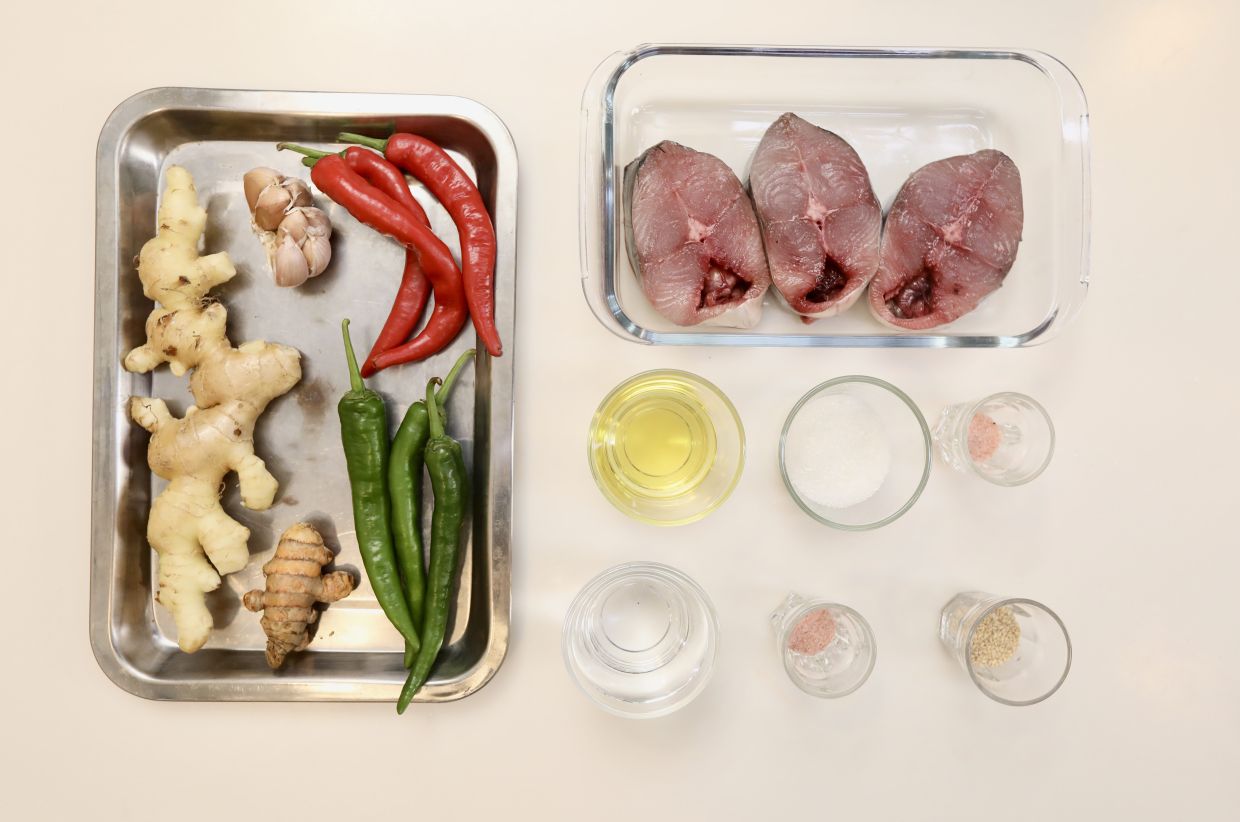
Ingredients
½ cup cooking oil
30g fresh turmeric, thinly sliced
100g garlic, thinly sliced
100g young ginger, finely julienned
3 red chillies, seeded and quartered
3 green chillies, seeded and quartered
5 tbsp granulated sugar
1 tsp salt, or to taste
½ cup white vinegar
Marinade
400g mackerel steaks or threadfin fingerlings
1 tsp salt, or to taste
Garnish
Fried garlic chips
Fried ginger floss
1 tbsp toasted sesame seeds
Direction
Clean and pat the fish dry, then season with salt and leave to marinate for 30 minutes.
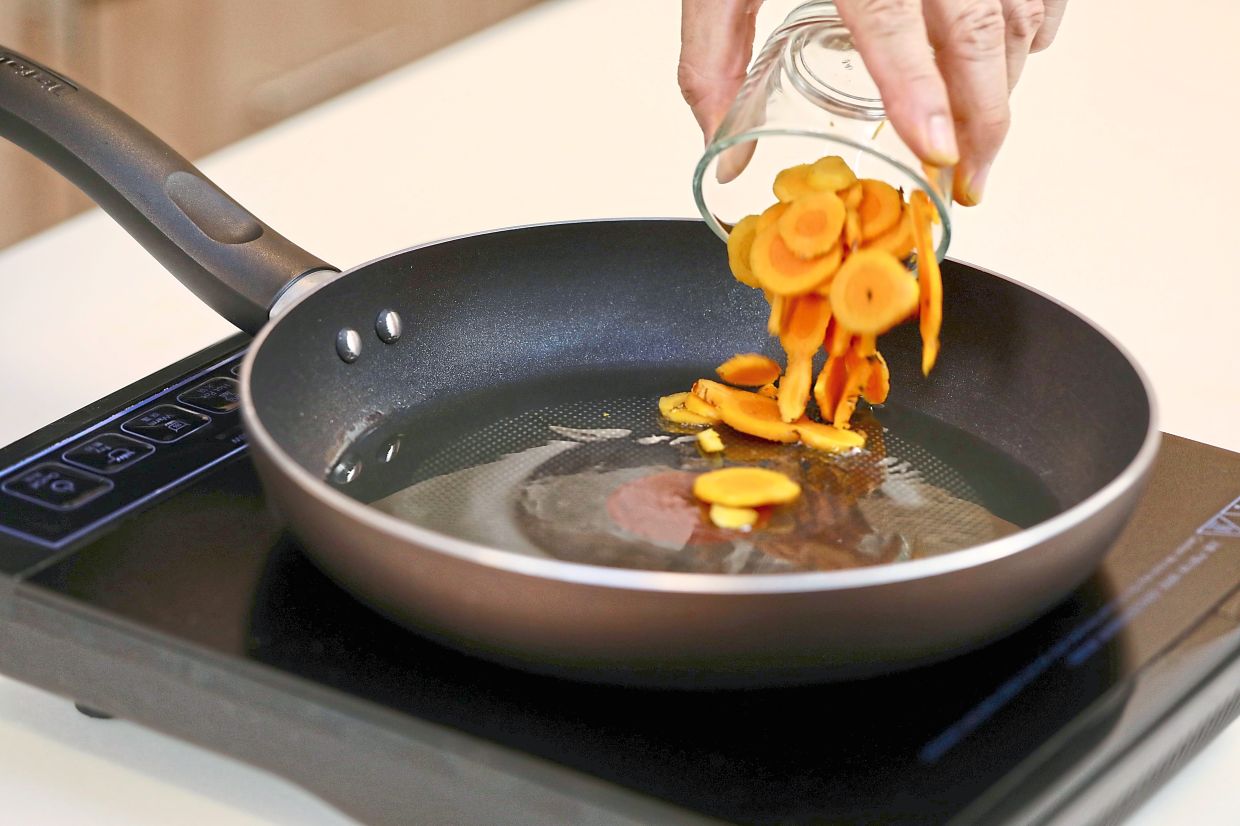
Heat the oil in a skillet over medium-high heat.
Fry the turmeric slices until the oil turns golden yellow, then discard the turmeric.
Using the turmeric-infused oil, fry the garlic until lightly golden. Remove and drain on paper towels until crisp.
Using the same oil, fry the julienned ginger until lightly golden. Remove and drain on paper towels until crisp.
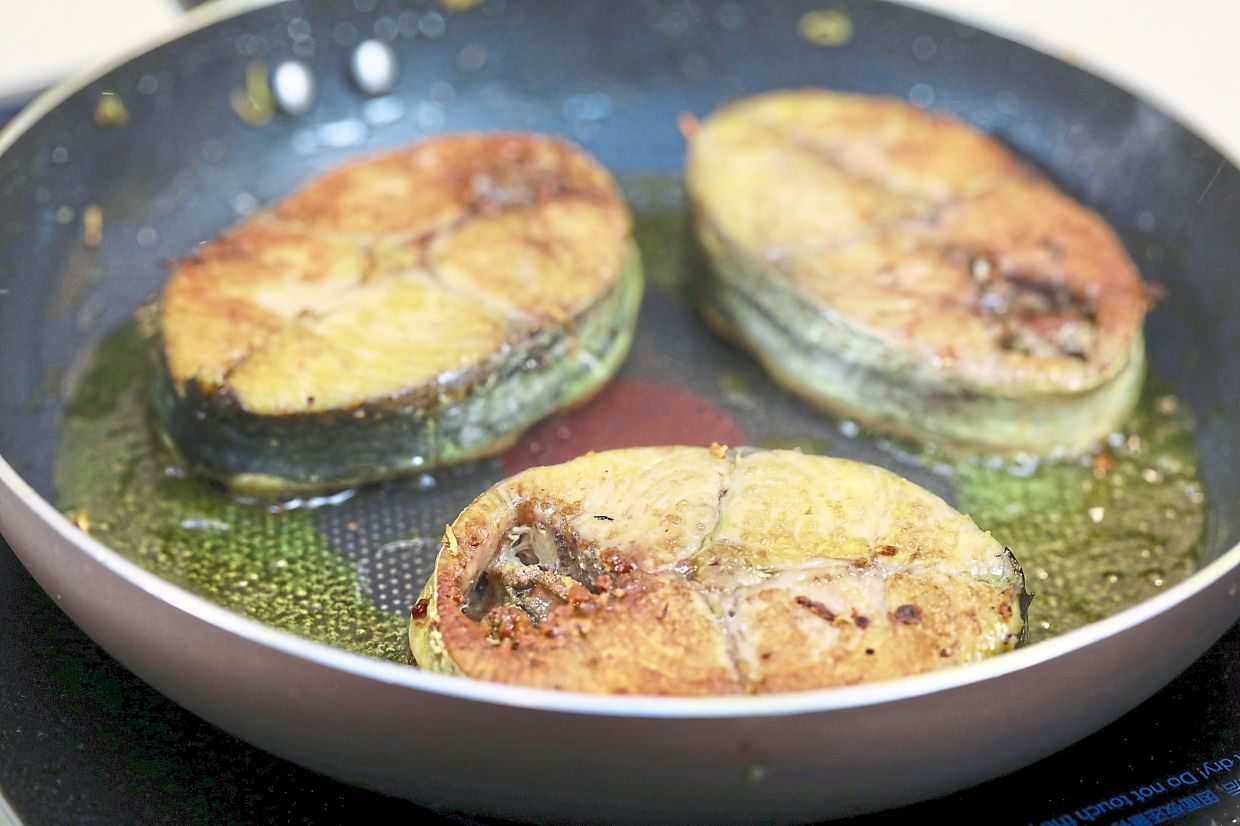
In the same, now flavoured oil, fry the fish until golden brown on both sides.
Drain on paper towels and set aside to cool.
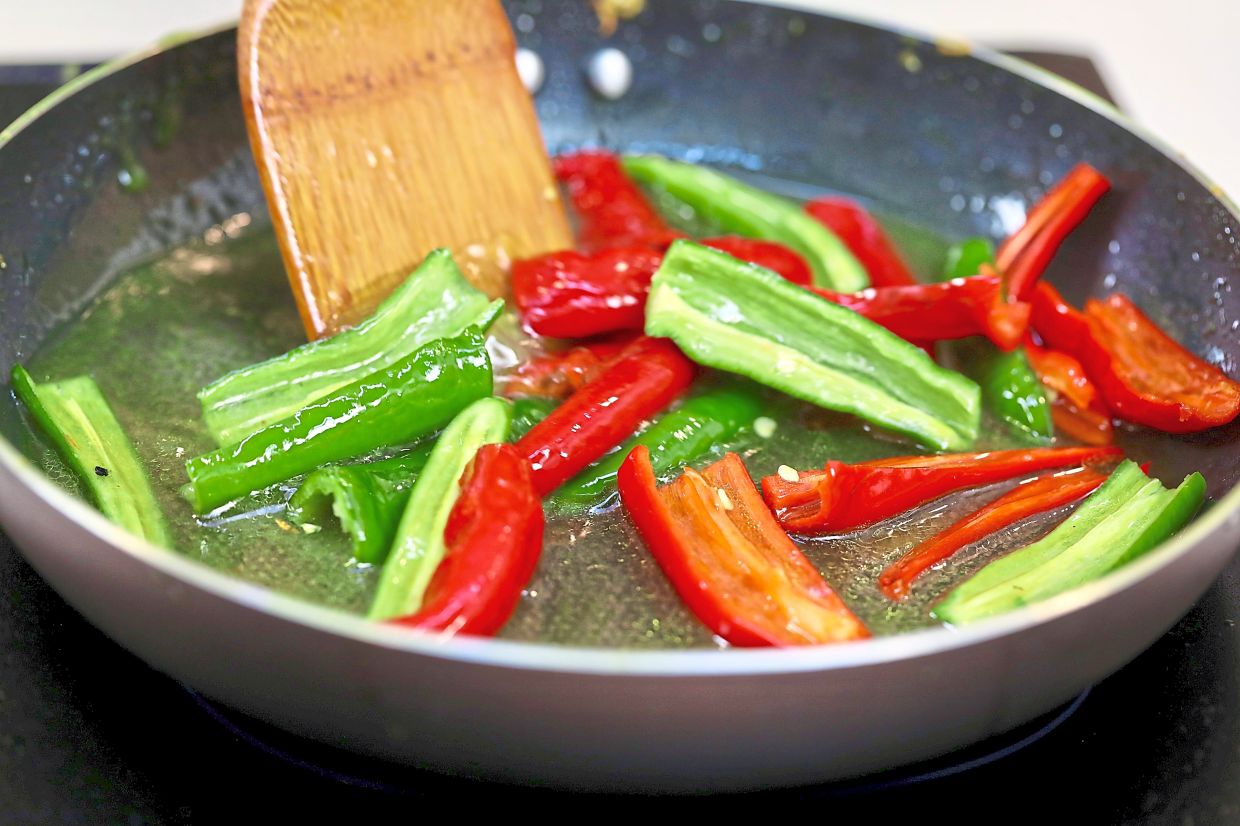
Allow the oil to cool slightly before adding the red and green chillies, vinegar, sugar and salt.
Stir until the sugar dissolves.
Pack the fried fish into a clean glass jar.
Pour the pickling liquid and chillies over the fish, ensuring it is fully submerged.
The pickle will keep for about a week at room temperature and even longer when refrigerated.
To serve, arrange the fish and chillies on a serving platter.
Garnish with fried garlic chips, ginger floss and a final sprinkling of toasted sesame seeds.