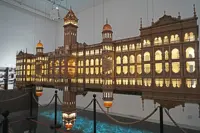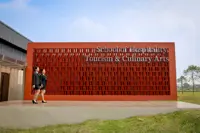
The Chan See Shu Yuen Ancestral Hall, The Godown KL, the courtyard of Bangunan Sultan Abdul Samad, Rumah Tangsi and Bamboo Playhouse, Perdana Botanical Gardens may not be typical theatre venues, yet they will be reimagined as main stages at the KL Festival, running from May 6-31.
These ad-hoc spaces, in a downtown Kuala Lumpur arguably not regarded as the centre of the performing arts, reflect the festival’s can-do spirit – bringing theatre, dance and immersive performances closer to the masses despite logistical constraints, including its confinement to a designated zonal area that leaves several arts spaces outside its programme footprint.
"The biggest challenge with non-conventional spaces for theatre and other performances is preparing the audience’s expectation. The space might be cramped, outdoor, warm or requires sitting on the floor, on the staircase, etc … so audiences will need to 'roll with it' a little," says June Tan, KL Festival director.
"Performers and designers will also need to take into consideration how sound travels, how to block, and what kind of lights or projections are effective. It will be a different type of experience, and once we accept that, we can try to find new context and perspectives from these different spatial and performative engagements," she adds.
A decentralised cultural landscape is not something any festival director can rectify overnight. But it does not deter the KL Festival mission, which serves as a platform for arts, culture and discovery, with festivalgoers spoilt for choice as they navigate its 26-day programme.
It also presents a chance to reboot the capital’s cultural pulse, with theatre programming - among the festival’s key highlights - playing a central role in reaching the public through its diverse artistic languages.
From works that reframe the legend of Hang Tuah through a more contemporary lens, to a disabled-led collective advocating for more inclusive modes of making theatre, the programme spans a wide array of practices
It also includes an all-female wayang kulit show staged under the night sky, a Lebanese puppet theatre performance and an Indonesian theatre piece told entirely without dialogue.
Whether you are new to the arts or a seasoned regular, the programme is designed to meet you where you are.
Here are some highlights, some ticketed and others open to free admission.
Living life, her way
The Chan See Shu Yuen Ancestral Hall, built in 1906 along Jalan Petaling, is a notable example of Chinese temple architecture in Malaysia, marked by its intricate detailing and cultural significance.
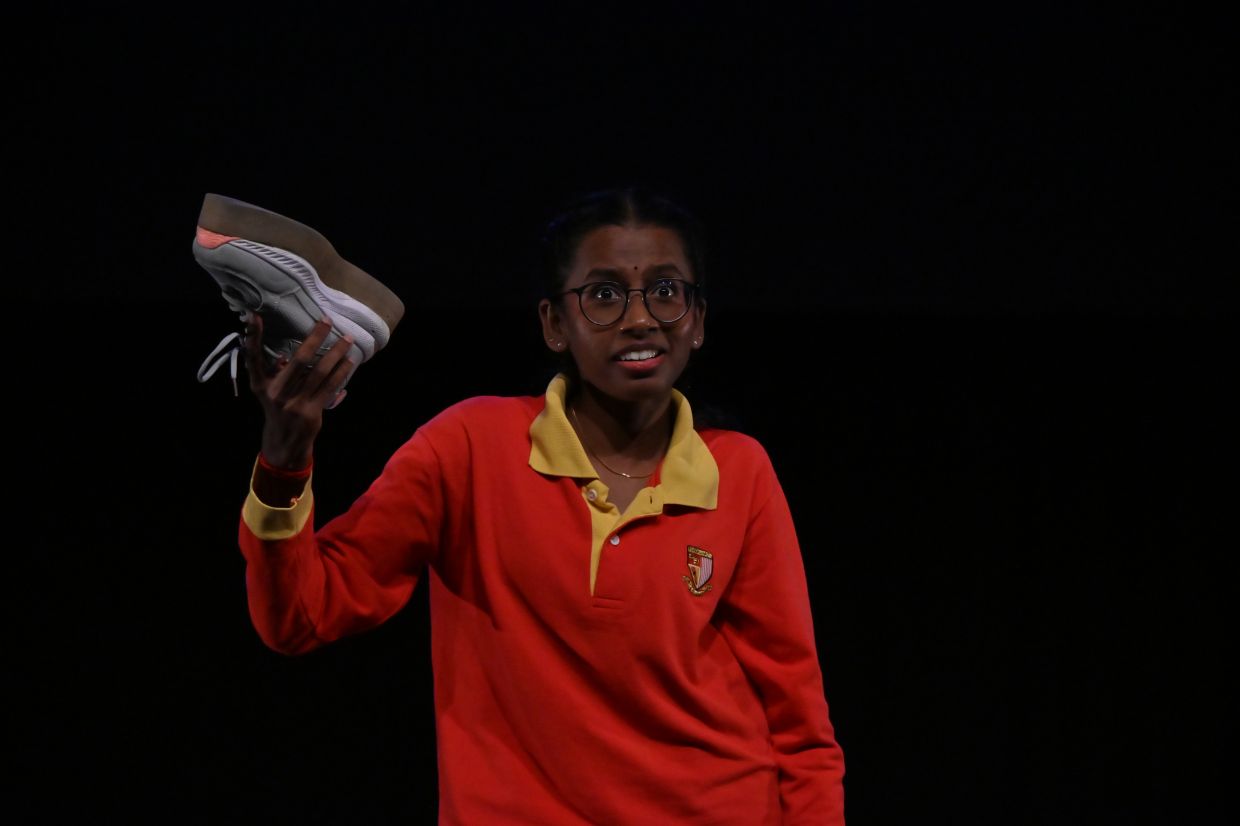
On May 16 and 17, it will also host one of KL Festival’s more intimate theatre offerings, I’m OKay, yoU? written and performed by Santhiagu Thiagu and directed by Putrina Rafie.
The disabled-friendly performance follows a young woman with a physical disability revisiting her schooldays, when she was routinely asked to sit out marathons “for her safety.”
Frustrated by pity disguised as care, she runs – reclaiming agency and belonging through humour, pain and quiet defiance. This monologue features a mixture of Tamil, Bahasa Malaysia and English.
Staged in an unconventional space, the work is set to gain an added sense of immediacy with its audience.
Share your dreams
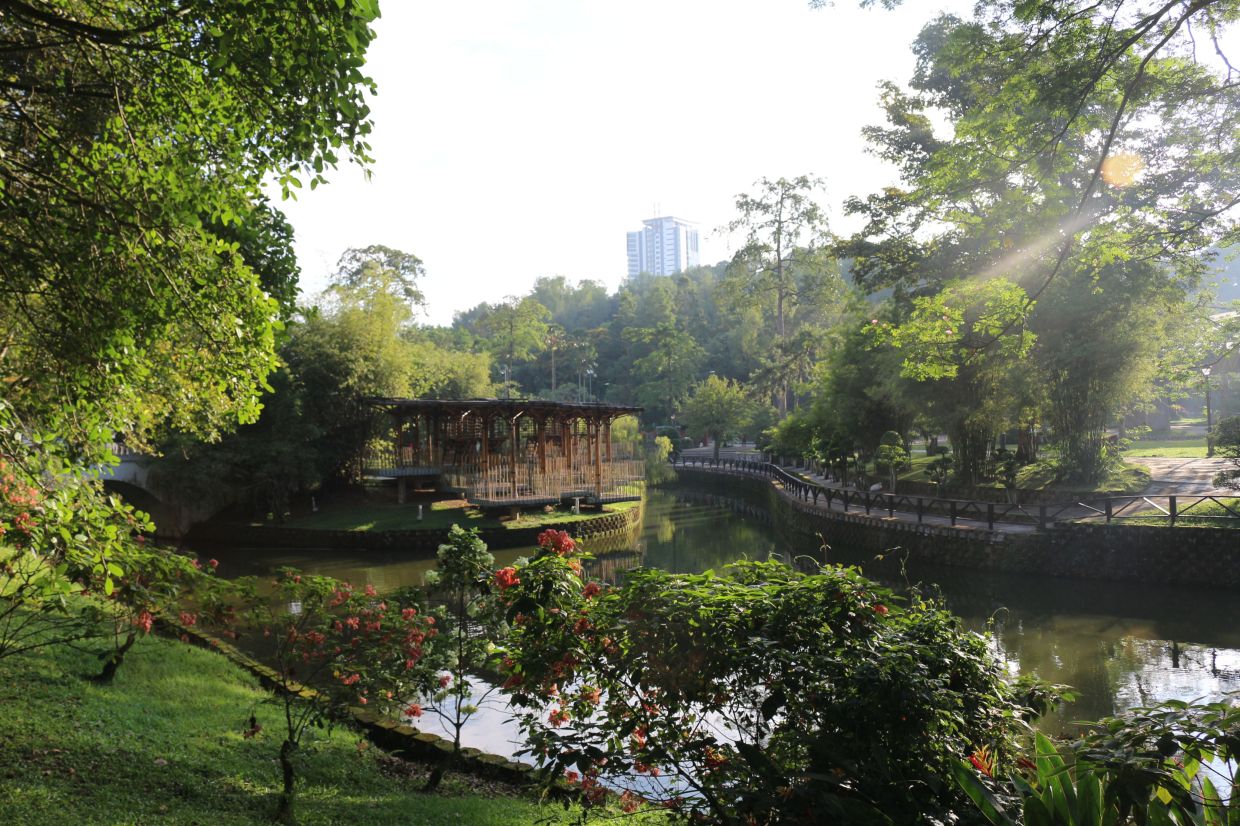
It might not be conventional theatre, but Ruang Antara Mimpi is a contemporary sound-and-video experience that immerses visitors in the shifting currents of art, perception, and memory.
Featuring some of Malaysia’s leading practitioners across theatre, experimental art, lighting and sound design, the free admission installation takes place at the Bamboo Playhouse, Perdana Botanical Gardens on May 16 and 17.
Set in a city shaped by movement, labour and urban pressure, the work suggests that dreaming extends beyond rest. It takes place across 24 rooms – echoing the 24 cranial nerves – each acting as a passage between inner experience and the outside world.
Every room holds a dream, drawn from everyday lives: neighbours, Grab drivers, temple caretakers, waitresses and migrant workers among them.
The final room invites visitors to contribute their own dreams, extending the work into a shared, evolving archive.
The wonder of shadows
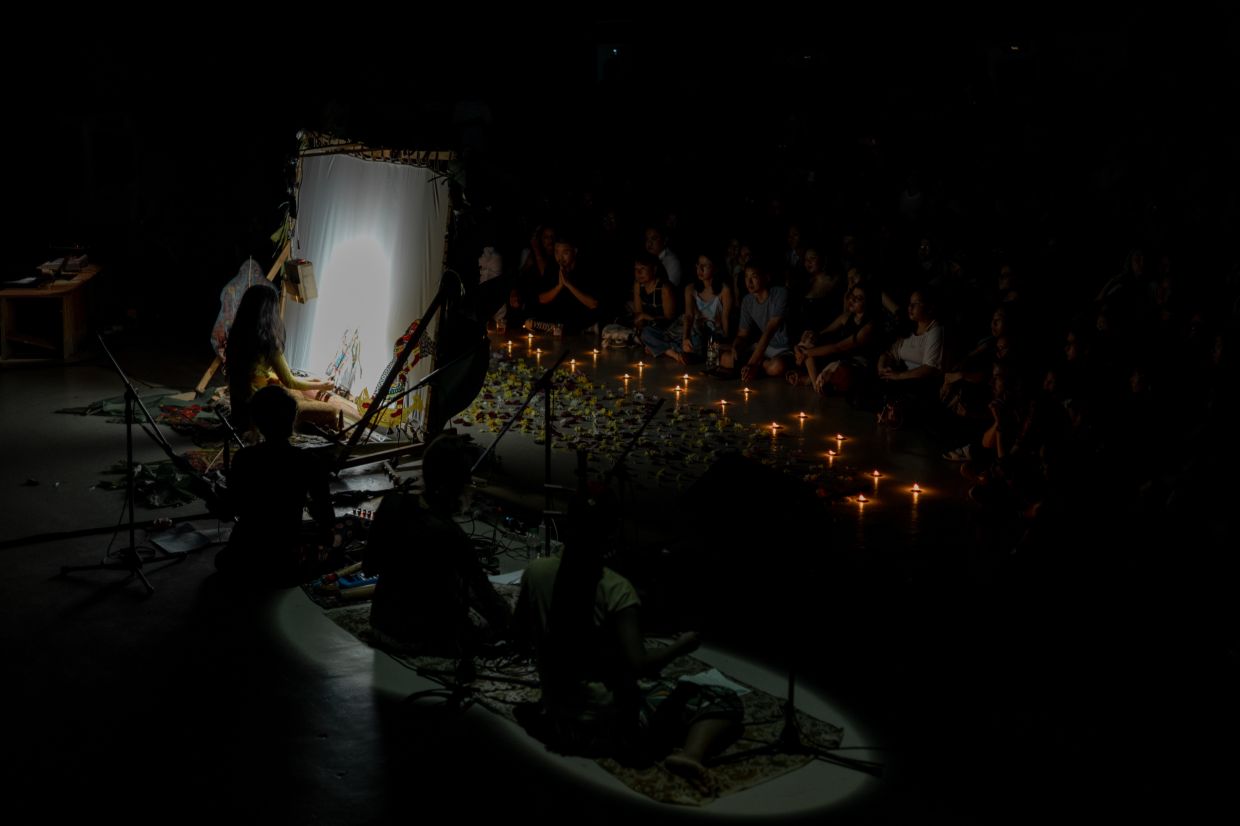
One of the festival’s most anticipated (free admission) presentations, Wayang Women: Live At Dataran is an outdoor performance at Dataran Merdeka on May 16.
Following a sold-out run in KL last year and a recent tour stop in Bali, the female collective of puppeteers and musicians brings shadow play into a new dimension, where wayang kulit meets contemporary electronic sound and light effects.
Back on home turf, Wayang Women, led by Malaysian founder Illya Sumanto and an international line-up, returns with its blend of humour, folklore, and shadow storytelling.
The show Wayang Women is set to revisit ghost tales from Malaysia and the region with a playful edge – featuring familiar spirits such as the pontianak and penanggal, alongside new spectral figures that echo present-day anxieties.
Just check the weather forecast and come prepared in case it pours.
When silence speaks loudest
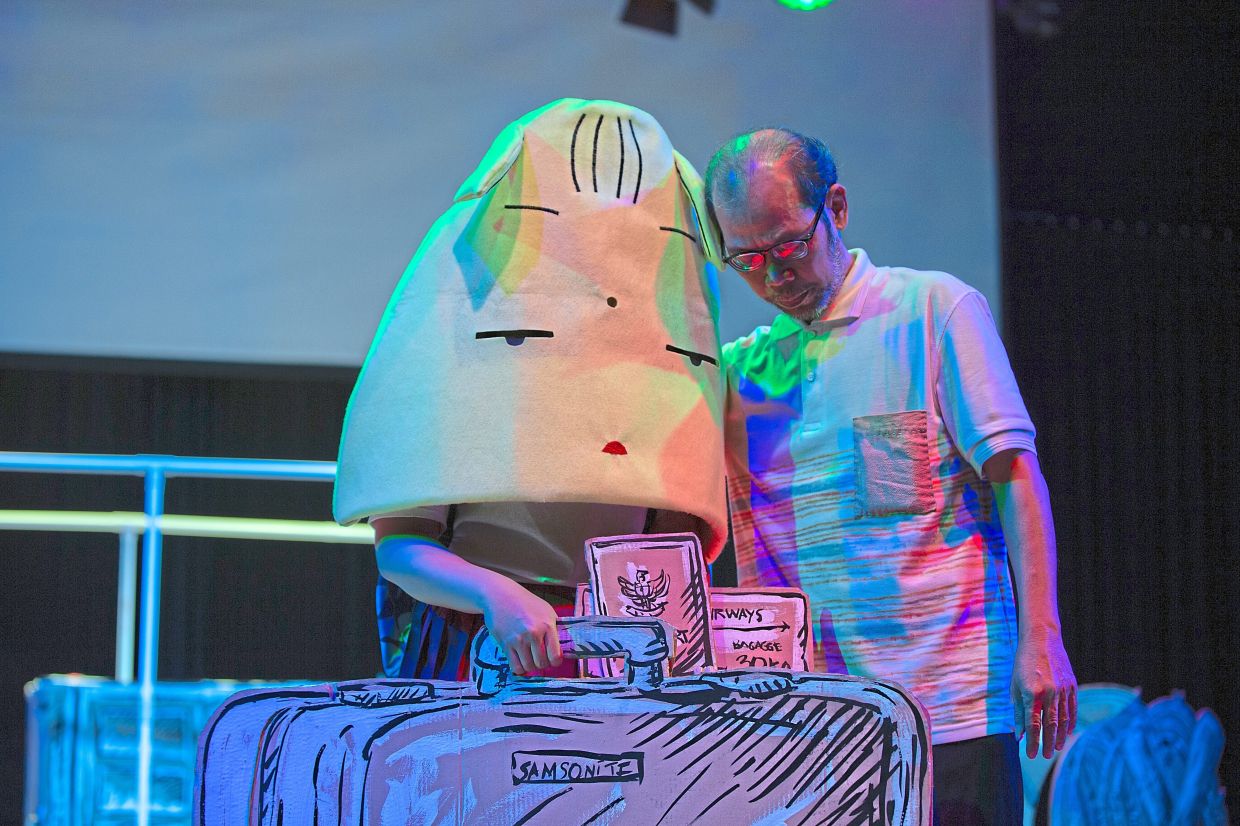
Indonesian multidisciplinary artist and playwright Agnes Christina brings a regional charge to the KL Festival with Lessons Of Silence, a wordless theatre work.
She presents her stories through a diversity of media including theatre, performance, painting, embroidery and fashion.Lessons Of Silence, which will be staged at Godown KL on May 22 and 23, follows a young girl moving through her day with ease and joy – attending school, heading to English class, and playing badminton with neighbourhood friends.
That calm is abruptly broken when her parents cut the game short. The atmosphere shifts into tension and urgency as she begins preparing to evacuate, while her father rushes to gather valuables and important documents. Radios and televisions erupt in a chaotic chorus of alarming updates.
In Kuala Lumpur, the performance features Budi S. Gemak and Sora Gia, tracing race, class and the fragile intimacies of parent-child dynamics.
Let the drums roll
Any festival finds its pulse when Orang Orang Drum Theatre takes the stage, and this time the ensemble brings that energy into the grand courtyard of Bangunan Sultan Abdul Samad.
On May 23, the group presents My Life Is A Symphony. I Thought I Was The Solo Conductor – a free admission, family-friendly performance that turns percussion into a shared, open-air celebration.
Anchored by the rhythmic force of the shigu drum, the performance expands outward into a layered soundscape of gamelan, demung, bonang, djembe, bongo, xylophone, and more.
In the courtyard setting, the show shifts from formal concert to communal gathering—where rhythm, play, and movement take over.
Between myth and memory
It may seem curious, but Five Arts Centre rarely features in festival programming in the Malaysian capital, despite being a regular on the international touring circuit.
For the KL Festival, its documentary theatre work Fragments Of Tuah returns and is set to change that. This layered re-reading of national icon Hang Tuah, which weaves together ancient hikayat texts and contemporary multimedia language, first enjoyed a 10-show run at KLPac last year to strong reception, with demand still lingering.
Fresh from its recent sweep (theatre category) at the Boh Cameronian Arts Awards – including Best Director (Mark Teh) and Best Original Script – the production plays at Sekolah Seni Malaysia on May 23 and 24 for its second KL staging.
Performed as a solo work by Faiq Syazwan Kuhiri, it threads archival manuscripts, school narratives, songs, state slogans and memory into a shifting collage of histories.
With multimedia design by Bryan Chang, music by OJ Law and Shariman Shuhaime, and stage management by Shazzy Zakri, this iteration refracts the legendary 15th-century figure through multiple, often contested, lenses.
Don't sleep on this show – tickets are moving fast.
Theatre belongs to all
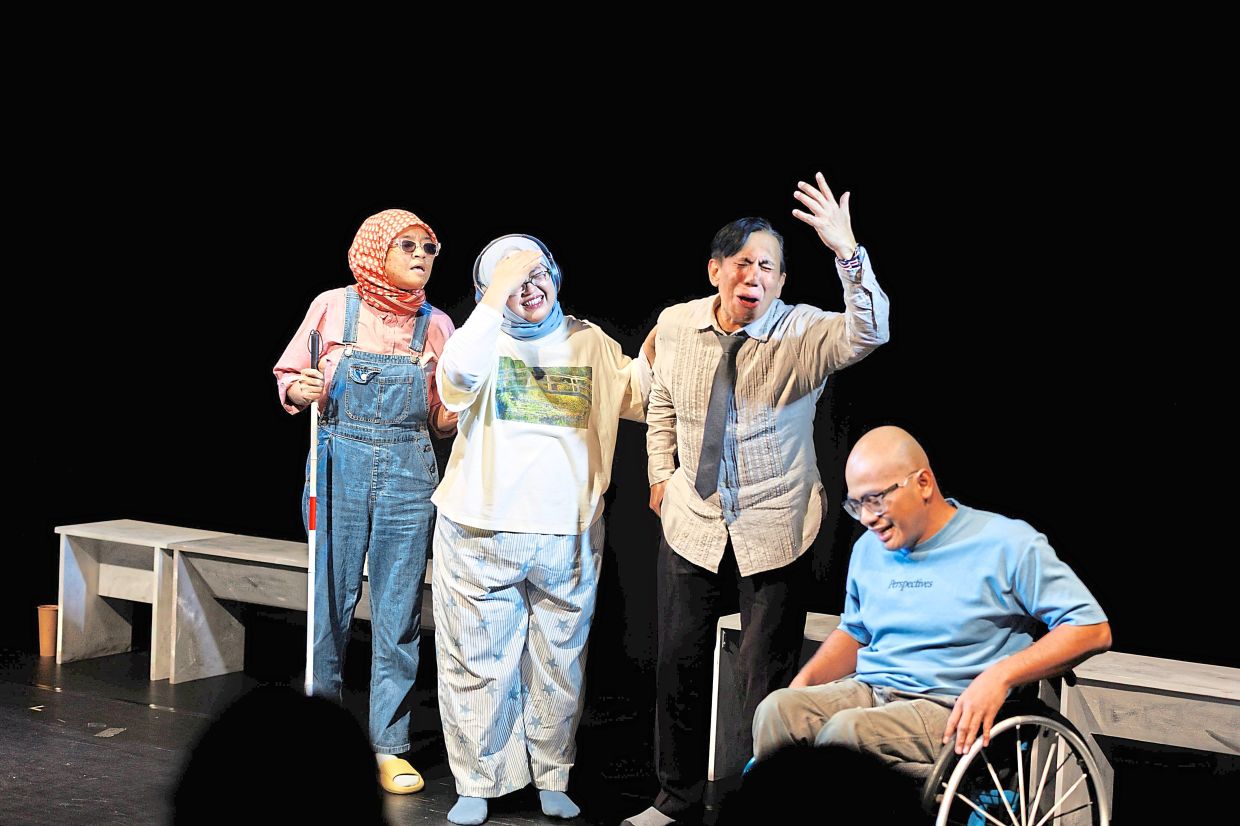
If you missed this disabled-led theatre work last year, Siapa Cacat? returns for the KL Festival at The Grey Box, GMBB on May 23 and 24.
Produced by Teater Untuk Semua, the piece unfolds at a bus stop where different figures arrive and depart, waiting for the long-promised accessible Bus 801.
Through a series of monologues, the performers reflect on everyday ableism in Kuala Lumpur, bringing forward lived experiences from deaf, disabled and neurodivergent creators.
Siapa Cacat? is co-directed by Ho Lee Ching and Jazzie Lee Jin Jye, featuring seven Disabled performers: Ameera Ramlee, Dino N. Hassan, Fndrocka Notapurba, Gejaletchumi Murugaya, Lavinia A, Nuna Wan and Nur Aisyah Shahimee, and interpreter Aw Wei Chun.
The production is supported by Bahasa Isyarat Malaysia (BIM, Malaysian Sign Language) interpretation and Audio Description, delivered in a mix of Bahasa Malaysia and English to broaden accessibility.
What began as a research and documentation project exploring accessible approaches to theatre training has since evolved into a growing collective of disabled creators actively shaping Malaysia’s cultural landscape.
Clay puppets rise
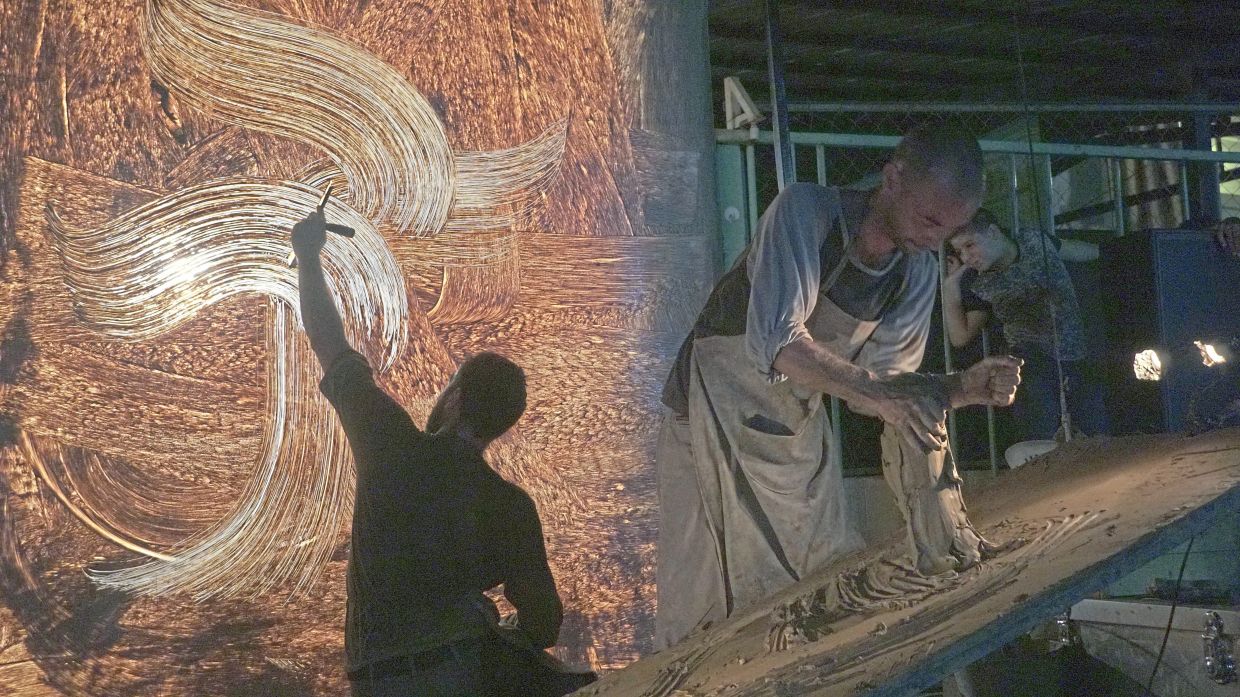
Origin Of A Tale, presented by Lebanese collective Collectif Kaharaba, brings a sense of wonder, resilience and hope to Rumah Tangsi - a historic mansion - on May 30 and 31. It offers Malaysian audiences a rare encounter with contemporary performing arts from the Middle East.
True to Collectif Kaharaba’s multidisciplinary roots and collaborative network, the puppet theatre work is poised to inspire.
Blending live sculpture, drawing, dance and sound, Origin Of A Tale follows performer-sculptors as they mould clay into shifting forms – donkey, turtle, cow, frog and human – evoking a world imagined before borders, rules and fixed meanings.
Created and performed by Aurelien Zouki and Eric Deniaud, the family-friendly piece emerges as a tactile, poetic journey through time and space, tracing the layered strata of language itself.