For arts and culture enthusiasts in Kuala Lumpur, it may be time to refresh the city’s directory of must-visit museums and galleries.
It has been several years since the capital last saw a significant wave of institutional openings - most notably the contemporary art centre Ilham Gallery in 2015, followed - on a smaller but no less significant scale - by art collector-led spaces such as Ur-Mu (2022), Toffee (2023) and +N (2025).
Last December, the heritage building Seri Negara opened to the public, reimagining both the museum experience and the nation’s history for today's audience.
In February, the multi-million ringgit restoration of Bangunan Sultan Abdul Samad also unveiled a cluster of gallery spaces that trace the story of Kuala Lumpur.
Each museum and gallery space has developed programmes and exhibitions to strengthen visitor engagement. As a benchmark, the National Art Gallery, with endorsement from the Ministry of Tourism, Arts and Culture Malaysia, reported more than one million visitors last year, supported by 111 exhibitions, workshops and other gallery programmes.
Together, these developments signal a new phase of expansion, set to broaden the Malaysian capital’s cultural footprint.
In the months ahead, it will be worth observing how these new museum spaces - two in contemporary developments and one in a repurposed early 20th century shophouse site - respond to a rapidly evolving arts landscape shaped by globalisation and technology, forces that increasingly demand flexibility and support for cross-disciplinary and cross-media practices.
Here is what to look forward to in Kuala Lumpur next.
A space by the river
In the historic Medan Pasar district of Kuala Lumpur, Muara Arts – a public gallery project by Creador Foundation dedicated to modern and contemporary art in South-East Asia – is set to open this September.
The building - three pre-war shoplots - remains shrouded in scaffolding and hoarding boards, though teaser signage is already in place.
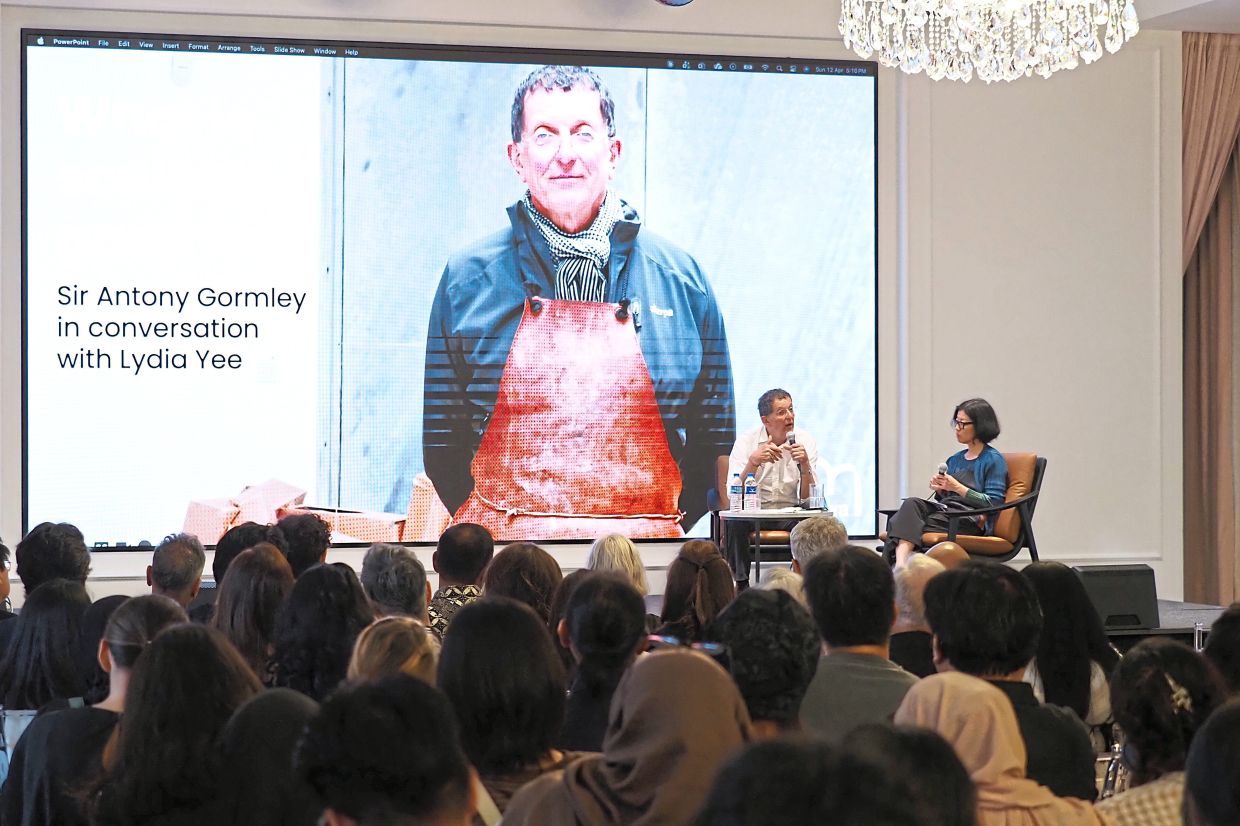
Muara Arts' first public engagement took the form of an art discussion between Sir Antony Gormley, the acclaimed British artist, and Lydia Yee, director of Muara Arts, in KL on April 12.
Yee, an independent curator, art historian and museum consultant, has previously held curatorial positions in London and New York, including chief curator at Whitechapel Gallery, curator at Barbican Art Gallery and senior curator at The Bronx Museum of the Arts.
In January, she shared updates on the restoration and reconstruction of the shoplots during a SEA Focus art talk in Singapore. The Muara Arts gallery will span three levels, with the ground floor serving a mixed-use function that includes a bookshop and café, while the upper floors are designated as exhibition spaces.
Natural light has also been prioritised throughout, alongside the introduction of lifts to enhance accessibility and mobility.
Spanning approximately 1,860sq m, Muara Arts is set to reintroduce a strong arts presence to this part of Kuala Lumpur, which once housed Galeri PETRONAS at the nearby Dayabumi Complex in the early 1990s and The Actors Studio@Plaza Putra at Dataran Merdeka in the late 1990s.
The word Muara is Bahasa Malaysia for "estuary" or "river mouth" - embodying the gallery's vision to be a confluence where South-East Asian art, culture and ideas come together.
Textile's past, present and future
As traditional attire such as batik and kebaya continues to thrive in everyday wear, the Merdeka Textile Museum arrives as a timely addition, extending the appreciation of its cultural journey.
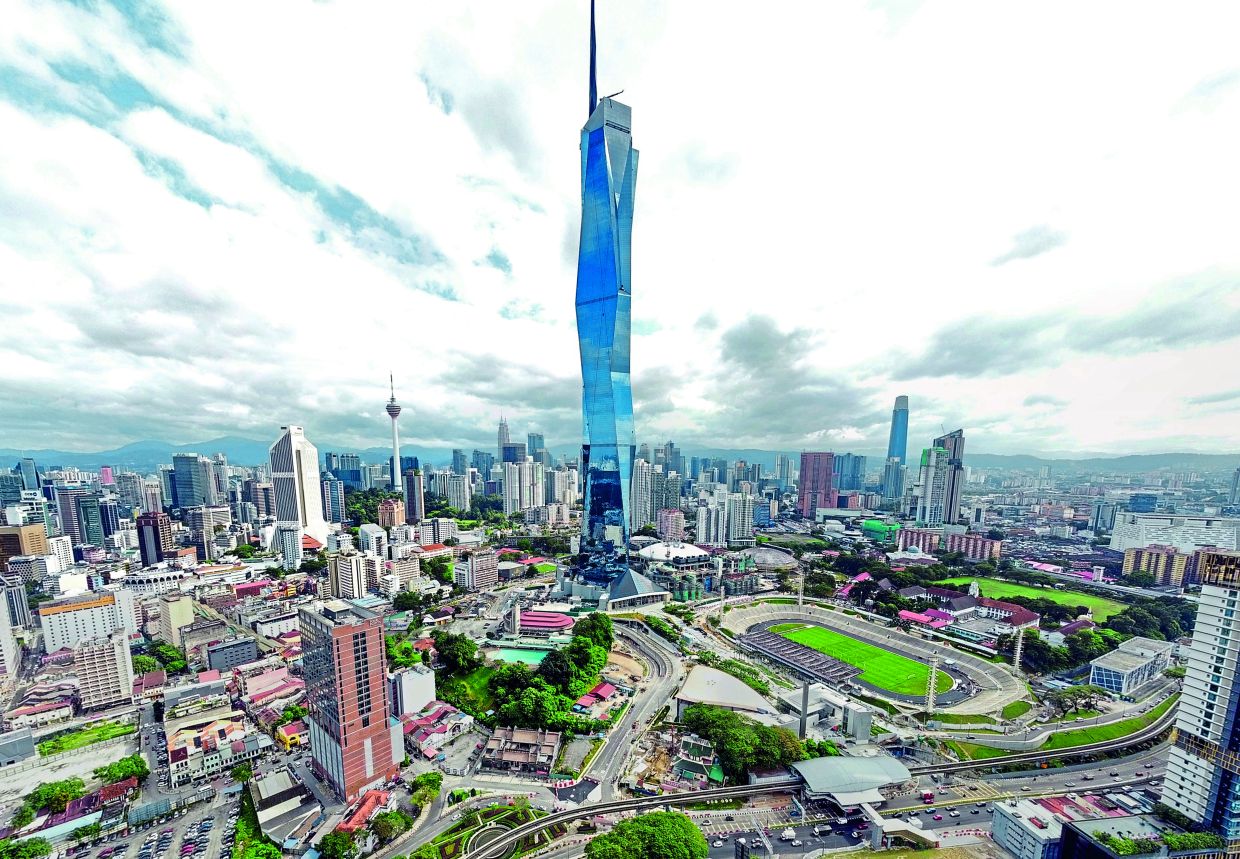
Located within the Merdeka 118 building, the museum, helmed by project manager Suryani Senja Alias, is set to open in late August and is billed as Asia’s first state-of-the-art textile museum, adopting an immersive curatorial approach.
“It will be the first textile museum that also tells the story of Malay world textiles through Malay classical literature,” says Suryani, who will take on the role of museum director upon the Merdeka Textile Museum’s launch.
The museum will house 400 textiles and costumes, alongside nearly 170 pieces of jewellery. Many were once owned by the late Sharifah Azah Syed Mohammad Alsagoff (1928–2012), or Azah Aziz, a cultural activist and journalist who helped revitalise weaving, songket and limar-making, embroidery and telepuk (gilded patterned textiles), while advocating for their place in Malaysia’s cultural identity. She also championed the art of pantun (a form of Malay poetry) and folk storytelling traditions.
With the growing interest in textiles and fabric within the art and cultural sphere, the museum’s mission to document and present Azah’s treasure trove reflects a commitment to preserve and highlight material heritage within contemporary discourse.
Beyond the collection, Azah also meticulously documented the aesthetic, historical and social dimensions of Malay textiles and clothing traditions, creating an invaluable reference for designers, craft communities, curators, historians, educators and textile enthusiasts. Her immense legacy is set to shape the Merdeka Textile Museum's direction.
Wave of the future
If there is one gallery with a deep emotional resonance among local audiences, it is Galeri PETRONAS. Established in 1992 at the Dayabumi Complex, it first opened its doors to the public there before relocating to Suria KLCC in 1998, where it spent more than two decades presenting contemporary art exhibitions.
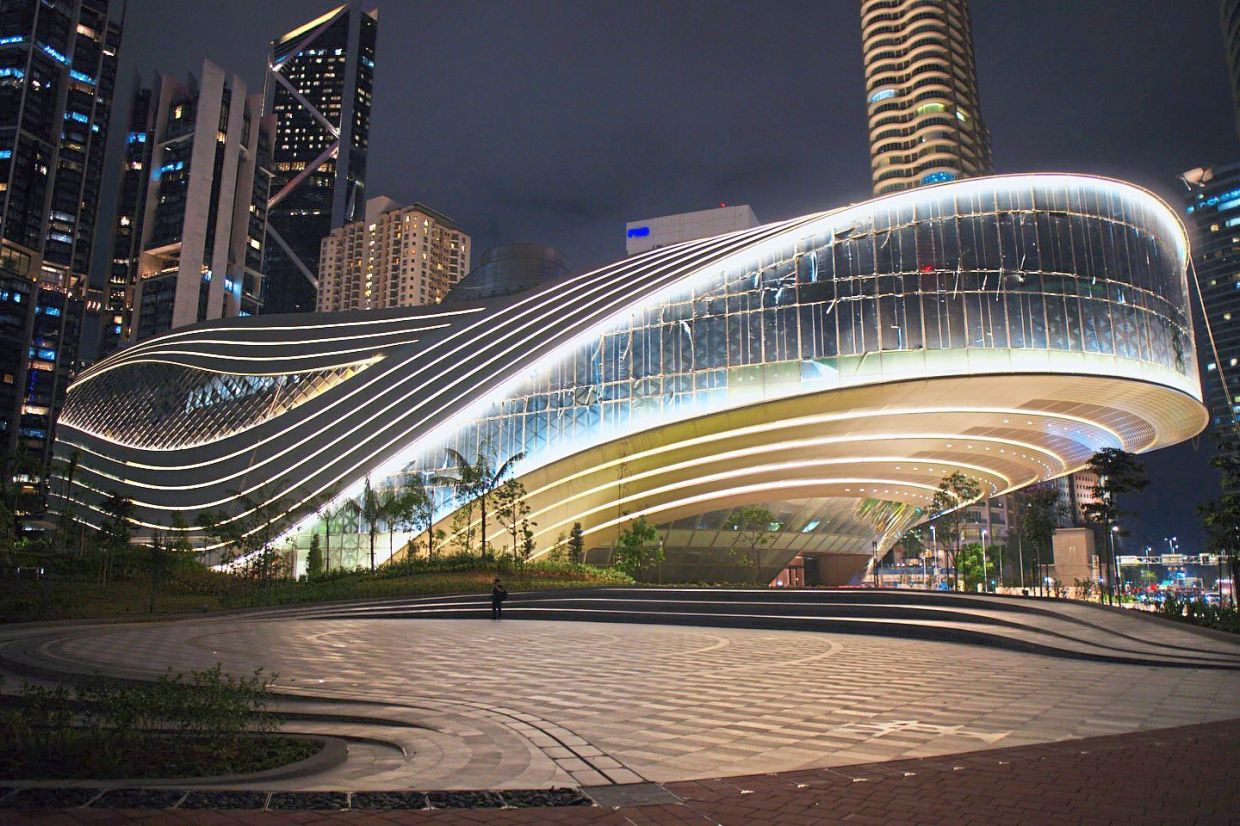
After a temporary pause in 2021 due to the pandemic, the gallery reopened in 2025 with programmes highlighting both emerging voices and cross-sensory explorations. As it teases its upcoming June programme, it also signals a forthcoming move to its new home, Ombak KLCC.
Inspired by waves and the interweaving of Malaysian craft traditions, the architecture of the new Ombak KLCC retail and lifestyle space is designed to support diverse artistic and cultural programming across an estimated 18,600 sq m over multiple floors. While the exact size of the new Galeri PETRONAS has yet to be disclosed, the building’s official information indicates substantial space allocated to the arts.
In a recent official gallery video, Kerina Fauzi, head of Galeri PETRONAS, reflects on its inclusive ethos.
“This space belongs to every Malaysian, catering to all ages and generations. For over three decades PETRONAS has been committed to nurturing a thriving artistic ecosystem. Our story is not just about preserving our heritage, it's about empowering nation-building and fostering unity as a forward-looking voice in the art industry,” says Kerina.
Industry sources indicate that Galeri PETRONAS is expected to undergo a soft launch in the second half of the year, marking its initial opening phase ahead of full public programming next year.
With its long history and substantial national collection, the gallery is poised to reintroduce itself to a broader public. In doing so, it bridges longstanding audiences with a new generation, renewing access to an artistic repository that has shaped Malaysia’s modern and contemporary art narrative over decades.