Proverbs and idioms have long served as quiet vessels of inherited wisdom, carrying the insights and experiences of earlier generations across time.
For ceramic artist James Seet, they became the inspiration for his latest series of works, the Berbahasa series, which makes its debut at the inaugural Access KL Art Fair at Kloe Hotel in Kuala Lumpur on April 18 and 19.
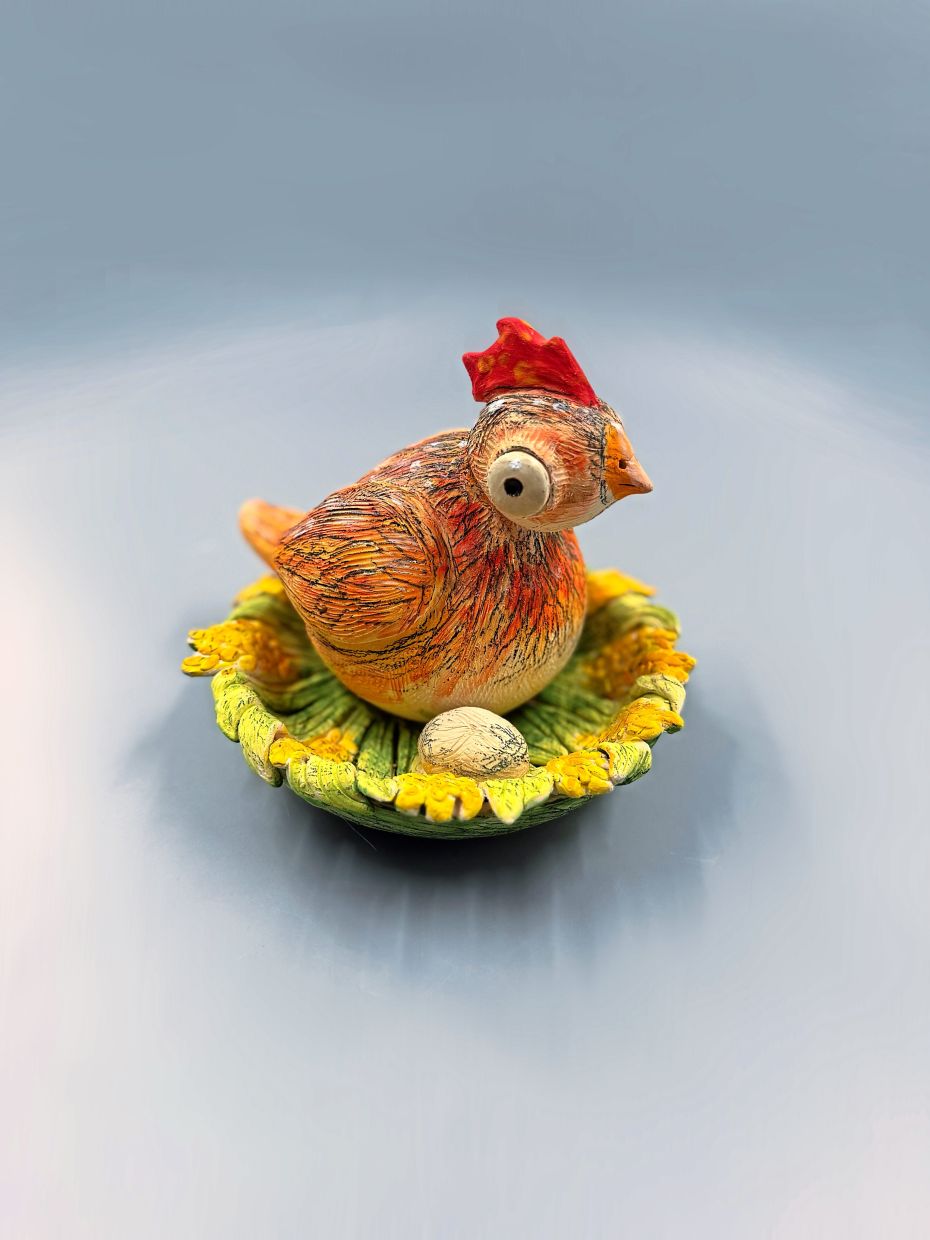
Featuring five clay pieces, Seet returned to old school books, drawing from well-known Malay peribahasa (proverbs) and preserving them in literal form - such as “ada udang di sebalik batu” and “bagai anjing dengan kucing”.
“The idea came from my interest in how meaning is carried through everyday language. Peribahasa is something all Malaysians grow up with, but over time it becomes distant – something we associate more with school than with lived experience,” says Seet, 56, in a recent interview.
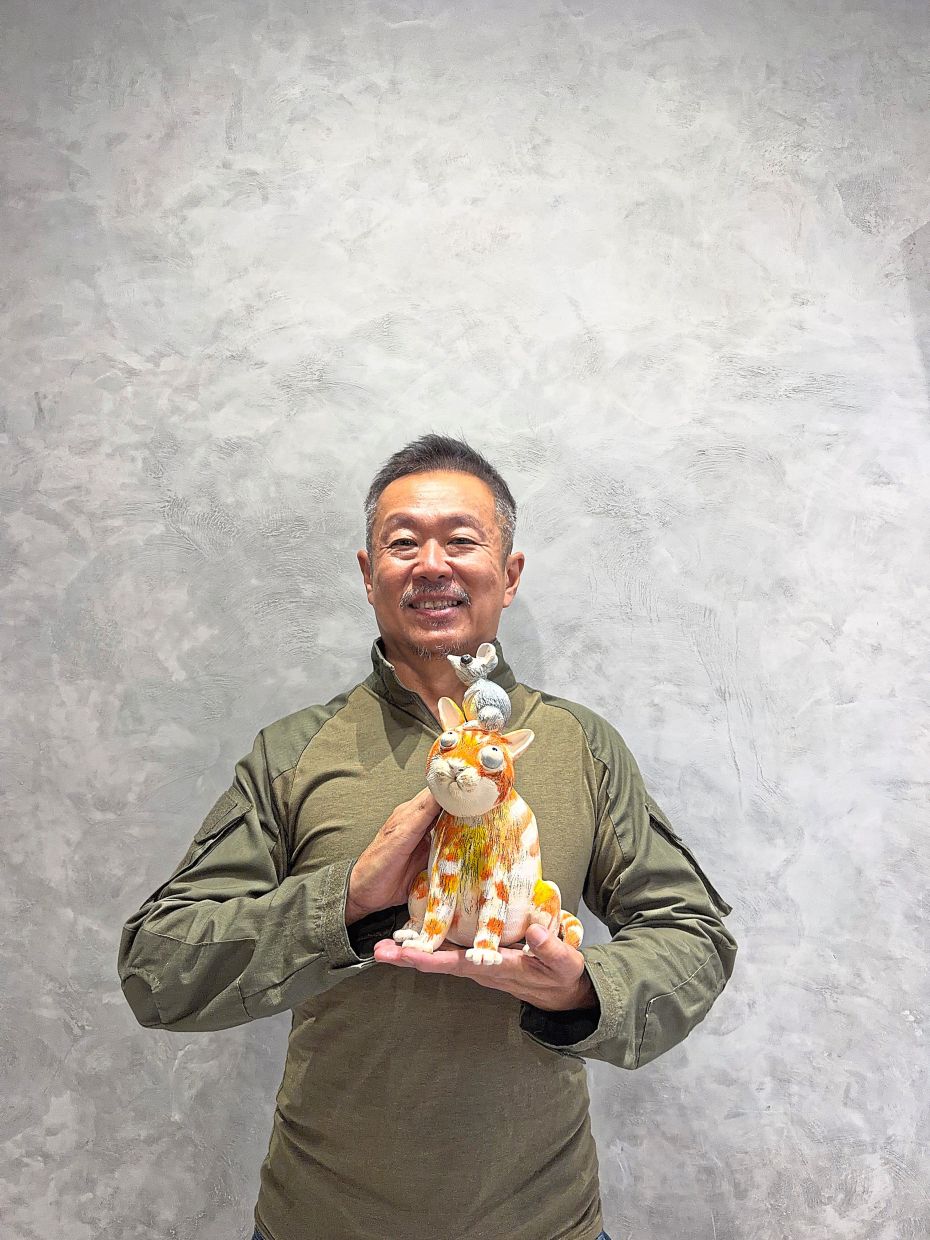
“I was drawn to them because they are poetic, layered, and often very visual in nature. At the same time, they carry values, warnings and observations about human behaviour.
"As a Malaysian artist, working with peribahasa felt like a way to reconnect with something culturally familiar. In a way, this series is about translating language into form – taking something spoken and giving it a physical presence,” he adds.
Giving form to words
According to Seet, he chose the proverbs that had the strongest visual or narrative potential – phrases he could easily translate into artworks.
“Many of these idioms are actually quite literal, as they are based on everyday scenarios and observations meant to teach a lesson. That made them interesting to work with, because they are familiar,” he says.
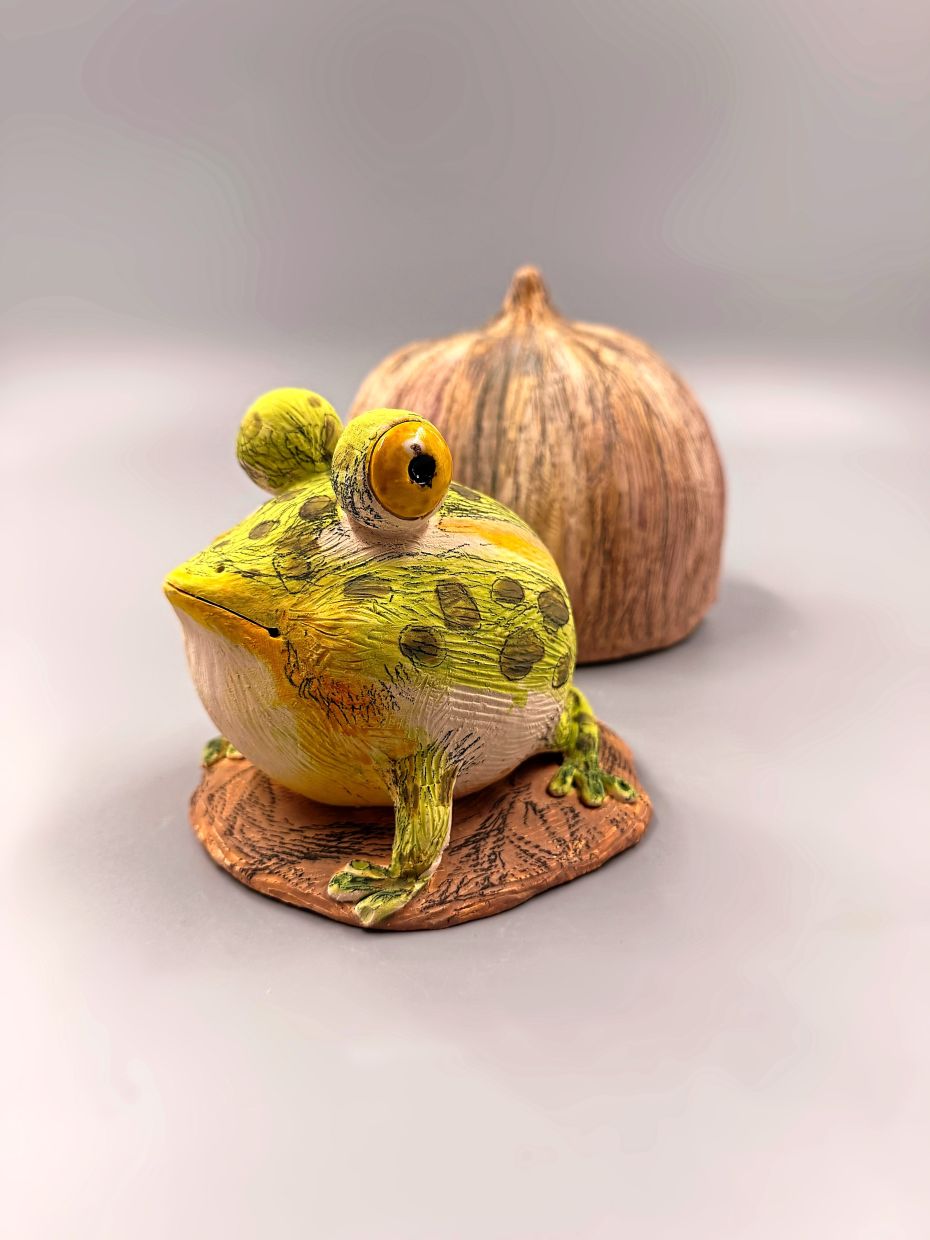
Visually, the KL-based Seet took a playful approach, using a caricature-like style with exaggerated and humorous details to bring out the essence of each idiom.
He also incorporated oxide pencils to create doodling line effects, similar to those used for drawing in school, to add a sense of nostalgia, making the works feel more personal and approachable.
A doorway to other cultures
In assembling these new works, Seet found the Berbahasa series gradually drawing him back to his childhood, evolving into a surprisingly reflective exercise.
“It made me revisit meanings that I hadn’t thought about in a long time, and in some cases, I started to see them differently as an adult. They are surprisingly relevant when you think about relationships, society and human behaviour today,” he says.
But it won’t just end here. Seet, who often leans into broader storytelling in his work, hopes to extend the series across different languages and cultures.
“Each language carries its own personality, and idioms are a reflection of that, especially within Chinese dialects, where many expressions are very quirky, vivid, and full of character.
“I see this series as something that can grow beyond a single cultural context. There’s potential to explore proverbs and idioms from different parts of the world, and to engage directly with those cultures through the process," he says.
Seet, whose practice spans abstract, climate- and nature-related works, views the new series as something universally relatable.
"Even though the languages differ, many of the underlying ideas – about human behaviour, relationships, and society – are shared. That’s what makes it expandable and relevant internationally, and it’s something I’m keen to continue developing,” he concludes.
James Seet's Berbahasa series is showing at Access KL Art Fair at Kloe Hotel, Kuala Lumpur on April 18 and 19. The art weekend, organised by G13 Gallery, is open: 11am-7pm. Free admission.