
DEVELOPERS building residential projects in Kuala Lumpur will soon be required to contribute to a housing fund, in a radical move to improve community infrastructure and amenities.
The money collected under this initiative would be channelled towards developing public facilities such as parks, playgrounds and clinics, and upgrading infrastructure in the neighbourhoods where these projects are located, said Dr Zaliha Mustafa.
The Minister in the Prime Minister’s Department in charge of Federal Territories said under the public funding scheme, developers would contribute based on the scale and value of their projects.
These contributions will directly support enhancements to community infrastructure and amenities in the areas they develop.
“This fund is designed to address the increasing demand for infrastructure and services brought about by population growth and higher vehicle usage resulting from new developments,” Dr Zaliha told StarMetro in an interview.
“Developers have a collective responsibility to give back to the communities where they build by upgrading and supporting local amenities.”
Dr Zaliha said the percentage of contribution had yet to be decided, adding that it would depend on the size and scope of each developer’s project.

“For example, if Developer A is constructing 5,000 residential units and Developer B is building 3,000 units in the same area, their respective contributions will be determined based on their project size. This approach ensures that each developer shares the responsibility equitably,” she said.
“By contributing to the maintenance of facilities such as drainage, parks, and playgrounds, the developers can play an active role in supporting the city’s infrastructure.
“This is a shared responsibility that goes beyond profit-making, fostering a collaborative effort to improve and sustain community facilities for the benefit of all.”
Emphasising that the initiative would take off soon, Dr Zaliha said when she engaged with several developers regarding the initiative, most of them were receptive to the idea of the housing fund.
However, she said further discussions were required to finalise the details of the fund.
Dr Zaliha said she has asked city planners to explore this initiative in detail and devise a suitable mechanism.
“The government will kick-start the fund with an initial allocation from the federal budget, but developers must also fulfil their obligation towards the community.”
(Under the Federal Capital Act 1960, the Federal Territories Minister has the authority to make decisions on funding and launch initiatives to improve life in Kuala Lumpur).
Dr Zaliha said with the government actively promoting the Urban Redevelopment Act (URA), many older areas in the city would require redevelopment, and the housing fund would be vital to supporting these efforts.
The housing fund requirement would affect both current and future developments in the city.
When contacted, the Real Estate and Housing Developers Association (Rehda) Federal Territories (Kuala Lumpur) branch said it fully supported Dr Zaliha’s initiative to establish a fund for city infrastructure.
However, Rehda KL chairman Carrie Fong said the association had yet to get specific details regarding the proposed fund.
She said provisions for facilities and parks, along with charges and other forms of contributions, have been included in the development plans.
“It would be more conducive to business operations if this housing fund could replace other existing contributions,” she said in a statement.
“If developers end up contributing to this fund while still fulfilling existing conditions and commitments, we risk passing these costs on to housebuyers.”
Meanwhile, Kuala Lumpur residents warmly welcomed Dr Zaliha’s planned initiative.
They believe that developers must do more to address the needs of growing townships, particularly in areas where population density is increasing.
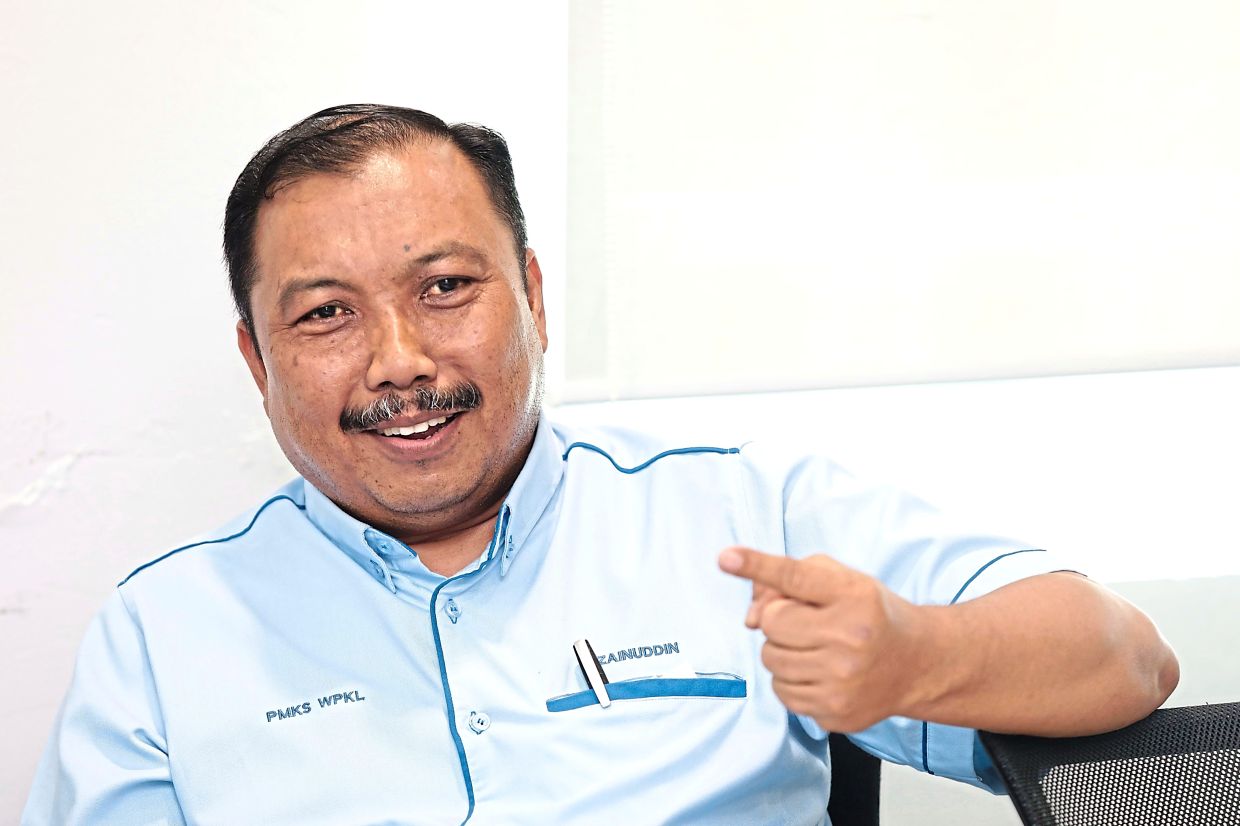
Kampung Malaysia Raya Residents Association chairman Mohd Zainuddin Amran said even if developers cross-subsidised their projects by including affordable homes, they must understand that more housing units bring more people and vehicles into the area.
“This creates greater demand for facilities such as parking, schools, clinics, and recreational parks. Developers need to contribute more to support these developments.”
1Razak Mansion Management Corporation chairman Anthony Tan voiced concerns over the inadequate infrastructure and public services in the Salak South neighbourhood.
“There are about 20,000 residents within a 1km radius of 1Razak Mansion and Razak City Residences.

“Yet, we are still lacking essential infrastructure like proper access roads, pedestrian walkways, and a government clinic,” he said.
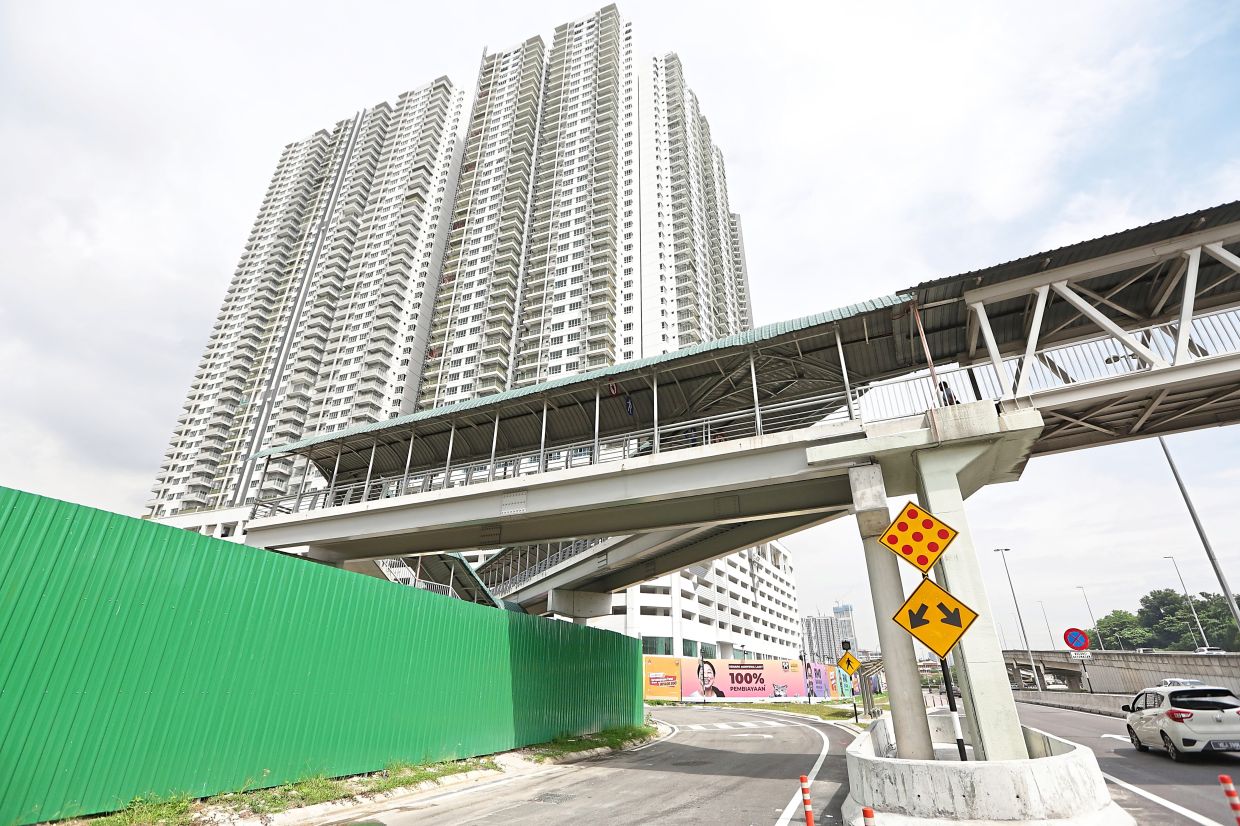
Tan criticised the long-delayed pedestrian walkway project connecting 1Razak Mansion to Sungei Besi highway and Salak Selatan LRT station, which he said had stalled due to budget constraints.
“Residents have been waiting for years for this walkway, but every time we ask for updates, the response is the same – there’s no funding.
“So this news for developers contributing to a fund for the benefit of residents is welcome.”
Devi Subramaniam, who recently moved from Seremban to Kuala Lumpur, shared her struggles in accessing healthcare due to an overcrowded clinic in her new home in Sungai Besi.
“Klinik Kesihatan Sungai Besi is overcrowded and struggling to cope with the rising population and the wait time is too long,” she said, adding that making developers contribute to building facilities like clinics was the right move.