
Visits to Da Nang in Vietnam are made extra meaningful when they coincide with local festivals, especially when these are celebrated nationally.
In the days leading up to Liberation Day, which falls on April 30, all of Vietnam erupts into celebration to commemorate the end of the crippling Vietnam War and the consequential unification of North and South Vietnam in 1975.
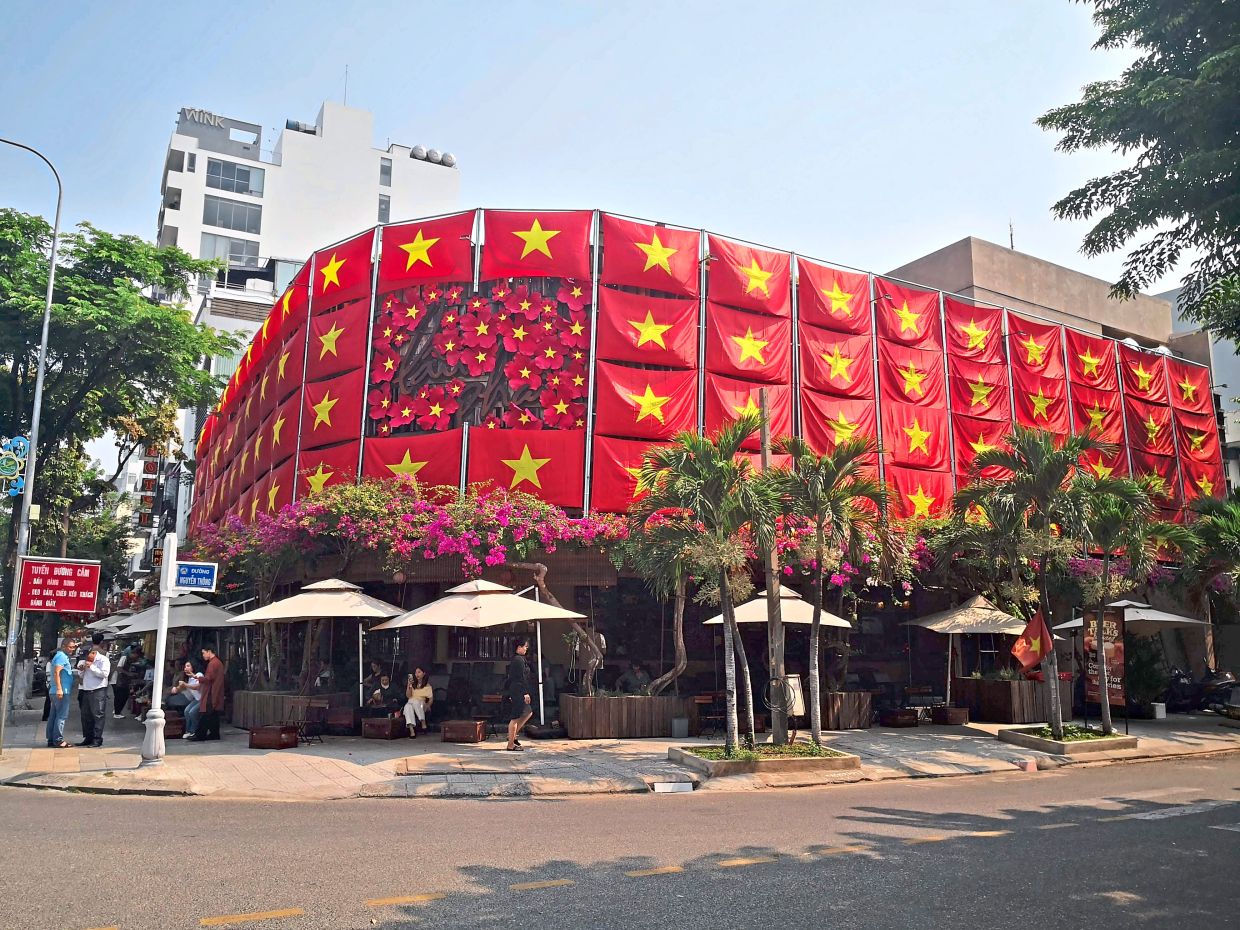
Known also as Reunification Day, this major public holiday is marked with vibrant red-and-yellow national flag displays lining streets and buildings. Mesmerising cultural performances, fireworks and historical tours are also held at landmarks that once witnessed utter chaos during the two-decade long conflict.
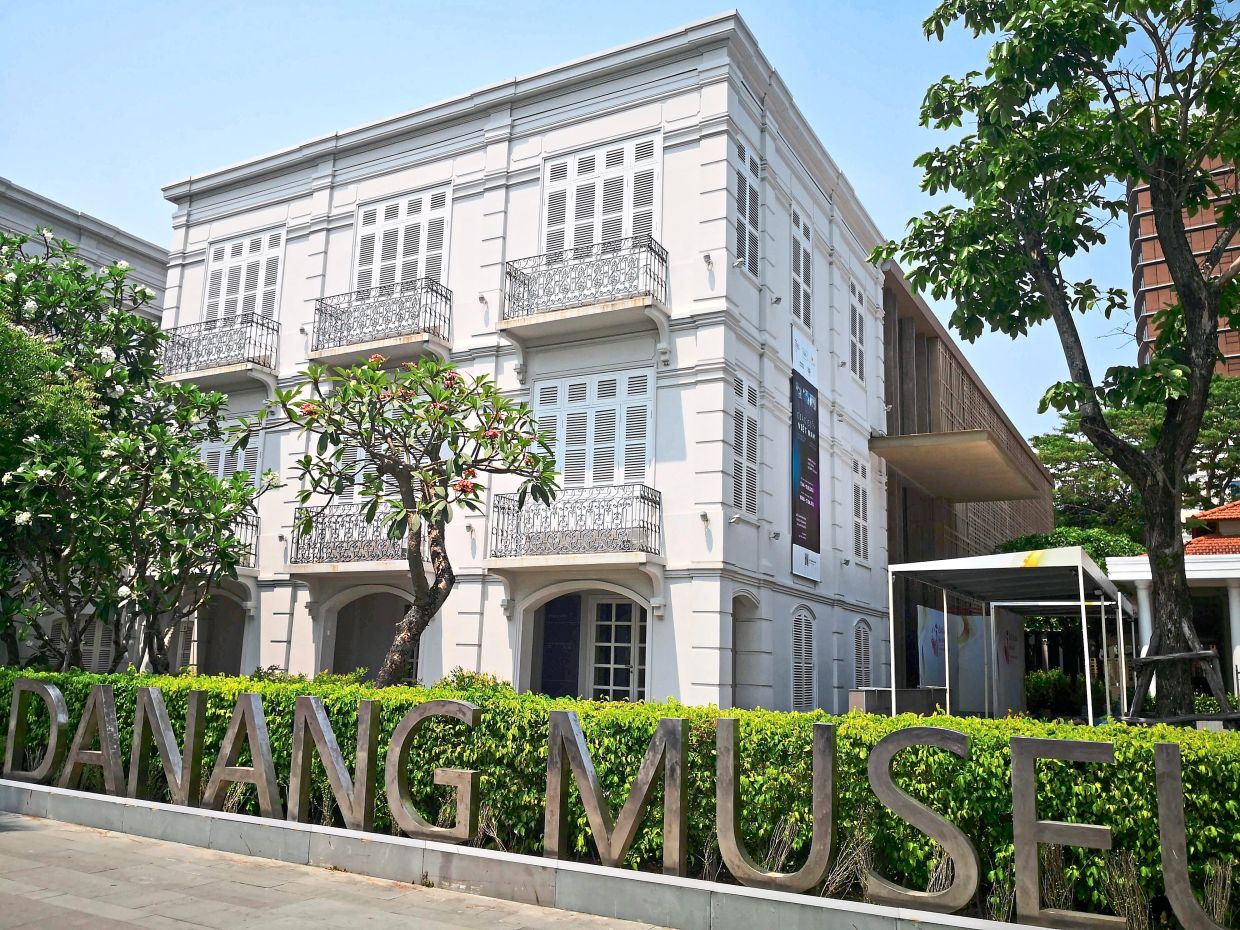
The recently reopened Da Nang Museum is a good place to gain insights into the country’s storied past.
Strategically located between the Han River fronting Bach Dang Street and Tran Phu Street, this US$20mil (RM81.72mil) cultural facility creatively uses vivid, high-tech multimedia displays to give visitors an immersive deep dive into the city’s past and present.
It also has a collection of over 3,000 documents and artefacts chronicling the region’s Sa Huynh and Champa civilisations, wartime history and various traditional lifestyles.
Core exhibition spaces spread across three floors feature 3D mapping, virtual reality and augmented reality experiences as well as interactive models. The first level is dedicated to the country’s rich natural history and Vietnamese nationalism.
The second and third floors feature Da Nang’s rapid post-1975 development and highlight traditional activities of the region’s ethnic minority communities.
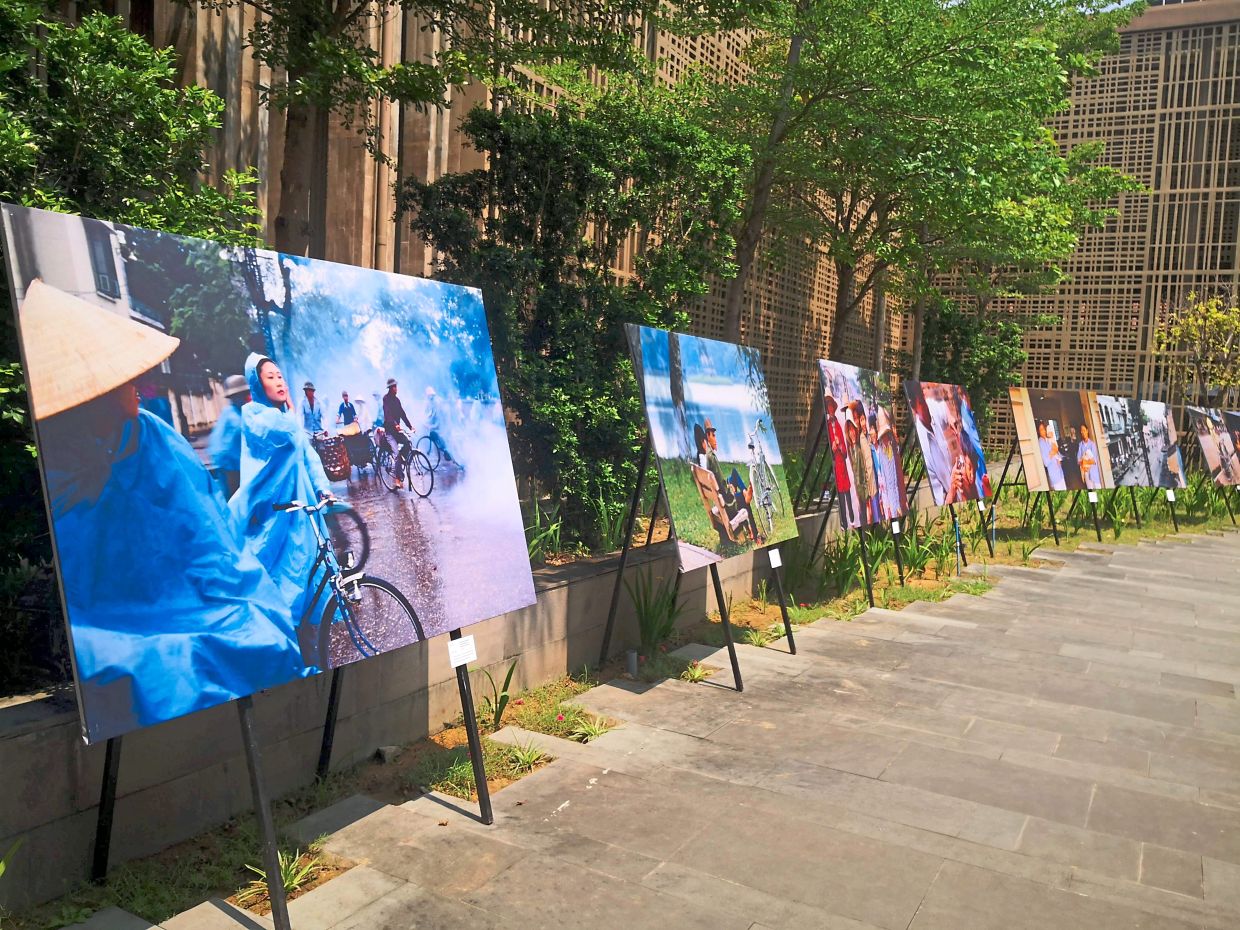
Apart from giving visitors access to important exhibits that show perspectives related to Vietnam’s rich history, this outdoor area also provides the opportunity to appreciate the museum’s striking 19th-century French colonial architecture. It bears subtle reminders of its former function as the Governor’s Palace and, later, City Hall.
The most recently held installation here was the Vietnam Intersection photographic display by French artists Daniel Roussel, Gilbert Bertrand and Lily Franey. Organised by the Vietnam French Institute, the displays give emotional perspectives that reflect the resilient Vietnamese spirit in overcoming challenges.
Da Nang comes across in an entirely different light right after the museum exit. History comes alive as recollections of the numerous interesting stories unveiled through the various multimedia displays make it easy to relive past glories of the Han River. This river flows parallel to the road fronting the museum.
Renamed Tourane by the French, Da Nang reclaimed its current calling after World War II. Like the rest of the country, war returned once again after two decades of relative calm, when troops from the United States converted Da Nang into a sprawling military, air and logistic base in 1965.
Secretive past
Very much like the sea of red and yellow flags fluttering from sparkling office blocks and major hotel chains fringing this scenic waterfront today, revolutionary flags were raised as Da Nang celebrated the end of the Vietnam War on March 29, 1975.
Although victory in Da Nang was achieved relatively easily on that fateful day – with the almost immediate collapse of the defending South Vietnam military structure – the same could not be said for the struggle endured by the spies and clandestine agents. These are the folks who bravely infiltrated government and military bases in order to secure vital information.
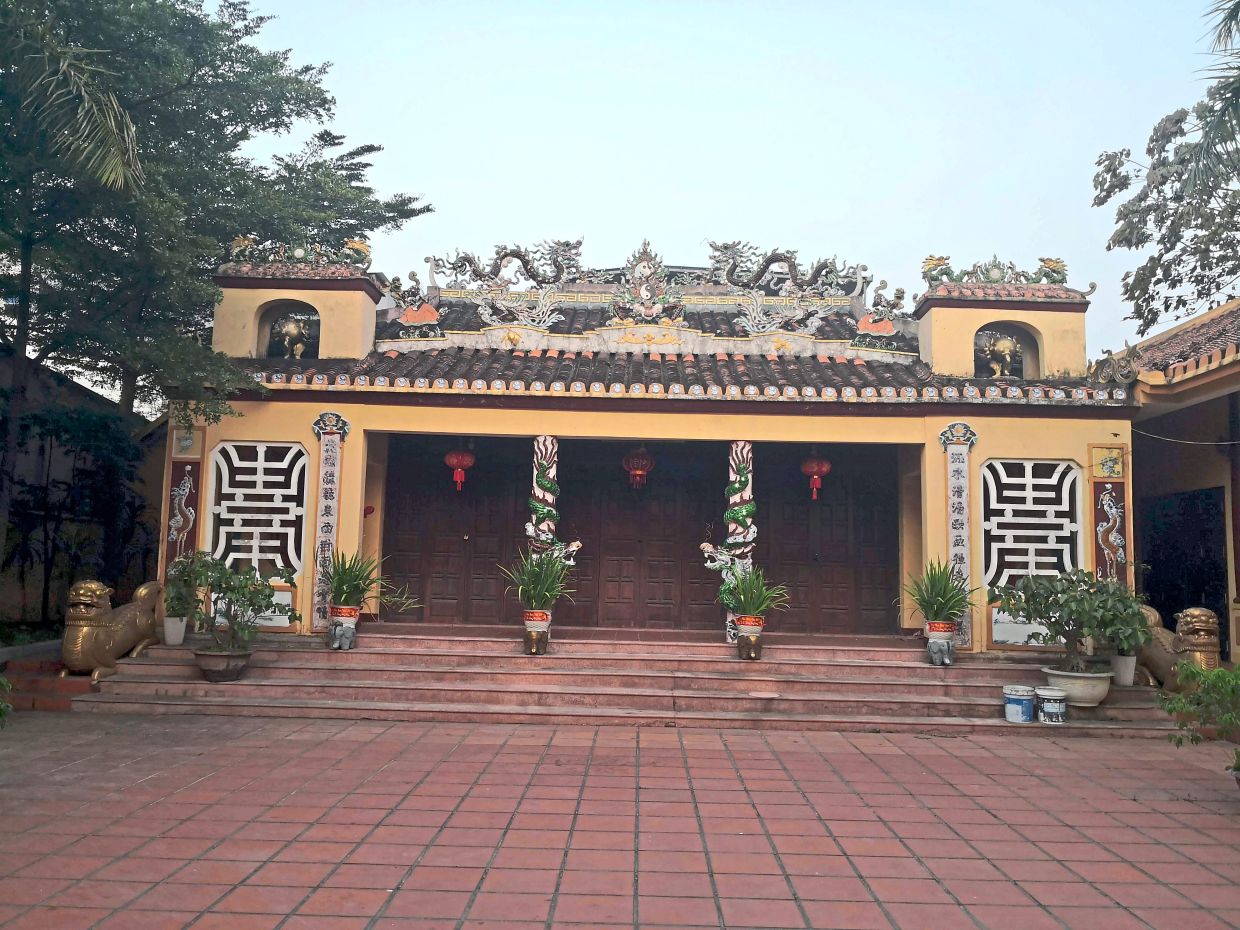
While Da Nang has numerous historic temples that feature prominently on tourist maps, Dinh Lang An Hai deserves special mention.
Located directly across the Han River from the Da Nang Museum and dating back over four centuries, this historic communal meeting place predates much of the surrounding urban development, originating when it was just a small coastal and river settlement.
Dinh Lang An Hai’s unique architecture and serene ambience favoured by tourists today, however, belie its more secretive past. Bustling with locals arriving by the score for ancestral and deity worship, it became a safe house for the war’s resistance network, where operatives attending secret meetings could slip in and out unnoticed.
Today, a commemorative stele in the compound honours Dinh Lang An Hai’s wartime role, cementing its legacy as a historic architectural monument and a pivotal asset in Da Nang’s history.
Peaceful sanctuary
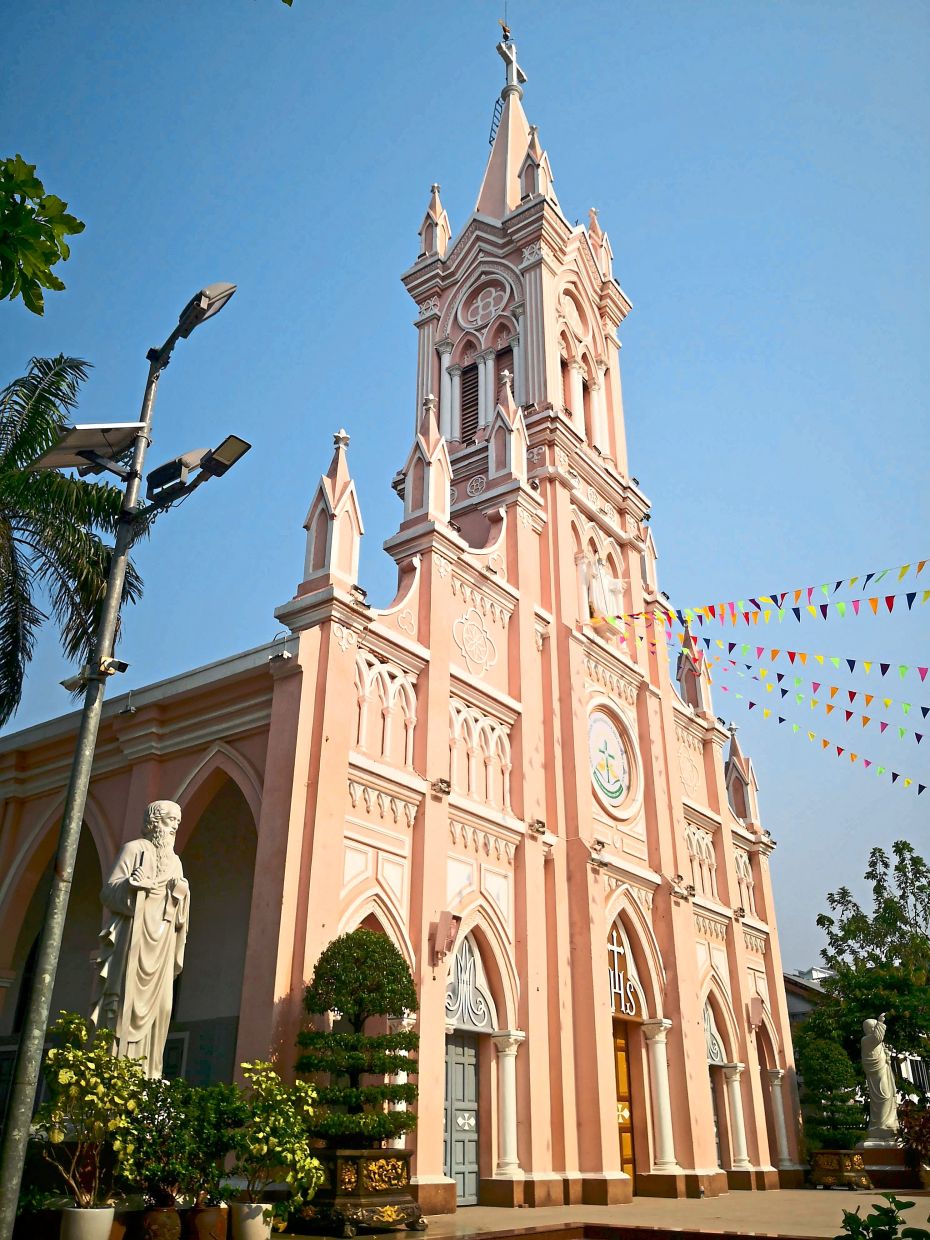
Not all places of worship in Da Nang, however, were involved in the resistance movement. Although strategically located right in the heart of the city at Tran Phu Street, the Da Nang Sacred Heart Cathedral successfully avoided military repurpose through its role as a spiritual sanctuary.
As the heavily bombed city assumed a grotesque transformation during the closing days of the war, the cathedral became a peaceful sanctuary where parishioners gathered to pray for peace, seek comfort and find temporary refuge from the surrounding chaos.
Today, this shining beacon of enduring hope is a popular tourist draw. Established in 1923 by French priest Louis Vallet, it is also known as the Pink Cathedral due to its blush facade.
Apart from its striking Gothic architecture, other photo-worthy features include the soaring central bell tower flanked by 10 decorative mini-spires, vibrant stained glass windows and the Grotto of Our Lady, a serene Marian cave replica of the famous Lourdes grotto in France.
Besides city attractions, Da Nang is also renowned for its stunning coastline. Places with vibrant beachfront promenades filled with cafes and seafood restaurants like My Khe Beach are popular with holidaymakers. But quieter spots such as Non Nuoc Beach are favoured for their less crowded swimming zones and close proximity to the Marble Mountains tourist destination.
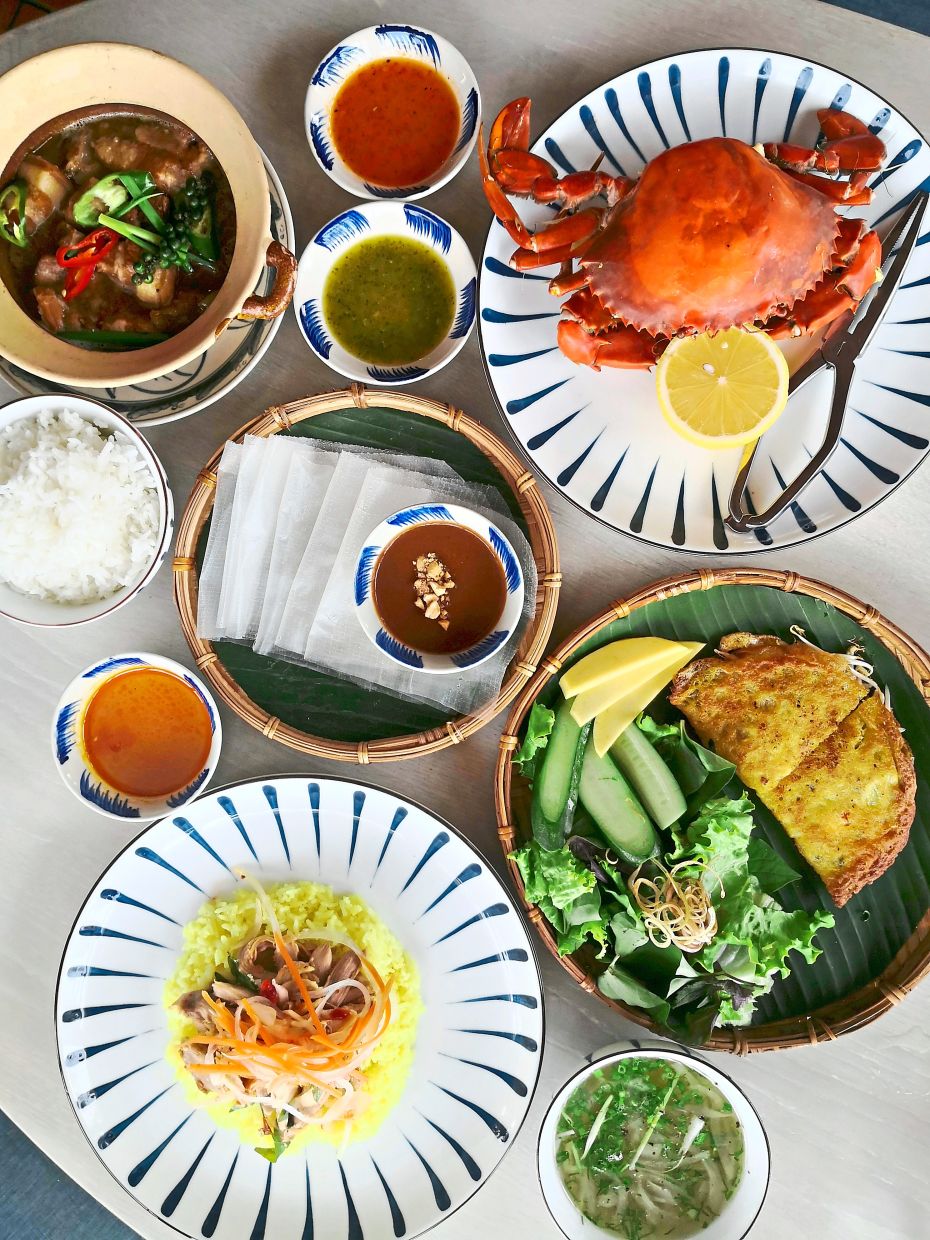
Lunch comes in the form of an authentic regional Vietnamese comfort food spread at Xanh House in Hyatt Regency Da Nang. While tucking into beef pho, crispy banh xeo pancakes, Hoi An chicken rice, spring rolls and seafood from a table overlooking the sea, it becomes obvious that Non Nuoc Beach is a picture of quiet paradise.
Beachgoers not only sunbathe on pristine soft white sand, but also take advantage of the excellent surfing conditions.
The situation along this scenic coastal strip was very different some six decades ago. A major flashpoint during the 1968 Tet Offensive – when North Vietnam and Viet Cong troops launched a surprise attack during the Lunar New Year holiday by striking over 100 southern cities and provincial capitals – pre-dawn rocket barrages slammed Non Nuoc Beach and the US Marine Corps helicopter base in the Marble Mountains.
When the intense fighting was aired on US television, it not only created public uproar but also marked a major turning point in the war after US president Lyndon Johnson set things in motion for the eventual troop withdrawal from Vietnam.
Back in the city, the sight of the recently unveiled president Ho Chi Minh statue at the Da Nang Library campus brings to mind the city’s phenomenal transformation: From the ravages of war to becoming Vietnam’s third-largest economic hub, modern metropolitan centre and premier tourist destination.
The future certainly looks bright for this amazing city.
Travel notes
How to get there: Malaysia Airlines, AirAsia and Batik Air all have daily flights to Da Nang from Kuala Lumpur.
Where to stay: Hyatt Regency Danang Resort & Spa has easy access to the city and nearby tourist attractions like the Son Tra Peninsula, Hai Van Pass, Ba Na Hills and Marble Mountains.
Other places to check out: There are three nearby Unesco World Heritage Sites worth visiting – historic monuments at the Imperial City of Hue, Hoi An Old Town and My Son Sanctuary ancient temple ruins.