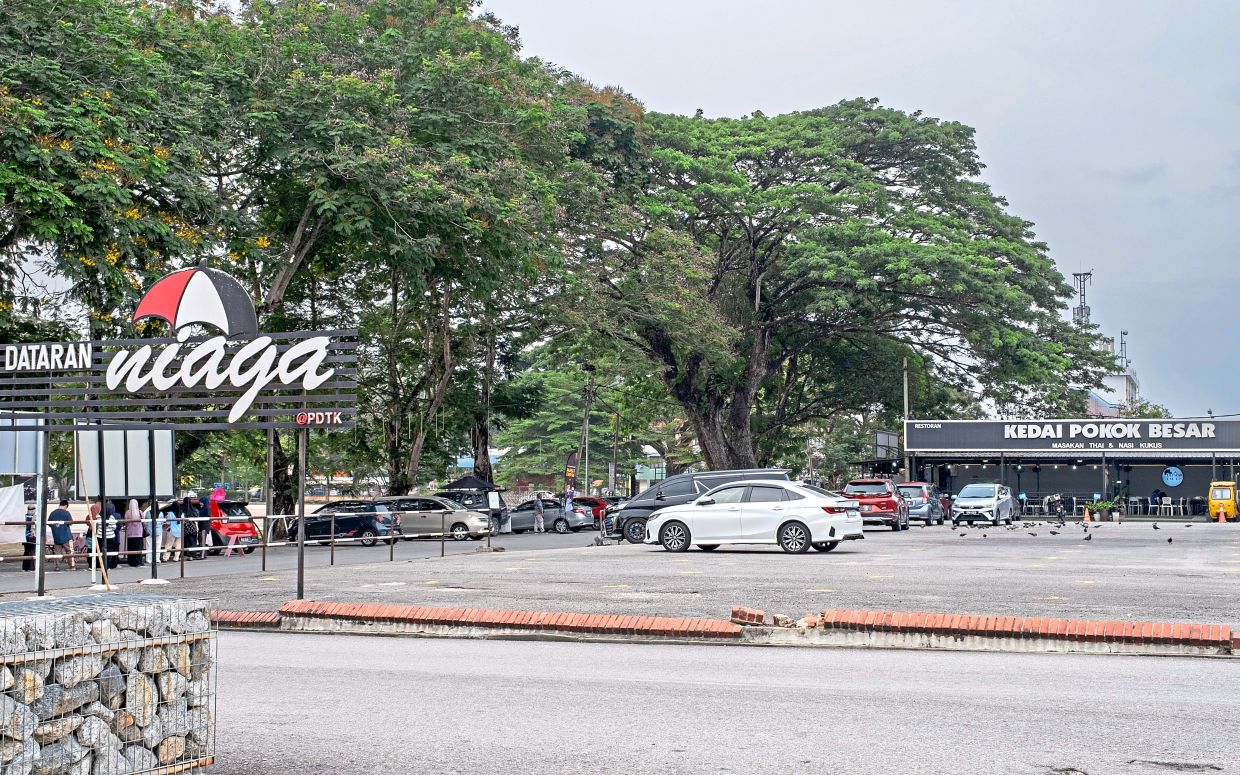
WHILE taking a breather during a recent road trip at Dataran Niaga in Kulim, Kedah the sight of the nearby Menara Jam Kulim stirs up a memory.
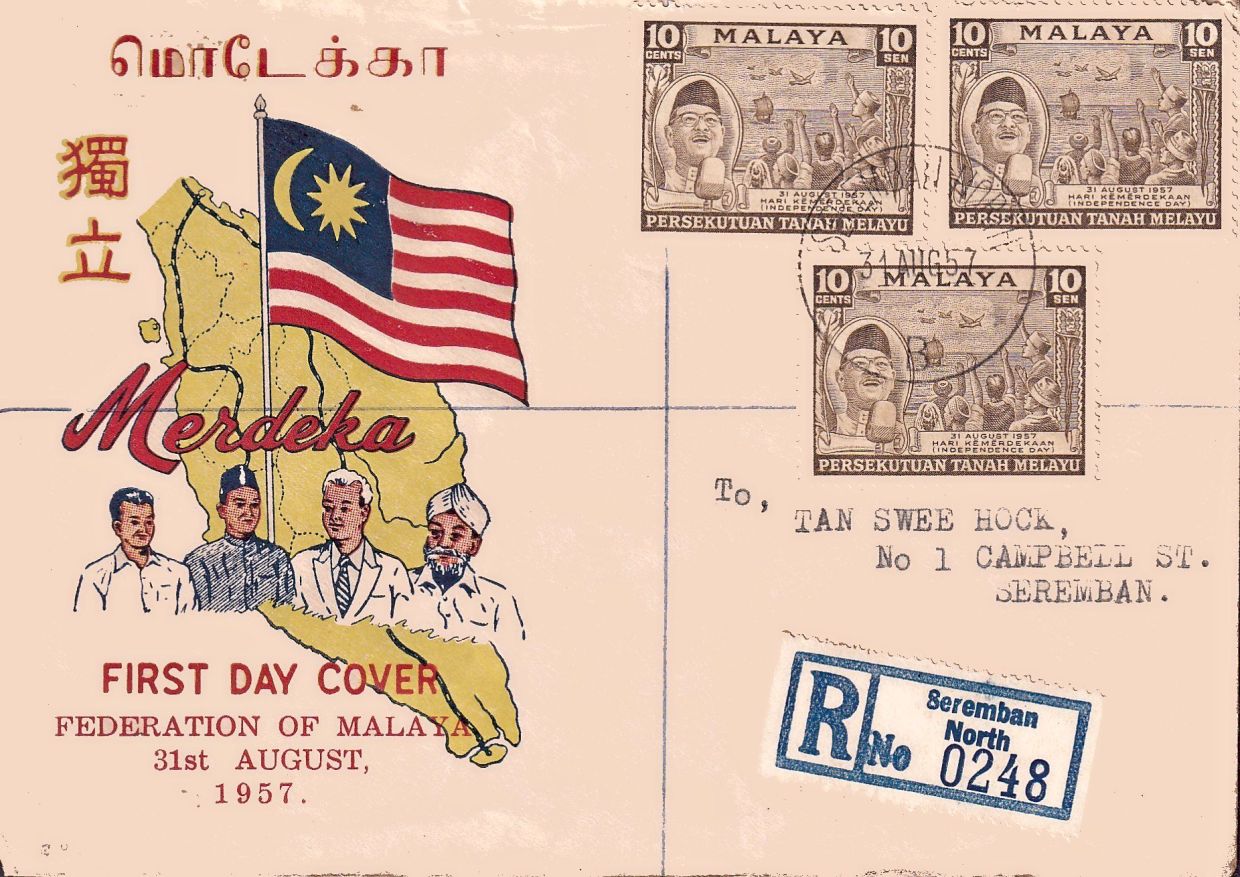
Inaugurated only days after Malaysia’s independence, the town’s most recognisable community monument serves as a timely reminder of the extraordinary transition from colonial rule to self-government brought about by Malaya’s multiracial leaders under the leadership of Tunku Abdul Rahman Putra Al-Haj.
Financed entirely through public donations from local residents and community leaders together with Penang-based philanthropists like Lim Lean Teng, the completed landmark (then costing $35,000) was unveiled during a grand ceremony by Tunku’s brother, Sultan Badlishah, on Sept 15, 1957.
While calling for all hands on deck to help develop the fledgling nation, the monarch gave recognition to the concerted efforts of all races that made up Malaya’s vibrant social fabric, which then paved the way for the peaceful achievement of independence.
Sultan abducted
Closely related to Tunku’s extraordinary leadership qualities and people-centric approach is a stately stand-alone building with an extraordinary wartime story. Located on a slight rise just a short distance away from Menara Jam Kulim, this was the former residence of the Kedah prince when he was the Kulim District Officer during World War II.
As the Japanese Imperial Army closed in on Kedah capital Alor Star, Tunku received news that the British intended to evacuate his father, Sultan Abdul Hamid Halim Shah, to Penang. Convinced that the monarch’s rightful place was with his people, especially during those trying times, Tunku hurriedly assembled a group of friends to help divert the Penang-bound convoy towards Kampung Sedim, a tranquil rural village near Kulim.
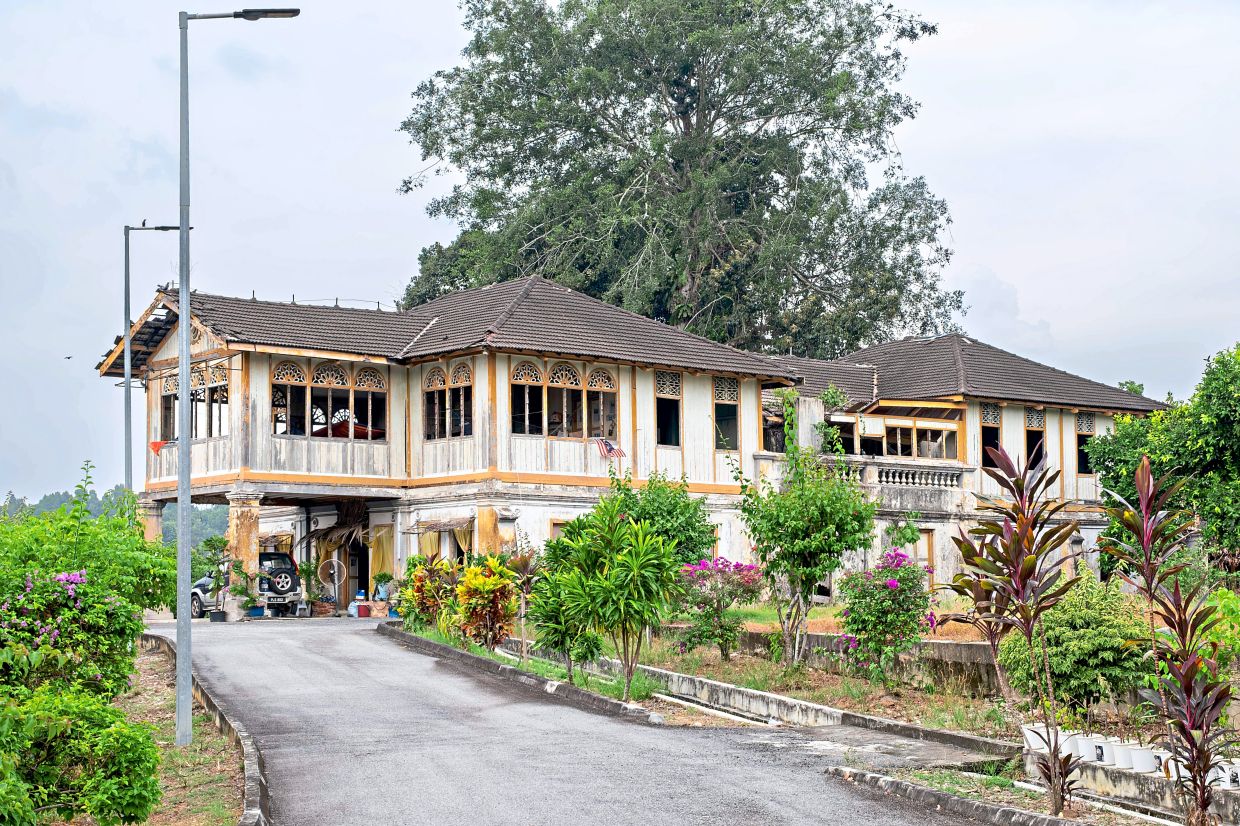
There, Sultan Abdul Hamid and his royal entourage found shelter at village chief Penghulu Haji Yassin’s house until some semblance of normalcy had returned to Japanese occupied Alor Setar. Known today as Rumah Lindungan Raja, this historic home is part of the heritage trail related to the audacious royal abduction orchestrated by Tunku who successfully defied British will in the process.
Today, Kulim’s modern roadways, vibrant commercial developments and technologically advanced factories contrast starkly with its humble origin as a small settlement in the mid-1700s.
Named after a local tree with edible nuts and leaves – dubbed the jungle garlic due to its distinct aroma – Kulim was transformed into a place of abundant opportunity after tin was discovered in the 19th century.
Prosperity, conflict
With prosperity and wealth, however, came greed and selfishness which eventually gave way to rivalries and disagreements. Death and misery peaked during the 1888 Perang Kulim and the upheaval resulted in conflict victims fleeing to the surrounding areas in search of more peaceful places to re-establish their lives.
Two years later, the situation took a turn for the better after Benjamin Edward Mitchell imposed strict enforcement upon his appointment as Kulim police chief.
During the short westward drive to Lunas, emotions run high while calling to mind the heart-wrenching effect conflict had on the ordinary folk. Fleeing the “Perang Kulim” unrest, some dispersing refugees took to Sungai Kulim, the main tributary in the area, and eventually settled in nearby villages like Lunas.
The village’s close association with the crucial river transportation system is reflected in its calling which is said to have originated from the Malay word lunas that refers to the keel or central spine of a boat.
A much smaller and more intimate settlement whose character was shaped less by tin than by rubber, tapioca and sago, Lunas grew rapidly with the unexpected population expansion.
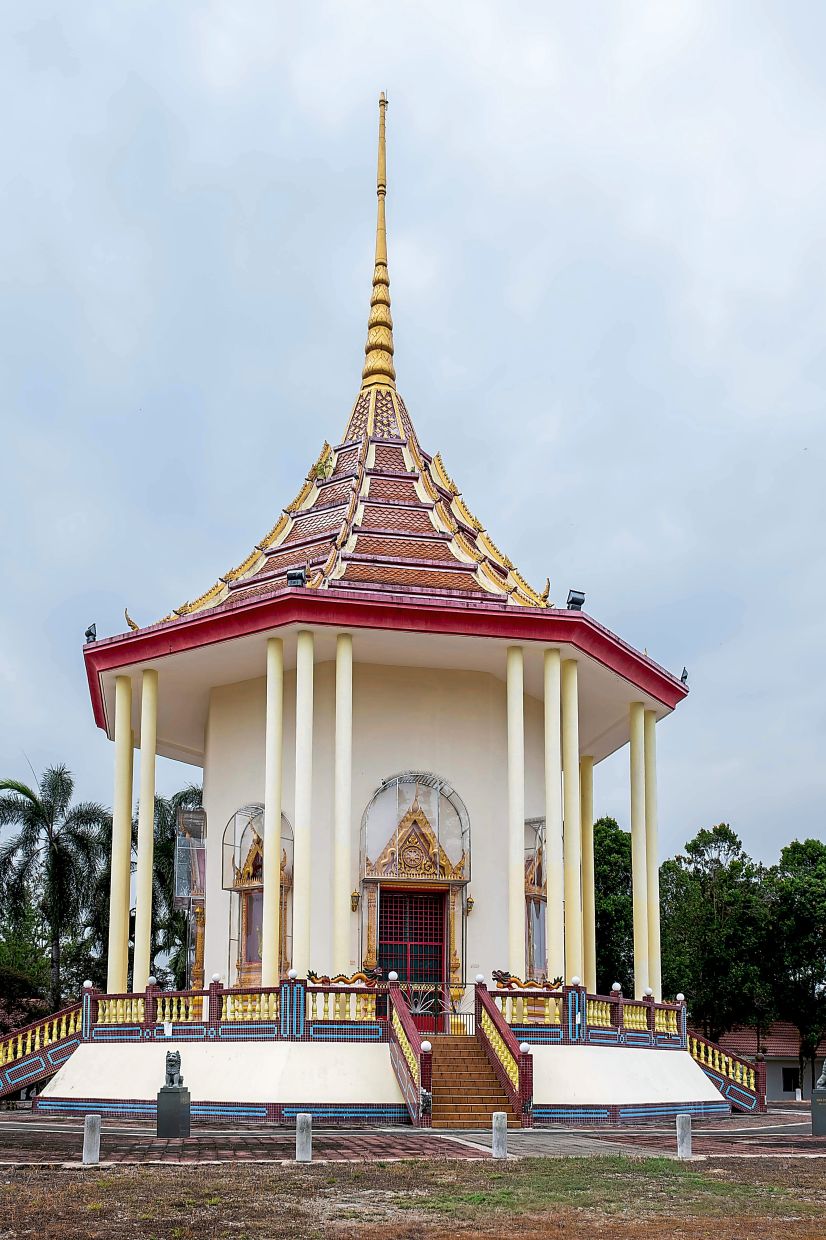
Its oldest Chinese place of worship, the Hock Teik Soo Temple, is believed to date to 1889, just one year after the Kulim War.
With Tua Pek Kong as its principal deity, the temple not only served as a place of worship but took on the role as a social anchor that allowed refugees and their descendants to preserve their customs, maintain community networks and provide assistance to their needy clansmen.
Rich heritage
Growth extended into the 20th century, with Chinese and Indian migrants absorbed into the surrounding rubber estate labour force while local Malay communities contributed to the wider cultural landscape. Among the many stories related to the enduring resilience of the town’s pioneering generation, one classic immigrant’s rags-to-riches tale stands out.
Settling in Lunas when the rubber industry was still in its infancy, Loh Boon Ghee started off as an odd-job labourer. Saving obsessively and spending prudently, he managed to secure sufficient funds to start his own business clearing land for European estates.
A shrewd entrepreneur, he eventually became one of the richest rubber plantation owners in Lunas.
Together with other successful businessmen, Loh gave back to society by establishing schools, providing funds to support free food distribution for the needy, and burial arrangements for impoverished deceased persons. These generous benefactors are also recognised for constructing and developing roads, shophouses and other public facilities during those early years.
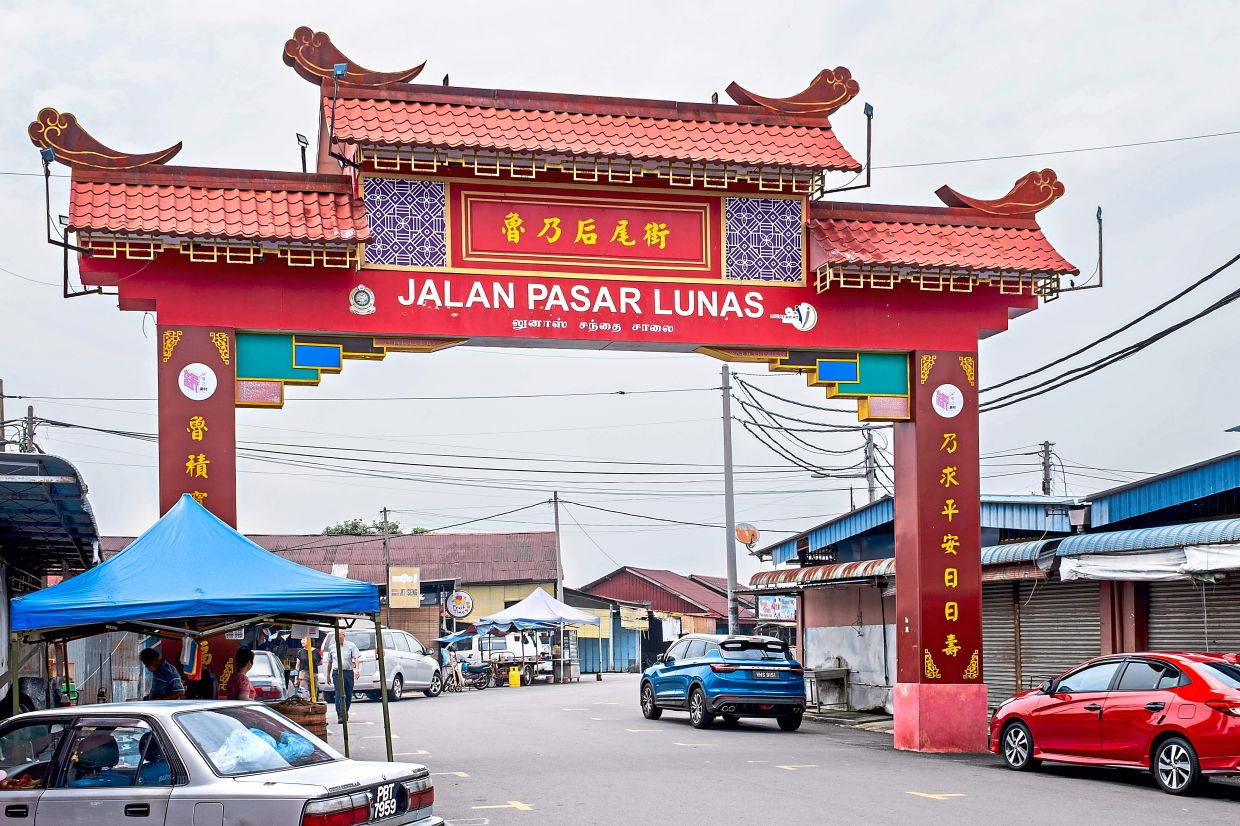
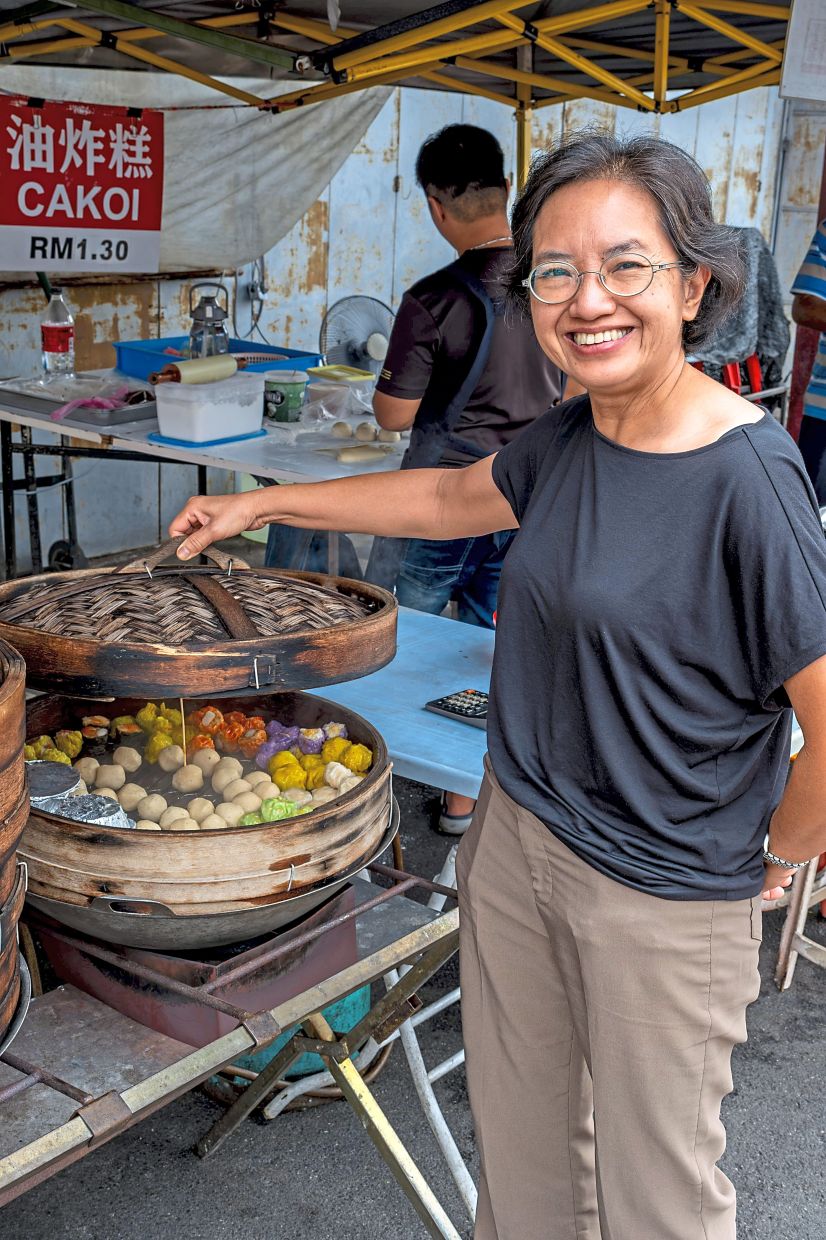
Just like Kulim, colonial-era vestiges still linger in Lunas through the rows of pre-war shophouses that stand as silent witnesses to the passing of time. Still retaining their original rustic facades, they remain as steadfast bastions for vanishing trades that are no longer seen in larger towns and cities.
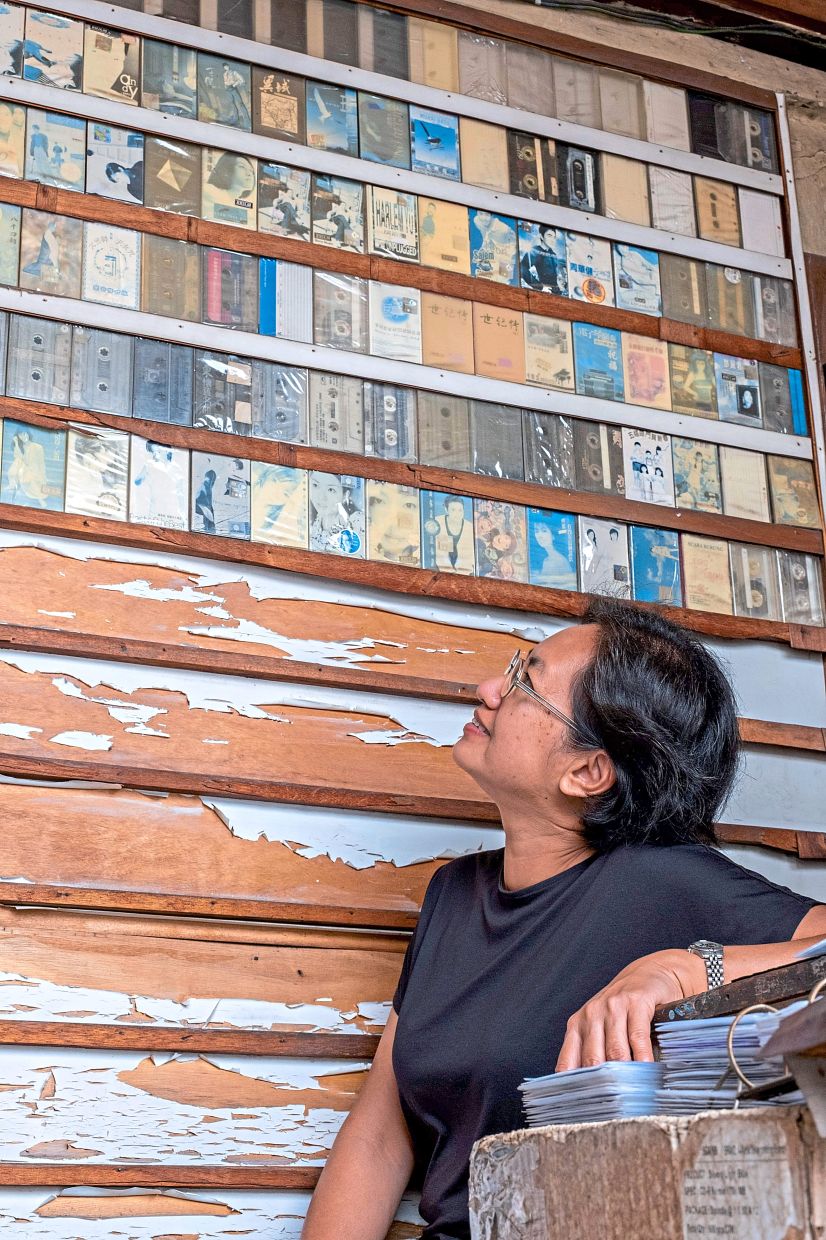
Until today, music lovers can still walk up to an unassuming stall in Jalan Pasar to have their favourite play list recorded on cassette tapes.
Lunas today, however, is a pale shadow of its former self. The rubber trade has slowed dramatically, no thanks to the invention of the more versatile synthetic rubber. The town was further left behind with new expressways bypassing it, diverting vital traffic away from its once busy streets.
Japan invades
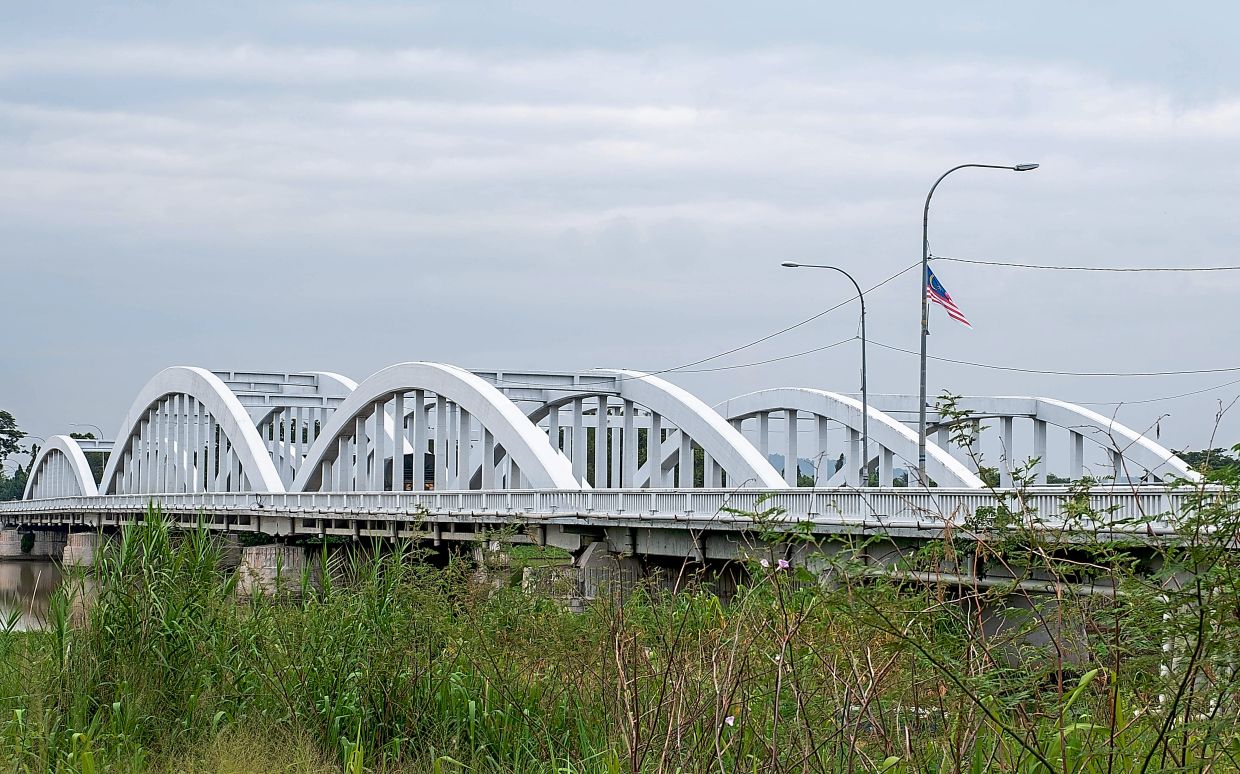
Leaving Lunas and its many other attractions like the restored rubber smokehouse and Buddhist hermitage, the trip resumes in a north-east direction towards Tikam Batu until Jambatan Merdeka’s recognisable triple white arches come into view just as the late afternoon sun starts making its way towards the western horizon.
This penultimate part of the journey has been nothing less than extraordinary as travelling along Federal Route 1 – a key thoroughfare linking Butterworth and Sungai Petani – gives opportunity to witness the local landscape gradually opening into the fertile Kuala Muda agricultural plains.
The clamorous rhythm of town life also gives way to tranquil padi fields and the broad course of Sungai Muda.
This picturesque setting, however, belies the fierce clashes between British and Japanese forces that took place at this strategic crossing in December 1941. The earlier bridge – a vital link between Tikam Batu in Kedah and Bumbong Lima in Penang that encouraged economic development in the surrounding communities – was blown up by the former in a desperate move to slow the latter’s rapid advance towards Penang.
Undeterred, Japanese soldiers took to the water under the cover of darkness and successfully dispersed Allied forces camped on the opposite bank. Just days later, the damaged Titi Sungai Muda was once again passable to armoured vehicles after remedial work was carried out on its wrecked sections.
A week later, Japanese tanks rumbled triumphantly into George Town.
The Merdeka spirit
The decision to build Jambatan Merdeka was made in the early 1950s after its war-ravaged predecessor was deemed unsafe and had to be demolished. Today, only a nearby abandoned bunker serves as a grim reminder of the horrors that took place around Kampung Bumbong Lima some eight and a half decades ago.
Traffic along this stunning 100m-long concrete truss and steel girder bridge, considered one of the most beautiful crossings in the country when completed, increased markedly soon after it was officially declared open by Tunku in his capacity as the nation’s first prime minister in 1957.
Held amid much fanfare and attended by crowds from all walks of life, the joyous opening ceremony was one of the many events organised in Tikam Batu to celebrate Merdeka during that historic year.
Unlike most areas circumvented by the newly built North-South Expressway in the 1990s, Jambatan Merdeka’s importance grew from strength to strength until decision was made in 2008 to construct another bridge of similar design running parallel to the existing one to help ease traffic congestion.
Tikam Batu itself is distinctly different from Kulim and Lunas. It is a town that is deeply connected with the rural Kedah landscape. Here, roads pass through agricultural country where village communities retain their relevance.
In this tranquil landscape, the Sungai Muda stands as the defining geographical feature of the area.
The longest river in Kedah, it originates in the distant rainforest-clad mountain ranges that form the natural border with Thailand in the north. To the locals, Sungai Muda is both a physical boundary and a source of livelihood where communities living along the wider Kuala Muda area have traditionally depended on it for their agricultural and fishing needs.
Beyond Tikam Batu is another popular road that leads eastwards to the coast but that journey will have to wait another day. For now, Jambatan Merdeka is the fitting place to round off this amazing trip.
Standing majestically against lush paddy fields, it has become a symbolically appropriate piece of infrastructure epitomising a newly emerging nation that has, after 69 years of monumental national development, successfully gained global respect and recognition from the other nations of the world.
Travel notes
How to get there: For this road journey covering Kulim, Lunas and Tikam Batu in Kedah, it is better to do a self-drive trip. Start in the morning from either end and savour a leisurely drive to enjoy the surrounding rural landscape. Make frequent stops at villages and small towns to appreciate the local culinary delights and landmarks.
Where to stay: Strategically located Fuller Hotel Kulim is a three-star contemporary business and family hotel that offers affordably priced accommodation, for those planning to further explore the other parts of southern Kedah.
Other places to check out:
Kulim’s Tree Top Walk Sungai Sedim and Hutan Lipur Junjong with its cascading Air Terjun Junjung are must-visit places for nature lovers.
In Lunas, savour the various roast duck dishes and explore Jalan Sungai, the spot where the town actually began.