
After a summer of challenging weather and other disruptions, airline passengers around the world have faced many complications.
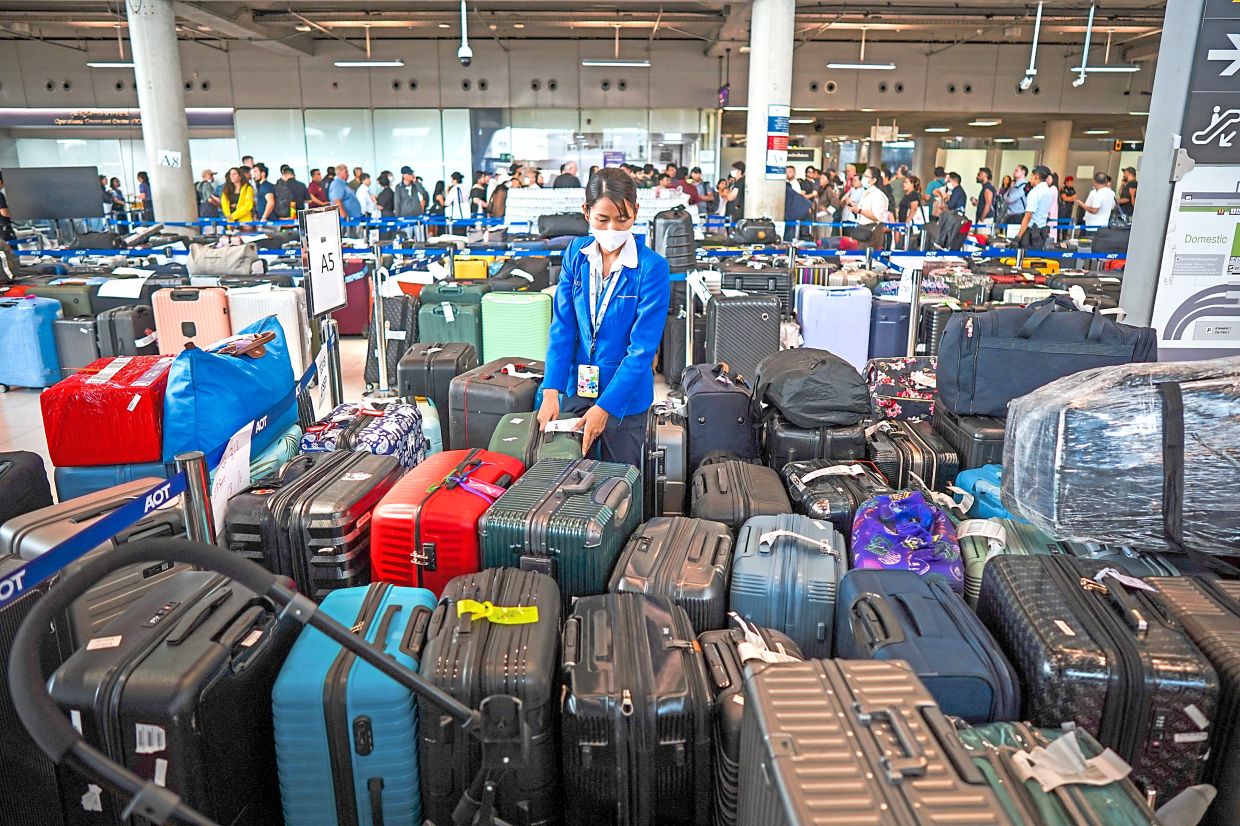
Frequent storms, the traffic control failure in Britain, a fatal cargo plane crash in Miami, Florida in the United States, and the chaotic introduction of the Entry/Exit System in Europe are just some of the sources of delays, cancellations and cascading glitches.
(Most recently, the Bangkok, Thailand floods disrupted many operations in the city, including at the airport.)
“The (aviation) industry has grown so rapidly, and millions more people travelling has created friction,” said Steve Glenn, the founder of Executive Travel, a corporate travel management company in Lincoln, Nebraska in the US.
“One little thunderstorm through the Midwest can hit Chicago, Detroit, Newark and JFK and take out a day of travel. What wasn’t a problem, now we have to plan for.”
There’s not much travellers can do about circumstances like weather. But they can change their booking strategies to avoid worst-case scenarios.
“There are a lot of things you can’t control, but you can relieve the pain points,” said Diana Hechler, the owner of D. Tours Travel, a travel agency in Larchmont, New York.
Like defensive driving, defensive flight booking means taking proactive steps to protect yourself, such as padding itineraries, leaving early in the day and potentially spending more for nonstop flights.
Here’s what we’ve learned this summer.
1 Leave a day early
If you’ve got a deadline to be somewhere, like a 4pm cruise departure in Barcelona, Spain or an afternoon briefing in Cairo, Egypt before a tour, arriving that morning is often possible, according to airline schedules.
But a storm, technology glitches at the airport or other mishaps can all too easily jeopardise the start of a trip.
“I advise leaving at least one day early on vacation,” Glenn said. “You have to almost assume there’s a 50-50 chance you’ll be disrupted.”
Arriving a day in advance also allows you to rest after a long flight and potentially get a good night’s sleep before moving on. And if you are delayed, having the cushion will help you worry less about the deadline.
Another reason to arrive early: Your baggage may be delayed, Hechler said. “If you’re there the day before, you have an excellent chance of it catching up with you.”
2 Take the first flight
Booking an early-bird flight gives you more options for later flights should the original be delayed or cancelled.
“First flights of the day have a more than 10 percentage point higher on-time performance than later flights of the day,” said Anna Brown, a travel expert at Going.com, a service that finds cheap airfares.
The advice applies mostly to domestic flights; international departures may only take place once a day.
The earliest flights tend to use planes that arrived late the day before. Should the airline discover a problem, which it would normally convey through an airline alert, morning flyers may have alternatives later in the day, Glenn said.
“If you’re the last flight, you’re pretty much stuck because there are no other options.”
Hechler noted that afternoon storms tend to be predictable in summer, “... so don’t plan a trip at 5pm”.
In general, it’s a good idea to look for an airline that flies more frequently to your destination.
“Pick the route that flies a few times a day, not once,” Brown said. “More flights means more chances to get rebooked.”
3 Fly non-stop
When possible, book a non-stop flight. More takeoffs and landings mean the possibility of more complications.
Often a non-stop option is more expensive than flights that connect. Travel advisers recommend factoring in the cost of the potential delay.
“Do yourself a good favour and spend the extra bucks to get a nonstop flight if you can,” Hechler said.
4 Book with the airline
Book directly with the airline rather than through an online agency such as Expedia or Travelocity.
Agencies can rebook a flyer before travel, but may not be able to help during a flight delay. Any refunds from an airline may be issued to the agency ahead of the flyer.
“It’s the airline that has to fix things when they go wrong, not a third party,” Brown said.
5 Avoid tight connections
In cases where you can’t book a direct flight, be wary of connections that are less than an hour, particularly in big airports. Any delay can cost you precious time in making your next flight.
In big airports, that might involve quite a bit of time walking or, when rushed, running.
“Put more time in between connecting flights,” Glenn said. “The best case is you won’t have to run.”
When connecting internationally, allow even more time to clear immigration.
And when you’re choosing flights, it’s a good idea to consult the on-time performance percentages that airlines are required to publish.
6 Stay informed
At minimum, download the airline’s app and allow it to send you notifications. App users are often the first to know about a delay, cancellation or gate change.
The free app Flighty often provides more information, including the cause of a delay, and predicts delays based on past data related to ground stops, weather or airport issues.
Glenn suggested becoming familiar with the schedules of other carriers and asking to be switched if your original airline can’t accommodate you in a timely way.
Airlines are not required to do so, according to the US Department of Transportation, but some may.
7 Get travel insurance
If you arrive a day before your cruise departure, for example, you are already mitigating the risks that travel insurance usually covers. But it is still useful for expense reimbursements covering things like unexpected hotels stays and meals during delays.
Many travel credit cards come with trip-delay and cancellation protection provided you have purchased that airfare with the card. Still, many advisers say travel insurance is more generous than credit card benefits.
“It’s a pretty good safety valve for your investment,” Glenn said. – ELAINE GLUSAC/©2026 The New York Times
This article originally appeared in The New York Times.