It took 20 years, but I finally made it to the Three Gorges Dam in China earlier this year after thiking about it for so long.
However, it didn’t turn out quite as I had expected. It was part of a Yangzte river cruise trip that I had booked for May, which also included other destinations – Chongqing, Wulong and Yichang.
Perhaps the most challenging thing about the trip was having to travel with 24 seniors, many of whom were close to being 70. There were even a few who were in their 80s, and still very active.
The first stop was Chongqing, located at the meeting point of the Yangzte and Jialing rivers. Chongqing struck me as a city with “good fengshui” because it is blessed with mountains and rivers.
It is a marvel that this city, said to have been bombed 190 times during the Sino-Japanese War, now has skyscrapers and buildings hugging hills and cliffs.
Many modern bridges and highways connect the city, together with an extensive monorail system that serves a population of 32 million.
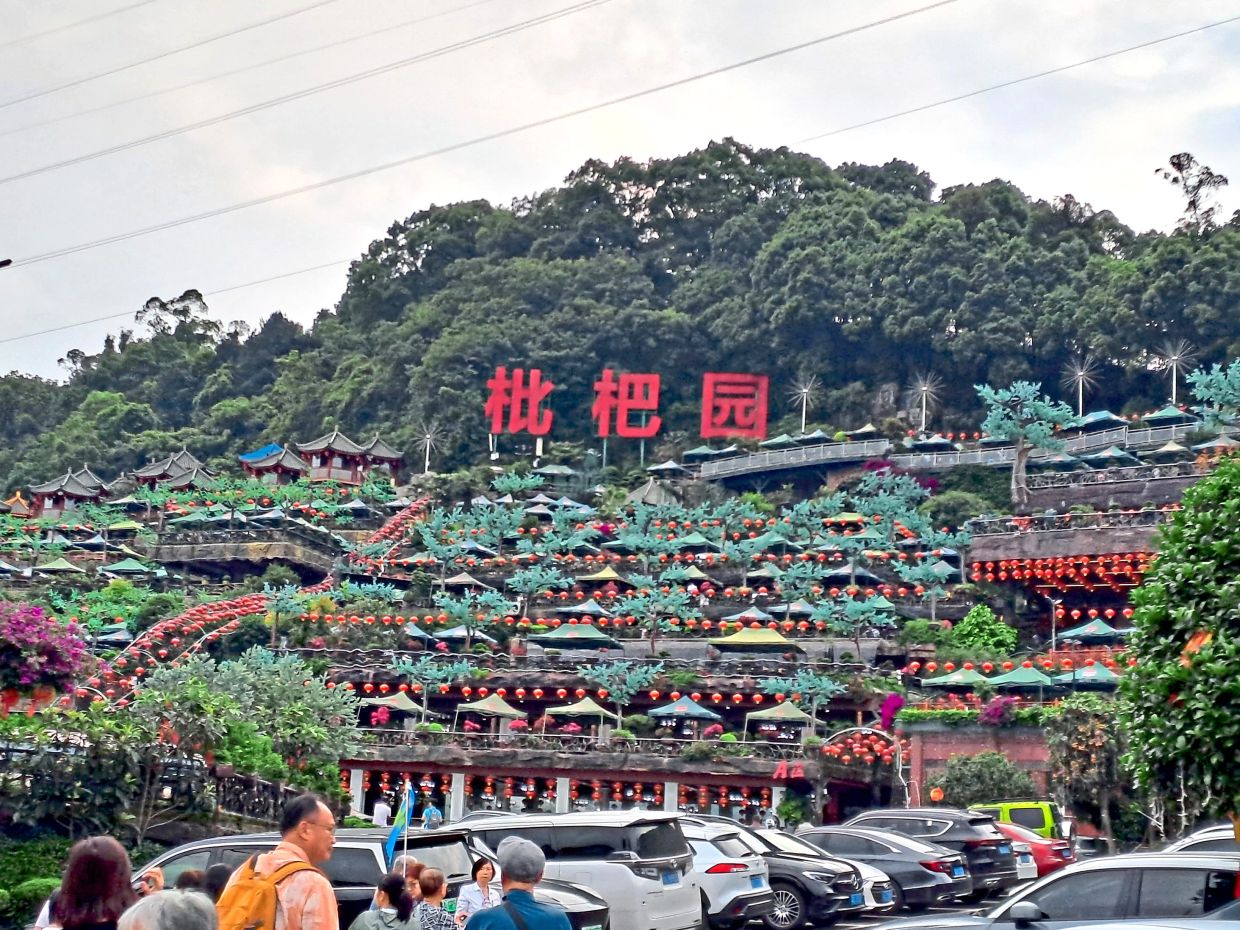
We zipped through the popular tourist spots – Liziba station, Hongya Cave and Guotal Arts Centre. What impressed me was the mala hotpot dinner at an 888-table restaurant called Pi Pa Yuan Shi Wei, located on a hillside. The spicy, tongue-numbing broth was served with lots of meat and vegetables.
Two hours’ drive away is Wulong, the location of the Three Natural Bridges, a Unesco World Heritage Site. Initially, I thought that we were going to see the kind of bridges that we usually see – just maybe a bit more attractive.
However, these “natural bridges” are stone arches that were formed from years of erosion between the karst hills.
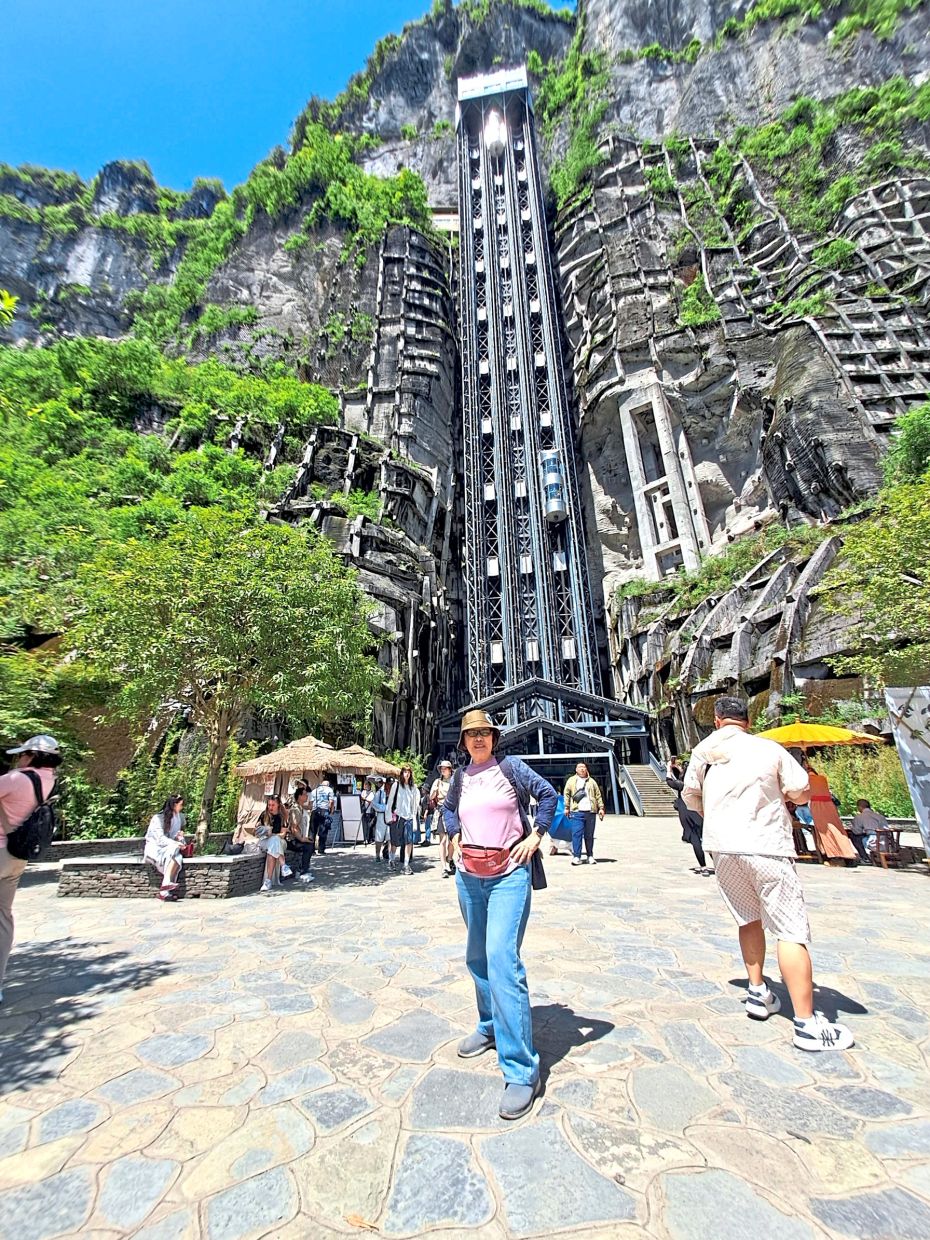
The three bridges are located at various locations and levels. We took a 100m-tall elevator that was built into the hill to the valley floor. From there we had to walk down many stone steps to view Tianlong Bridge, Qinglong Bridge and Heilong Bridge.
Each bridge has its own distinct look and names were given to match their appearances. Tianlong has two arches while Qinglong resembles a broad sword. Heilong is wide, long and high.
If you visit this place, take note that you would need to do a lot of walking – close to 15,000 steps! – for around two to three hours. It was gruelling for most of us, even with the aid of walking sticks. Thankfully, there were many rest areas so we could stop and take a breather when we had to.
Still, none of us took the alternative or “easy” way to descend: getting carried in a chair by really strong men, for a fee.
Once we got back to Chongqing, we boarded our river cruise ship at the Chaotianmen Pier. We did the classic Chongqing to Yichang river route. When the ship moved closer to the famous gorges, an officer made an announcement for us to get our cameras ready.
That was really helpful and we managed to get good views (and pictures) of the beautiful scenery. Qutang Gorge had dramatic cliffs, Wu Xia Gorge was beautiful and Xiling Gorge was the longest. The lovely landscape and clear green waters created a balmy atmosphere as we cruised past them.
I found the Lesser Three Gorges along the Daning river, a major tributary of the Yangtze, even more magnificent.
We transferred to a smaller boat to get up close to some dramatic rock formations. A local guide pointed out the special features of the canyons, notably the hanging coffins, an ancient practice of the Ba-Shu culture.
Inclement weather the following day – rain and fog – spoiled my much-anticipated visit to the Three Gorges Dam. Visibility was so poor that we went indoors to see the exhibits on the history and construction of the dam at the Tourist Area.
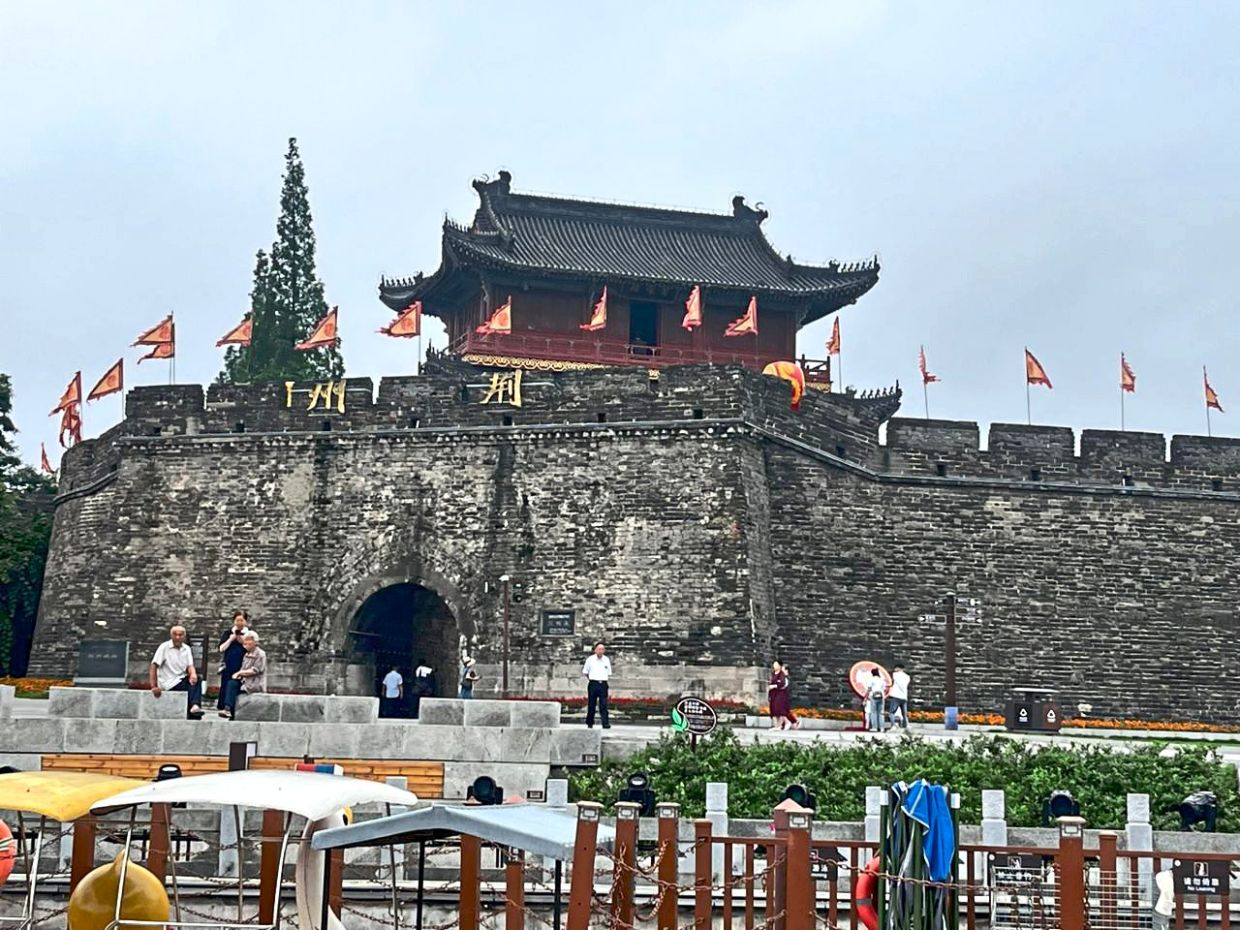
On the last leg of the tour, we learned a bit of history at the Jingzhou Ancient City, near Yichang. The walled city is massive with a circumference of 11km, fortified with outer moat, middle wall and inner wall. This was one of the battle grounds during the Three Kingdoms period (220-280 CE).
The Jingzhou Museum housed interesting artefacts and information on the turbulent history during the Han dynasty when warlord infighting and powerful generals ruled the day.
A temple was built here to honour one of the well-respected generals, Guang Gong or Guan Ti. Other characters in the Three Kingdoms saga like Liu Bei and Cao Cao were represented by life-sized figurines.
On reflection, the three varied sojourns in Chongqing, Wulong and Yichang were really intriguing. It more than compensated for my disappointing visit to the Three Gorges Dam.
The views expressed are entirely the writer’s own.