For years, I had known London, England as a small, square colourful board sitting on the dining table every game night. Mayfair, Piccadilly, Park Lane – these names lived on tiny rectangles. They were places to be bought, traded, or lost at the occasional unfortunate roll of the dice.
To see and visit these places in “real” London was an unexpected delight.
Being on the streets, it felt like my family and I were walking on the game board itself. My brother and I marvelled at the street signs, pointing out the names we recognised from the Monopoly boardgame.
There was something surreal about visiting a place I grew up reading in books but never thought I would visit. Now, I watched black cabs roll past, double-decker buses stop at red lights, and the Trafalgar Square WC2 Westminster street sign staring at me from the building across.
The first box to check off our list was Books for Cooks, a little shop that, as its name suggests, combines two of my favourite things, books and food. However, there’s something more to this place: the cooks would follow recipes found in the cookbooks sold in the shop.
I had been particularly looking forward to trying their vegetarian food. But when we got there, the shop was closed!
To console ourselves, we went to The Notting Hill Bookshop instead where I was amazed to see towering shelves filled with books of all sorts.
At the Churchill War Rooms, we stepped into a much darker chapter of the city’s history. Inside, we followed a long winding pathway with descriptions of rooms along the way. During World War II, British Prime Minister Winston Churchill and his government used the rooms to plan and coordinate the country’s war strategy while London was being bombed.
I read many quotes on the wall, about mourning loved ones and complaining about the difficult environment underground, but one struck me in particular. It described the War Rooms as a symbol of hope and resilience. While the city above endured the devastating impacts of war, the people below continued to work for a brighter tomorrow.
It made me wonder what it felt like, being in the middle of a war with the possibility that the walls could cave in at any minute, and the loneliness of being away from family and friends.
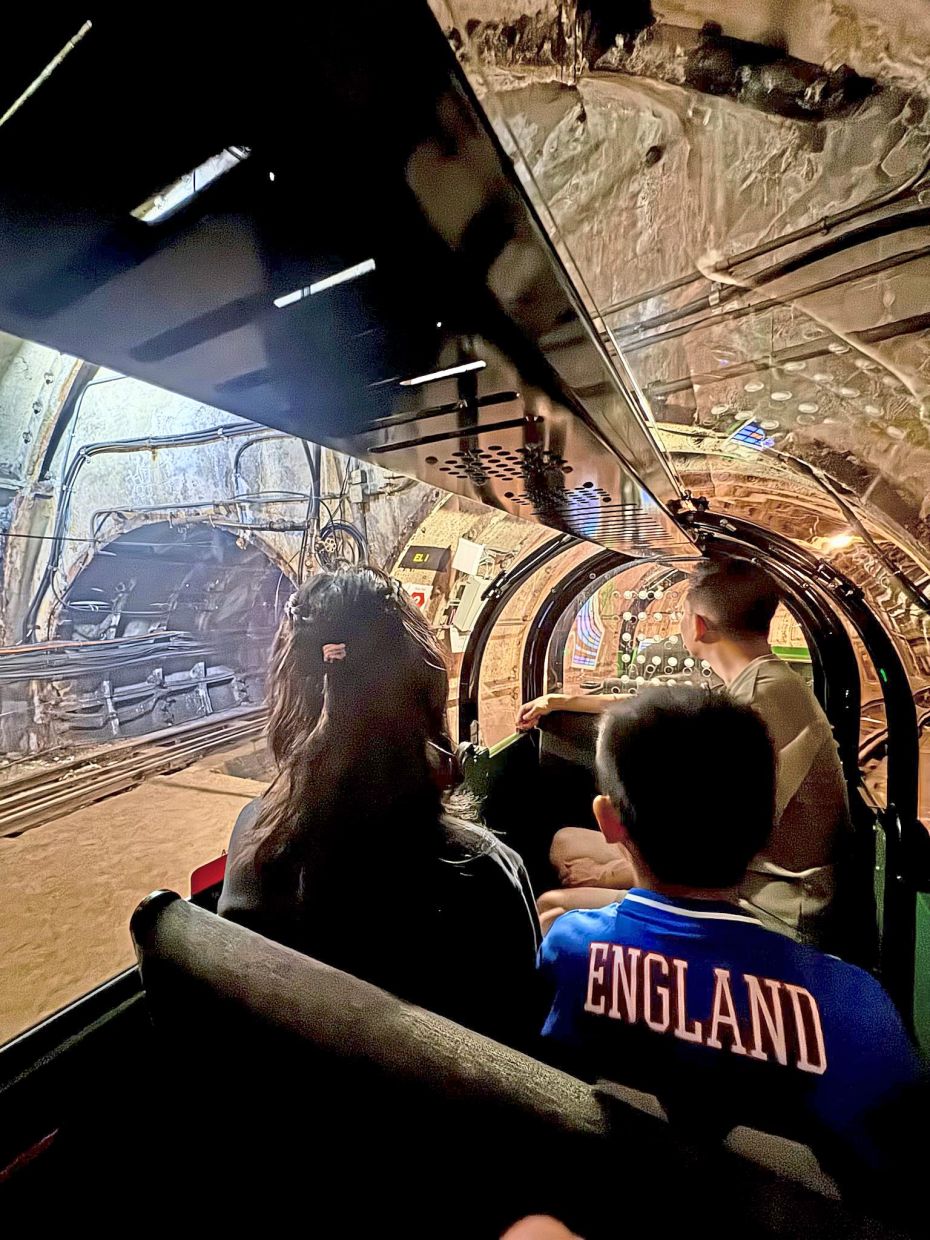
At the Postal Museum, we expected to be bored with old stamps and letters. Instead, we climbed aboard a small train resembling the postal trains that once whizzed beneath London. Rattling through the underground tunnels of the old Mail Rail, we felt like we were riding a “tame” roller coaster with limited leg space and a plastic dome roof brushing the tops of our heads.
Apparently, working in London’s Mail Rail in the 1920s was a highly sought-after job as sending letters and parcels became more popular after this system was introduced.
I discovered one of the strangest facts of the entire trip: people used to send bees through the postal system. Bees!
It was done for biological and beekeeping reasons. Apparently, people liked to send bugs, and dead wildlife (such as rabbits) through the mail because the post office allowed the shipping of certain live animals.
Our next visit was something very modern – Frameless an immersive art experience. It features four rooms, each with a different theme, and every room sees the walls, floors and ceiling transforming into an enormous moving artwork.
Instead of standing in front of a painting, I was standing inside one.
One room showcased paintings created with tiny dots, every minuscule circle building a masterpiece. When I walked into the room, dots from the painting were jumbled and lay on the floor. It was only when I walked on the dots that they fluttered and floated gently onto the walls, revealing the painting, dot-by-dot like puzzle pieces.
Lights were projected on the floors and walls and were touch-sensitive. When people ran across the dots projected on the floor, they would move and float up to the wall to create the original dot painting.
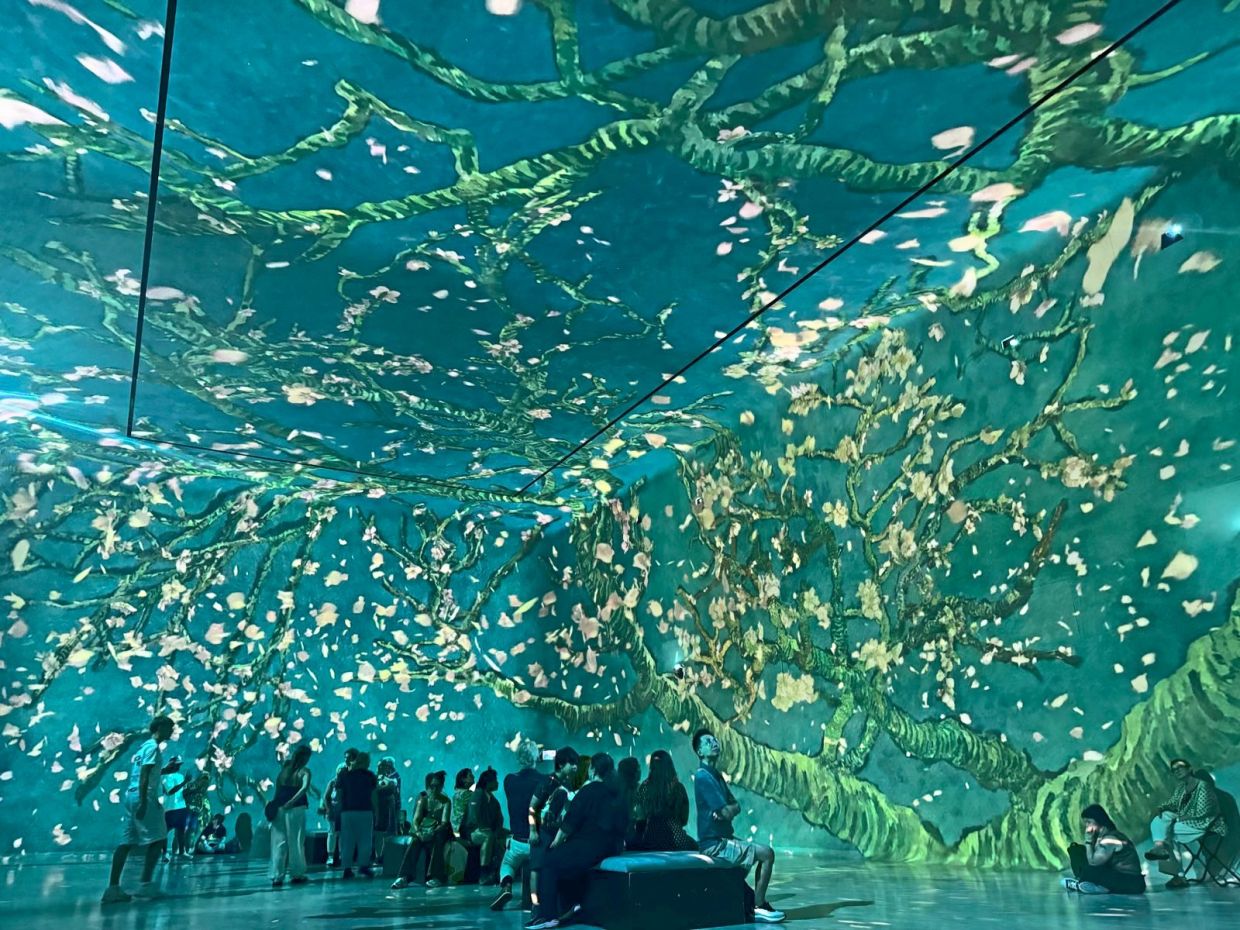
My favourite was The Elephants by Salvador Dali. It started as an orange backdrop, creeping up the white walls as slow ominous music began to play. Yellow started to creep in and soon it became a stunning sunset with hues of pink and red.
Echoey sounds of heavy footsteps filled the room and when I turned around, I saw the looming figure of an elephant with an obelisk on its back. It was amusing to watch the elephants wander from wall to wall. It made me forget reality for a moment.
Travelling around London was magical yet it was strange to recognise a place I had never visited. I knew the Monopoly board, not the city. Now, every time I see those colourful squares, I will probably think of the real places: the secret war rooms, the bees that used to be whizzed through the tunnel in postal trains, and the unnaturally tall elephants.
Perhaps that was the best part of the trip. I did not simply visit London; I stepped into a city I thought I knew and discovered that the real version was far bigger, stranger, and more fascinating than anything a small board could contain.
The views expressed are entirely the writer’s own.