
A rising number of hospitality operators in South-East Asia recognise that ESG (environmental, social, governance) compliance is vital for long-term business resilience. As such, many properties strive to get certifications from recognised international organisations that assess sustainability practices and programmes.
One such organisation is EarthCheck, an advisory group for the global tourism industry founded in Australia in 1987. An EarthCheck certification is a “science-based sustainability and benchmarking programme for hotels, resorts, and tourism operators”, according to its website.
Assessments are conducted against measurable performance indicators including energy and water use, waste management, greenhouse gas emissions, biodiversity conservation and community engagement.
Recently, the Ayana Komodo Waecicu Beach resort in Labuan Bajo, Flores Island, Indonesia received its “Silver” certification from EarthCheck for the second consecutive year. This puts the property well on its way to getting a “Gold” certification, which is only possible after getting two consecutive Silvers.
Water efficiency is one of the resort’s strongest-performing metrics. Based on the most recently-audited data (2024) its water usage per guest per night was approximately 13% below EarthCheck’s regional average, according to a press release.
This is thanks to a combination of measures by the resort, including low-flow fixtures across all taps and showers, night-time irrigation scheduling, daily leak checks, reusing roughly 22,079cu m of treated wastewater, and using desalinated water as its primary freshwater source.
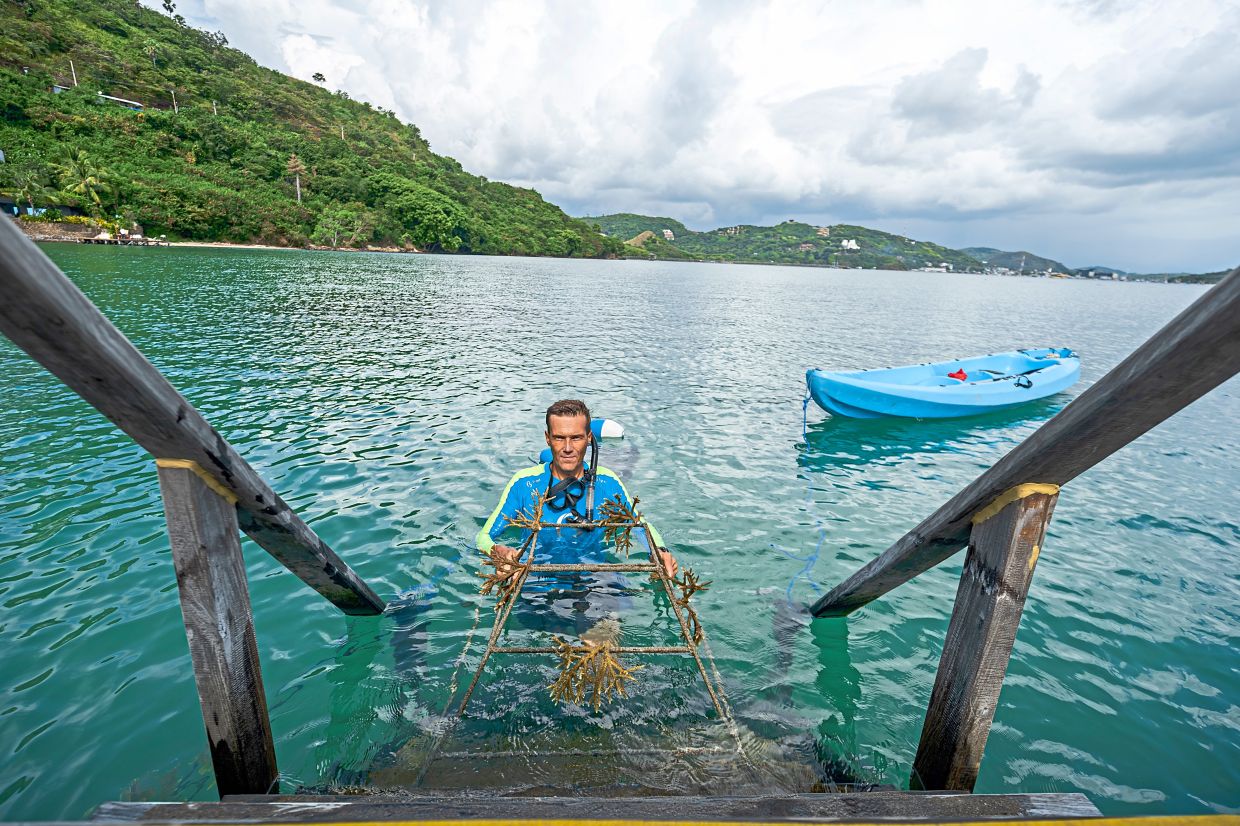
Its in-house, marine biologist-led Coral Reef Conservation Project that began when the resort opened in 2018, continues to expand. In 2025, the team planted more than 127sq m of coral across the property’s 10 restoration areas.
Guest participation is a key part of this progress, with over 4,500 people joining coral-planting activities over the years.
The hotel also works with more than 80 vendors across Flores Island for supply of produce, seafood and other goods.
Malaysia, too, has a few hotels and resorts with EarthCheck certifications. Most recently, Hyatt Centric City Centre in Kuala Lumpur received its first Silver for smart energy and water use, food waste tracking, locally-sourced food supplies, community engagements and more.
The Datai Langkawi meanwhile has an EarthCheck ECO Gold certification, which is given to eco-tourism operators.
Other sustainability certifications that tourism properties in Malaysia have earned include ISO Certifications (namely for environmental management systems and sustainable event management and occupational health), and EDGE (to measure resource efficiency).
Heritage preservation
Meanwhile, Sofitel Legend and Unesco announced earlier this week a global partnership that focuses on cultural heritage preservation. Through the collaboration, both organisations are “committed to raising awareness of local know-how, safeguarding living heritage and fostering deeper connections between travellers and the cultural identities of the destinations they visit”, according to a press release.
The partnership will also focus on biodiversity conservation, supporting the protection of wildlife, flora and living landscapes, in collaboration with the Unesco Biosphere Reserves.
It formalises a shared ambition of strengthening the role of hotels as gateways to local heritage and cultural discovery. For example, hotels will support local communities and businesses by engaging with artisans, creators and heritage experts that are recognised by Unesco.
The hotels will also run events including cultural exhibitions and workshops as a way to educate and inspire travellers.
Sofitel Legend properties around the world are mostly located near Unesco World Heritage Sites, including the Canal Ring in Amsterdam (the Netherlands), the fortified city of Cartagena (Colombia), the Casco Viejo in Panama City (Panama), and the Imperial Citadel of Thang Long in Hanoi (Vietnam).
“Our alliance with Unesco reflects a deeply held belief: luxury hospitality must extend beyond accommodation to become a true bridge between cultures,” said Maud Bailly, CEO of Sofitel Legend, Sofitel, MGallery & Emblems in a press statement.
“Heritage lives through the communities that carry it forward. This partnership reflects a shared ambition: making tourism a driver of heritage preservation and local development,” added Julien Pellaux, director of partnerships for Unesco.

The partnership will begin at Sofitel Legend Metropole Hanoi, which celebrates its 125th anniversary this year. One of the programmes revolves around coffee, an important commodity in Vietnam.
In 1946, a bartender working at the hotel created the first ever “egg coffee”, which is popular today. Inspired by this heritage and the country’s rich coffee culture, the hotel will offer a coffee meditation experience led by experts from a local coffee brand.