
Thomas Weber ditched life in front of a screen and grabbed a pair of rubber boots instead.
As a young fisherman in Germany working on the Moselle River, his job involves back-breaking work. And his aim is no less than to create a future for the job to boot.
Plus, he has set himself a particularly thorny challenge, namely how to use a bony fish few others take the trouble to prepare.
Each morning at 7am, Weber heads out onto the Moselle in his small motorboat and sets his nets. At that time of day, the air smells fresh and the breeze clears his head, as waves lap rhythmically against the hull.
Here, rocking gently on the water with vineyards rising up beside him, he has plenty of time to think. It was also here that he once dreamed up the idea of an “Adventure Day with the Moselle Fisherman”.
Now, he invites tourists onto his boat, takes them out to the river where they lend a hand.
Afterwards, they all eat together.
A river tour
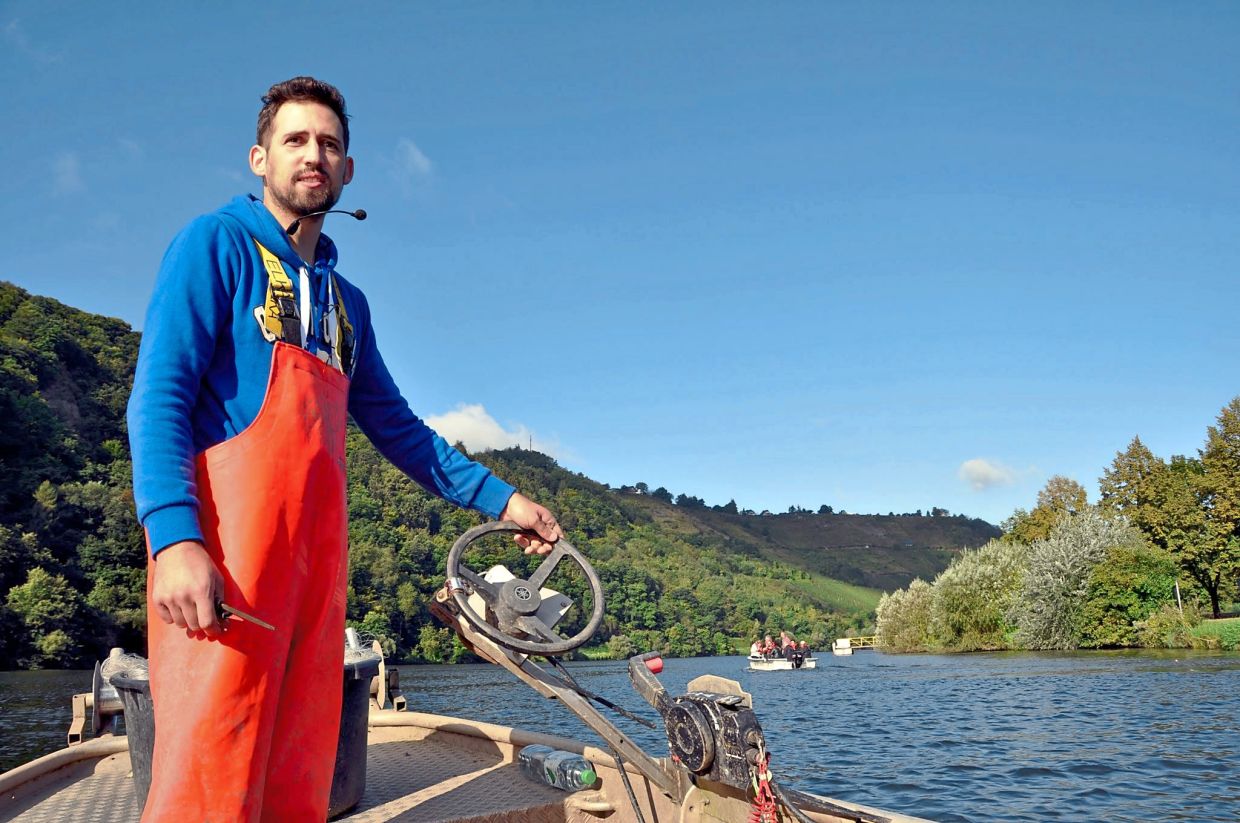
Here on the bank in Minheim, the certified professional fisherman clad in orange fishing pants is waiting for his guests.
Once they arrive, Weber hands around brightly coloured rain gear, brand-new life jackets, and receivers with headphones so no one misses his explanations as he speeds along the river.
Children are also welcome to come out on the fishing boat “... to see where fish actually come from,” says Weber. “After all, that is exactly the point of farm vacations.”
This day, however, only adults are rocking in the boat as it bobs along. It has no name, just a list of letters and numbers. This is business.
Nor is there shelter from the weather, not even benches.
While a visitor from Berlin enthusiastically revs the engine at the helm, the other guests shelter from the wind.
Fishing is a practical business so the focus is not on the dreamy beauty of the river, romantic though it is. The guests on board all gaze admiringly at the elegant rows of vines that flow up from the river in meticulously straight rows.
The sun breaks through the clouds at the very moment Weber demonstrates how he sets his nets.
On a typical day, he sets out up to 60 in the morning though he catches little before afternoon.
“We used to come home with 100kg or 200kg of fish; today, I’m lucky if I catch 20kg of roach,” he says.
“Yet the biomass in the river has remained the same. The problem is the fish species that don’t belong here.”
Weber drags the anchor along the riverbed to locate one of his 130 fish traps, tube-like mesh nets that stay in the water for two weeks.
A professional fisherman, he uses them primarily to catch eels for the Rhineland-Palatinate Eel Conservation Initiative. The aim is to protect the creatures as they spawn from the hydroelectric power plants on the Moselle, to protect the species.
But even from the very first net Weber hauls aboard, more gobies than eels slip into the bucket.
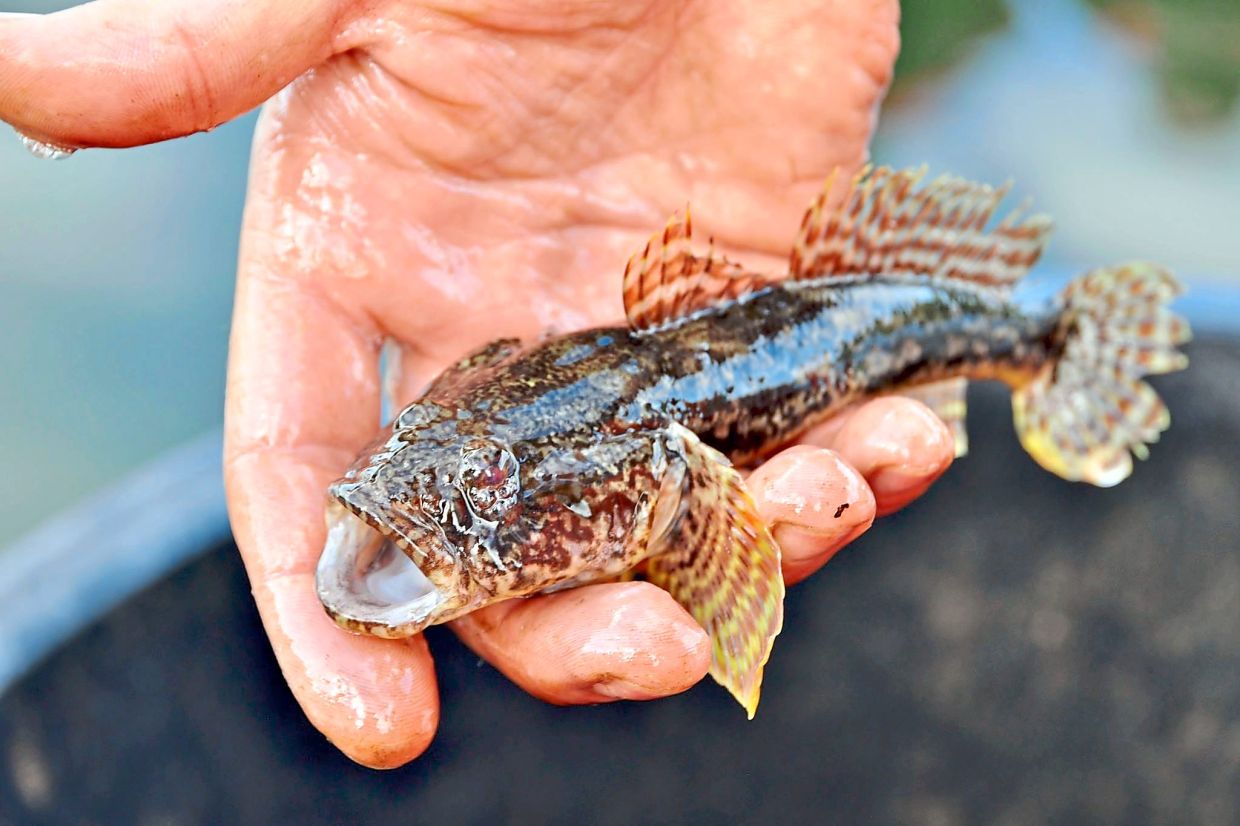
The black-mouthed goby (Neogobius melanostomus) – also known as the round goby – is a species originally native to the Black Sea and it is considered extremely invasive. It reproduces rapidly and mass numbers of them have been found in Germany’s major rivers for years.
Although the round goby – which looks a little bit like a swimming mini-dragon with a snapping mouth – is technically edible. However, it’s so small and full of bones that few anglers, and certainly no restaurant, would go through the trouble of cleaning and cooking it.
Weber vigorously rolls up the sleeves of his hoodie. The sheer numbers of the goby bother him. Given the lack of demand, he has to throw them away by the kilogram.
That eventually led him to decide to make the goby the second pillar of his overall idea: His own restaurant.
Fish first, eat later
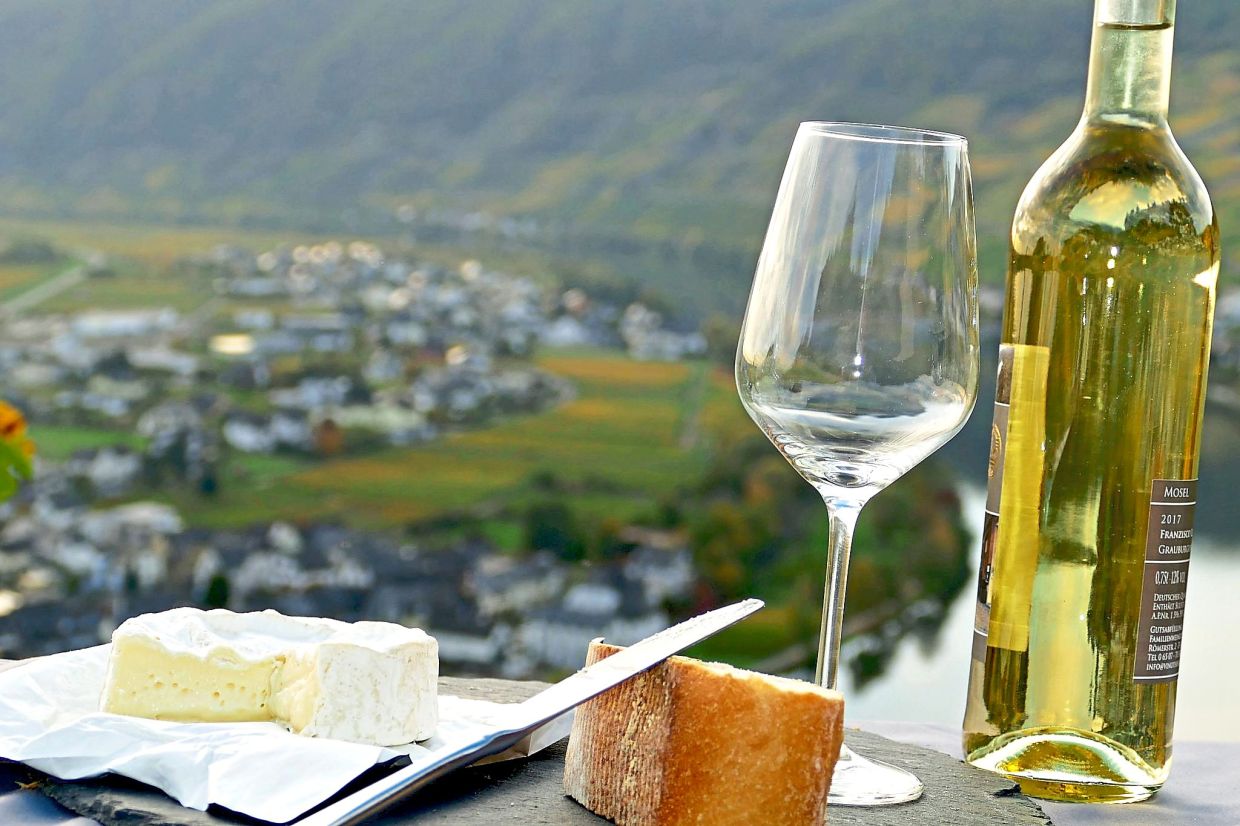
At the restaurant called Zum Moselfischer, right on the stretch of the Moselle that Weber leases in the wine-growing village of Trittenheim, Weber ends the days with his river tour guests chatting over wine, fresh fish, and other regional products.
The principle at the restaurant is simple and sustainable: Every fish that is caught is used.
For less popular species like the goby, the amateur chef has come up with all sorts of creative recipes, from smoked fish mousse to tarte flambée and kibbeling, a Dutch treat made of bite-sized chunks of fish dipped in beer batter and deep-fried.
Weber loves his job, working alongside and within nature. He didn’t want to let the family business, founded by his grandparents in the 1970s, die out.
He got creative instead and that works perfectly with the Fascination Mosel culinary initiative, a campaign run by the region to attract tourists. Concerned that the area was seen as out of date, it seeks to draw visitors by highlighting regional specialities such as Riesling or Mosel vineyard peaches, local cheese and gin.
It’s not just the Moselle as a tourist region that has an image problem. Fishing does, too. Often, Weber says people cut open his nets, or falsely alert the water police when he uses electric fishing to cull predators or catch eels for the animal welfare project.
His aim on his tours on the rippling river is to educate tourists about the Moselle ecosystem.
“I want to show that we fishing professionals are helping to preserve this ecosystem and that we’ll face real problems if there’s no one taking care of it.” – dpa