The first thing that caught our attention in Betong, Thailand wasn’t a temple, a market or a scenic viewpoint. It was two enormous yellow chicken statues keeping “watch” over a road junction.
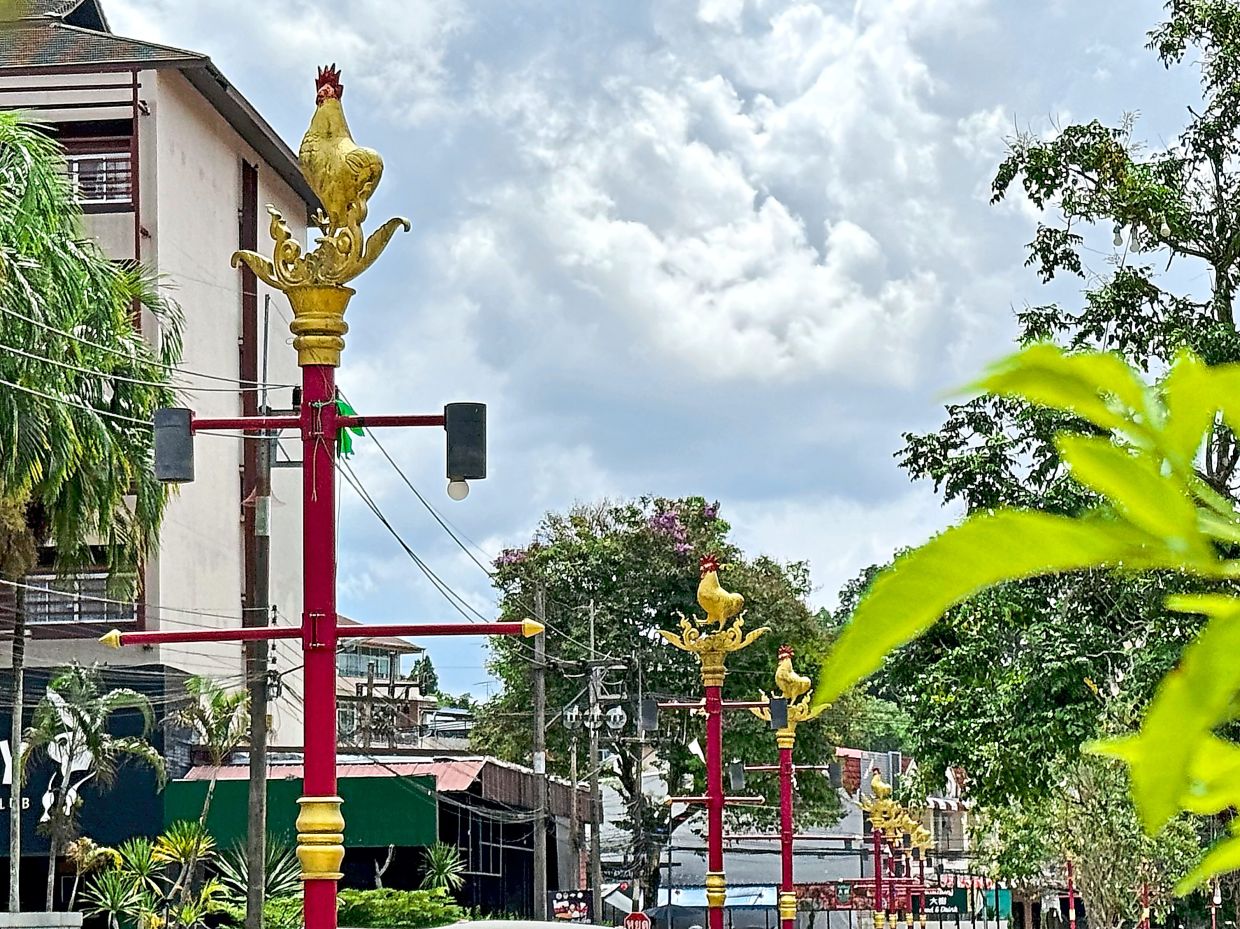
My friend and I didn’t think much of it. We’d come across our fair share of unusual attractions while travelling, so we simply drove past them. It wasn’t until we noticed chicken sculptures perched on the nearby lamp posts that we decided it was worth looking into.
We asked the owner of a local eatery, where we had stopped by for a plate of delicious crispy pork rice, about the town’s fascination with chickens.
Apparently, the two giant statues we spotted earlier (aptly called “Betong chicken statue tourist attraction”) weren’t just quirky roadside decorations. They were made in honour of the Betong chicken, a local breed that is the town’s pride and symbol.
It’s no surprise then that Betong is famous for its chicken dishes. From chicken rice to chicken porridge, you can easily find a chicken dish anywhere in town.
Located near the Malaysian-Thai border, Betong is a convenient getaway for many Malaysian roadtrippers. It’s a five hour drive from Kuala Lumpur, or around 380km.
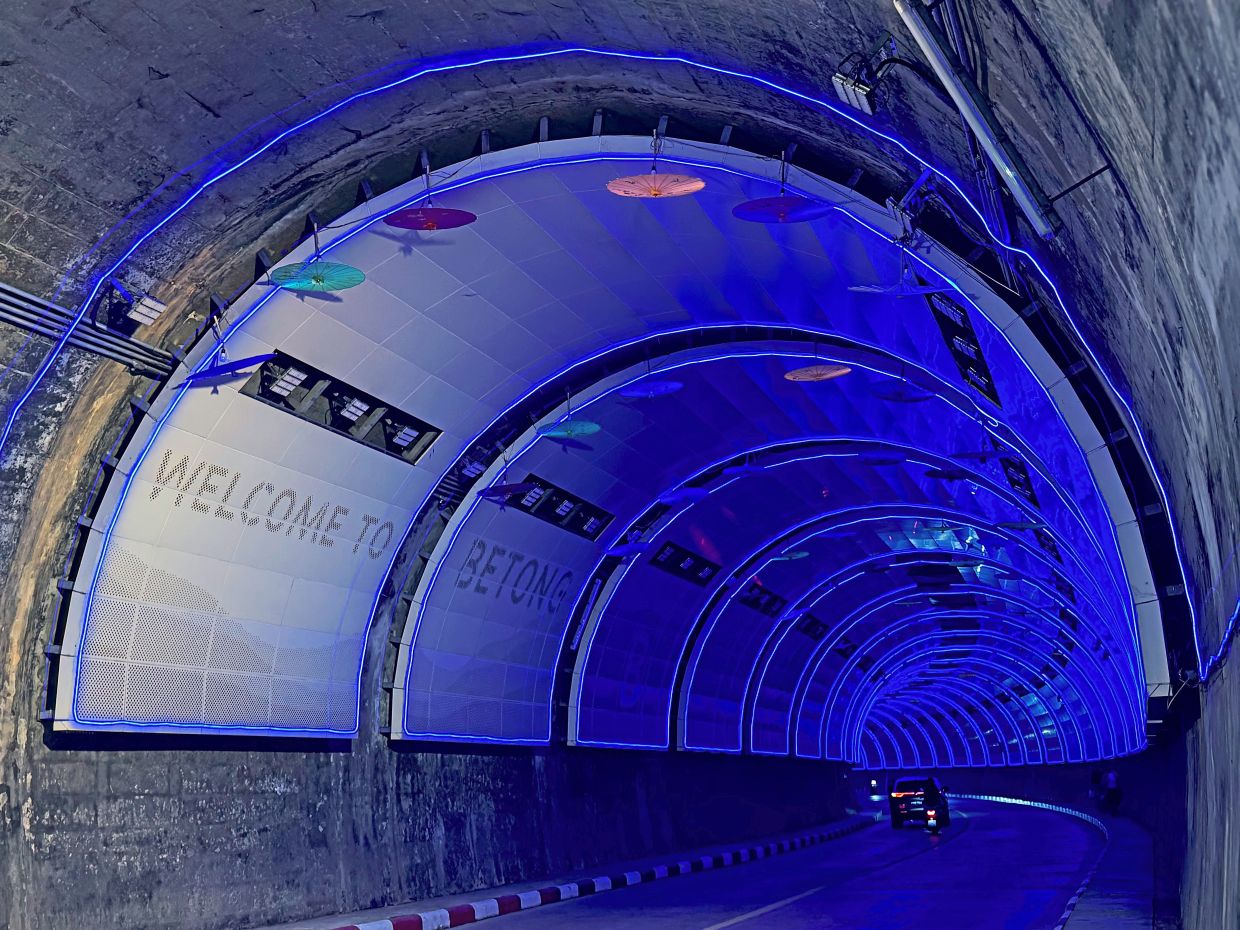
We drove past the Mongkollit Tunnel, which is Thailand’s first mountain tunnel that was built in 2001, according to the Tourism Authority of Thailand. The tunnel was nothing spectacular ... or so we thought.
In the evening, the tunnel was glowing with bright blue lights. Visitors filled the pedestrian walkways on both sides, some taking photos while others admiring the illuminated tunnel.
Walking through history
We didn’t plan much for this trip. Apart from booking our accommodation and making sure we visited Piyamit Tunnel, we did not have any sort of itinerary. Instead, we wanted to see where the town would take us.
It turned out to be the best decision.
Piyamit Tunnel is a 1km-long tunnel located about 15km from Betong town. It was constructed in the late 1970s and formerly served as a base for the Communist Party of Malaya.
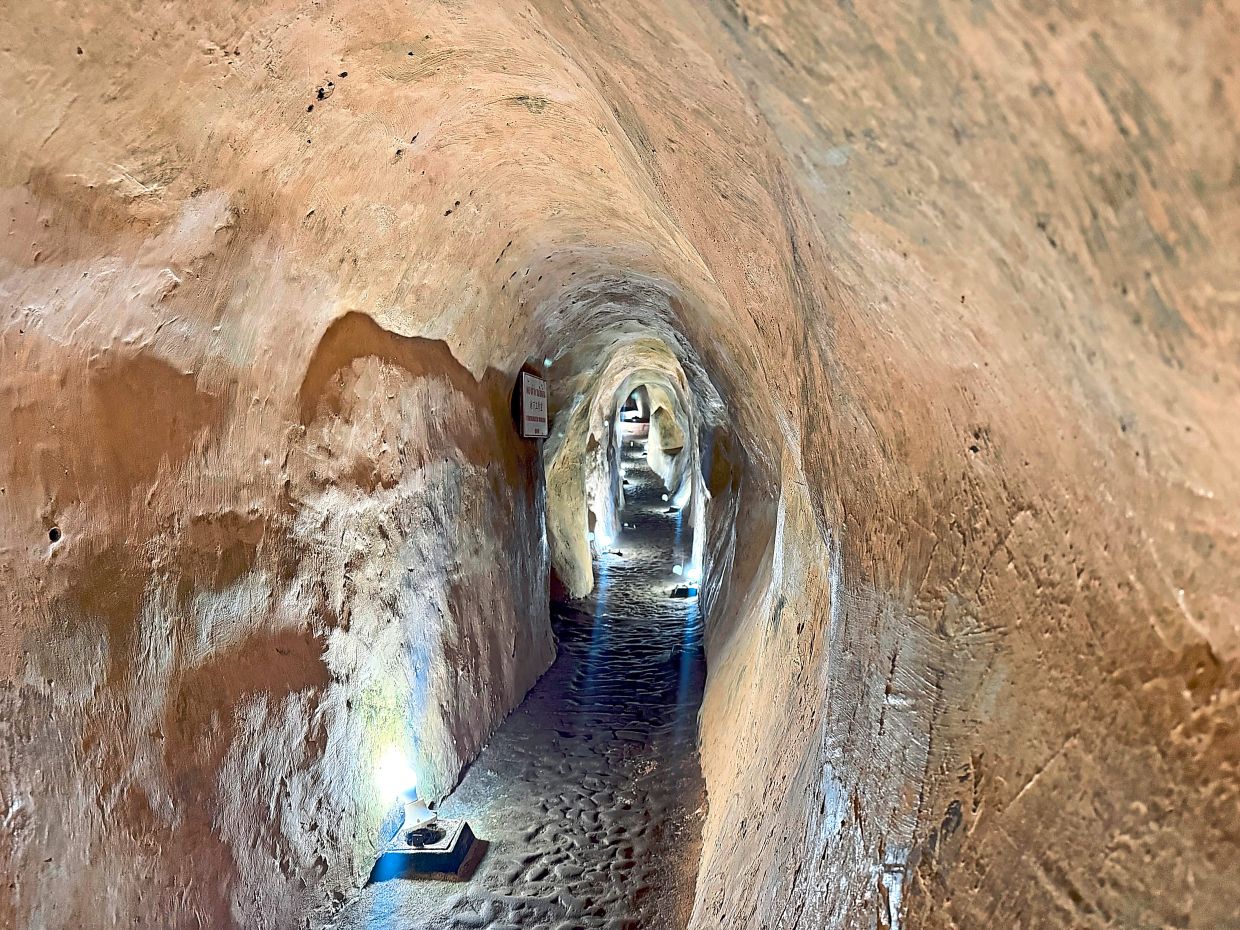
Hidden deep within the jungle, it was once an air raid shelter, a storage area and even an escape route during attacks.
The tunnel originally had several entrances and exits, allowing guerrilla fighters to flee in different directions. But today some have been sealed for safety reasons.
After purchasing our tickets at the visitor centre, we walked for about 15 minutes along a covered pathway before reaching the tunnel.
Upon arrival, a staff member suggested we visit the Piyamit Histories Museum first. The small museum displayed historical photographs and artefacts which documented the lives of the communist fighters who once lived in the surrounding forest.
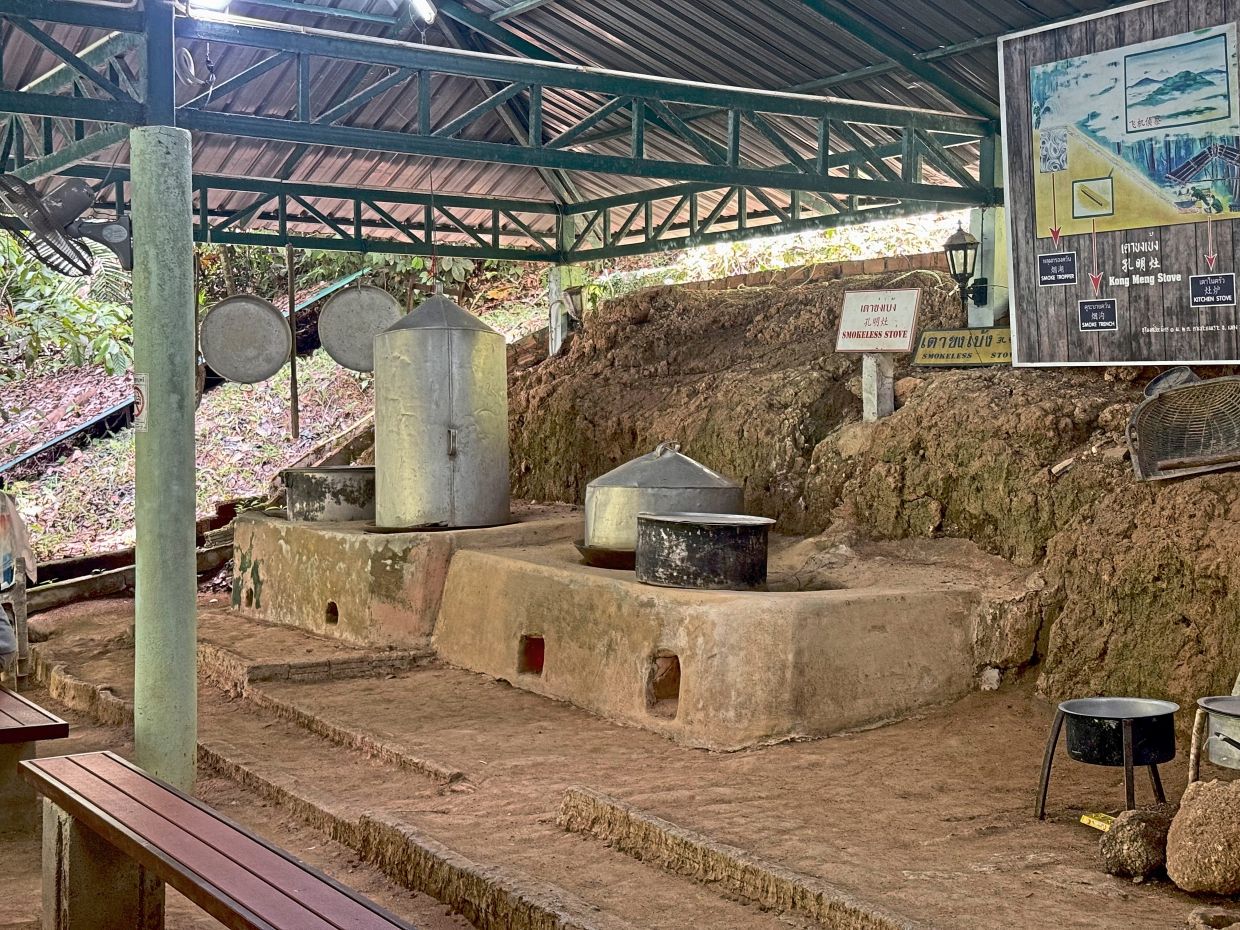
Outside the tunnel, we came across the old outdoor cooking area. There was a specially- designed cooking stove which helped conceal smoke from the charcoal fires by channelling it underground. This made it harder for enemies to detect the camp.
The walk through the tunnel was straightforward. We passed sleeping quarters, rooms where meetings were held and radio communication rooms.
If you’d like to learn more about this chapter of history, visit the Chulabhorn Phatthana Village 9 in Mae Wat, about 120km from the Piyamit Tunnel. Once home to former members of the communist party, Chulabhorn is now a cultural spot, where visitors can learn about life after the insurgency.
Just walk
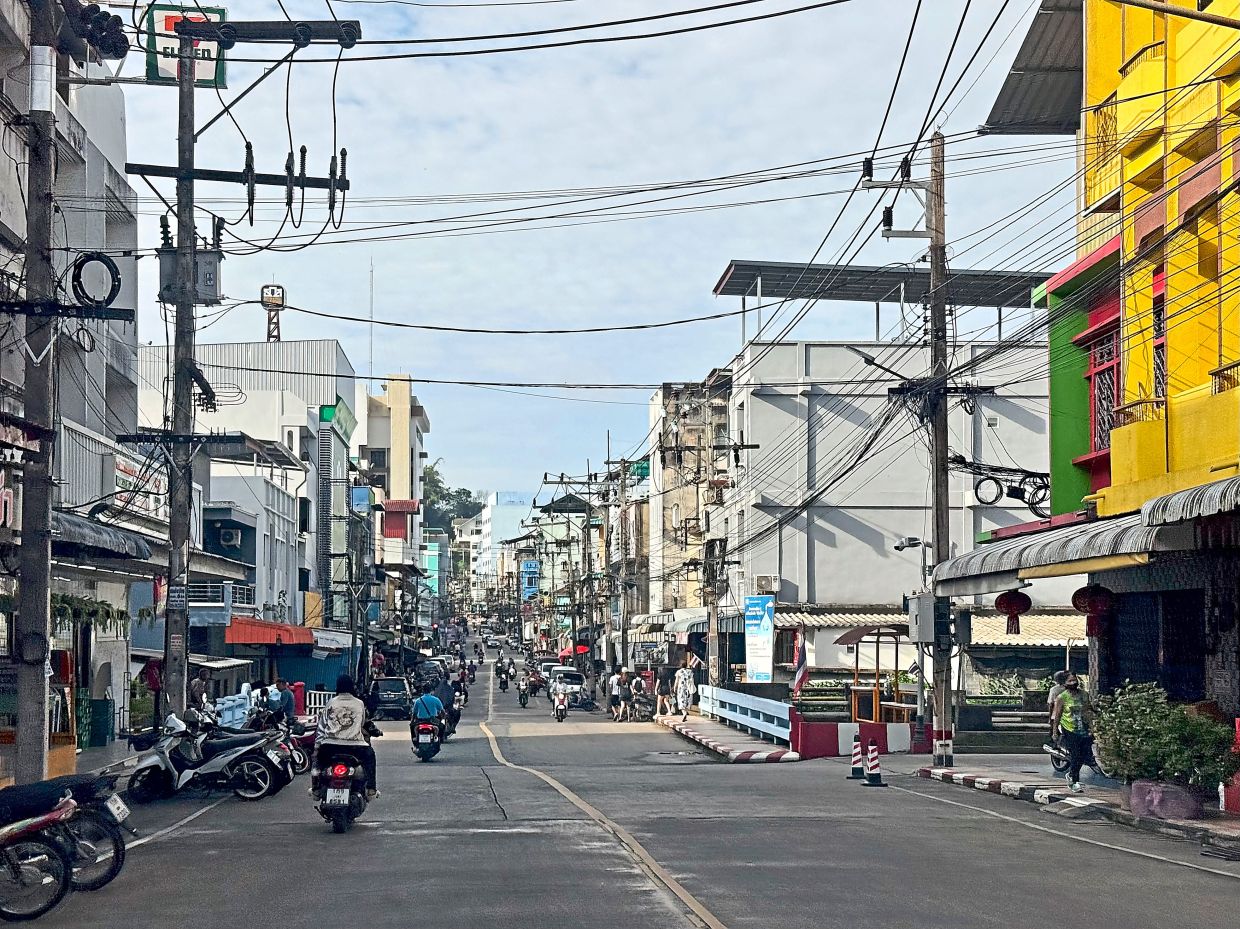
One thing we came to appreciate about Betong was how easy it was to explore on foot.
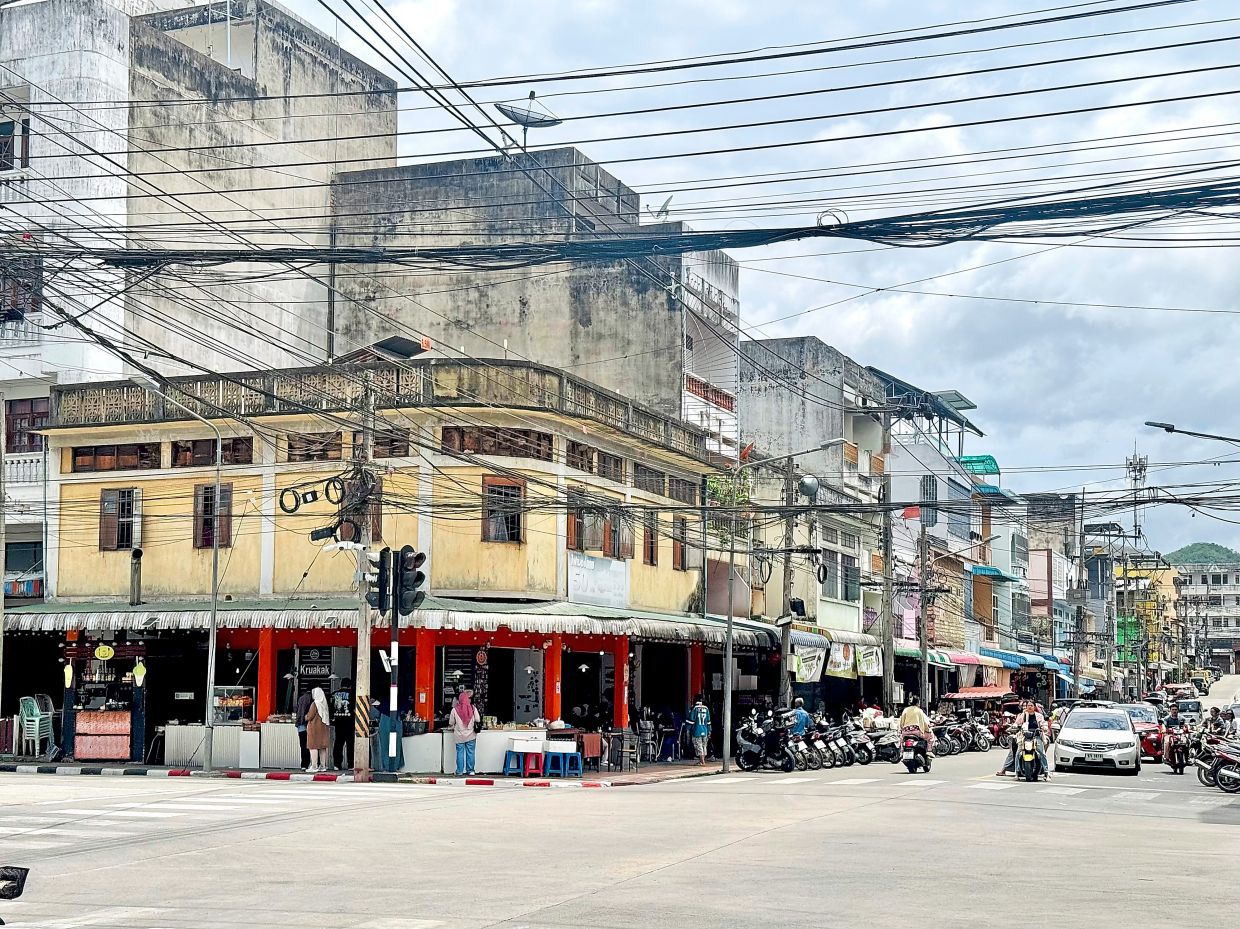
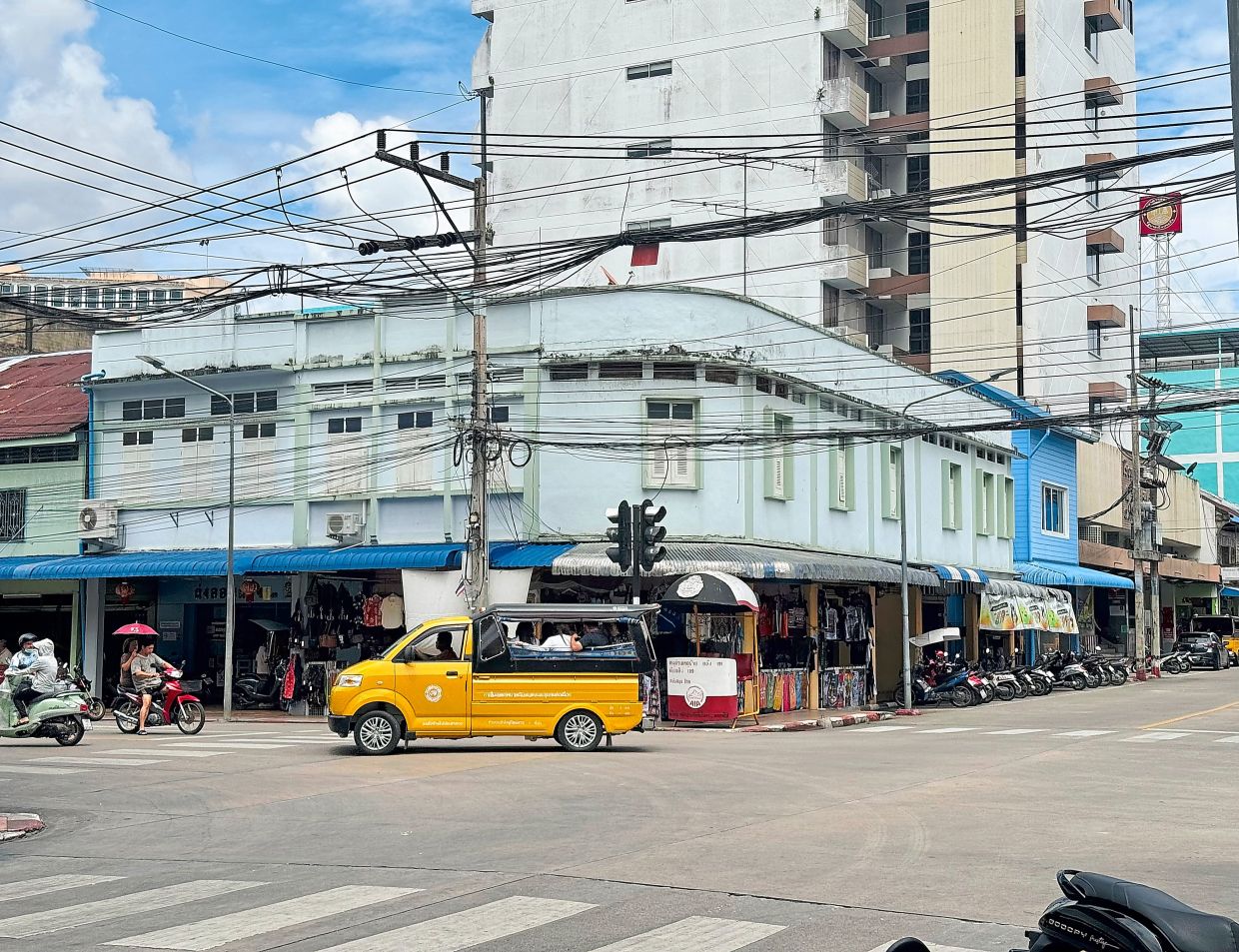
If you’re staying in the old town, most of the interesting places are within walking distance. While you can drive around, it is actually not that easy to find parking spots.
A friendly local shared a useful tip: The colour of the kerb tells you whether parking is allowed. Black and white means you can park there, while red and white means you can’t.
We happened to stay along Route 410, also known as the Pattani-Betong Highway. Stretching about 160km, the scenic road is popular among bikers for its steep climbs and winding corners through mountainous terrain.
We saw groups of bikers gathering outside a shop called Betong Route 410, which sold everything from T-shirts and stickers to custom Thai-style number stickers.
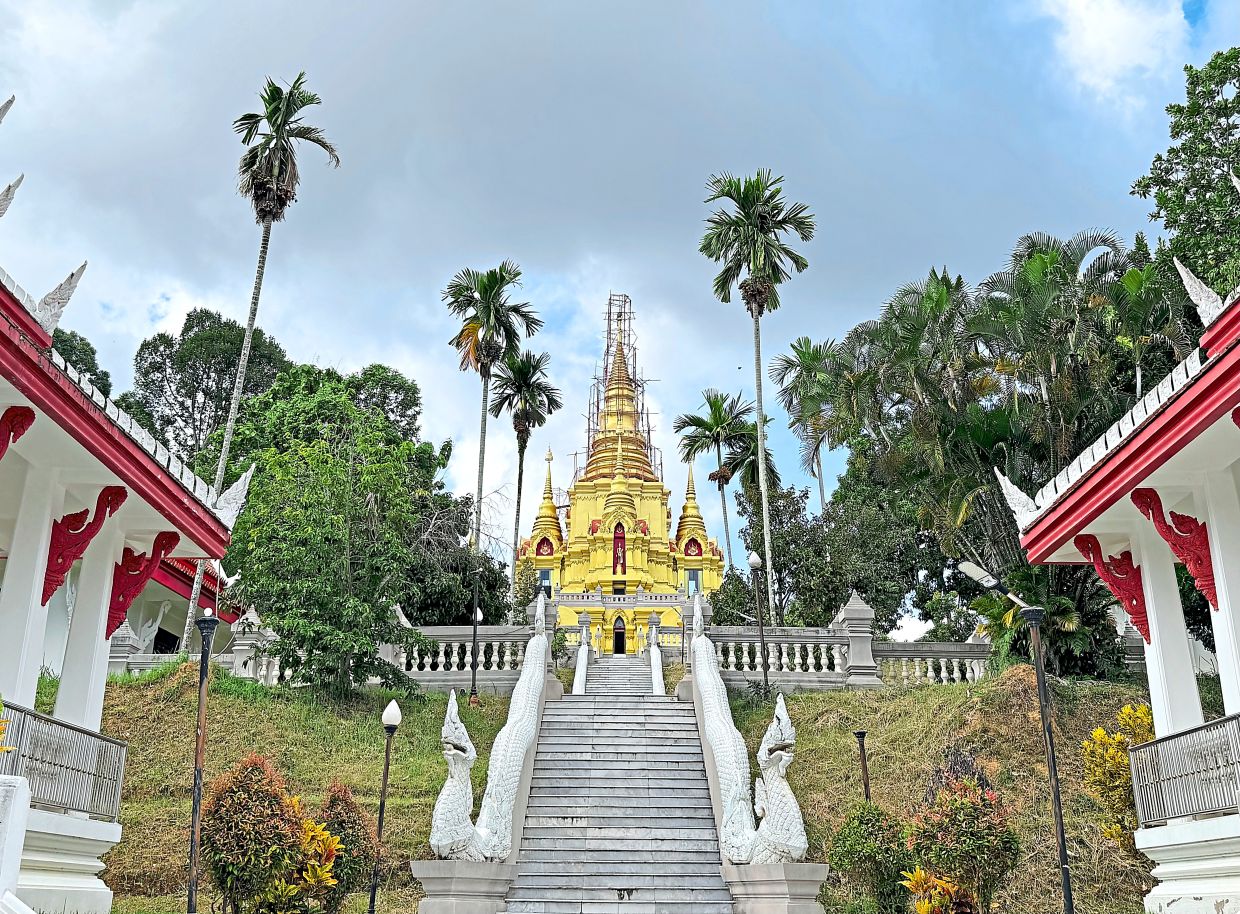
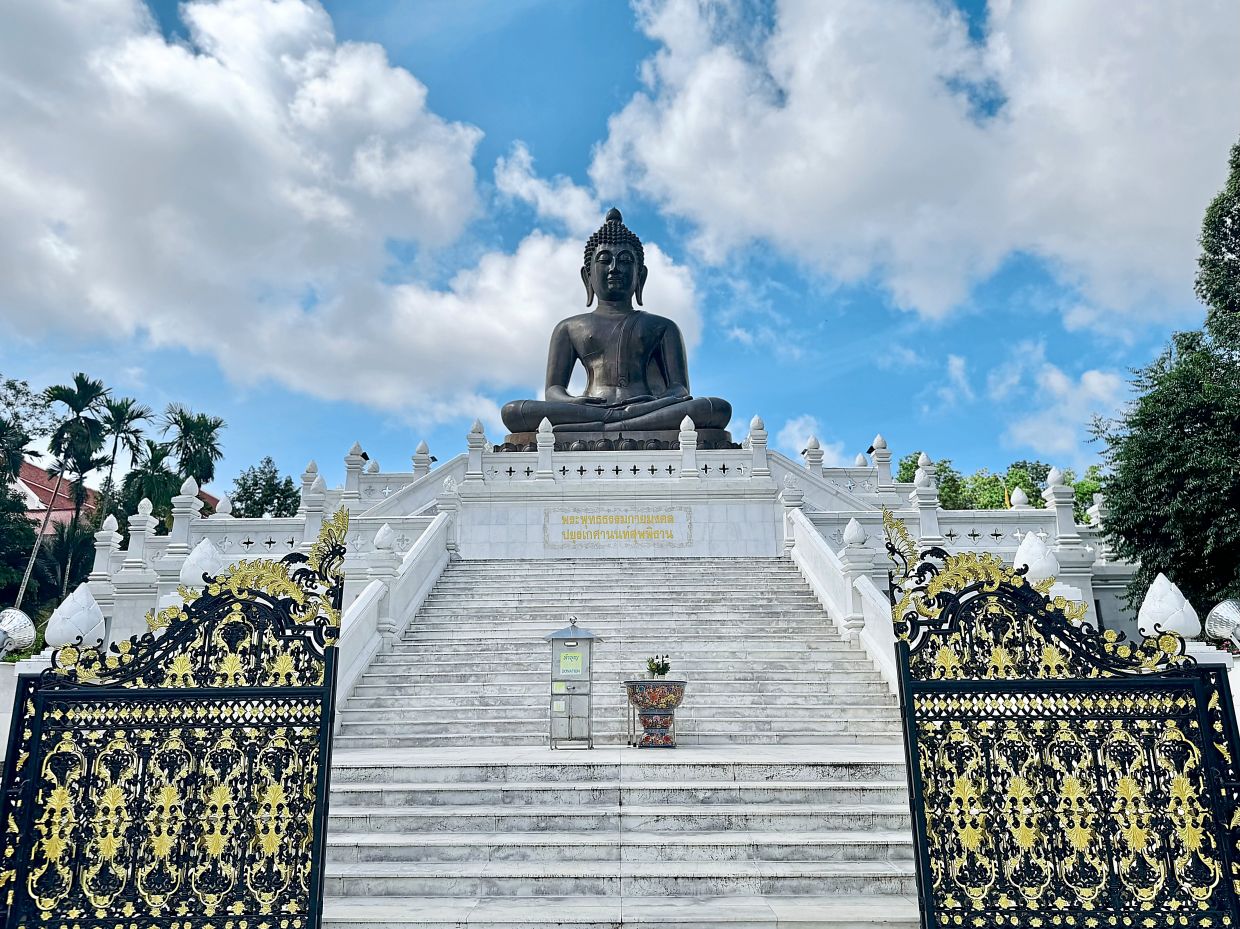
Not far from there was Wat Phutiwhat, also called Wat Phuttha Thiwat, a temple. A towering bronze Buddha statue stood at the temple entrance, overlooking the town. The place also housed Buddha relics.
You can visit the place, but you may want to go early in the morning to avoid the crowds.
Just when we thought we had uncovered most of Betong’s quirky sights, another surprise awaited us.
Most mailboxes in Thailand are roughly the height of an adult.
In Betong, however, you’ll find not one but two oversized versions that have become local landmarks.
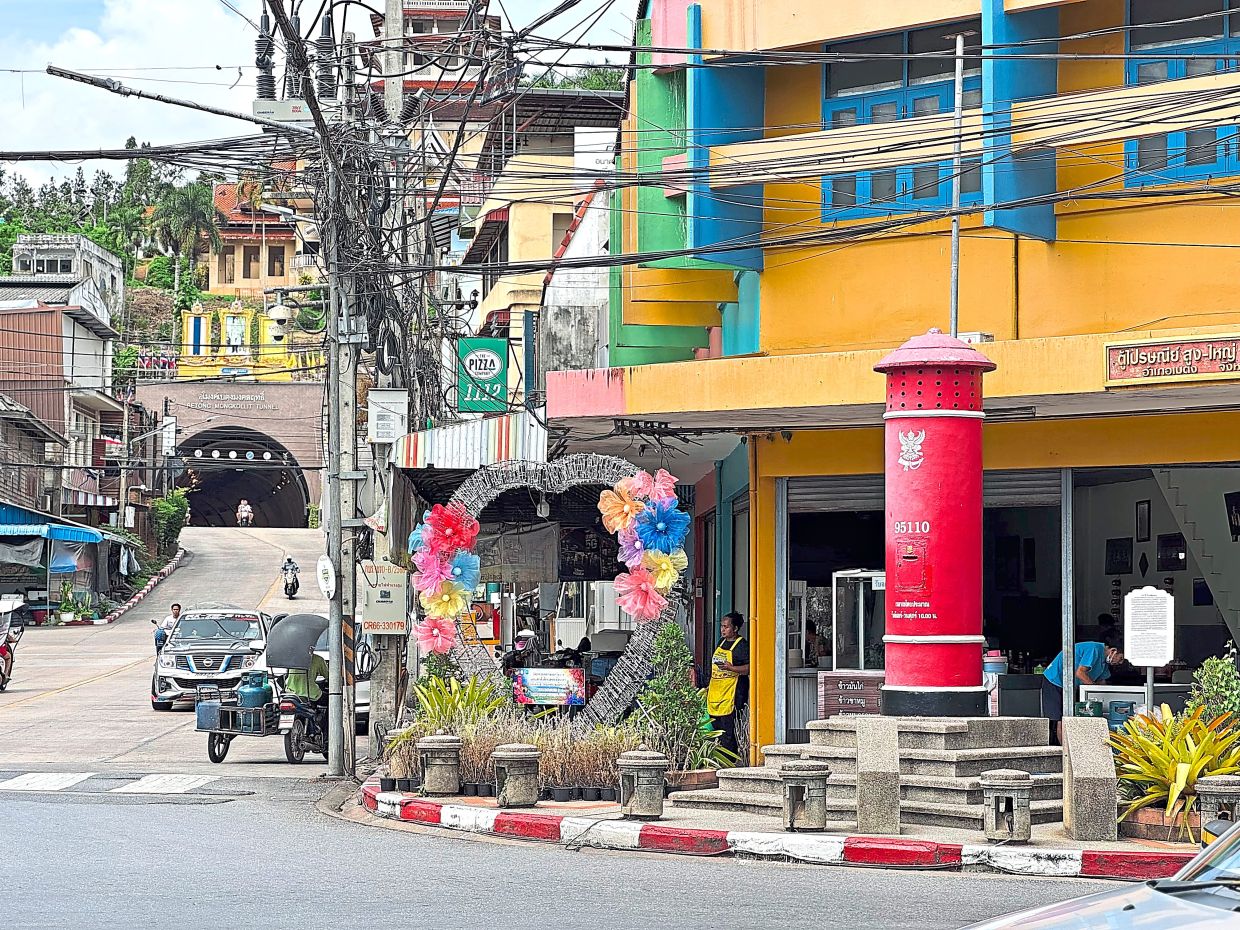
The original, which stands at 3.2m tall, is located near the Betong Clock Tower and dates back to 1924. It once had a built-in loudspeaker that was used to broadcast important announcements from the government to residents. The mailbox is still being used today.
A 9m-tall replica was later built as a tourist attraction, located outside the City Convention Hall along Sukyang Road.
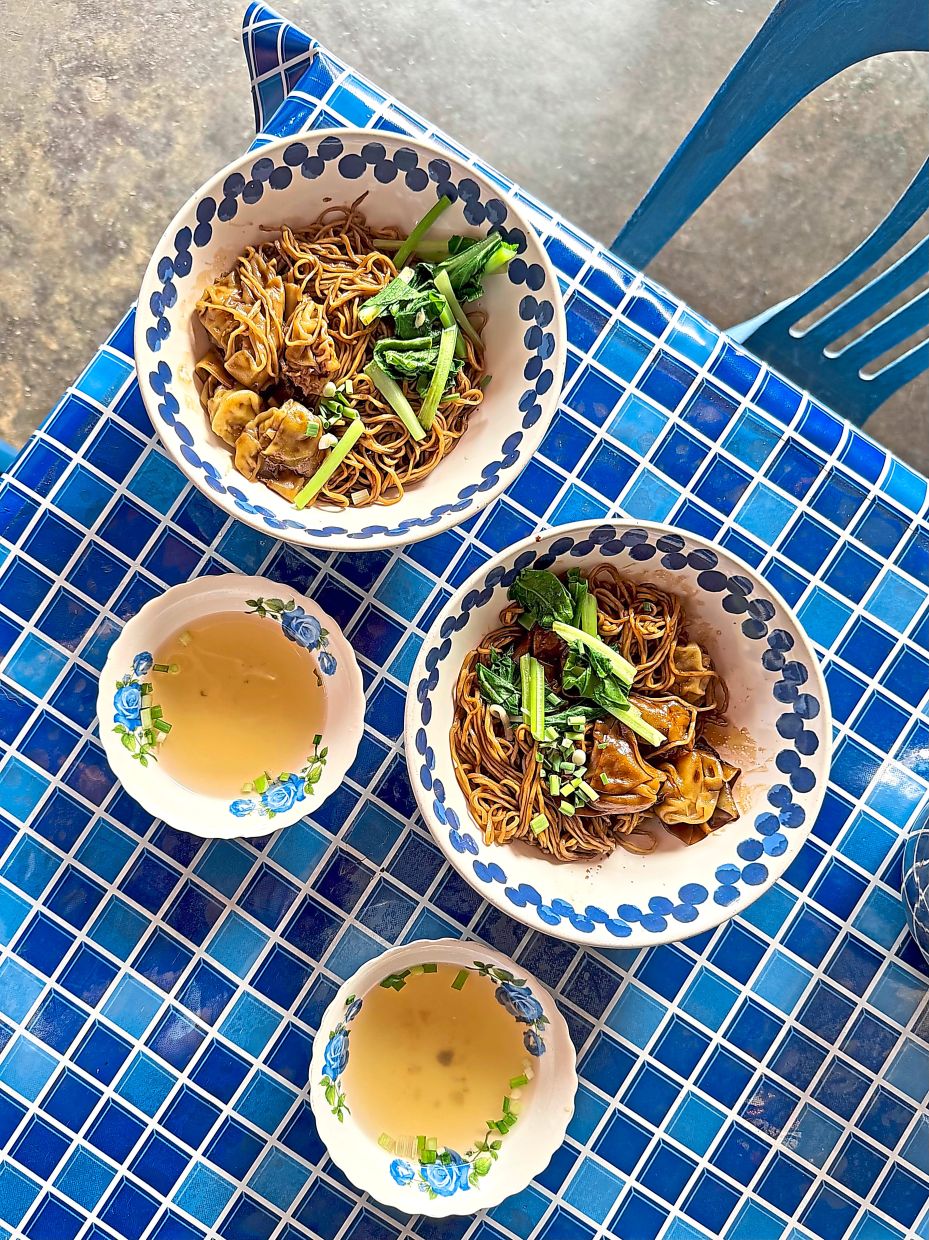
One of the best things about Betong is the food – you’ll never run out of places to eat here. We wandered into a coffeeshop and ordered “Thai-style” wantan noodles. Compared with the Malaysian version, the Thai version seems lighter and more savoury.
We couldn’t get enough of pathongko, Thai’s version of youtiao. While many Malaysians enjoy the fried dough on its own or dipped into kopi O, it is commonly served with pandan kaya in Thailand.
Seafood lovers will also be delighted to know that fresh seafood is affordable in Betong. From the night market to local restaurants, you can feast on a variety of seafood dishes and local favourites without breaking the bank.
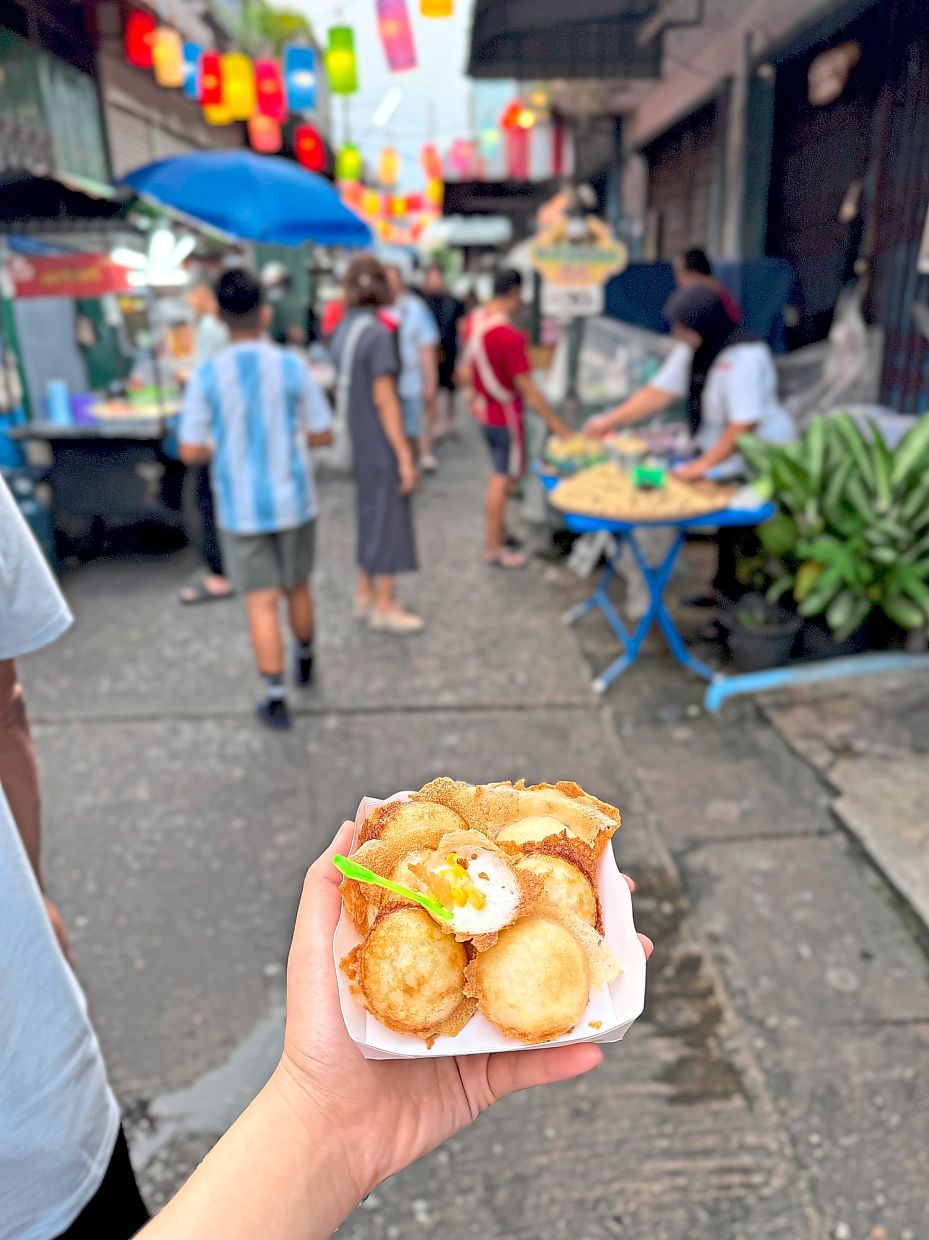
As for dessert, don’t leave without trying kanom krok – bite-sized coconut pancakes that are crispy on the outside, and soft and creamy inside. We found some of the best ones at the night market.
Beyond its food, Betong is also seeing a growing cafe culture.
Our favourite stop was Keeree Coff, housed in an abandoned building near the Mongkollit Tunnel. Head up to the rooftop seating area and you’ll be rewarded with sweeping views of Betong town, the perfect place to enjoy a cup of coffee before calling it a day.
A weekend getaway
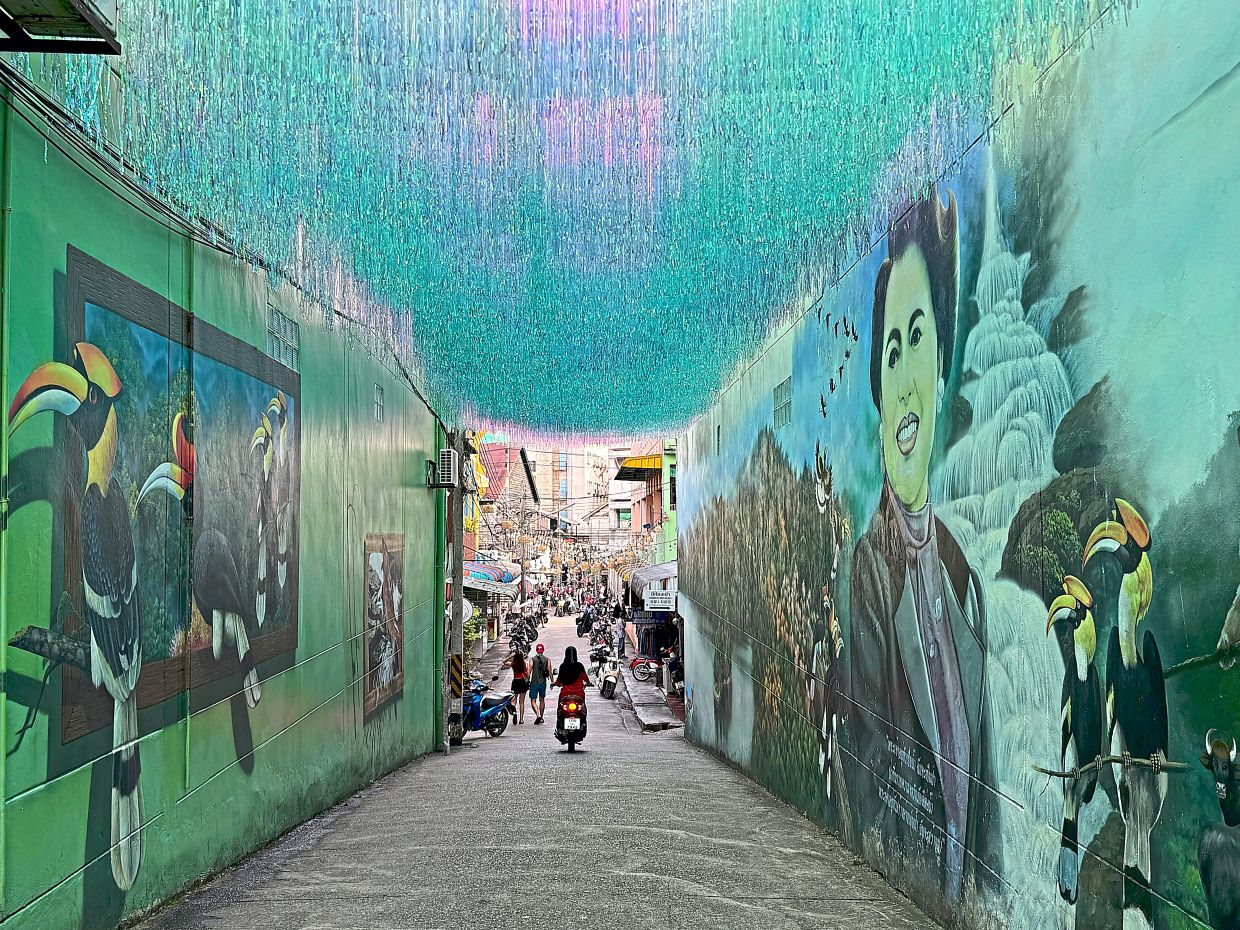
Check out the alleyways adorned with vibrant murals. — Photos: GISELE SOO/The Star
Check out the alleyways adorned with vibrant murals.
The Mongkollit Tunnel is brightly lit at night.
The Mongkollit Tunnel is brightly lit at night.
The kitchen or cooking area with the ‘special stove’ at Piyamit Tunnel.
The smokeless stove helped hide smoke from cooking fires at the Piyamit Tunnel.
Piyamit Tunnel was formerly an air raid shelter and storage area.
Piyamit Tunnel was formerly an air raid shelter and storage area.
Down the road near the Chicken Statue Tourist Attraction, you will find chicken figures on lamp posts.
Down the road near the Chicken Statue Tourist Attraction, you will find chicken figures on lamp posts.
Thailand's Betong is a popular destination with Malaysians.
Thailand's Betong is a popular destination with Malaysians.
Come early if you want to beat the crowds at Wat Phutiwhat.
Come early if you want to beat the crowds at Wat Phutiwhat.
Thailand's Betong is a popular destination with Malaysians.
Thailand's Betong is a popular destination with Malaysians.
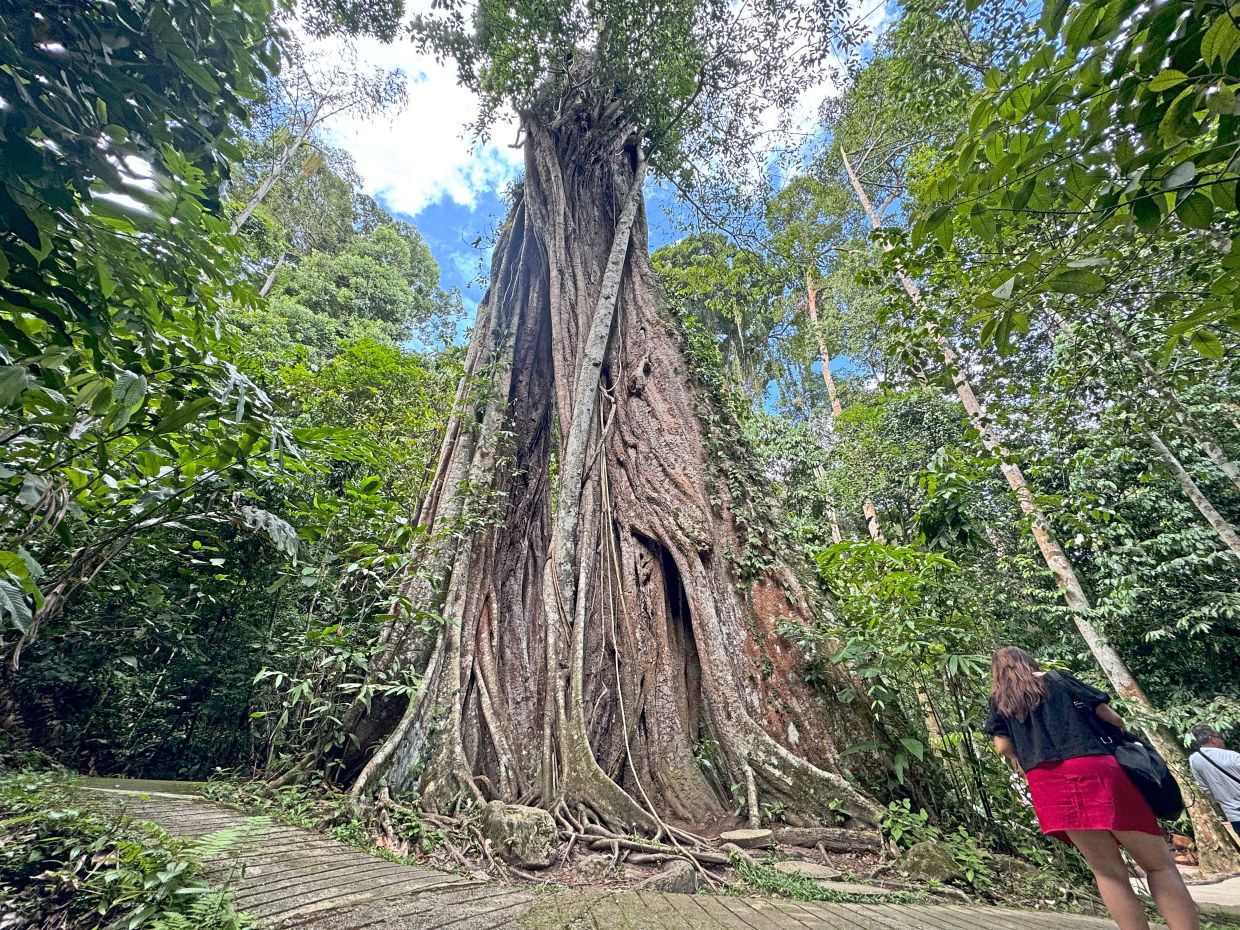
You will find the millennium tree in the forest at the Piyamit Tunnel.
You will find the millennium tree in the forest at the Piyamit Tunnel.
A beautiful bronze Buddha statue at Wat Phutiwhat.
A beautiful bronze Buddha statue at Wat Phutiwhat.
Betong is about 380km from Kuala Lumpur.
Betong is about 382km from Kuala Lumpur.
One of the largest mailboxes in the world can be found in Betong.
One of the largest post boxes in the world can be found in Betong.
Thai-style wantan mee is a must-try in Betong.
Thai-style wantan mee is a must-try in Betong.
Kanom krok, bite-sized coconut pancake, is a popular Thai street snack.
Kanom krok, bite-sized coconut pancake, is a popular Thai street snack.