
Malaysia is blessed with an abundance of natural wonders like ancient rainforests, a remarkable variety of flora and fauna, beautiful mountains and more.
The country has several gazetted parks that protect these natural treasures, such as Gunung Mulu National Park in Sarawak, one of the many national parks found across the state, and Taman Negara, which spans Pahang, Kelantan and Terengganu.
Taman Negara is perhaps the country’s most well-known protected area spanning about 434,300ha, and is home to an incredible range of wildlife.
The best thing about these parks is that most of them are accessible to visitors. You can go trekking in the jungle, or go on boat rides along the river for the chance to see some wild animals and rare plants.
Some parks also have canopy walkways suspended way up high, so that visitors can walk among the tall trees.
And if you are up for an “after-hours” adventure, you can even embark on a night walk, where, with some luck, you might spot nocturnal creatures such as civets and flying squirrels out and about in the dark.
But of course, Gunung Mulu National Park and Taman Negara are not the only places where you can get close to Malaysia’s wilderness.
Natural beauty
We recently had the opportunity to visit Endau-Rompin, a vast rainforest that straddles Johor and Pahang.
On the Johor side is Taman Negara Johor Endau-Rompin, which has two main entry points: Peta in Mersing and Selai in Segamat. Across the border in Pahang is Taman Negeri Rompin.
(You can make enquiries or online bookings from both the official Johor National Parks website and the official Rompin State Park website.)
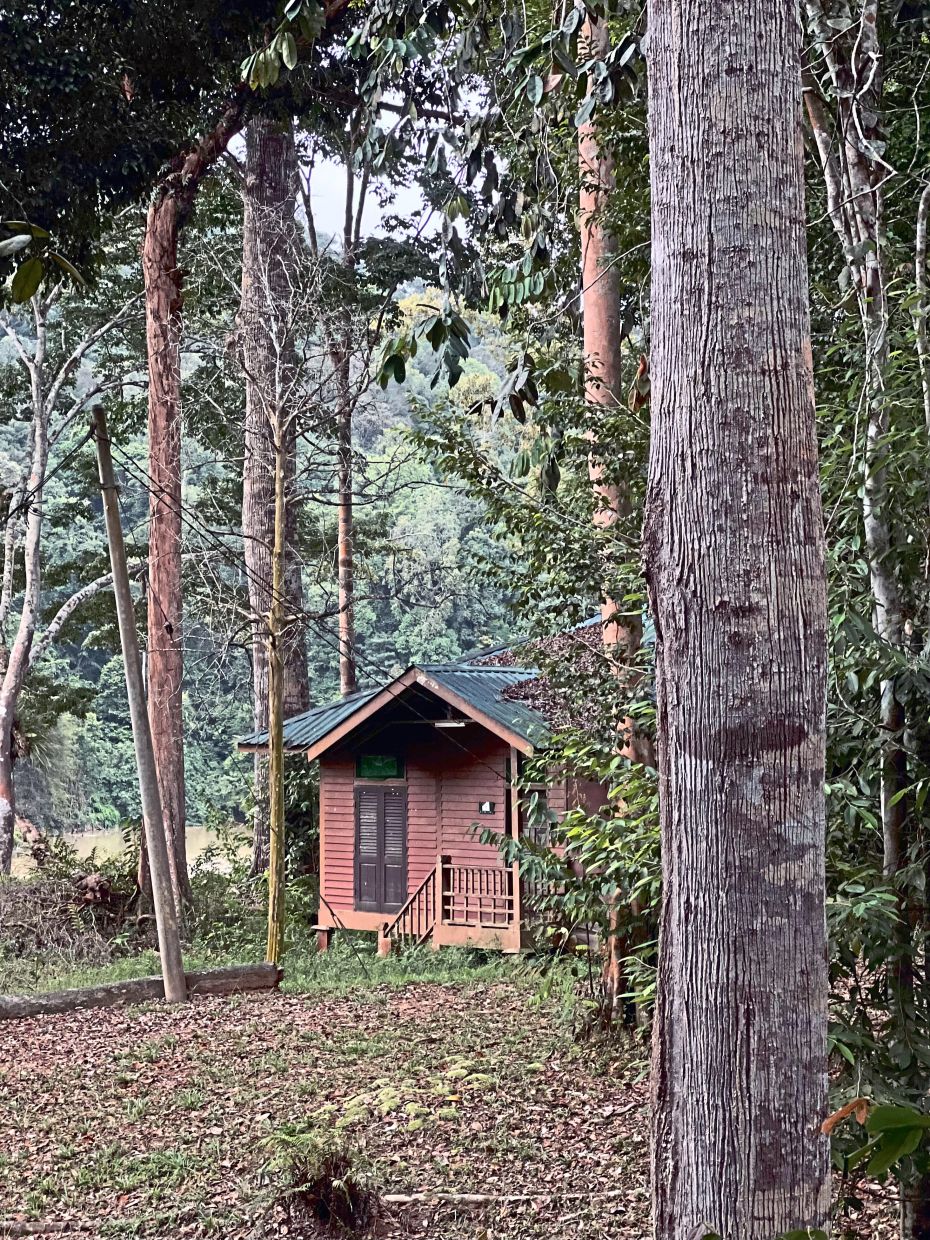
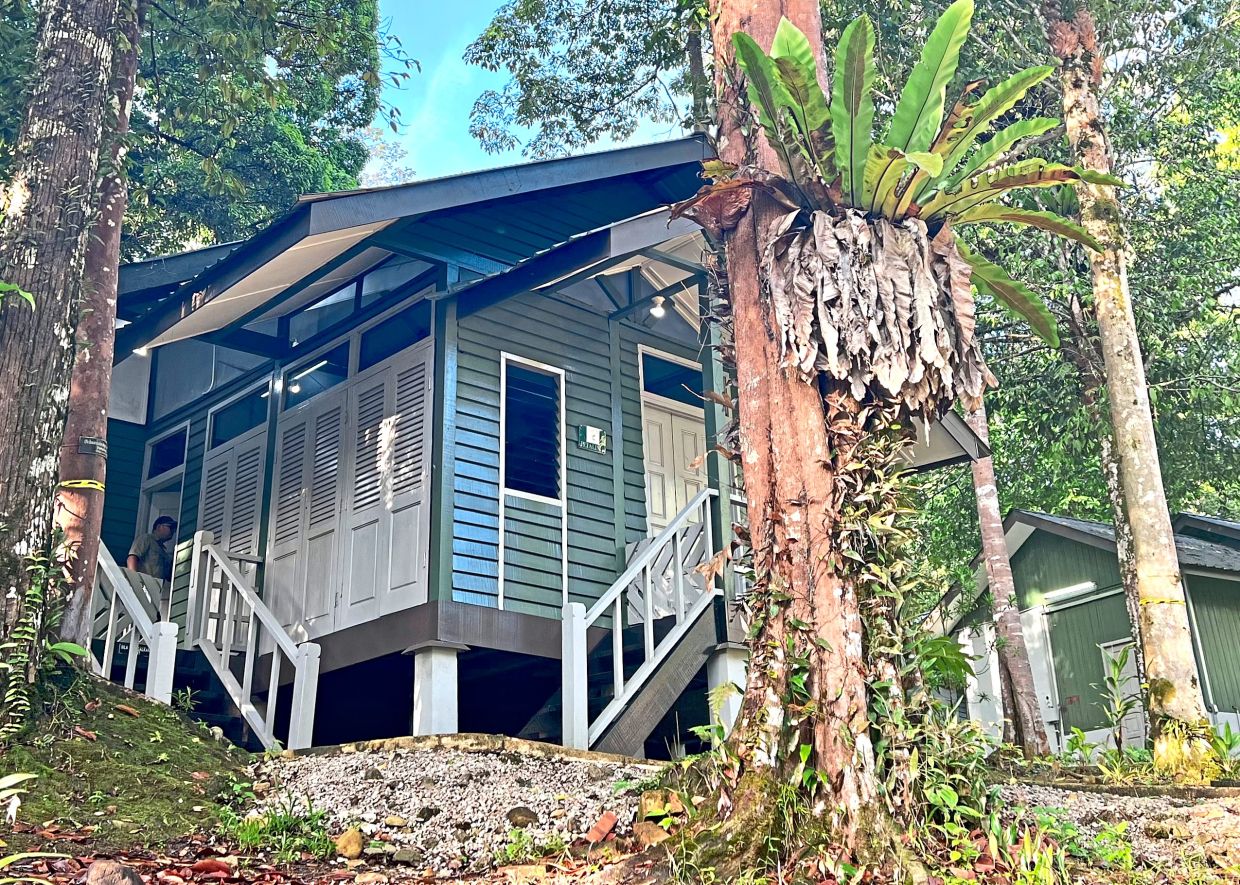
We spent a night at the Peta side of the park in one of the chalets available there. Our humble wooden cabin could accommodate up to four people. Surrounded by the peace and quiet, we had a restful sleep in the forest on our first night, away from the chaos of the city.
There is also a dormitory in the park that can cater to bigger groups of visitors.
The Peta area takes visitors into the upper Endau River valley, where rivers, waterfalls and dense forest form much of the landscape.
Meanwhile, the Johor side of Endau-Rompin is 48,905ha in size, and was gazetted as a national park in 1993. It is one of the largest protected areas in southern Peninsular Malaysia.
The ancient rainforest is an important habitat for threatened wildlife, which includes the Malayan tiger, Malayan tapir and Asian elephant.
While Taman Negara draws more visitors, Endau-Rompin remains relatively under the radar. Our guide, Hisham, said that this is done on purpose.
“Visitor numbers are carefully managed as part of the park’s conservation efforts, allowing people to experience the rainforest without putting unnecessary pressure on the environment,” he shared with us.
There are also rules in place to help protect the environment. Smoking, for example, is not allowed anywhere in the park.
Before venturing deeper into the forest, we stopped by the park’s gallery, where Hisham introduced us to some of the rainforest’s rich biodiversity.
Besides tigers, tapirs and elephants, Endau-Rompin is home to other wild animals, including the sun bear and white-handed gibbon.
Spotting a Malayan tiger in the wild is incredibly rare. We knew we were unlikely to see one, but the thought that a tiger could be somewhere in this vast forest made the experience feel a little different.
For avian enthusiasts, you’ll be delighted to know that the park hosts a variety of birdlife too. One of the many species residing here is the Rhinoceros hornbill, so if you’re planning to do some birdwatching, you may just spot one of these beauties.
Although the park is open to welcoming more visitors, conservation remains a priority, Hisham said. “We want to ensure visitors can appreciate the forest without compromising the habitats and wildlife it protects,” he said.
The rainforest is closely connected to the people who have called it home for generations – the Orang Asli.
The Jakun community, for example, have long lived in this particular area. During our visit, members of the community greeted us with a cultural performance, which featured traditional music and dance.
Some of us were even invited to join in.
Although the performance is not part of the typical experience for regular visitors, those who want to get the chance to see it can book a tour package with ecotourism operators.
These cultural performances give the community an opportunity to share their heritage with visitors. Many Jakun families are also involved in ecotourism, working as guides and sharing their knowledge of the forest with tourists.
Hisham said that some people spend several days trekking through Endau-Rompin’s forests, visiting waterfalls and camping in the park. Our schedule, however, allowed us only a brief taste of what the park has to offer.
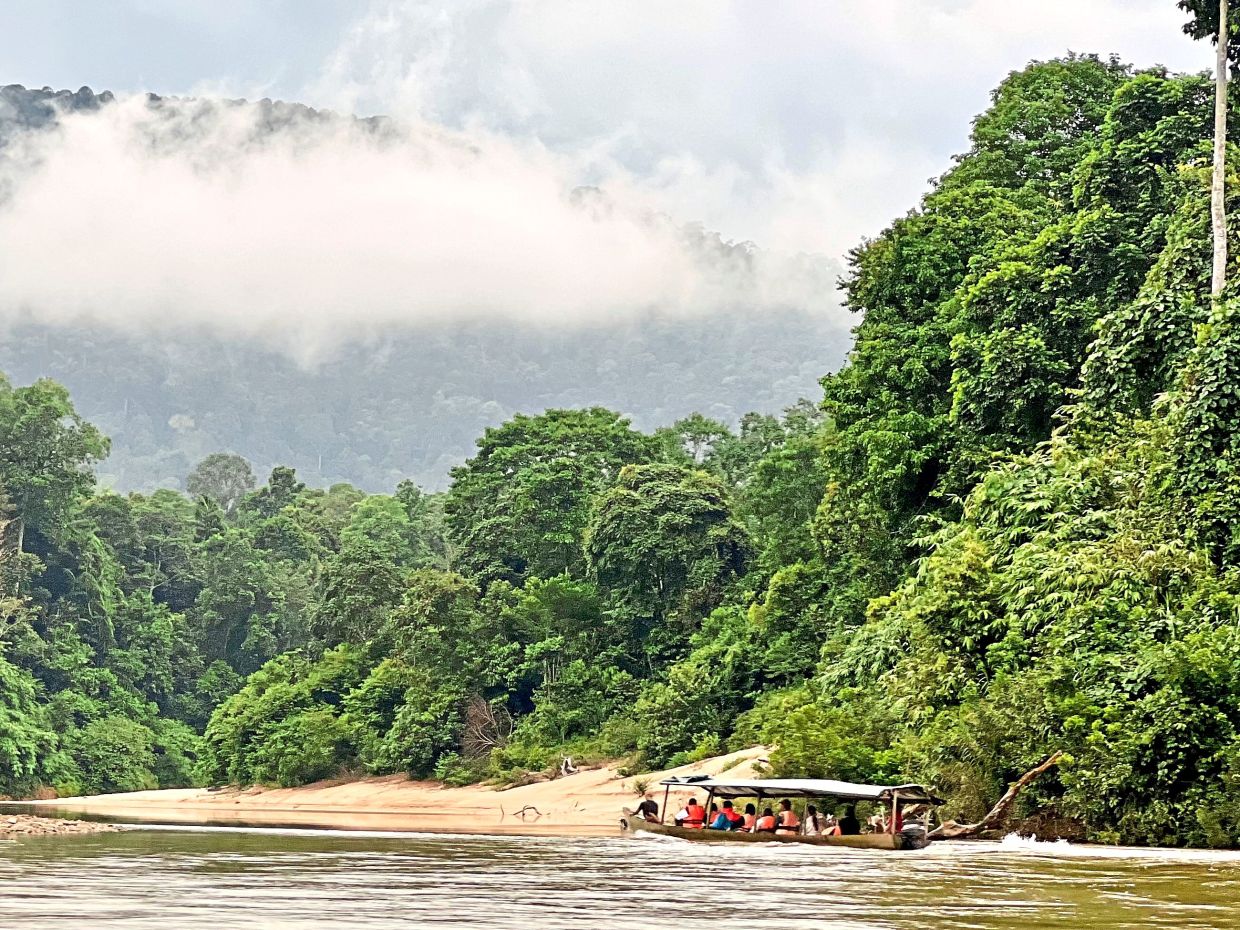
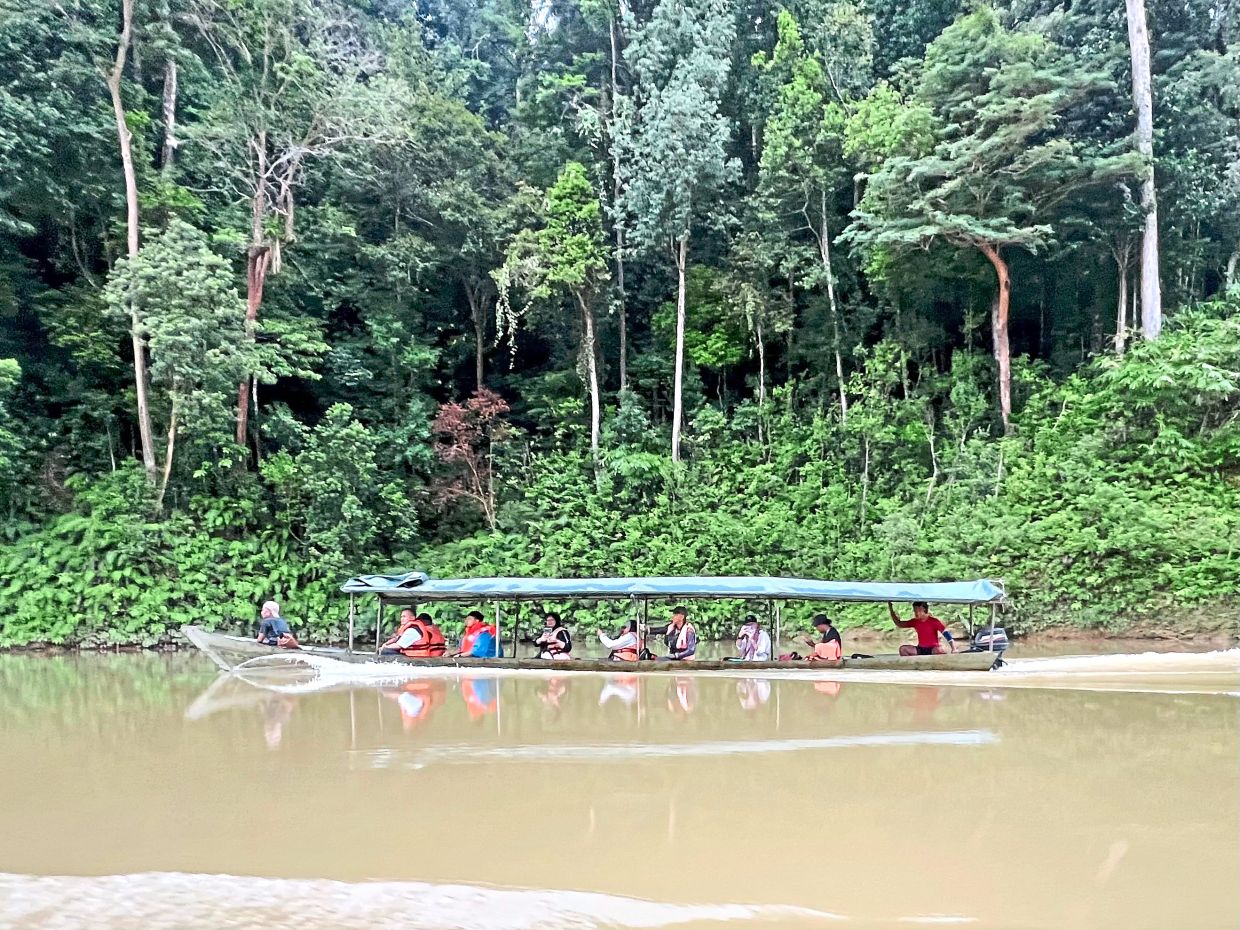
We boarded a long wooden boat and cruised along the Endau River. Sitting so close to the water, it felt as though we were skimming just above it.
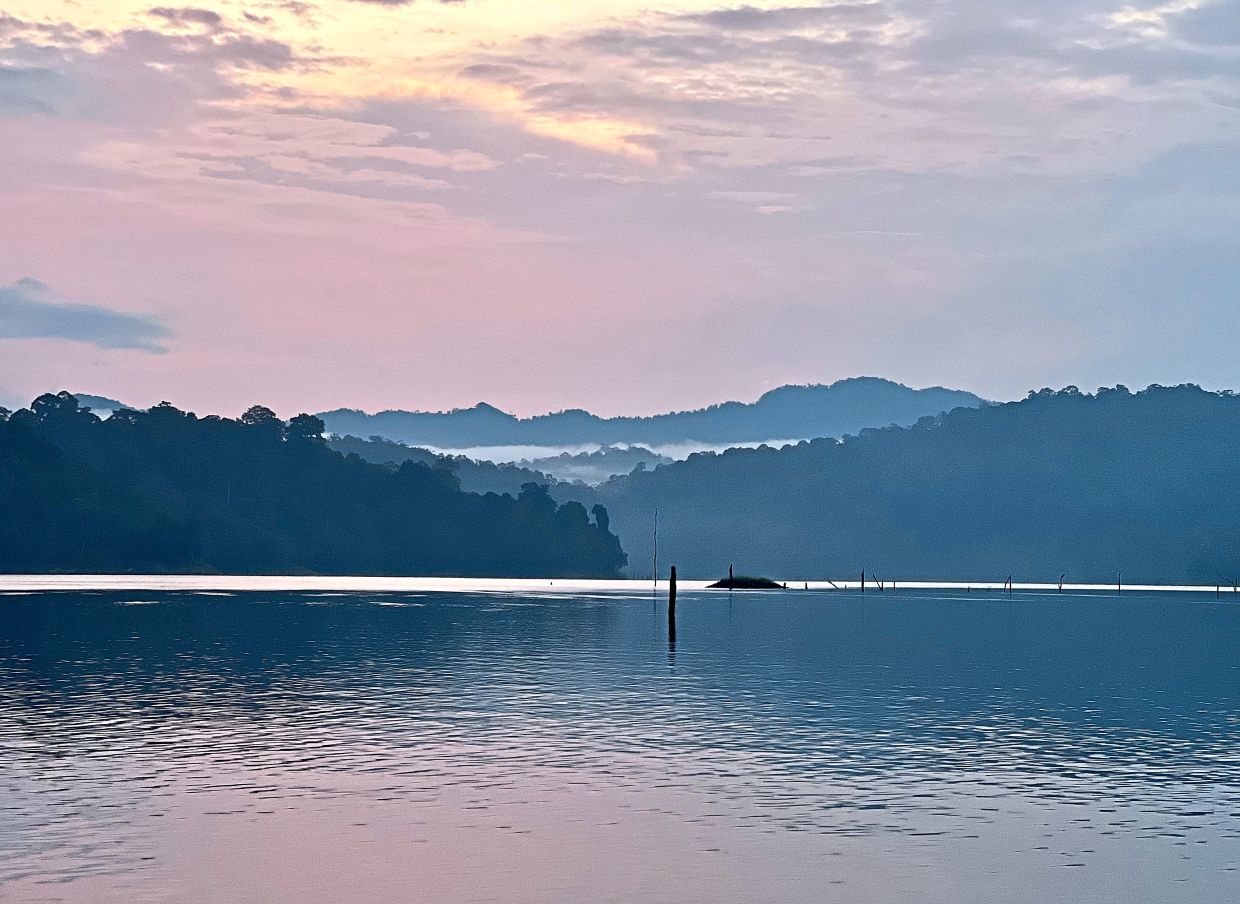
Rainforest surrounded us on both sides, while mist hung over the hills, occasionally revealing and hiding the landscape from view.
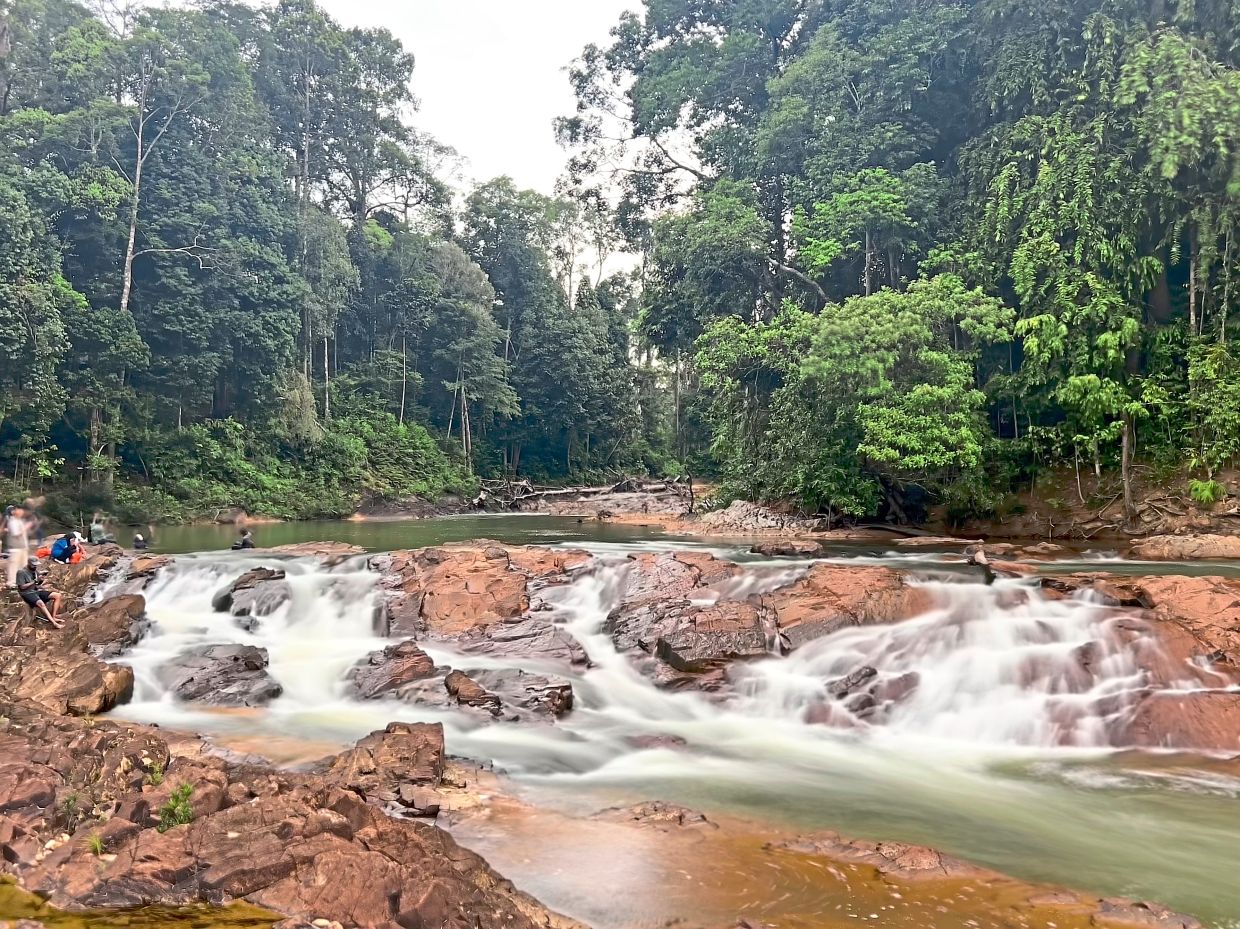
After about half an hour, we arrived at Kuala Jasin, where a short jungle walk led us to the river. The water was clear and cool, flowing gently over the rocks.
It was nice to find that we had the place entirely to ourselves.
On the water
On another trip, we headed to Gerik, Perak, where we spent two nights with other members of the media on a houseboat in Royal Belum State Park, part of the larger Belum-Temengor Forest Complex.
Royal Belum was gazetted as a state park in 2007, but is not a national park. However, it is still worth a visit especially to those looking to experience Malaysia’s wilderness.
The park is 117,500ha in size and is recognised for its rich biodiversity and conservation value. It is also part of a region where the Orang Asli communities, Temiar and Jahai, have lived for generations.
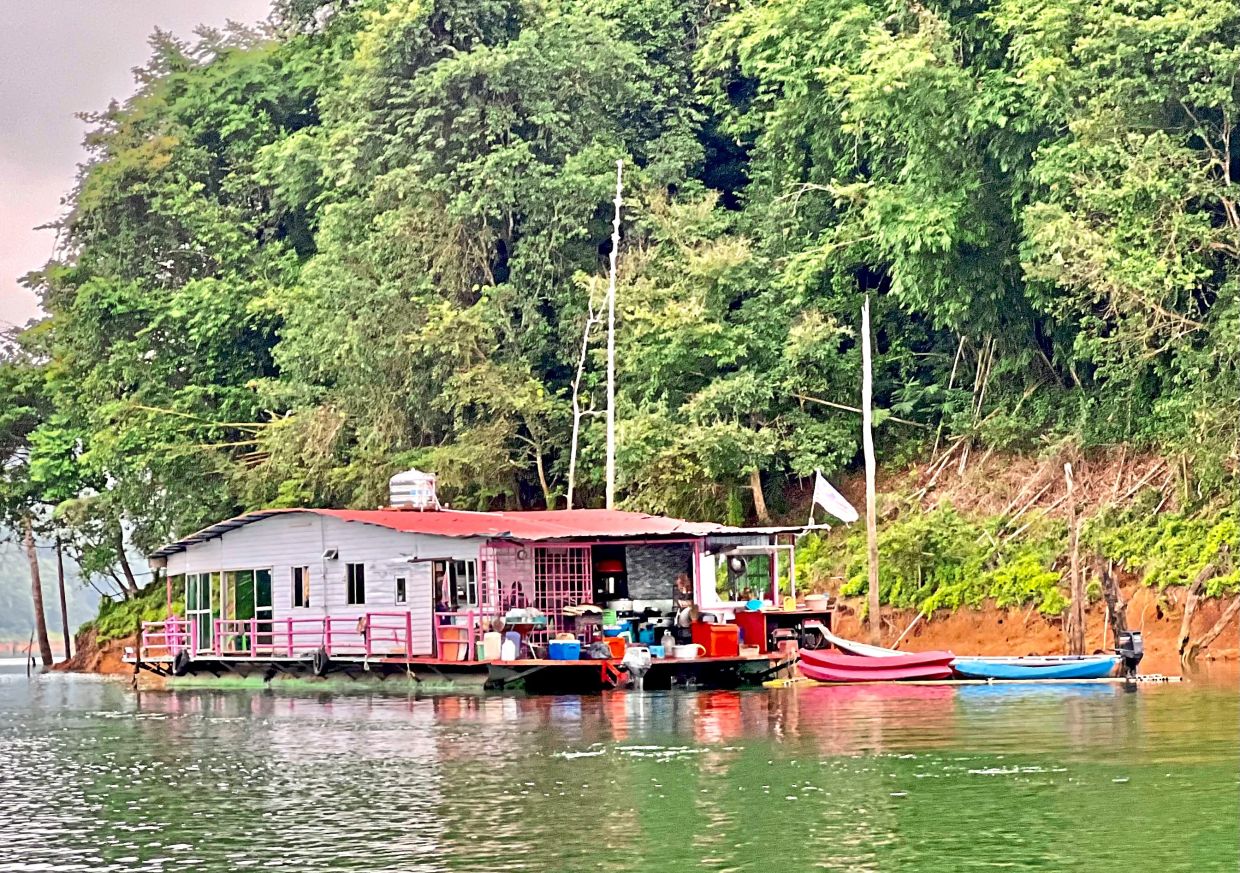
Our accommodation – a houseboat on Temenggor Lake – was one of the highlights of the trip. Even when the boat was tethered, you could still feel a gentle sway as the water beneath it moved.
If you are prone to motion sickness or prefer to stay on land, there are other accommodation options in the area.
Our Orang Asli rangers took us into the forest for a four-hour hike at Sira Rambai. Getting there involved a 40-minute boat ride, during which we kept our eyes peeled for wildlife along the way.
We were lucky enough to spot an elephant, an eagle and otters before reaching the start of the trail.
The trail itself was a little more challenging than we had initially expected. Some of us set off in our “Adidas kampung”, lightweight rubber shoes that came in handy as the trail took us through streams and sections of deeper water.
If you are planning a similar trip, sturdy shoes with good grip would be a more comfortable choice. The wet trail also comes with one small nuisance: leeches. A pair of anti-leech socks can help keep them at bay, though this does not always work!
The fun – and slightly nerve-racking – part of the trail was that some sections were unmarked so you could very easily get lost. Thankfully we had our guides with us the whole time, and they of course, are experts of the land.
Just when some of us thought our “leg day” was finally over, we embarked on another hike, this time to Sungai Kooi Waterfall.
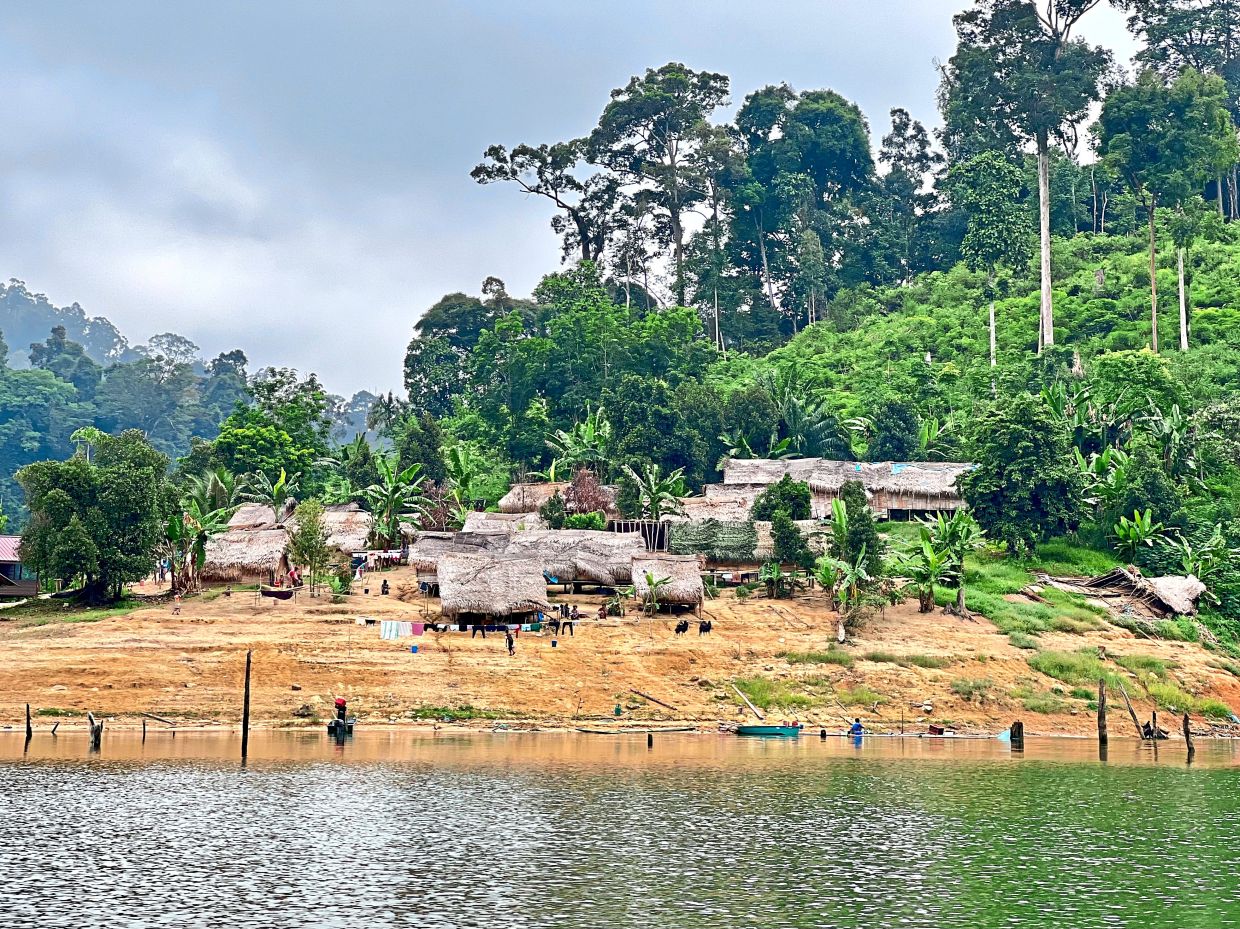
After a short boat ride from the previous trail, we set off towards the waterfall. As we cruised along the calm waterway, we passed traditional Orang Asli dwellings, which were made from natural materials like bamboo and leaves.
When we finally reached the Sungai Kooi trail, we expected an easy walk.
If only we were that lucky.
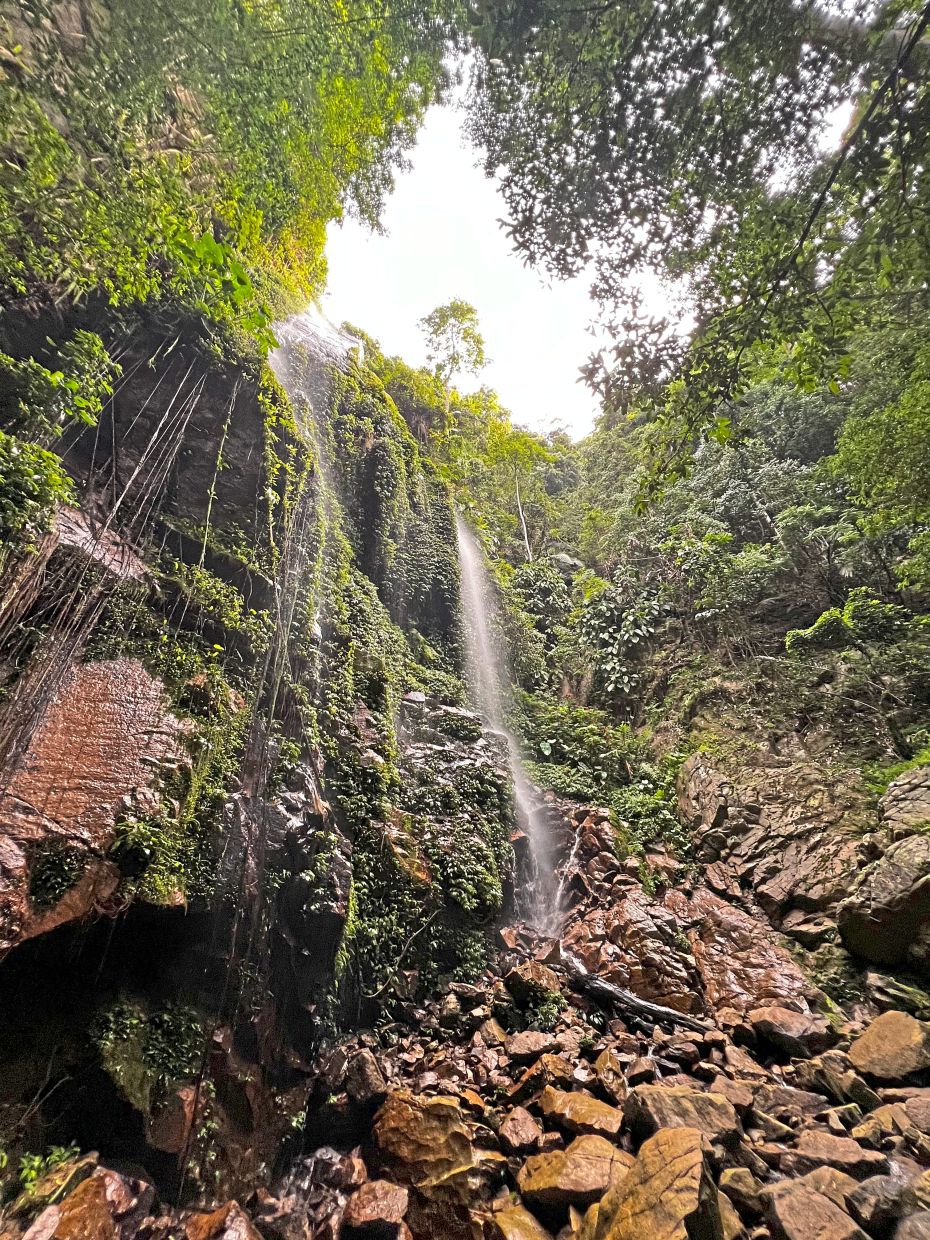
The hike was short, but the rocky terrain made it more demanding than we had imagined. Our tiredness faded as soon as we reached the waterfall and saw the water flowing down to the pool below. After all that walking, the waterfall was indeed a welcome reward.
Back at the houseboat, there was still time for activities before nightfall, so we did some kayaking and took a dip in the water.
The Belum-Temengor forest landscape is recognised for its importance in bird conservation and is home to hundreds of species, including all 10 of Malaysia’s hornbill species.
If you have never seen a Rafflesia, keep an eye out for one here, too. But do check with your guide about the flowering season, as these giant flowers do not bloom all year round.
There is plenty more to explore in this vast forest. Other hiking trails to check out can be found near Sungai Ruok, Sungai Kejar and Gunung Temin, while more adventurous hikers can take on Mount Titi Basah.
Although it is not mandatory to have a guide with you during every hike, it is highly recommended, especially for less experienced hikers. Ask your local tour operator to help with booking a guide for you.
Mountain escape
Further north in Kelantan lies another destination that may not be as familiar to travellers: Gunung Stong State Forest Park.
Located in Dabong, the park sits within the Gunung Stong Tengah Forest Reserve. There are several peaks there, as well as rivers, caves and waterfalls.
The forest also features unique plant species. One of them is Licuala stongensis, an endemic “fan” palm found only at Gunung Stong, according to the Forestry Department of Peninsular Malaysia.
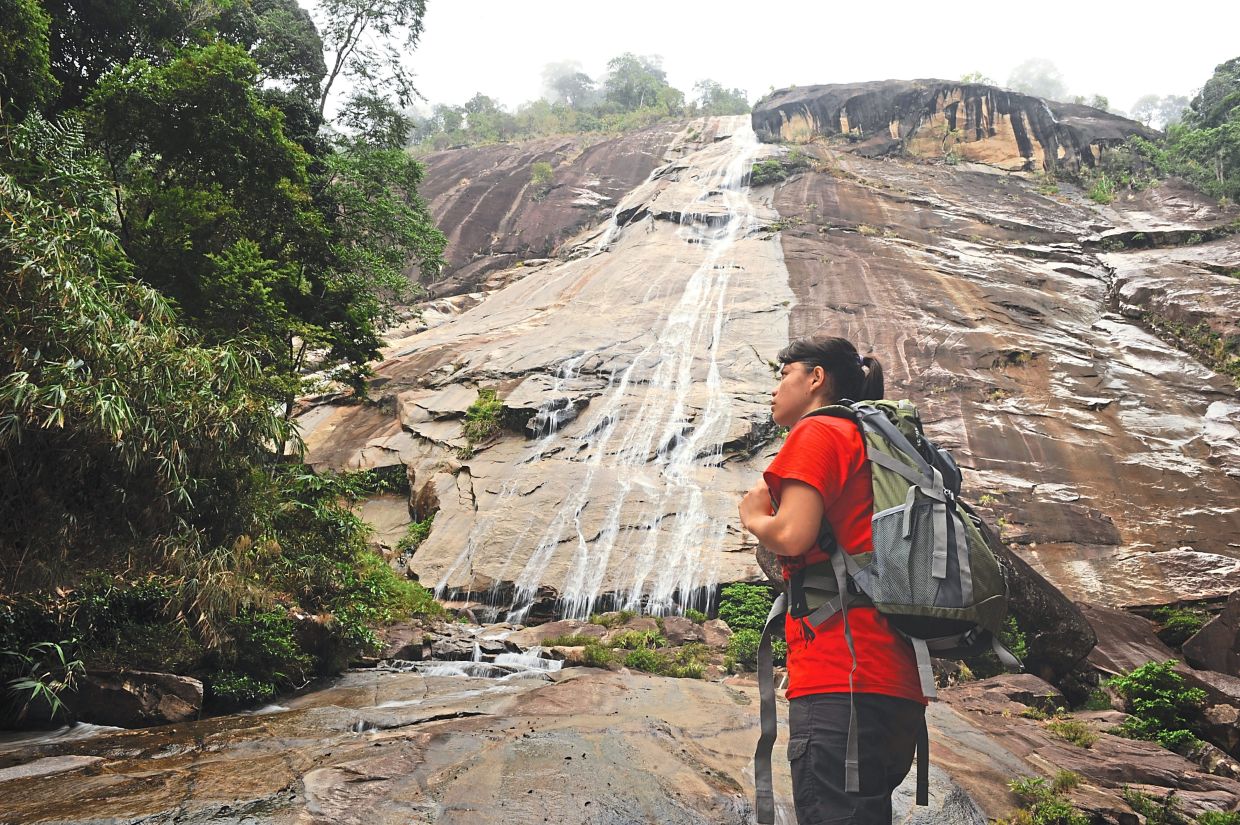
The park’s most famous attraction is undoubtedly the Jelawang Waterfall, a spectacular seven- tiered waterfall that drops down 303m, one of the tallest waterfalls in the Peninsular.
Of course, there is more to Gunung Stong than its grand waterfall. The surrounding forest provides opportunities for birding, wildlife spotting, camping and exploring.
Meanwhile, experienced trekkers can take on the peaks like Gunung Ayam, Gunung Stong and Gunung Tera.
You need to hire a licensed local guide and apply for a permit from the Kelantan State Forestry Department before you can hike at the Gunung Stong State Forest Park. It may be easier to get both of these done via a registered local tour operator, who would also be able to arrange for your transport and accommodation.
National and state parks around Malaysia
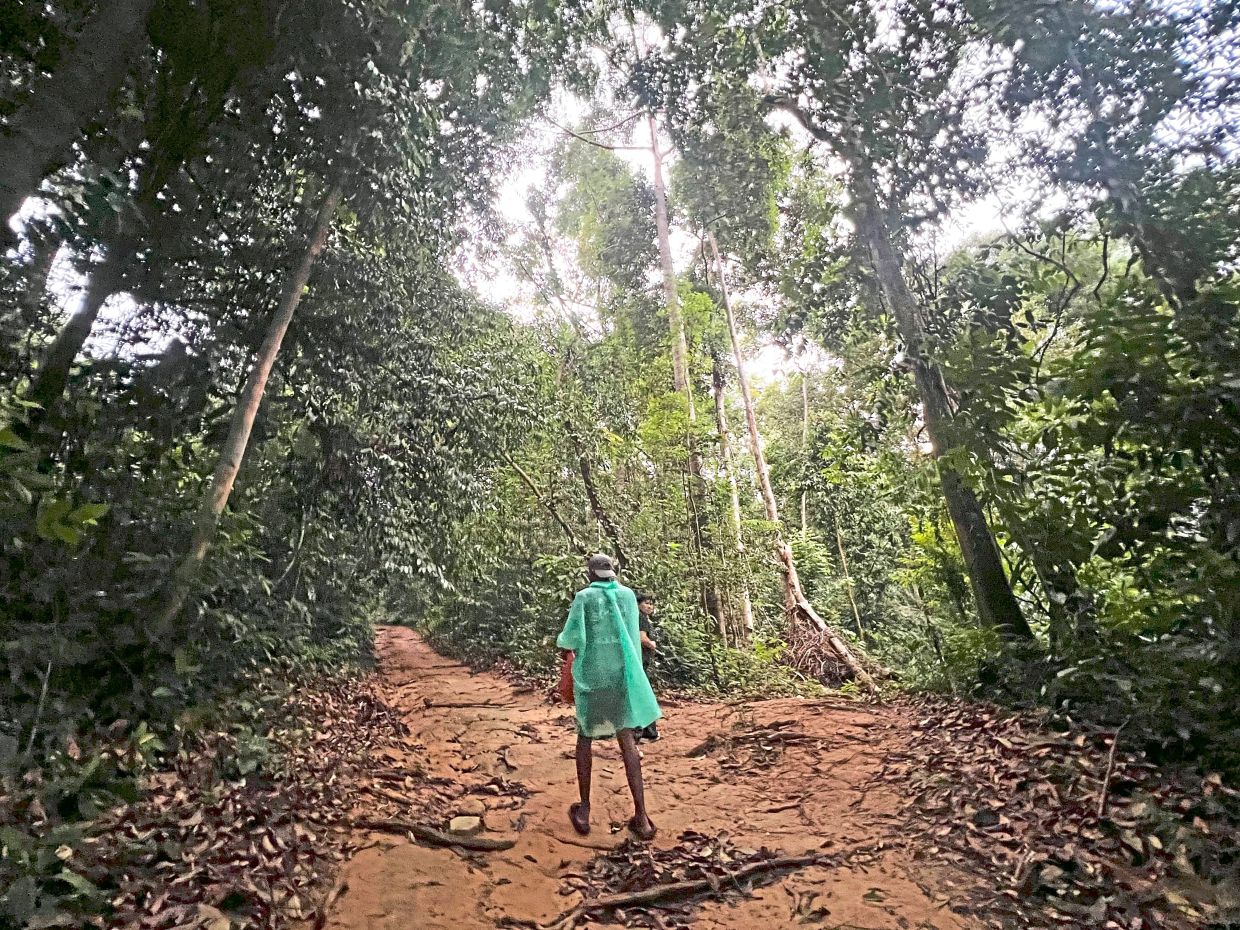
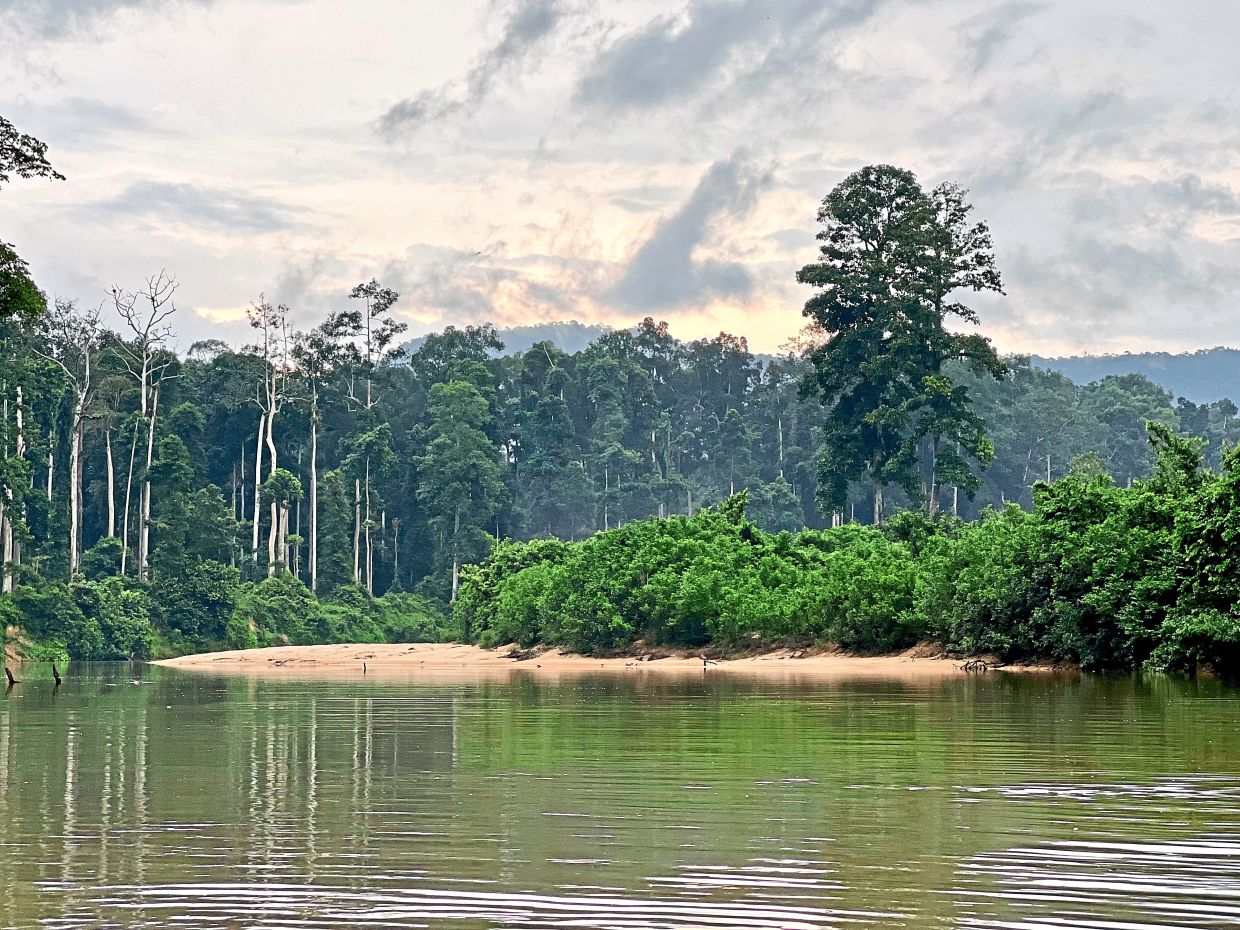
Endau-Rompin is a vast rainforest that straddles both Johor and Pahang. — Photos: GISELE SOO
Kuala Jasin is great for a refreshing dip. — GISELE SOO
A cosy cabin in Endau-Rompin. — GISELE SOO
Royal Belum State Park is home to several Orang Asli communities. — GISELE SOO
Gunung Stong, located in Kelantan’s Kuala Krai district, is a well-known spot for adventurers. — Tourism Malaysia
The Royal Belum State Park has a houseboat experience for tourists. — GISELE SOO
Sungai Kooi waterfall is one of the attractions at the Royal Belum State Park. — GISELE SOO
While Taman Negara draws more visitors, Endau-Rompin remains relatively under the radar. — GISELE SOO
Royal Belum may not be a national park, but it is still worth a visit for those looking to experience Malaysia's wilderness. — GISELE SOO
Visitors have to take a boat to get to Kuala Jasin in Endau-Rompin. — GISELE SOO
Endau-Rompin is one of the biggest parks in Peninsular Malaysia. — GISELE SOO
Endau-Rompin hosts a variety of flora and fauna. — GISELE SOO