
One stone, two birds. When you take part in a motor treasure hunt for charity, you get to support a good cause while getting to travel as well.
In Malaysia, there are a number of charity treasure hunts that you can join, all held to raise funds for causes like helping the underprivileged or marginalised, and supporting youth development.
Peruse social media and you will see yearly calls to gather for such treasure hunts. Look for ones mentioning “motor”, which indicates that vehicles are required since the hunts would cover a wider expanse of area – some even cover multiple cities or states.
Hearts of gold lead to pots of gold, figuratively speaking. You donate to charity when you participate, and at the same time you gain the chance to win big if you manage to place in the top three.
Plus, imagine all the places you’ll get to explore.
If you still need convincing, these three hunters’ experiences may just encourage you to begin your “hunting” adventure.
Behind the wheel
Driving coast to coast, on and off highways, through big cities and small towns ... these are all part and parcel of a motor treasure hunt.
But the thrill begins even before getting into cars, as each group would by then have in hand a puzzle to solve in order to kickstart their hunting.
“Puzzles are something that I have always enjoyed doing in my free time,” says Loo Ai Choo, 66. A retired process and environmental engineer, Loo is a respected veteran in the treasure hunting world, with four decades of experience under her belt.
Loo’s first treasure hunt was in 1985, when she – together with her brother, sister-in-law and a friend – decided to participate in the 2nd Kiwanis Treasure Hunt, organised by the Kiwanis Club of Kuala Lumpur.
“We had never taken part in a motor treasure hunt before and we thoroughly enjoyed it,” she says in an interview. “It was challenging to the mind, since it involved solving questions that covered a wide range of topics, including general knowledge, language, science and local happenings.”
The positive experience drove (yes, pun intended) Loo to take part in more treasure hunts organised by Kiwanis.
For the next 16 years, she continued participating in the activity. She joined other treasure hunts as well but, as she puts it, “none can compare with the Kiwanis hunts”.
These events are typically organised as a three-day, two-night experience, so it gives Loo and her fellow hunters the chance to be more than just contestants in a game – they also get to play tourists.
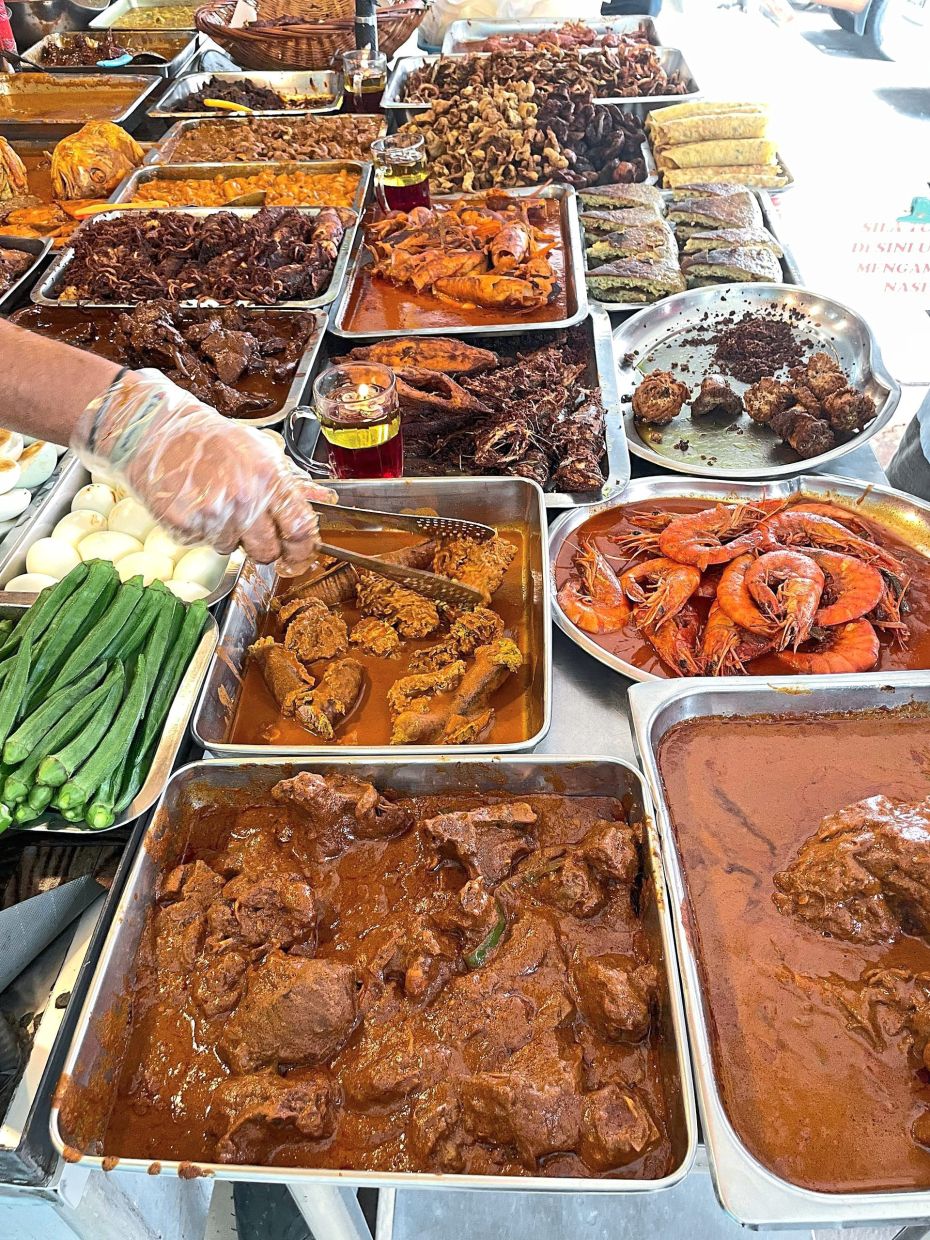
“The hunts have covered most of the states in Peninsular Malaysia with the exception of Perlis and Kelantan. My favourite memories of these places are mainly related to food since I am a foodie,” shares Loo.
“We always made it a point to try whatever the famous local food were,” she continues. “We did also spend a bit of time exploring the places, checking out historical sites.”
Dina Ahmed, 37, is a treasure hunter from KL who has similarly visited other states on her hunts. But for this particular KL-ite, who runs a business selling personalised gifts and branding merchandise, her most memorable “touristy experience” while on a treasure hunt was surprisingly in the capital city itself.
“I’d never taken the monorail before, and because of treasure hunting, I have now,” she excitedly shares.
Joining these hunts has also given her the opportunity to try her hand at batik painting, making teh tarik and roti jala, as well as other interesting activities.
“During treasure hunts we get to visit and appreciate buildings and landmarks that we drive past every day and take for granted,” she says.
One example of this is – again, surprisingly – the PETRONAS Twin Towers.
“Because I wanted to earn extra points, I took a beautiful picture with the towers, which I wouldn’t have done if it weren’t for the treasure hunt,” she says.
Beyond the capital city, Dina has explored small towns like Kulai and Senai in Johor, and Tapah, Gopeng and Simpang Pulai in Perak.
Visiting small towns is always an interesting experience for her, as they are places that she wouldn’t have normally gone to. Most of these towns are unfortunately fading with time, as new highways reroute traffic away from them, making them less visible to travellers.
This is where treasure hunts can help.
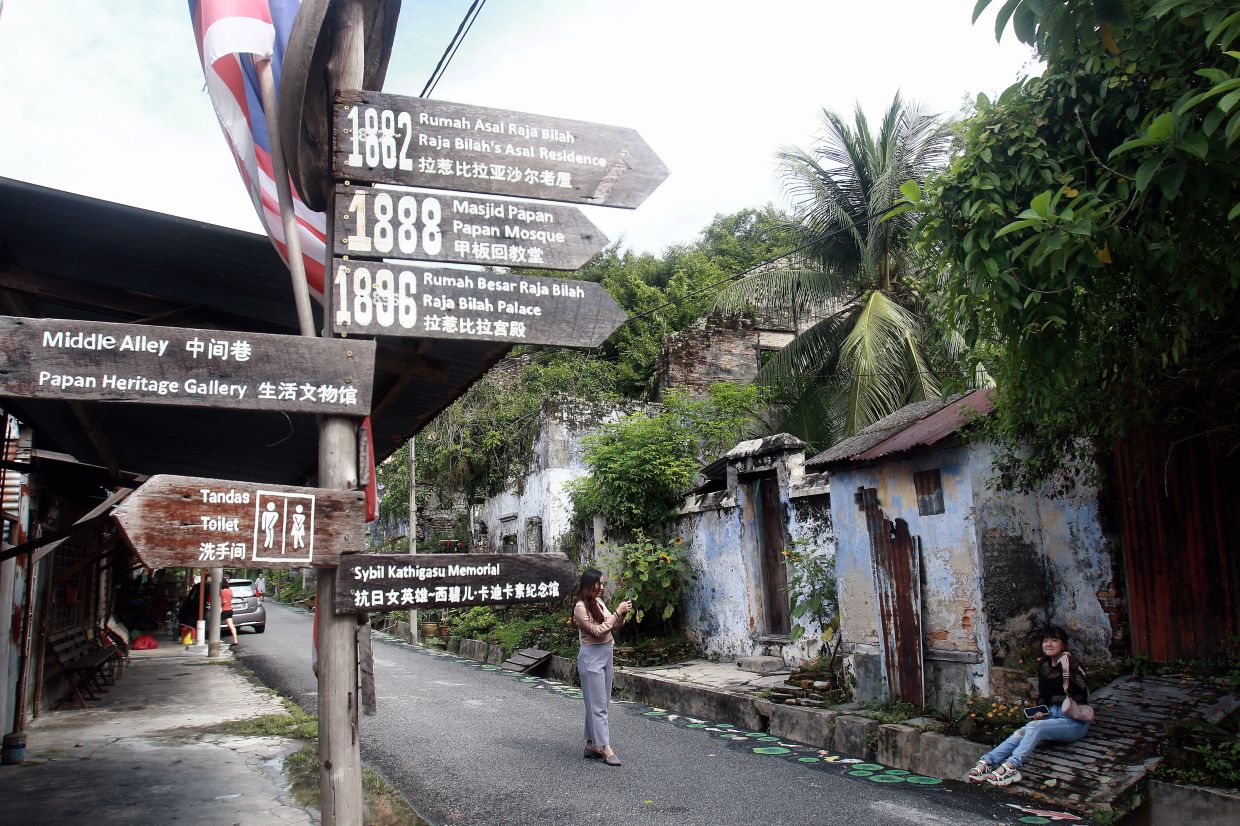
“What happens is, we get on and off highways going into towns looking for answers and treasures,” explains Dina, adding that this gives hunters the chance to “explore small towns and remote places that usually we won’t be able to visit as there’s no reason to do so”.
“Treasure hunts can actually promote tourism and boost small town businesses,” she says. “This is because hunters need to buy the ‘treasures’ and, of course, eat along the way.”
Food is certainly a major part of the experience, but not just as sustenance; food can double as the “treasures” – items, which can be edible or otherwise, that hunters need to acquire in order to progress in the game.
Treasure hunts can also carry various themes. Food-themed hunts are among the more popular ones, says Dina, because it gives participants the chance to “eat, eat, eat and eat more” as they try the local cuisine.
Whether the hunt involves a road trip from KL to Penang, or Pahang to Melaka, each one serves as an opportunity for exploration.
It doesn’t even have to be an inter-city route. Some of the hunts that Dina has participated in are held only around Selangor’s Subang area, where the Rotary Club of Subang (RCS) is located.
Behind the scenes
While RCS was not where Dina started her treasure hunting journey nine years ago – it was at an organisation that had an annual hunt, she says – it is where she has been actively taking part in the activity these recent years.
Unsurprising, since she did serve as the club’s president for two years. “I just recently finished my term in June,” she shares.
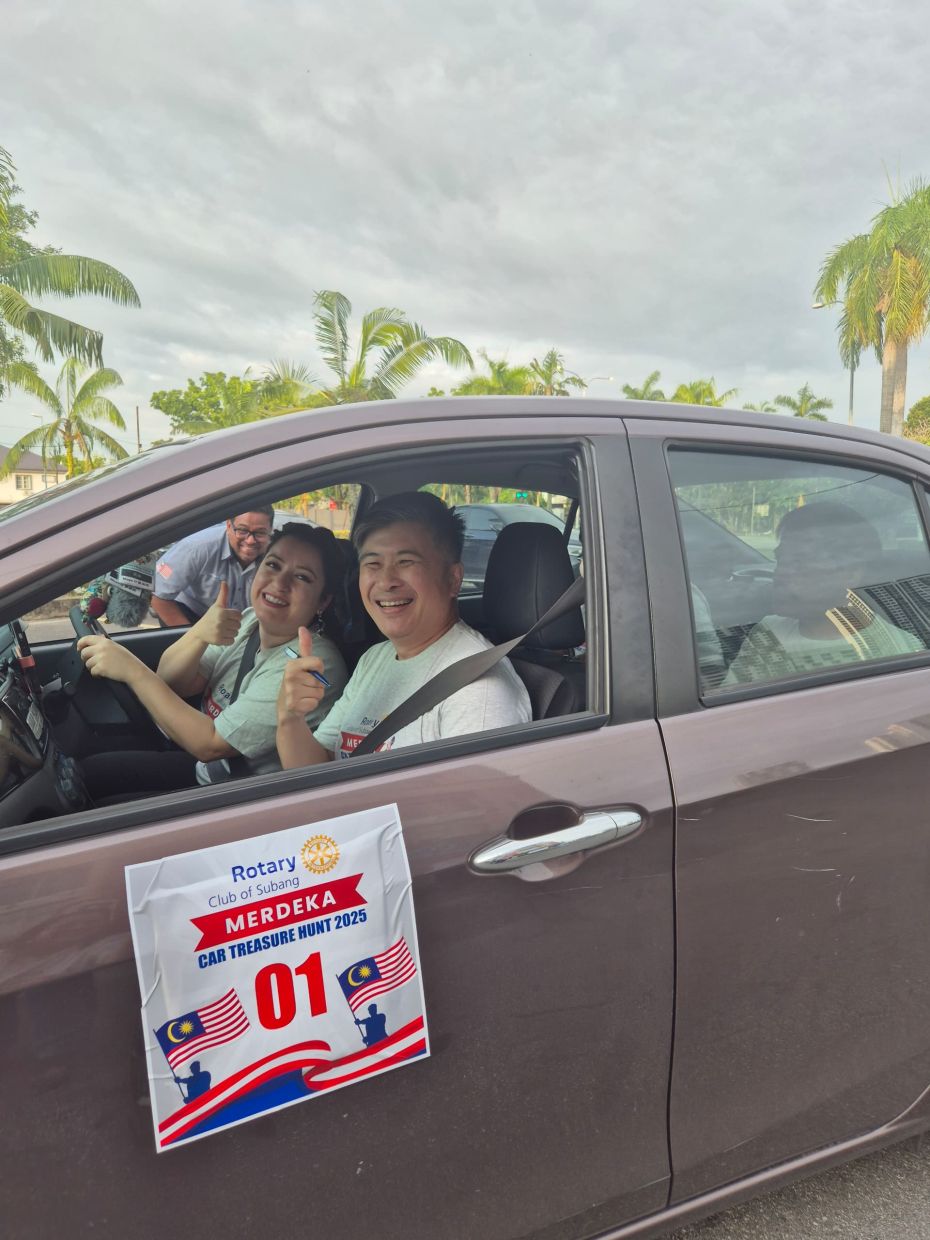
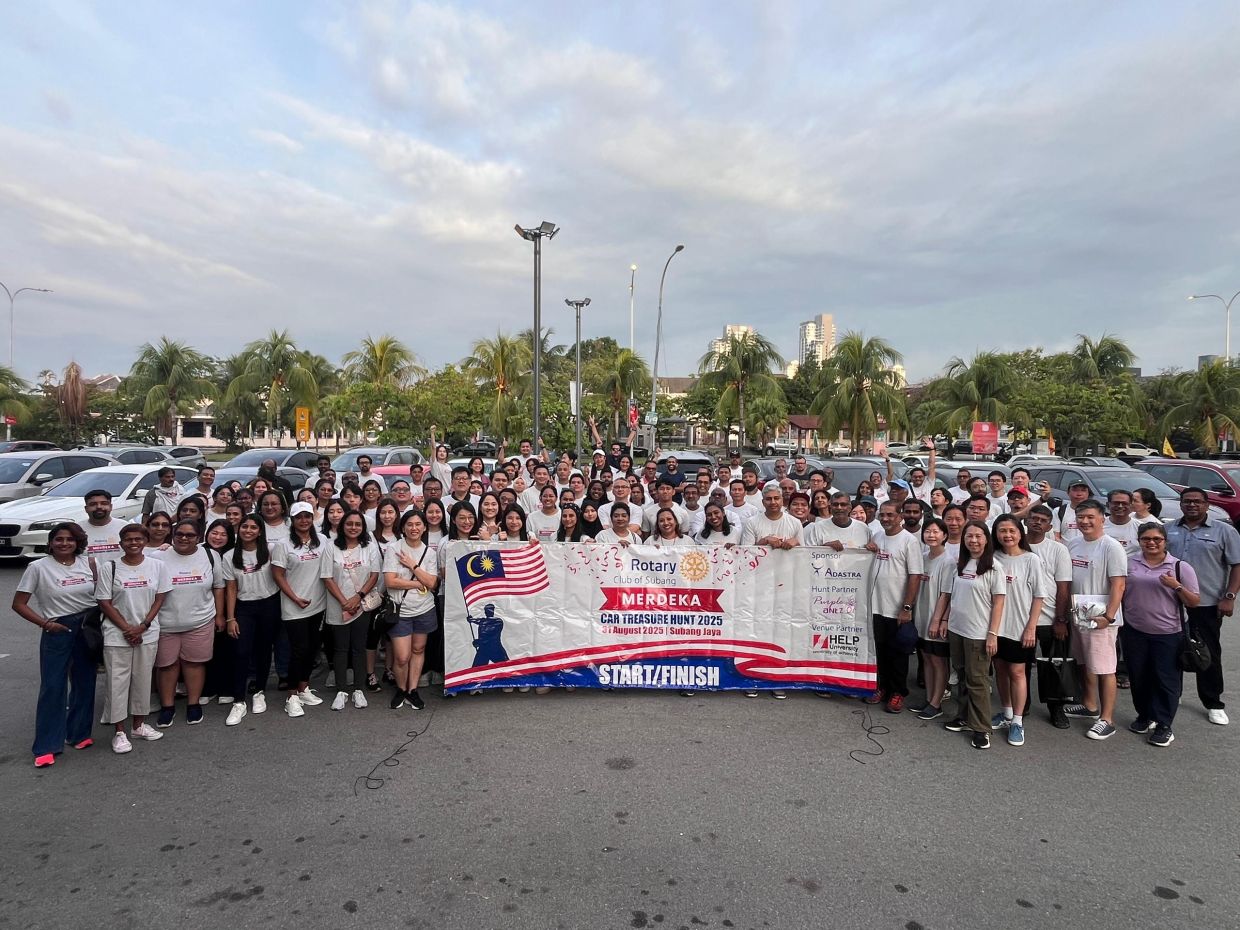
The RC Subang Treasure Hunt is the club’s fairly new undertaking. Started three years ago, it is held every National Day, not just to celebrate Merdeka but also to foster love for our country.
“After the success in the first year, we decided to make it a yearly event to promote our club and promote the spirit of Merdeka.
“Every year, the treasure hunt will have a different theme and all proceeds from the hunt will go towards our projects,” Dina explains.
The projects that Dina refers to are charitable ones that the rotary club carries out to help those in need.
These include back-to-school projects, where the club provides school supplies to underprivileged students; “Gift of Sight” projects, which provide spectacles to school students; and giving out “newborn-and-mum care kits”, which are bags with essential items a new mother would need.
As a non-profit organisation, RCS does various activities to raise funds for charity – from selling Swiss rolls (for a Polio campaign) to hosting dinners and, of course, treasure hunts.
The hunts get the community involved in a fun way, and it’s a win-win situation for all. The club successfully raises funds, while the participants get to familiarise themselves more with the Subang township.
Like Dina, Loo too transitioned from being behind the wheel to being behind the scenes in the treasure hunting sphere. It seems to be a natural progression for avid hunters, where they start off as participants, then evolve to being the ones organising the events.
“After enjoying being a participant in the hunt events for 16 years, I finally decided to join the organising committee to experience the other side of this fun-filled event,” says Loo.
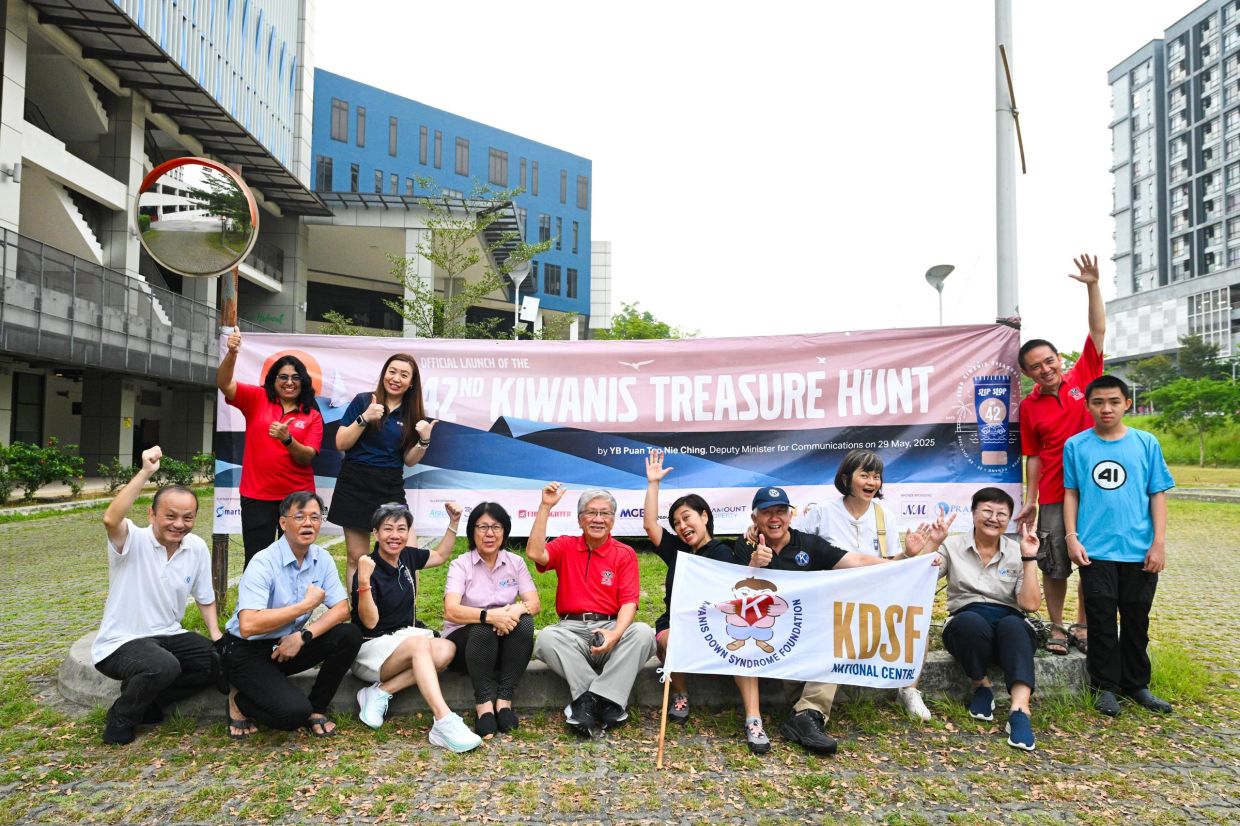
She explains that the Kiwanis treasure hunt is done to raise funds not only for the Kiwanis Down Syndrome Foundation National Centre, but also other community service projects carried out by the club.
Established in Malaysia in 1976, Kiwanis Club focuses on “improving the world one child and one community at a time”, as stated on its official website.
“There began another aspect of my saga with the treasure hunt, as now I have been with the hunt committee for 24 years,” she says.
As part of the organising committee, Loo has a better understanding of how the hunt destinations are selected.
“The committee makes it a point to try and choose different destinations within Malaysia, for the very purpose of giving the participants an opportunity to travel to various parts of the country,” she shares.
“To enhance the participants’ experience of the destination, we also try to provide information on the interesting places to visit and the best things to eat,” she adds.
But they do have to operate within limit, because they have to consider the cost, which must not be too expensive so that it can encourage more participation. They also require accommodations that can cater to the number of participants.
For example, during the peak of the hunts, they would have to cater to about 450 participants and committee members.
Also part of the same committee is Chen Thiam Leong, known as “Mr Crackapot” in the treasure hunt and Kiwanis circle.
“Only the Kiwanis Treasure Hunt has these two unique questions to solve, which are called ‘crackapots’,” Chen explains, adding that they were introduced at the 11th hunt event “to put pressure on regular hunters”.
He has been setting the “crackpots” since, hence the nickname.
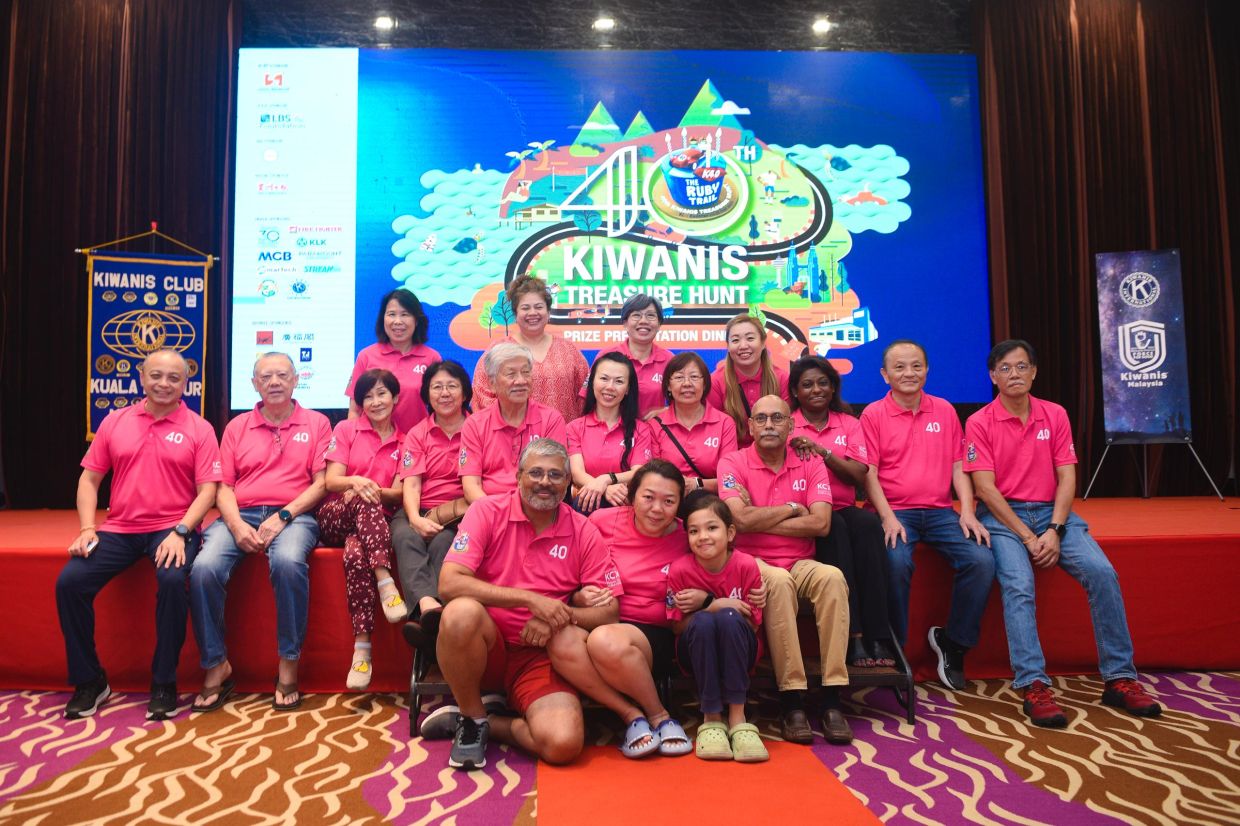
Chen, an engineer who discloses his age only as “senior citizen”, says that his role in the organising committee also includes being in charge of special projects that are meant to keep participants involved and entertained throughout the hunts.
“We come out with new ideas for each hunt that’s suited to the venue,” he says. Examples of this are holding a sandcastle competition when it’s a beachside venue, a kite competition when the site allows for it, and a camping gadget-making competition when they’re at a forest.
For added fun, since 1996, each hunt would have a different theme. “Thriller” was the first theme for that year’s hunt. Other themes include “Crouching Tiger, Hidden Treasures” (2010), “Food for Thought” (2017), and “Slip Slop SPF42” (2025).
Chen participated as a hunter in the first three hunts (1984-1986), which gave him the chance to explore the Klang Valley, Mimaland (a now defunct theme park in Selangor) and Desaru, Johor.
From then on, he stopped being a participant and joined the organising committee instead. He is still an active committee member today.
Beyond the hunt
It seems that as an organiser Chen gets to see even more of Peninsular Malaysia. “We are always looking for suitable venues throughout the peninsula,” he says.
No matter which side of the hunt they’re on, everyone gains a new travel experience thanks to the different venue set for each year. They get to explore cool places like Cameron Highlands and small towns like Pekan (both in Pahang), or historical cities like Melaka and George Town, Penang.
Chen says they have even gone island hopping when the venues chosen were places like Kenyir Lake (Terengganu), Langkawi (Kedah) and Pangkor Island (Perak).
“We get to visit destinations we would normally not go to or too cumbersome to arrange,” Chen enthuses. “By joining the hunt, everything is arranged, and we relax and enjoy a holiday on top of feeling good to have contributed to a charitable cause.”
Lest we forget, these treasure hunts are done for charity.
Chen says that Kiwanis Club “invented” motor treasure hunts to raise funds for charity in 1984. “Since then, this annual event has run continuously without a break, including during the pandemic,” he adds.
In 2020 and 2021, the hunts had to be conducted virtually due to travel restrictions, and Kiwanis “still managed to raise over RM200,000” for each hunt, Chen proudly shares.
He also reveals some of the other amounts that they’ve successfully collected through their hunts, such as RM445,000 during their 40th hunt and RM650,000 through the 30th hunt.
This exemplifies the effectiveness of treasure hunts as a fun way to essentially encourage altruism. Aside from teaching goodwill, treasure hunts also foster teamwork, boost local tourism, and unite the community for a good cause.
So, the next time you and your friends or family feel like doing some domestic explorations, know that you can go above and beyond just by participating in a treasure hunt.
Your pot of gold awaits.
Drive with purpose across Malaysia

Participants get to explore Malaysia while treasure hunting. — Unsplash
Dina (in driver’s seat) has been part of the treasure hunt circle for almost 10 years. — DINA AHMED
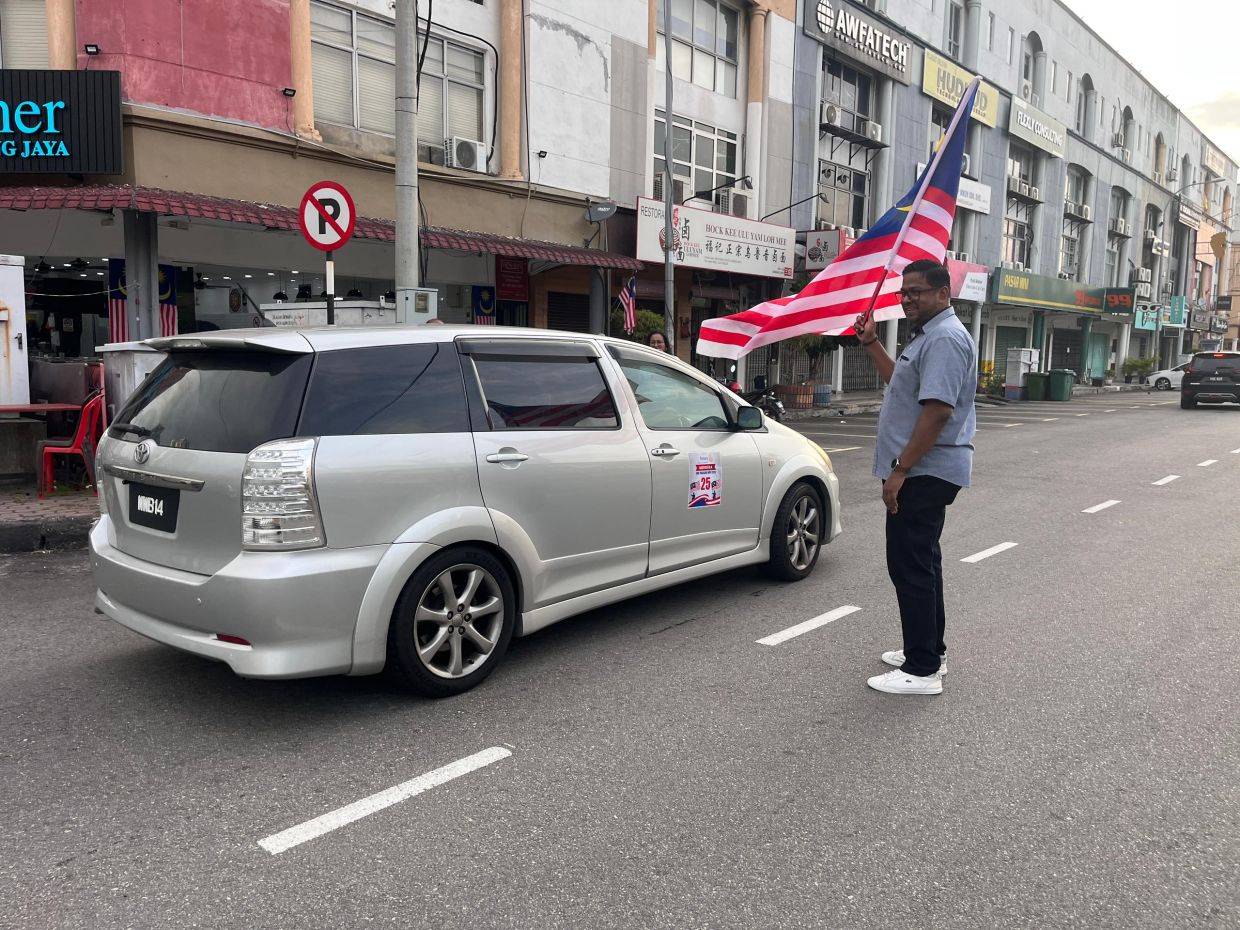
The Rotary Club of Subang holds its annual treasure hunt every Merdeka. — DINA AHMED
Treasure hunts give participants the chance to discover domestic destinations. — DINA AHMED
Chen (second from right) has been organising the Kiwanis Treasure Hunt for almost 40 years. — CHEN THIAM LEONG
The 42nd edition of Kiwanis Treasure Hunt was held in July 2025. — CHEN THIAM LEONG
Savouring local foods is one of the perks of treasure hunting across Malaysia. — AZLINA ABDULLAH/The Star
Treasure hunt participants get to explore small towns, not just the big cities. — RONNIE CHIN/The Star